
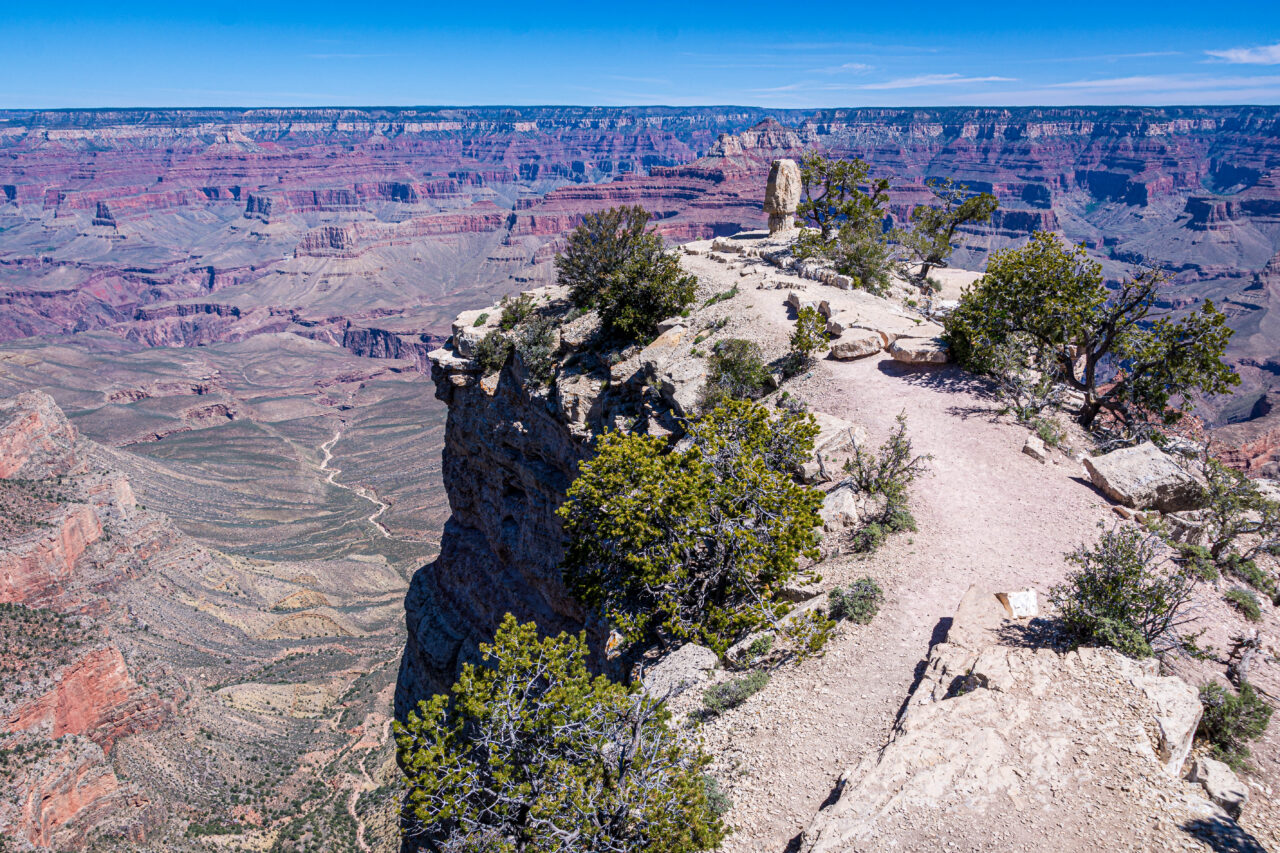
Picnicking at Grand Canyon National Park is a delightful way to immerse yourself in stunning natural beauty while enjoying a meal. The park offers an array of scenic settings perfect for families, road-trippers, and photographers alike. Expect to find picnic spots near overlooks, along riversides, or in shaded groves, allowing you to take in the breathtaking views while savoring your lunch. Whether you’re looking for a quick bite between hiking trails or a leisurely afternoon with loved ones, the Grand Canyon’s picnic areas cater to all preferences.
Get more Grand Canyon travel tips & news here.
Where is Grand Canyon National Park?
Located in the northern part of Arizona, Grand Canyon National Park is a geological marvel that attracts millions of visitors each year. The nearest gateway towns include Williams and Flagstaff, which serve as starting points for many adventurers. As you explore the park, you’ll encounter a variety of picnic-friendly surroundings, from picturesque overlooks to tranquil spots near the Colorado River. These diverse settings enhance the experience, making it suitable for all types of picnicking adventures.
Best time to picnic in Grand Canyon National Park
The ideal time for picnicking in Grand Canyon National Park largely depends on your tolerance for weather variations. Spring and fall typically offer mild temperatures, making them excellent choices for outdoor meals. Summer can be hot, particularly in lower elevations, while shoulder seasons may bring unpredictable weather and limited services. Crowds can be heavy during peak tourist months, so consider visiting early in the morning or later in the afternoon for a more serene experience. Always check local forecasts to prepare for sudden changes in weather.
Best picnic areas in Grand Canyon National Park
- Grand Canyon Village – This bustling area provides easy access to numerous viewpoints and is ideal for families wanting a classic picnic experience. You can enjoy stunning vistas while having your meal, with nearby amenities to enhance your visit. Amenities to look for may include picnic tables and restrooms.
- Mather Point – Famous for its breathtaking views of the canyon, Mather Point is a favorite among visitors. After taking in the scenery, enjoy your picnic at one of the nearby spots that allow for picturesque dining. Amenities to look for are often available in developed areas—verify on-site.
- Yavapai Point – Known for its expansive views, Yavapai Point offers a quieter setting that’s perfect for enjoying a peaceful meal. The area has ample space for spreading out a blanket and soaking in the magnificent canyon landscape. Amenities to look for may include seating areas and trash disposal options.
- Hermit’s Rest – Tucked away along the rim, Hermit’s Rest provides a more secluded atmosphere. It’s a great spot for those seeking a tranquil escape while enjoying their lunch. Keep in mind that amenities may be limited, so check on available facilities before heading out.
- Desert View Watchtower – This iconic structure not only offers stunning views of the canyon but also serves as a wonderful picnic spot. The combination of history and nature makes it an enriching experience. Amenities to look for often include picnic tables and restroom facilities.
- North Rim Campground – For those who prefer a campground setting, the North Rim Campground offers a lovely day-use area. It’s an excellent choice for families and groups looking to enjoy a meal surrounded by nature. Amenities to look for may include picnic tables and waste disposal.
- Bright Angel Trailhead – This popular trailhead is well-frequented, making it a lively spot for picnicking. After a hike, visitors can relax and refuel before heading back. Amenities to look for often include seating and water stations nearby.
- Shoshone Point – A hidden gem in the park, Shoshone Point is a quieter option for those looking to escape the crowds. With breathtaking views and a serene atmosphere, it’s perfect for a more intimate picnic experience. Amenities to look for may include seating areas—verify on-site.
- Kolb Studio – Located near the Bright Angel Trail, Kolb Studio provides a scenic backdrop for a picnic. This historic site is perfect for art enthusiasts and nature lovers alike. Amenities to look for are often available in developed areas—verify on-site.
- Plateau Point – For a more adventurous picnic, hike to Plateau Point, where you can enjoy a meal with a stunning view of the Colorado River below. This spot is best for those who love a bit of a challenge before relaxing with lunch. Amenities may be limited, so prepare accordingly.
What to bring
When planning your picnic at Grand Canyon National Park, it’s important to pack wisely. Bring a reusable trash bag to help keep the area clean, along with wipes for easy clean-up. A blanket is essential for comfort, while a small cutting board can be handy for meal preparation. An insulated bag will keep your food fresh, and don’t forget to pack plenty of water, as staying hydrated is crucial. Layer your clothing to accommodate temperature changes, and consider bug protection, especially in warmer months. Always have a wind plan in place, as conditions can change rapidly.
Bringing a dog
If you plan on bringing your dog along for the picnic, be aware of the park’s pet regulations. Dogs are typically required to be on a leash at all times, and certain trails and buildings may restrict pet access. Always pack plenty of water and waste bags for your pet, and avoid any interactions with wildlife. For the most current pet guidelines, verify the official park site before your visit.
Restrooms and water
While many developed areas in Grand Canyon National Park often feature restrooms and water stations, it’s wise to prepare for seasonal closures. Before heading out into the park, consider filling up your water bottles in nearby gateway towns or visitor hubs. Bringing extra water is essential, especially during warmer months when hydration becomes paramount.
Grills and fire rules
When it comes to grilling, always use designated grills if they are provided and permitted. Open flames are generally not allowed in picnic areas, so never assume you can have a campfire. Fire restrictions can change frequently, so it’s important to check the official site for the most current regulations before planning your picnic.
Leave no trace
Practicing Leave No Trace principles is crucial while enjoying your picnic at Grand Canyon National Park. Make sure to pack out all trash and secure your food to avoid attracting wildlife. Keep noise levels down to maintain the park’s peaceful atmosphere, and stay on durable surfaces to protect the landscape. Lastly, strive to leave the picnic area cleaner than you found it, ensuring that future visitors can enjoy the same natural beauty.
Local market stops
For an easy picnic meal, consider stopping at local markets or delis in nearby gateway towns. These spots often offer fresh produce, sandwiches, and snacks that are perfect for a day in the park. Look for non-messy options that are easy to pack and enjoy outdoors. Bakeries may also have delicious treats to complement your meal, making your picnic even more delightful.
Fees and permits
Keep in mind that entry fees, day-use fees, or parking permits may apply when visiting Grand Canyon National Park. Always check the official park/site for current details to ensure you’re prepared for your outing.
As you plan your picnic adventure at Grand Canyon National Park, be sure to verify the rules, arrive early to secure your preferred spot, and bring a trash bag to help keep the area clean. Having a backup picnic location in mind is also a smart idea, ensuring that you can enjoy your meal regardless of the circumstances. Happy picnicking!
Where to stay
When planning a visit to Grand Canyon National Park, selecting the right lodging is essential for a comfortable experience. The park offers a variety of accommodations to suit different preferences and budgets, ranging from rustic campgrounds to more modern hotels. Whether you’re looking for a cozy cabin nestled in the woods or a convenient hotel close to the rim, there are plenty of options to consider.
Here’s a quick overview of lodging categories you might find in and around the park:
- Hotels
- Motels
- Cabins
- Campgrounds
- Vacation rentals
- Hostels
- Backcountry camping
For more information on planning your stay, check out https://nationalparkgetaways.com/category/grand-canyon/ for helpful resources.
Dining options
Dining at Grand Canyon National Park can range from quick bites to sit-down meals, catering to a variety of tastes and dietary preferences. Within the park, you’ll find cafeterias and dining facilities that serve a selection of foods, from hearty meals to light snacks. However, it’s essential to be prepared for fluctuating hours of operation, especially during the shoulder seasons, where some services may close earlier or require reservations in advance.
For those with specific dietary needs, be sure to check menus ahead of time, as options may vary widely. It can be beneficial to bring your own packed meals, allowing you the freedom to dine at picturesque spots without worrying about availability. For more tips on dining and food strategies, follow along at https://www.facebook.com/NationalParkAdventurers/.
Travel tips and safety
As you explore the magnificent landscapes of Grand Canyon National Park, keeping safety in mind is crucial. Weather can change unexpectedly, so always be prepared for the elements. Familiarize yourself with trail conditions and park alerts prior to your visit to enhance your overall experience.
- Stay hydrated, especially during warmer months.
- Always check the weather forecast before heading out.
- Wear appropriate footwear for hiking, as trails can be rugged.
- Be aware of altitude sickness if you’re not acclimated to higher elevations.
- Keep a safe distance from wildlife and never feed them.
- Pack layers to adapt to temperature changes throughout the day.
- Use sunscreen and wear hats to protect against sun exposure.
- Familiarize yourself with park regulations and fire restrictions.
Packing list and what to bring
Essentials
- Reusable water bottles
- Trash bags for clean-up
- First aid kit
- Map of the park
Clothing
- Moisture-wicking base layers
- Insulating layer for cooler temperatures
- Comfortable hiking shoes or boots
- Hat and sunglasses
Food & water
- Non-perishable snacks (nuts, granola bars)
- Sandwiches or wraps
- Fruits (apples, bananas)
- Plenty of water (consider a filter or purification tablets)
Optional / nice-to-have
- Portable picnic table or blanket
- Camera for capturing memories
- Binoculars for wildlife watching
- Notebook or journal for reflection
Wildlife and nature highlights
The Grand Canyon is home to a diverse range of wildlife, offering visitors a chance to observe both common and rare species. While hiking or picnicking, you might encounter deer, elk, various birds, and even the elusive mountain lion. The park’s unique ecosystems support numerous plant species, making it a beautiful setting for both nature lovers and photographers. Keep in mind that wildlife sightings can vary by season, and patience is often rewarded.
When observing wildlife, remember to maintain a respectful distance. Avoid any actions that could disturb animals or their habitats, such as feeding them or encroaching on their space. Practicing Leave No Trace principles is vital; pack out all trash and strive to leave the natural environment as you found it to ensure others can enjoy its beauty as well.
Accessibility information
Accessibility within Grand Canyon National Park is an important consideration for visitors. Many areas of the park have paved paths and accessible restrooms, but not all trails and viewpoints are fully accessible. Before visiting, it’s advisable to check the official accessibility pages for detailed information regarding specific areas, surfaces, and facilities.
Parking availability can vary, so arriving early can help secure a convenient spot. Additionally, be aware that crowding may affect the ease of navigation in popular areas. If you have specific audio or visual needs, contacting visitor centers ahead of time can provide necessary accommodations and ensure you have a fulfilling experience.
FAQs
What is the best time to visit for fewer crowds?
Visiting during the shoulder seasons, such as early spring or late fall, typically results in fewer crowds.
Can I bring my pet to the picnic areas?
Pets are allowed in some areas but must be leashed and may have restrictions on trails and buildings. Verify pet policies before your visit.
Is cell service available in the park?
Cell service can be spotty in many areas of the park. It’s advisable to download maps and information beforehand.
Are there restrooms available at picnic sites?
Many developed picnic areas often feature restrooms, but availability can vary. Always check in advance.
How much time should I plan for a picnic?
Consider planning at least two to three hours for a leisurely picnic, allowing time for travel and exploration.
What should I do if the weather turns bad?
If weather conditions change, seek shelter in a restroom or nearby building. Always have a backup plan for indoor activities.
Additional resources
For those looking to enhance their visit to Grand Canyon National Park, consider the following resources:
- Official site and trip planner pages
- Alerts / closures / conditions
- Weather forecast
- Road conditions
- Permits and reservations info
- Visitor center hours and contacts
- Maps and accessibility info
- Leave No Trace guidance
Follow us on social media for more.