

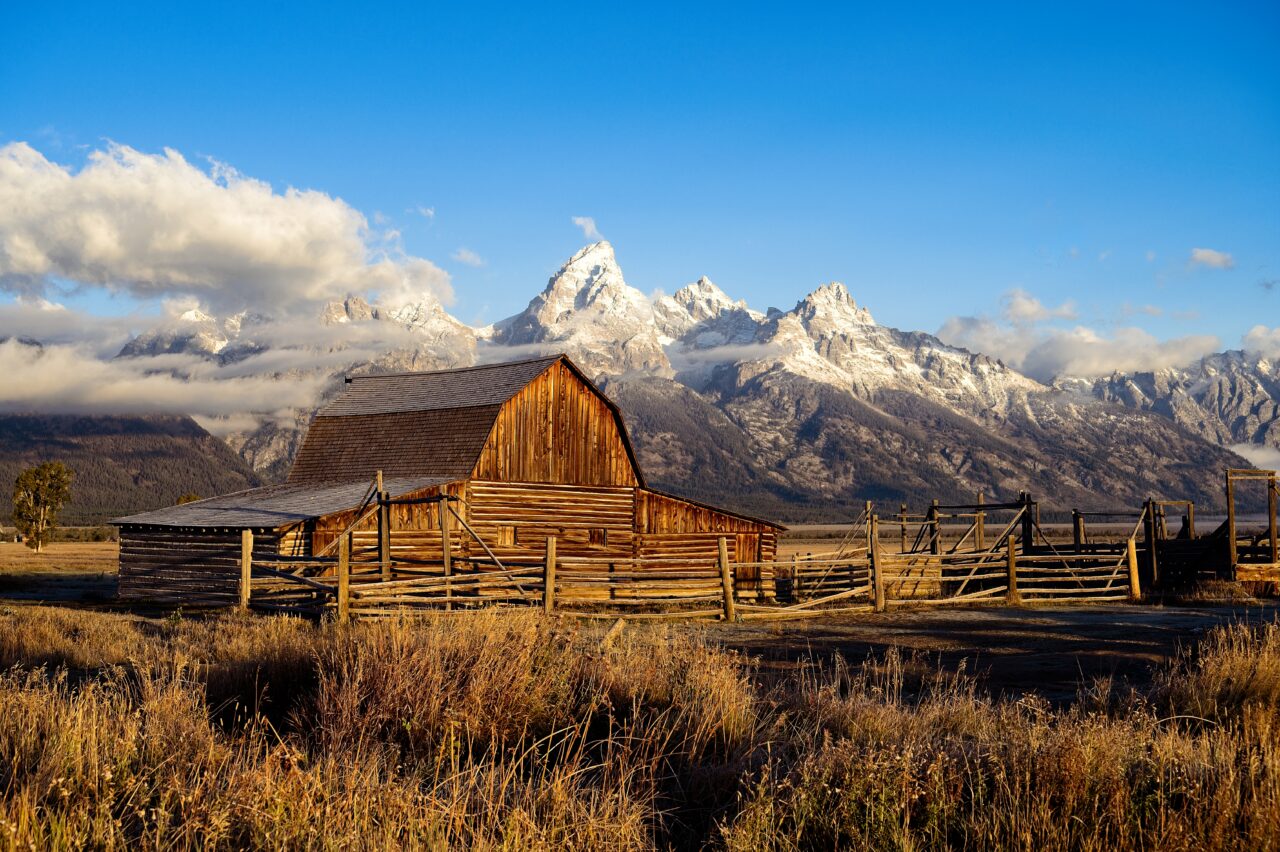
Picnicking in Grand Teton National Park is a delightful experience that combines breathtaking scenery with the joy of outdoor dining. Ideal for families, road-trippers, and photographers alike, this stunning destination offers a variety of settings, from serene lakeshores to scenic overlooks. Nature enthusiasts will find picturesque spots surrounded by towering peaks and lush forests, perfect for a relaxing lunch or an invigorating snack between adventures. With ample opportunities to soak in the fresh air and natural beauty, Grand Teton is a fantastic choice for a memorable picnic.
Get more Grand Teton travel tips & news here.
Where is Grand Teton National Park?
Grand Teton National Park is situated in northwestern Wyoming, just south of Yellowstone National Park. The park is easily accessible from nearby gateway towns, including Jackson, which serves as a popular base for visitors. The region features a diverse landscape, from the pristine shores of Jenny Lake to the expansive meadows that are framed by the majestic Teton Range. Picnic areas in and around the park often showcase beautiful lakeside views, forest edges, and open fields, providing perfect backdrops for your outdoor meal.
Best time to picnic in Grand Teton National Park
The best time to enjoy a picnic in Grand Teton National Park is during the summer months, typically from late June through mid-September, when the weather is warm and services are fully operational. However, this period can attract larger crowds, especially at popular sites. Spring and fall offer mild temperatures, but visitors may encounter unpredictable weather, including rain and wind. Additionally, shade can be limited in the summer, so keeping cool and avoiding peak hours may enhance your experience. Always check for seasonal closures and limited services that may affect your visit.
Best picnic areas in Grand Teton National Park
- Lakeside Picnic Area – Enjoy stunning views while dining by the water at one of the park’s lakeside picnic spots. These areas are perfect for families who want to relax and watch the wildlife while they eat. Amenities to look for may include picnic tables and trash disposal options.
- Scenic Overlook – Treat yourself to a meal with a view at one of the scenic overlooks within the park. These spots often provide breathtaking panoramas of the Teton Range and surrounding valleys, ideal for photographers and nature lovers. Verify on-site for available seating options.
- Riverside Access Point – A picnic by the river allows visitors to enjoy the soothing sounds of flowing water. These areas are great for a peaceful meal, and the proximity to the river can offer opportunities for fishing or exploring. Check for developed amenities nearby.
- Campground Day-Use Loop – Some campgrounds have designated day-use areas where picnicking is encouraged. These spots are typically more social and can be a great way to meet fellow outdoor enthusiasts. Look for restrooms and waste disposal options, which are commonly found in developed areas.
- Historic Lawn – Some sections of the park may feature historic lawns or green spaces, perfect for a laid-back picnic atmosphere. These areas often have a sense of tranquility and can be excellent for enjoying a leisurely lunch. Verify on-site for available amenities.
- Shaded Grove Near Visitor Center – Picnic spots near visitor centers often provide convenient access to information and resources. Shaded groves can be particularly inviting on hot summer days, making them a great place to relax and cool off. Check for on-site facilities.
- Quiet Meadow Area – For those seeking solitude, quiet meadows away from the main attractions can provide a serene setting for your picnic. These spots allow for a more intimate experience with nature, ideal for reflection and relaxation. Amenities may vary, so verify on-site.
- Picnic Area with Trail Access – Some picnic areas are conveniently located near hiking trails, making them perfect for a meal before or after your outdoor adventure. These spots often boast lovely views and a vibrant atmosphere. Check for trail maps and nearby facilities.
- Viewpoint Picnic Spot – Look for picnic areas located at viewpoints, where you can dine while taking in the stunning landscapes. These locations are often less crowded, allowing for a more peaceful dining experience. Verify the availability of seating and waste disposal options.
- Family-Friendly Gathering Area – Certain areas are designed for families, providing ample space for kids to play while parents enjoy their meals. These spots typically foster a lively and welcoming atmosphere. Amenities may include picnic tables and trash disposal facilities—check on-site.
What to bring
When planning your picnic in Grand Teton National Park, consider packing the following essentials: a reusable trash bag for waste, wipes for easy cleanup, a cozy blanket, a small cutting board, and an insulated bag to keep your food fresh. Don’t forget to bring plenty of water to stay hydrated, as well as layers to adapt to changing weather conditions. Bug protection is also important, especially during warmer months. Lastly, have a wind plan in place to secure your food and belongings.
Bringing a dog
When bringing your dog to Grand Teton National Park, it’s essential to adhere to park regulations. Leash rules are commonly enforced, and some areas restrict pets on trails and in buildings. Always pack enough water and waste bags, and do your best to avoid interactions with wildlife. It’s a good idea to verify current pet rules on the official park website, as they can change based on season and park management decisions.
Restrooms and water
Developed areas within Grand Teton National Park often have restrooms and water facilities, but these can be seasonal. It’s wise to fill up on water in nearby gateway towns before heading into the park. Always bring extra water for your picnic, ensuring you stay hydrated and comfortable during your outdoor dining experience.
Grills and fire rules
When planning to use grills or cook at your picnic site, be aware that only designated grills are permitted in certain areas. Open flames may not be allowed, and fire restrictions can change rapidly, especially during dry seasons. Always check the official site for the latest information regarding fire regulations before your visit.
Leave no trace
Practicing Leave No Trace principles is crucial when picnicking in Grand Teton National Park. Always pack out all trash, secure food to avoid attracting wildlife, and maintain a low noise level to preserve the natural serenity. Stay on durable surfaces to minimize your impact, and strive to leave your picnic spot cleaner than you found it.
Local market stops
For a memorable picnic, consider shopping at local markets, delis, or bakeries in nearby towns like Jackson. Look for easy-to-eat options such as pre-made sandwiches, fresh fruits, and cheese platters. These convenient offerings allow you to enjoy a delicious meal without the hassle of extensive preparation, making for a relaxing day in the park.
Remember to verify all rules and regulations before your picnic, arrive early to secure a great spot, and keep a backup location in mind. Bring a trash bag to help keep the park beautiful and preserve its natural charm for future visitors.
Where to stay
When planning a trip to Grand Teton National Park, finding suitable lodging can enhance your overall experience. The area offers a variety of accommodations to cater to different preferences and budgets. Whether you are seeking a rustic retreat in nature or a comfortable base from which to explore, there are options available to suit your needs.
Visitors can choose from several lodging styles, including:
- Hotels
- Motels
- Cabins
- Campgrounds
- Vacation rentals
- Hostels
- Backcountry huts
For more guidance on planning your stay, be sure to explore resources such as nationalparkgetaways.com.
Dining options
Dining in and around Grand Teton National Park can be a delightful experience, with options ranging from casual picnics to more structured dining settings. Many visitors opt for a picnic, bringing along their favorite foods to enjoy amidst stunning natural scenery. However, if you prefer dining out, the area hosts a variety of restaurants offering local cuisine, hearty breakfasts, and quick bites for outdoor adventurers.
It is essential to keep in mind that dining hours can vary significantly, especially during peak seasons. Some establishments may require reservations, particularly in the summer months when tourist traffic peaks. When planning meals, consider dietary needs and preferences, as menu options can vary widely from one place to another. For more tips and insights on dining in the area, consider following National Park Adventurers.
Travel tips and safety
While visiting Grand Teton National Park, keeping safety in mind is essential to ensure a pleasant experience. Weather conditions can change rapidly, and being prepared can make a significant difference. Always check forecasts before heading out, and be aware of your surroundings, especially in areas where wildlife is present.
- Carry a map or download offline maps, as cell service can be unreliable.
- Dress in layers to adapt to fluctuating temperatures.
- Stay hydrated and take breaks, especially during strenuous hikes.
- Be cautious of wildlife; maintain a safe distance and never feed animals.
- Check trail conditions and closures before starting your hike.
- Be mindful of fire restrictions, especially in dry seasons.
- Always have a first aid kit on hand for minor injuries.
- Respect park rules regarding picnicking and campfire regulations.
Packing list and what to bring
Essentials
- Reusable water bottles
- Trash bags for waste disposal
- First aid kit
- Map of the park
Clothing
- Weather-appropriate layers
- Sturdy hiking boots
- Hat and sunglasses
- Rain jacket
Food & water
- Non-perishable snacks
- Sandwiches or wraps
- Fresh fruits and vegetables
- Cooler or insulated bag
Optional / nice-to-have
- Camping chair or portable seating
- Binoculars for wildlife viewing
- Camera for capturing memories
- Portable grill for cooking
Wildlife and nature highlights
Grand Teton National Park is home to a diverse array of wildlife, offering visitors the chance to spot various species in their natural habitat. Common sightings include elk, moose, bison, and various bird species such as bald eagles and ospreys. The park’s ecosystems are rich and varied, providing habitats for both large mammals and smaller creatures.
When observing wildlife, it is crucial to practice proper etiquette. Maintain a safe distance, use binoculars or a camera with a zoom lens for a closer look, and avoid making loud noises that could disturb the animals. Remember that these creatures are wild, and approaching them can be dangerous for both you and the animal. Additionally, adhere to Leave No Trace principles to protect the environment and its inhabitants, ensuring that future visitors can enjoy the same experiences.
Wildlife activity can vary significantly with the seasons. Spring brings new life, with many animals giving birth to their young, while fall is a prime time for observing migratory birds. While sightings are not guaranteed, the thrill of spotting wildlife in the park adds an element of excitement to any picnic or hike.
Accessibility information
When planning your visit to Grand Teton National Park, it’s essential to consider accessibility options. Many picnic areas and facilities are designed to accommodate visitors with varying mobility needs. Accessible restrooms and parking areas are available, and some trails feature smooth surfaces and gentle grades suitable for wheelchairs and strollers.
However, crowding can be an issue, especially during peak seasons, which may affect the overall experience. It is advisable to arrive early to secure accessible parking and to check with visitor centers for up-to-date information on trail accessibility. Audio and visual considerations, such as guided programs and ranger-led talks, can also enhance the experience for those with specific needs. For detailed information, checking the official accessibility pages is highly recommended.
FAQs
Can I bring my dog to the picnic areas?
Dogs are allowed in certain areas of the park but must be leashed and cleaned up after. Always check for specific regulations regarding pets.
What is the best time of day for a picnic?
Early mornings or late afternoons are ideal to avoid peak heat and crowds, providing a more enjoyable experience.
Are there restroom facilities available at picnic areas?
Many picnic areas have restroom facilities, but availability may vary by season. It’s advisable to check beforehand.
Is cell service available in the park?
Cell service can be spotty throughout the park, especially in remote areas. It’s best to have a map and plan your trip accordingly.
How much time should I plan for a picnic?
Plan for at least 2-3 hours for a picnic, allowing time for dining, relaxation, and enjoying the surrounding scenery.
What should I do if the weather changes unexpectedly?
Be prepared for changing weather by bringing layers and a rain jacket. If conditions become severe, seek shelter and avoid staying in exposed areas.
Additional resources
As you prepare for your adventure in Grand Teton National Park, consider utilizing the following resources to enhance your experience:
- Official site and trip planner pages
- Alerts / closures / conditions
- Weather forecast
- Road conditions
- Permits and reservations info
- Visitor center hours and contacts
- Maps and accessibility info
- Leave No Trace guidance
Follow us on social media for more.