
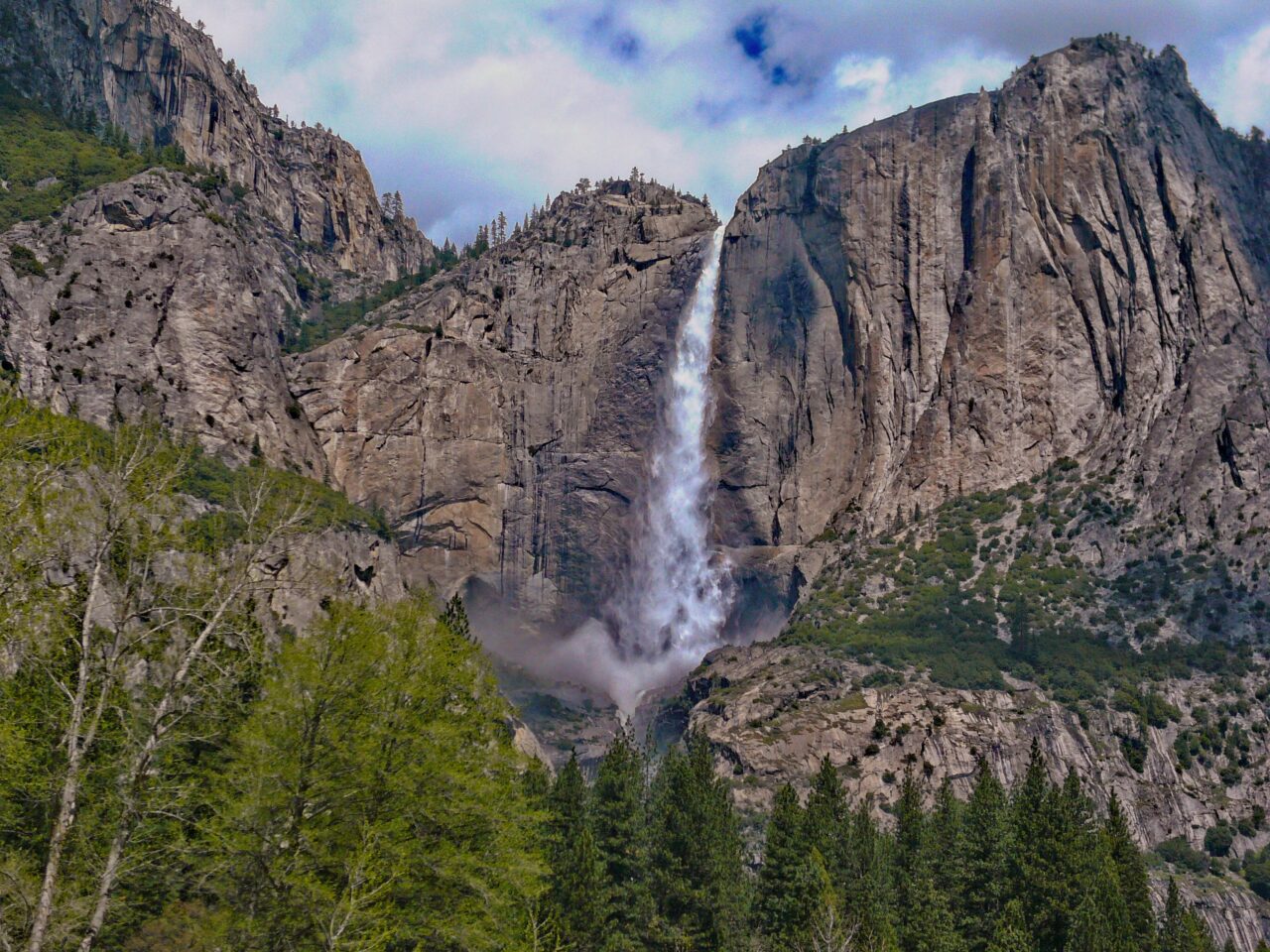
Picnicking in Yosemite National Park is an exceptional way to take in the park’s breathtaking natural beauty while enjoying a meal amidst towering granite cliffs, serene meadows, and rushing rivers. Ideal for families, road-trippers, and photographers, these picnic spots offer a chance to relax and recharge between hikes or sightseeing. You’ll find various settings, from waterfront areas to shaded groves, providing a perfect backdrop for a delightful day outdoors.
Get more Yosemite travel tips & news here.
Getting oriented in Yosemite National Park
Yosemite National Park, located in California’s Sierra Nevada mountains, is renowned for its stunning landscapes, diverse ecosystems, and iconic landmarks such as El Capitan and Half Dome. The nearest gateway towns, such as Mariposa, Oakhurst, and Groveland, serve as convenient bases for visitors. Within the park, picnic-friendly surroundings can be found along lakeshores, forest edges, and even within historic district greenspaces, making it easy to find a lovely spot to enjoy a meal.
When to visit
The best time for a picnic in Yosemite National Park typically falls between late spring and early fall. During this period, the weather is generally pleasant, with warmer temperatures and less chance of rain. However, be prepared for larger crowds during peak summer months. Shoulder seasons like late spring and early fall may present cooler temperatures and occasional wind, as well as limited services, so it’s wise to check for any seasonal closures or restrictions before heading out.
Best picnic areas in Yosemite National Park
- Lakeside Day-Use Area: Enjoy a picturesque setting by one of the park’s stunning lakes. These areas provide a peaceful ambiance where you can take in the views while enjoying your meal. Look for spots that provide access to the water for a refreshing dip afterward. Amenities to look for: often includes picnic tables and nearby trails—verify on-site.
- Scenic Overlook Tables: Many of Yosemite’s scenic overlooks offer designated picnic tables with breathtaking panoramic views of the valley or surrounding peaks. These spots are perfect for photographers and anyone wanting to capture the beauty of the landscape while enjoying a meal. Amenities to look for: may have limited seating—verify on-site.
- Riverside Access Point: Picnicking by a rushing river creates a refreshing atmosphere, especially in hot weather. These locations often provide opportunities for fishing or splashing around in the cool water, making them ideal for families. Amenities to look for: commonly found in developed areas—verify on-site.
- Campground Day-Use Loop: Many campgrounds within the park offer day-use areas where picnickers can enjoy a relaxing meal in a forested setting. They typically have a friendly atmosphere, making it a great option for families or groups. Amenities to look for: may include tables and restrooms—verify on-site.
- Historic Lawn/Green: Some of the park’s historic areas feature expansive lawns perfect for a leisurely picnic. The combination of history and natural beauty creates a unique setting for a meal. Amenities to look for: often includes picnic spots and nearby visitor centers—verify on-site.
- Shaded Grove Near Visitor Center: A shaded grove close to a visitor center can offer a respite from the sun, making it a great choice for a midday meal. These locations can be particularly convenient for those who want to combine education and relaxation. Amenities to look for: may have picnic tables and information kiosks—verify on-site.
- Meadow Picnic Area: Enjoy a serene picnic in an open meadow surrounded by wildflowers and stunning views of the mountains. This setting is great for those who appreciate tranquility and natural beauty. Amenities to look for: often includes open spaces for blankets and picnics—verify on-site.
- Quiet Forest Nook: For those seeking a more secluded experience, a quiet forest nook can provide the perfect escape. These spots allow you to immerse yourself in nature, offering a peaceful ambiance for reflection and relaxation. Amenities to look for: commonly found in developed areas—verify on-site.
- Valley Floor Picnic Area: Located in the heart of the park, this area provides easy access to various attractions and stunning views. It’s a great choice for those who want to see iconic landmarks while enjoying their meal. Amenities to look for: often includes nearby trails and facilities—verify on-site.
- Waterfall Viewpoint: Some picnic areas provide spectacular views of waterfalls, making your dining experience even more memorable. The sound of cascading water adds a unique ambiance. Amenities to look for: may have limited seating—verify on-site.
What to bring
When planning your picnic in Yosemite, consider packing the following essentials: a reusable trash bag to carry out your waste, wipes for cleanliness, a blanket for seating, and a small cutting board for easy food prep. An insulated bag will help keep your items fresh, and don’t forget plenty of water, as staying hydrated is crucial, especially in warmer months. It’s wise to bring layers for varying temperatures, bug protection, and a wind plan in case of breezy conditions. Always remember to leave valuables out of sight while you explore.
Dogs: what to know
When bringing a dog to Yosemite, keep in mind that leash rules are often enforced, and some areas restrict pets on trails and in buildings. Always pack plenty of water and waste bags to clean up after your pet. Avoid interactions with wildlife, as this can be dangerous for both your pet and local animals. For the most current pet regulations, verify the rules on the official park site.
Restrooms and water
While developed areas within Yosemite National Park typically have restrooms and water available, these facilities may be seasonal or limited in certain locations. It’s a good idea to fill up on water in nearby gateway towns or visitor hubs before heading out for your picnic, and always bring extra water to ensure you stay hydrated.
Cooking safely
When it comes to grilling or cooking in Yosemite, only use designated grills if provided and allowed. Open flames and campfires are often restricted, especially during dry seasons, so always check the official site for current fire restrictions before planning your meal.
Leave no trace
Practicing Leave No Trace principles is essential when picnicking in Yosemite National Park. Always pack out all trash, secure food to prevent wildlife interactions, and keep noise levels down to respect nature and fellow visitors. Stay on durable surfaces and aim to leave the picnic spot cleaner than you found it.
Local market stops
For a delicious picnic, consider shopping locally in nearby gateway towns. Look for markets, delis, and bakeries that offer fresh ingredients and ready-to-eat options. Think of non-messy items like sandwiches, fruits, and snacks that are easy to pack. These local stops can elevate your picnic experience while supporting the community.
Fees and permits
Entry fees, day-use fees, or parking permits may apply when visiting Yosemite National Park. It’s important to check the official park/site for current details to ensure a smooth visit.
As you prepare for your picnic in Yosemite National Park, remember to verify the rules, arrive early to secure a good spot, bring a trash bag, and have a backup location in mind. Enjoy the stunning scenery and create lasting memories with friends and family!
Where to stay
When planning your picnic adventure in Yosemite National Park, accommodation options range from rustic camping to comfortable lodges. Depending on your preferences and budget, you can choose from various lodging categories that allow you to enjoy the park’s natural beauty while providing convenient access to picnic spots.
Consider the following lodging styles:
- Hotels
- Motels
- Cabins
- Campgrounds
- Vacation rentals
- Hostels
- Backcountry campsites
For more information and planning assistance, check out this helpful resource.
Dining options
Dining in and around Yosemite National Park offers a variety of options to cater to different tastes and preferences. From casual eateries to more refined dining experiences, visitors can find meals that suit their picnic needs. Many dining spots focus on using local ingredients, which can enhance your culinary experience while supporting the local community.
When planning your meals, it’s essential to consider operating hours, as they can vary by season. Some restaurants may require reservations during peak times, especially in summer. If you have specific dietary needs, such as vegetarian or gluten-free options, be sure to inquire ahead of time. For more tips on dining in the park, follow along at National Park Adventurers.
Travel tips and safety
Ensuring a safe and enjoyable picnic experience in Yosemite National Park requires planning and awareness of your surroundings. Weather conditions can change rapidly, and being prepared for various scenarios is crucial. Familiarizing yourself with park regulations and practicing common safety guidelines will help you have a positive outing.
- Check weather forecasts before heading out, and prepare for sudden changes.
- Stay hydrated, especially when temperatures rise, and take breaks as needed.
- Be mindful of wildlife and keep a safe distance; do not feed animals.
- Follow Leave No Trace principles to protect the environment.
- Stay on marked trails to avoid damaging sensitive ecosystems.
- Be cautious near water bodies, as currents can be strong.
- In case of lightning, seek shelter and avoid open areas.
- Plan for altitude changes if hiking in higher elevations.
Packing list and what to bring
Essentials
- Reusable trash bags
- Wet wipes or hand sanitizer
- First-aid kit
- Map of the park
Clothing
- Layered clothing for varying temperatures
- Comfortable hiking shoes
- Sun hat and sunglasses
- Rain gear or poncho
Food & water
- Water bottles (with extra for hydration)
- Non-perishable snacks (nuts, trail mix, granola bars)
- Sandwiches or wraps
- Fruit (apples, bananas, or grapes)
Optional / nice-to-have
- Cameras or binoculars for wildlife watching
- Portable chairs or picnic blankets
- Games or books for entertainment
- Bug spray and sunscreen
Wildlife and nature highlights
Yosemite National Park is home to a diverse array of wildlife, including deer, black bears, coyotes, and various bird species. While enjoying your picnic, you may spot these animals in their natural habitats. It’s essential to observe wildlife from a distance and to respect their space, as approaching animals can lead to dangerous situations for both visitors and wildlife. Make sure to secure all food and trash to avoid attracting animals to your picnic area.
Seasonal variability affects wildlife sightings, with certain species more active during specific times of the year. Spring brings blooming wildflowers and the emergence of baby animals, while fall offers opportunities to see elk during their mating season. However, sightings are never guaranteed, so patience and respect for nature are key. Always follow Leave No Trace principles to minimize your impact on the beautiful environment.
Accessibility information
Yosemite National Park strives to provide accessibility for visitors with varying mobility needs. Many picnic areas have paved or compact surfaces, though some trails may present challenges due to grades and distances. It’s important to plan ahead and consider the accessibility of your chosen picnic spot, especially if traveling with individuals who may need assistance.
Restroom availability varies throughout the park, and some areas may have accessible facilities. Parking for visitors with disabilities is typically available in designated spots, though crowding can sometimes limit access. For comprehensive accessibility information, including details on trails and facilities, check the official accessibility pages and contact visitor centers for assistance.
FAQs
Can I find parking near picnic areas?
Parking availability can vary depending on the season and location. It’s best to arrive early to secure a spot, especially during peak times.
How much time should I plan for a picnic in Yosemite?
Allow at least a few hours for your picnic, including travel time, meal preparation, and some time to explore the surrounding area.
Are pets allowed in picnic areas?
Pets are generally restricted in many areas of the park, including trails and picnic spots. Always check current regulations before bringing your pet.
Is there cell service in the park?
Cell service is limited in many areas of Yosemite National Park. Be prepared to be offline and consider downloading maps or information beforehand.
What should I do if the weather turns bad?
If you encounter inclement weather, seek shelter immediately and be prepared to adjust your plans. Always have a backup picnic location in mind.
Are restrooms available near picnic sites?
Restroom facilities may be available in developed areas, but it’s advisable to check ahead as some restrooms are seasonal.
What wildlife should I be aware of during my picnic?
Common wildlife includes deer, bears, and various bird species. Maintain a safe distance from all wildlife and secure your food to avoid attracting them.
Additional resources
Before heading to Yosemite National Park for your picnic adventure, consider utilizing the following resources to enhance your visit:
- Official site and trip planner pages
- Alerts / closures / conditions
- Weather forecast
- Road conditions
- Permits and reservations info
- Visitor center hours and contacts
- Maps and accessibility info
- Leave No Trace guidance
Follow us on social media for more.