
Best Picnic Areas in Zion National Park
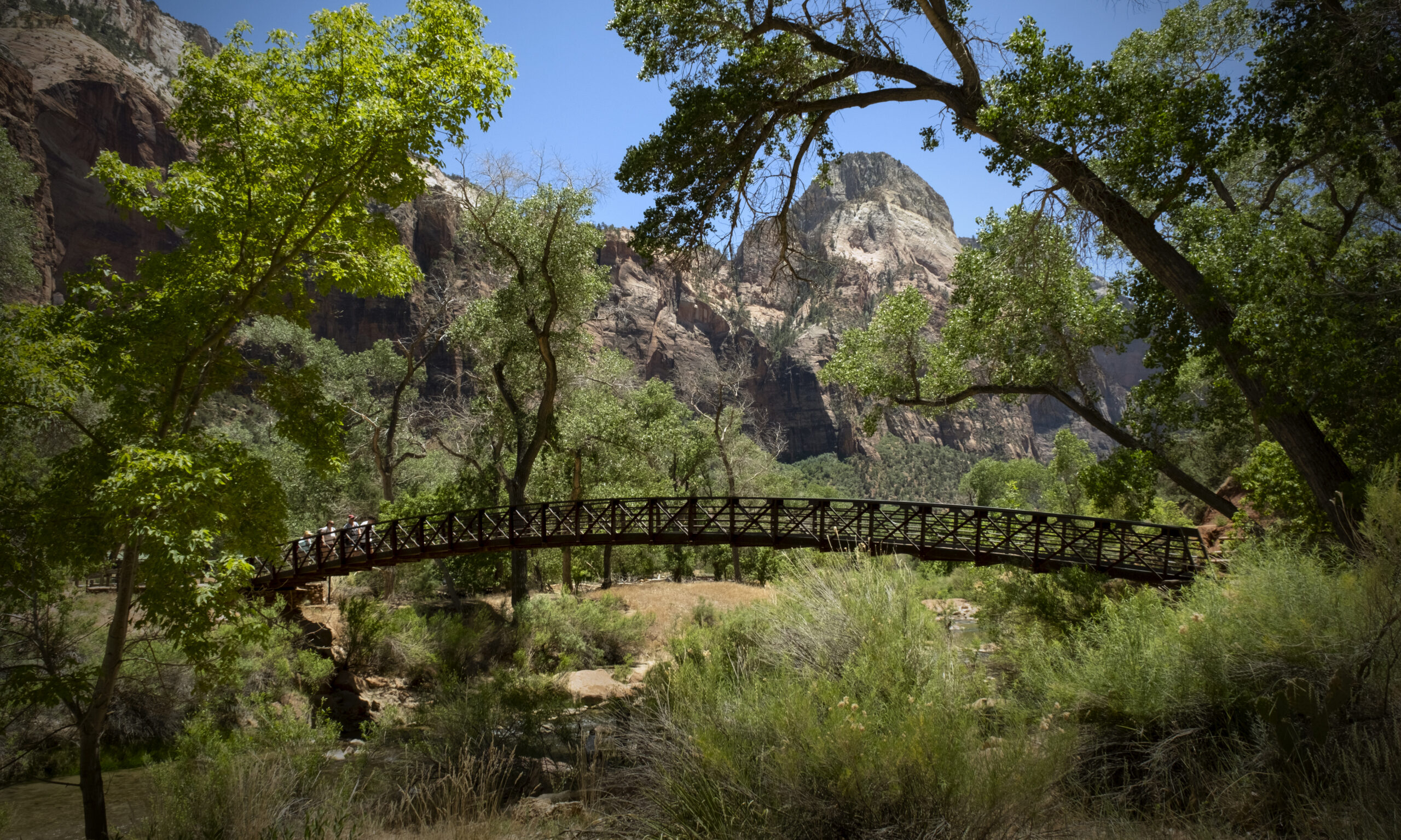
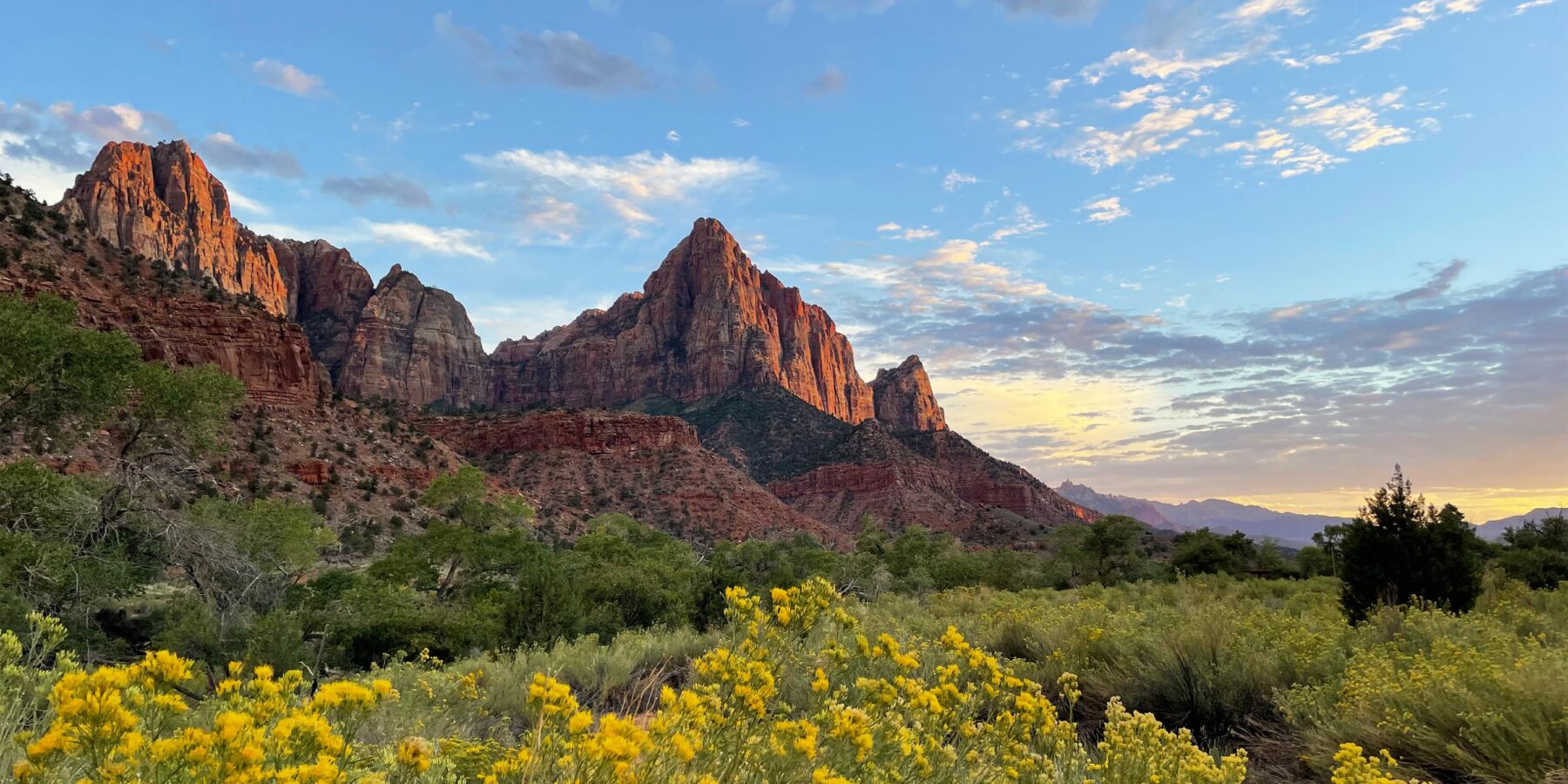
Zion National Park is a stunning destination for picnicking, combining breathtaking landscapes with a variety of settings that cater to families, road-trippers, and anyone looking for a serene spot to enjoy a meal outdoors. The park features picturesque overlooks, shaded groves, and riverside locations ideal for relaxing lunches between hikes or sightseeing. Whether you’re enjoying a quick break or a leisurely meal, Zion provides the perfect backdrop for a memorable picnic experience.
Get more Zion travel tips & news here.
Where is Zion National Park?
Zion National Park is located in the southwestern United States, specifically in southwestern Utah. The park is easily accessible via nearby gateway towns, including Springdale, which offers a charming atmosphere and various amenities for visitors. Surrounded by towering sandstone cliffs, lush canyons, and diverse wildlife, the region provides ample picnic-friendly spots, whether along a tranquil riverside, at scenic overlooks, or in wooded areas. The combination of stunning natural beauty and accessible facilities makes Zion an excellent choice for a delightful outdoor meal.
Best time to picnic in Zion National Park
The optimal time for picnicking in Zion National Park generally falls during the spring and fall months when the weather is mild, and the crowds are more manageable. Summers can bring heat, with temperatures often soaring, making shaded areas essential. Conversely, winter months may lead to colder conditions and potential snow. Keep in mind that shoulder seasons can result in occasional closures or limited services, so always be prepared for changing weather conditions and ensure you have adequate shade and hydration during your outdoor dining experience.
Best picnic areas in Zion National Park
- Riverside Picnic Area – This popular spot offers a scenic view right by the Virgin River, making it a perfect place for families and groups. The sound of flowing water adds to the relaxing atmosphere, and the lush surroundings provide a lovely setting for a leisurely meal. Amenities to look for: often includes picnic tables and trash disposal.
- Grotto Picnic Area – Located near the Zion Lodge, this area is convenient for park visitors and features a beautiful landscape with nearby trails. The Grotto is an excellent choice for those looking to combine a picnic with a hike. Amenities to look for: may have tables and waste disposal options.
- Weeping Rock Trailhead – For a quieter option, consider this trailhead area. While it’s primarily a starting point for hikes, the surrounding scenery and solitude make it a peaceful spot for a picnic. Enjoy the dramatic cliffs while you dine. Amenities to look for: commonly found in developed areas—verify on-site.
- Temple of Sinawava – This area serves as the gateway to the famous Riverside Walk and is a stunning location for a picnic. With the backdrop of towering cliffs and the river nearby, it’s a breathtaking place to relax. Amenities to look for: often includes picnic tables and trash disposal.
- East Rim Trailhead – For those seeking a more secluded spot, the East Rim Trailhead offers fewer crowds and beautiful views. It’s an excellent choice for those looking to escape the busier areas of the park while enjoying a meal in nature. Amenities to look for: may have basic facilities available.
- Angels Landing Trailhead – While this area is known for its challenging hike, it also provides stunning views that make for an unforgettable picnic backdrop. Enjoy a meal before or after your trek with panoramic vistas. Amenities to look for: commonly found in developed areas—verify on-site.
- Kolob Canyons – For a more remote picnic experience, head to the Kolob Canyons section of the park. The scenic drive and breathtaking views make this a fantastic spot for a peaceful meal away from the busier park areas. Amenities to look for: often includes picnic tables and waste disposal.
- Zion Canyon Visitor Center – This visitor hub provides easy access to picnic areas, making it a convenient option for families and first-time visitors. It’s a great place to enjoy a meal while planning your next adventure in the park. Amenities to look for: may have tables and amenities available.
- Observation Point Trailhead – This popular trail offers spectacular views and serves as a unique picnic area. Enjoy your meal while taking in the stunning landscape from a higher vantage point. Amenities to look for: commonly found in developed areas—verify on-site.
- Wildcat Canyon – For those looking for a quieter, off-the-beaten-path option, Wildcat Canyon offers beautiful scenery and fewer crowds. It’s an ideal location for a peaceful picnic surrounded by nature. Amenities to look for: may have basic facilities available.
What to bring
When planning a picnic in Zion National Park, it’s essential to pack smart. Here’s a list of items you should consider bringing:
- Reusable trash bag
- Wipes for quick clean-ups
- Blanket for seating
- Small cutting board
- Insulated bag for keeping food fresh
- Plenty of water
- Layers for changing weather
- Bug protection
- Wind plan, such as a windbreak for your picnic area
Always remember to leave valuables out of sight when parked in public areas.
Bringing a dog
For those traveling with pets, it’s important to follow park regulations regarding dogs. Leash rules are common, and some areas restrict pets on trails and in buildings. Always bring enough water for your dog and waste bags to clean up after them. Avoid letting your pet interact with wildlife, and verify current rules regarding pets on the official park website.
Restrooms and water
In developed areas of Zion National Park, restroom facilities and potable water are often available, but their accessibility can vary by season. It’s wise to fill up on water in nearby gateway towns or visitor centers before heading to your picnic spot. Bringing extra water is always a smart choice to ensure you stay hydrated during your outdoor meal.
Grills and fire rules
When planning to cook at your picnic, be aware that only designated grills may be allowed, and open flames are typically not permitted. Fire restrictions can change quickly based on weather conditions, so always check the official site for the most current regulations related to cooking and fire use within the park.
Leave no trace
Practicing Leave No Trace principles is essential when enjoying a picnic in Zion National Park. Remember to pack out all trash, secure food to prevent wildlife interactions, and keep noise levels down. Always stay on durable surfaces and aim to leave your picnic spot cleaner than you found it. Respecting the environment ensures that future visitors can enjoy the same beautiful experience.
Grab-and-go food
Opt for simple, non-messy food options when planning your picnic. Sandwiches, wraps, fresh fruits, and snacks are all excellent choices. For those looking to shop locally, check out markets or delis in nearby towns for fresh produce and ready-to-eat meals. This way, you can support local businesses while enjoying a delicious meal in the great outdoors.
Fees and permits
Entry fees or day-use fees may apply for accessing certain areas of Zion National Park. Parking permits might also be necessary depending on your location. Check the official park/site for current details to ensure a smooth visit.
Before heading out for your picnic in Zion National Park, be sure to verify all rules and guidelines. Arriving early allows you to secure a good spot, and bringing a trash bag can help keep the area clean. Always have a backup location in mind to ensure an enjoyable experience in this stunning natural setting.
Where to stay
When planning a visit to Zion National Park, selecting the right accommodation can enhance your overall experience. The area offers a diverse range of lodging options that cater to different preferences and budgets. Whether you are seeking a cozy spot to unwind after a day of exploration or a convenient base from which to enjoy the park, there are various choices available.
From luxurious lodges nestled in nature to more budget-friendly options, visitors can find accommodations that fit their needs. Here are several lodging styles to consider:
- Hotels
- Motels
- Cabins
- Campgrounds
- Vacation rentals
- Hostels
- Bed and breakfasts
For a comprehensive overview of available options and to assist in your planning, visit this helpful resource.
Dining options
Dining in and around Zion National Park offers a variety of choices, from casual eateries to more upscale dining experiences. Many visitors prefer to pack their meals for a picnic, but for those who wish to explore local cuisine, there are several options available. Visitors can find convenient eateries in nearby towns that offer everything from hearty breakfasts to late-night snacks, making it easy to fuel up before or after a day of adventure.
When dining out, it’s essential to keep a few factors in mind. Many restaurants may have seasonal hours, and during peak seasons, reservations could be advisable to avoid long wait times. Additionally, if you have specific dietary needs, check menus in advance to ensure there are suitable options. For more tips on dining and planning your meals while at Zion, be sure to follow along.
Travel tips and safety
Safety is paramount when exploring the stunning landscapes of Zion National Park. The park has diverse terrain and weather conditions, which can change rapidly. Visitors should remain aware of their surroundings and be prepared for any situation. Carrying a map, having a fully charged phone, and letting someone know your plans can enhance safety while enjoying the park.
- Check the weather forecast before your visit and plan accordingly.
- Stay hydrated and take breaks, especially in warmer temperatures.
- Be mindful of wildlife; do not approach animals, and store food securely.
- Wear appropriate footwear for the terrain, as some trails can be steep or rocky.
- In winter, be cautious of icy trails and avoid overexertion.
- Stay on marked trails to minimize your impact on the environment.
- Inform someone of your itinerary, especially if you plan to venture into remote areas.
- Be prepared for sudden changes in weather; pack extra layers and rain gear.
Packing list and what to bring
Essentials
- Map of Zion National Park
- First aid kit
- Fully charged phone with an emergency contact list
- Reusable water bottles
Clothing
- Lightweight, moisture-wicking clothing
- Sturdy hiking boots or shoes
- Sun hat and sunglasses
- Warm layers for cooler evenings
Food & water
- Non-perishable snacks (nuts, granola bars)
- Sandwiches or wraps for main meals
- Fruits (apples, bananas) for easy snacking
- Cooler or insulated bag for perishables
Optional / nice-to-have
- Camera for capturing stunning views
- Binoculars for wildlife watching
- Portable charger for electronic devices
- Lightweight picnic blanket or mat
Wildlife and nature highlights
Zion National Park is home to an impressive variety of wildlife, making it a haven for nature enthusiasts. Visitors might encounter species such as mule deer, bighorn sheep, and various bird species, including peregrine falcons and California condors. The park’s diverse ecosystems support not only large mammals but also a rich array of smaller animals and insects, contributing to the vibrant tapestry of life within its boundaries.
When observing wildlife, it’s important to practice ethical viewing techniques. Maintain a safe distance from all animals, and never feed them, as this can disrupt their natural behaviors. Additionally, adhering to Leave No Trace principles is crucial for preserving the park’s ecosystem. This includes staying on designated trails and packing out all trash.
Wildlife sightings can vary greatly by season, so visitors should manage their expectations. Spring often brings new life as animals emerge from winter, while autumn can be an excellent time for birdwatching as migratory species pass through the area. Remember, sightings are never guaranteed, but the thrill of exploring the park’s natural beauty is always rewarding.
Accessibility information
Planning for accessibility in Zion National Park is important for ensuring an enjoyable visit for everyone. The park features several trails and areas designed to accommodate visitors with mobility challenges. Many popular sites offer paved surfaces, though some may have steeper grades or uneven terrain, so it’s advisable to check trail specifics in advance.
Accessible restrooms are available in developed areas, but their locations may vary, so familiarize yourself with the layout of the park. Parking spaces designated for accessibility are also provided at key locations, but during peak times, these spots may fill quickly. To avoid disappointment, consider arriving early in the day. For the most accurate and up-to-date information regarding accessibility, refer to the official park pages or contact visitor centers before your trip.
FAQs
What is the best time to visit for picnicking?
The best time for picnicking is typically during the spring and fall when the weather is mild, and crowds are thinner.
Are pets allowed in the park?
Pets are allowed in certain areas but must be leashed, and many trails and facilities may restrict their access. Check park regulations before your visit.
How much time should I plan for a picnic?
Allocate at least 2-3 hours for a picnic to enjoy your meal and relax in the beautiful surroundings, allowing for additional time if you plan to hike or explore nearby trails.
Is cell service available throughout the park?
Cell service can be spotty in many areas of the park, so it’s wise to download maps and information ahead of time and carry a physical map as a backup.
What should I do if the weather changes suddenly?
If weather conditions shift unexpectedly, seek shelter if necessary, and be prepared to alter your plans. Always have a backup location or activity in mind.
Are there water refill stations available?
Water refill stations are available in developed areas, but it’s best to bring extra water and fill up before heading to more remote picnic spots.
Can I have a campfire during my picnic?
Open flames are generally not allowed, and only designated grills may be permitted. Always check current fire regulations before your visit.
Additional resources
For those planning a visit to Zion National Park, having access to accurate information is essential. Here are some resource types to consider:
- Official site and trip planner pages
- Alerts / closures / conditions
- Weather forecast
- Road conditions
- Permits and reservations info
- Visitor center hours and contacts
- Maps and accessibility info
- Leave No Trace guidance
Follow us on social media for more.