
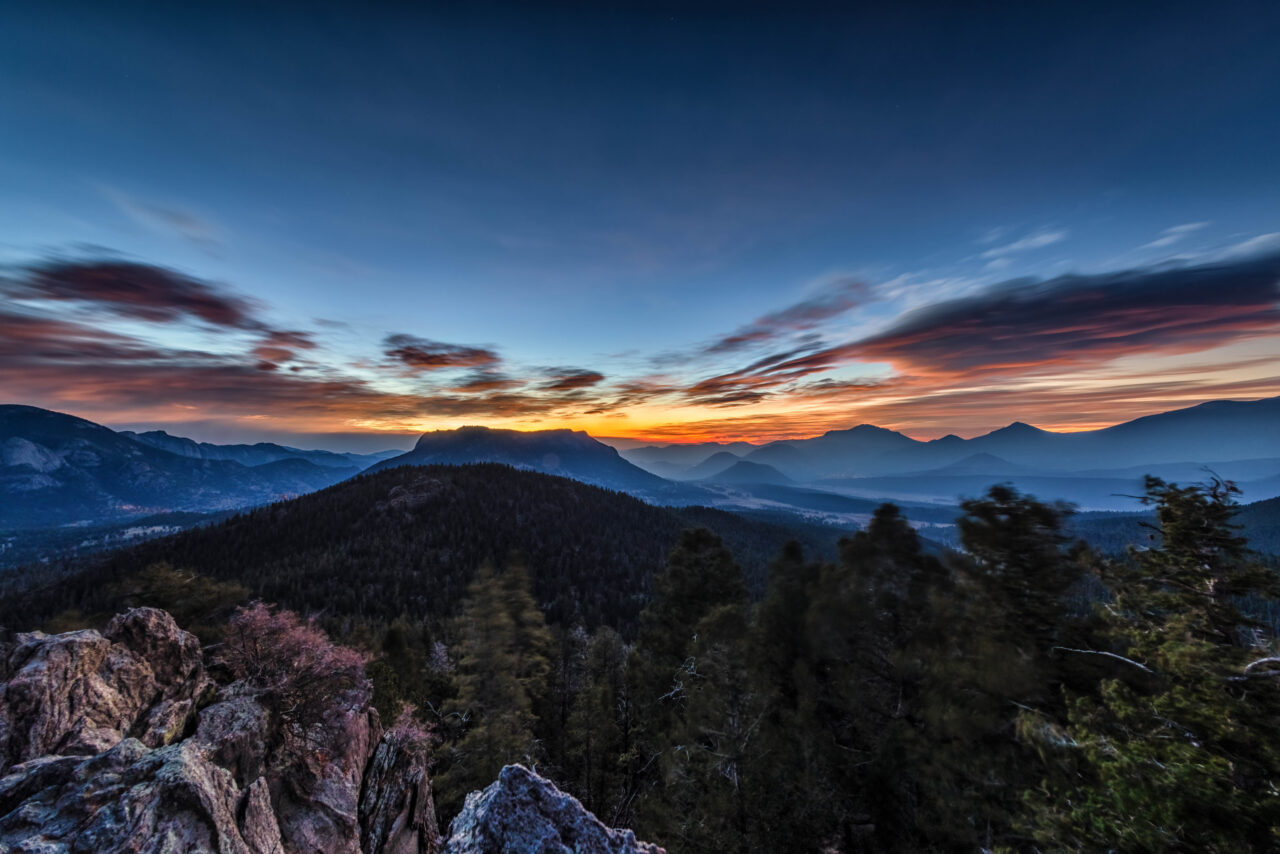
Picnicking in Rocky Mountain National Park is an unforgettable experience, offering stunning vistas and diverse landscapes that appeal to families, road-trippers, and photographers alike. Whether you desire a serene lakeside spot, a shady grove, or an overlook with breathtaking views, this national park provides a variety of settings that make any picnic memorable. With opportunities to relax amidst nature, it’s the perfect way to enjoy a meal on your adventures through this majestic area.
Get more Rocky Mountain travel tips & news here.
Rocky Mountain National Park Location overview
Located in northern Colorado, Rocky Mountain National Park is easily accessible from nearby towns such as Estes Park and Grand Lake. The park spans over 415 square miles of stunning alpine terrain, featuring towering peaks, lush forests, and crystal-clear lakes. Picnic-friendly surroundings can be found along the park’s scenic drive, by lakeshores, and in tranquil forest edges, making it an inviting place for outdoor dining.
Best time to picnic in Rocky Mountain National Park
The best time to picnic in Rocky Mountain National Park is during the summer months, from late June to early September, when the weather is generally warm and sunny. However, visitors should be mindful of crowds during peak season, especially around popular picnic spots. Spring and fall can bring unpredictable weather, with cooler temperatures and occasional rain, so layering is advisable. Additionally, some areas may be less accessible due to snowfall in the winter months. Always check for weather updates and park conditions before planning your visit.
Best picnic areas in Rocky Mountain National Park
- Lakeside Picnic Area: Enjoy a scenic lunch by the water’s edge, where the tranquil ambiance is perfect for families. The reflections on the lake create a picturesque backdrop for relaxation and photos. Amenities to look for may include nearby parking and picnic tables.
- Alpine Overlook: For stunning views of the surrounding peaks, this scenic overlook is ideal. The elevated vantage point provides a unique dining experience, complete with spectacular sunsets. Amenities to look for often include pull-outs for cars and limited seating.
- Forest Grove: This quieter option features a serene forest setting, ideal for those seeking a peaceful retreat. The dappled sunlight and soft sounds of nature enhance the picnic vibe. Amenities may include shaded spots and benches—verify on-site.
- Riverside Access Point: A delightful choice for those who enjoy the sound of flowing water while they eat. This area is great for families and offers a refreshing atmosphere. Amenities to look for often include tables and proximity to trails.
- Campground Day-Use Loop: Perfect for those who want a convenient spot with a friendly atmosphere, this area is great for families and groups. It’s often bustling with activity, making it a lively choice. Amenities may include picnic tables and restroom facilities.
- Historic District Green Space: Located near park visitor centers, this area features lovely lawns surrounded by historic buildings. It’s an excellent spot for a quick lunch before continuing your exploration. Amenities to look for often include grassy areas and access to nearby facilities.
- Scenic Picnic Area by the Stream: This area is perfect for those who enjoy the sound of a babbling brook while dining. The natural beauty and soothing ambiance make it an ideal spot for relaxation. Amenities may include picnic tables and nearby trails for a post-lunch stroll.
- Picnic Area with Wildlife Viewing: Ideal for nature enthusiasts, this location provides opportunities to spot local wildlife while enjoying your meal. Keep your camera handy for unexpected sightings! Amenities to look for may include seating and nearby viewing areas.
- Mountain Vista Point: For those who appreciate breathtaking panoramic views, this picnic area is a must-visit. The dramatic landscapes create a stunning backdrop for any meal. Amenities to look for often include parking and lookout points.
- Quiet Meadow Spot: A hidden gem for those looking to escape the crowds, this area offers a tranquil meadow setting. It’s an excellent choice for small groups or couples seeking a romantic picnic. Amenities may include open grassy areas and minimal foot traffic.
What to bring
When heading out for a picnic in Rocky Mountain National Park, consider packing the following essentials: a reusable trash bag to leave no trace, wipes for easy clean-up, a blanket for comfort, a small cutting board for snacks, and an insulated bag to keep food fresh. Bring plenty of water to stay hydrated, and dress in layers to accommodate changing temperatures. Don’t forget bug protection and a plan for windy conditions, especially in exposed areas.
Pet-friendly tips
When bringing a dog to Rocky Mountain National Park, remember that leash rules are common, and some areas may restrict pets on trails or in buildings. Always pack enough water and waste bags for your pet, and ensure you’re respectful of wildlife by avoiding interactions. Verify the current pet regulations on the official site before your visit to ensure a smooth experience.
Restrooms and water
While developed areas within Rocky Mountain National Park often have restrooms and water, these facilities may be seasonal. It’s a good practice to fill up on water in gateway towns or visitor hubs before heading into the park, and to bring extra supplies, especially during the warmer months. Always check on-site for the availability of basic amenities.
Cooking safely
When picnicking, use designated grills if they are provided and allowed, as open flames are typically not permitted without specific permissions. Fire restrictions can change rapidly, so it’s always wise to check the official site for current regulations before cooking or using any fire-related equipment.
Leave no trace
To enjoy a responsible picnic experience, practice Leave No Trace principles: pack out all trash, secure food to prevent wildlife interactions, keep noise levels down, and remain on durable surfaces. Aim to leave your picnic spot cleaner than you found it, ensuring that future visitors can also enjoy the beauty of the park.
Local market stops
For a delicious picnic, consider shopping at local markets, delis, or bakeries in nearby gateway towns like Estes Park. Look for non-messy options such as sandwiches, fresh fruits, or charcuterie items that are easy to transport. Preparing grub from local eateries not only enhances your picnic but also supports community businesses.
What you may need
Be aware that entry fees, day-use fees, or parking permits may apply when visiting Rocky Mountain National Park. Check the official park/site for current details to ensure a smooth trip and to be prepared for any associated costs.
Remember to verify park rules, arrive early to secure a good spot, bring a trash bag for waste, and have a backup picnic area in mind just in case your first choice is crowded. Enjoy the beauty of Rocky Mountain National Park while savoring a delightful outdoor meal!
Where to stay
When planning a trip to Rocky Mountain National Park, choosing the right lodging can enhance your experience. Visitors have various accommodation options ranging from rustic campgrounds to comfortable hotels, allowing for a wide range of preferences and budgets. For those looking to immerse themselves in nature, campgrounds provide a unique experience, while vacation rentals and cabins can offer a home-like atmosphere with added amenities.
Consider the following lodging styles when planning your stay:
- Hotels
- Motels
- Cabins
- Campgrounds
- Vacation rentals
- Hostels
- Bed and breakfasts
For more detailed planning resources, check out this helpful website.
Dining options
Dining in or near Rocky Mountain National Park can range from casual eateries to more formal dining experiences. Many visitors opt to pack their meals for outdoor picnics, taking advantage of the stunning settings throughout the park. However, those looking to dine out can find numerous establishments nearby that cater to various tastes and dietary needs, including vegetarian and gluten-free options.
It’s essential to check operating hours, as they may vary seasonally, and consider making reservations during peak times to ensure you have a place to eat. For more tips on dining around the park, follow National Park Adventurers on Facebook.
Travel tips and safety
Traveling in Rocky Mountain National Park can present unique challenges, particularly as weather conditions can change rapidly. Being prepared is key to ensuring a safe and enjoyable experience. Always keep an eye on the weather forecast prior to heading out and be aware of trail conditions, especially if you’re planning to hike before or after your picnic.
- Check the weather forecast frequently, as mountain conditions can change quickly.
- Be aware of altitude sickness; acclimatize slowly if you’re not used to high elevations.
- Plan for varying temperatures; dressing in layers is advisable.
- Stay on marked trails and avoid shortcuts to protect the ecosystem.
- Keep a safe distance from wildlife; do not feed or approach animals.
- Carry bear spray if you are hiking in areas known for bear activity.
- Be cautious of lightning during storms; seek shelter in buildings or vehicles.
- Always inform someone of your plans and expected return time, especially if hiking.
Packing list and what to bring
Essentials
- Reusable trash bag
- Wipes or hand sanitizer
- First aid kit
- Map or GPS device
Clothing
- Layered clothing to adapt to changing temperatures
- Waterproof jacket
- Hiking boots or sturdy shoes
Food & water
- Plenty of water (at least 2 liters per person)
- Non-perishable snacks (nuts, granola bars)
- Meals that can be easily transported (sandwiches, salads)
Optional / nice-to-have
- Portable chair
- Camera for capturing the scenery
- Binoculars for wildlife viewing
- Games or a book for entertainment
Wildlife and nature highlights
Rocky Mountain National Park is home to an array of wildlife, including deer, elk, and a variety of bird species. Visitors may also spot smaller mammals like marmots and pikas, especially in the more rugged areas. The park’s diverse habitats—from alpine tundra to lush forests—support rich biodiversity, making wildlife viewing a rewarding experience.
When observing wildlife, it’s essential to follow ethical guidelines, such as keeping a safe distance and not feeding animals. Practicing Leave No Trace principles is vital to preserving these natural habitats for future generations. Seasonal changes can also affect wildlife behavior; for instance, elk are often seen during their rutting season in the fall, while bears may be more active in the spring as they emerge from hibernation. Remember, sighting wildlife is never guaranteed, so patience is key.
Accessibility information
Accessibility within Rocky Mountain National Park varies by area, and planning ahead can help ensure a comfortable visit for everyone. Many picnic areas and trails have accessible parking and restrooms, but the terrain can be steep or uneven in some locations. Be sure to check the specific details for each area you plan to visit, including available facilities and the nature of the surfaces you’ll encounter.
For those with mobility challenges, it’s recommended to contact visitor centers for personalized accessibility information and assistance. They can provide insights on trail distances and grades, as well as crowding considerations during peak times.
FAQs
What is the best time to visit for fewer crowds?
Visiting during the shoulder seasons, specifically late spring or early fall, can help you avoid the busiest times while still enjoying pleasant weather.
Are pets allowed in the park?
Pets are allowed in certain areas but are generally restricted on trails and in buildings. Always check the park’s regulations regarding pets before your visit.
What should I do if the weather changes suddenly?
If the weather turns unfavorable, seek shelter immediately and avoid exposed areas. Carrying a map and knowing your exit routes is advisable.
Is there cell service in the park?
Cell service can be unreliable in many areas of the park. It’s best to prepare with a printed map or download maps beforehand.
Are there restrooms and water available at picnic areas?
Many developed picnic areas have restrooms and water, but availability may vary seasonally. It’s wise to carry extra water with you.
How much time should I plan for a picnic?
Plan for at least a couple of hours to enjoy your picnic fully, including time for travel to and from your chosen spot.
Can I cook at picnic areas?
Cooking is generally allowed only in designated areas; check regulations for fire restrictions before your visit.
Additional resources
To help you make the most of your visit to Rocky Mountain National Park, consider utilizing the following resources:
- Official site and trip planner pages
- Alerts / closures / conditions
- Weather forecast
- Road conditions
- Permits and reservations info
- Visitor center hours and contacts
- Maps and accessibility info
- Leave No Trace guidance
Follow us on social media for more.