
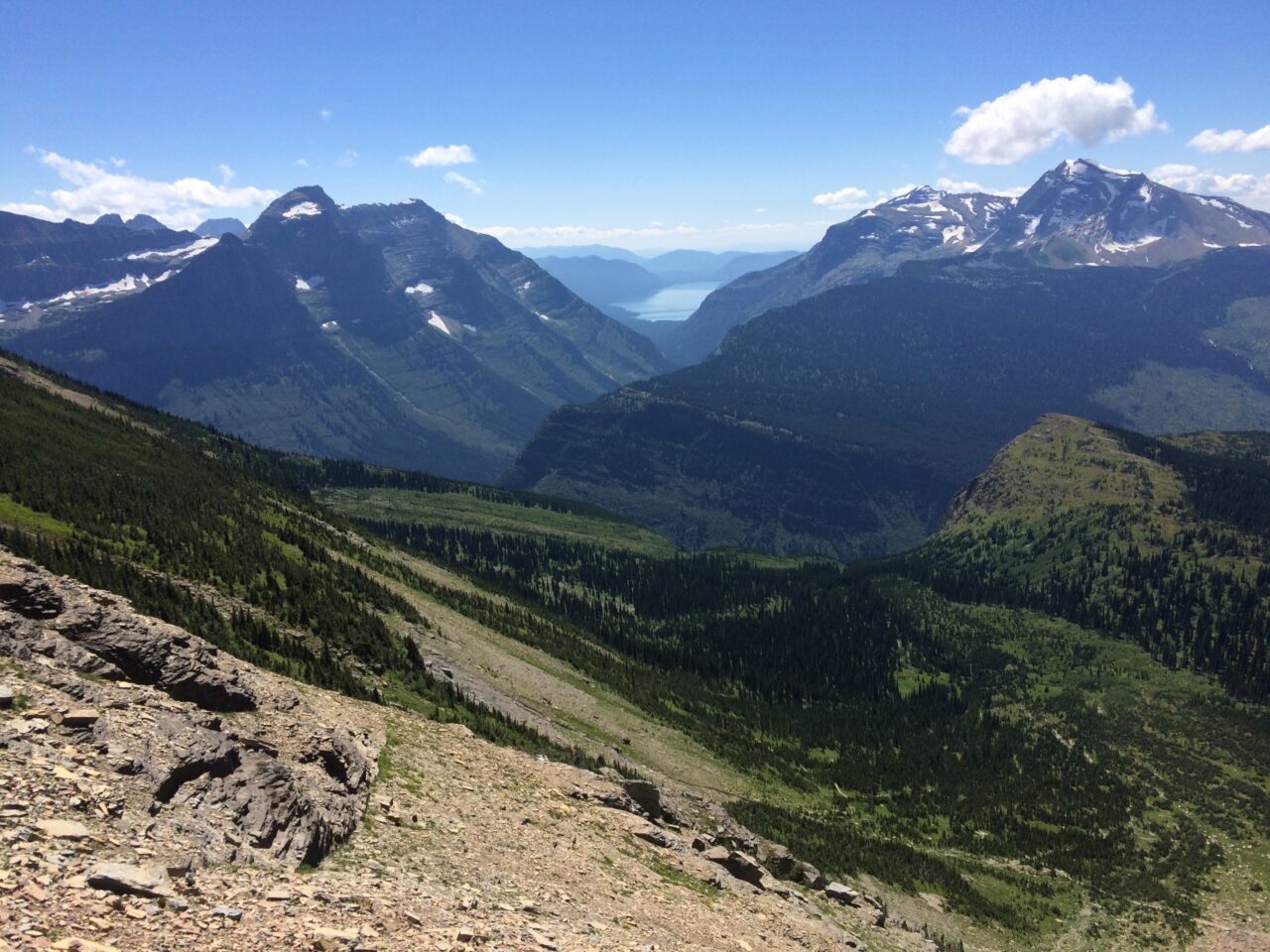
Picnicking in Glacier National Park is an unforgettable experience, combining breathtaking scenery with delicious food and great company. This stunning wilderness is perfect for families, road-trippers, photographers, and those seeking a relaxing lunch amid nature. Expect picturesque settings ranging from serene lakeshores to forested groves and scenic overlooks, allowing for both lively gatherings and intimate moments in the great outdoors.
Get more Glacier travel tips & news here.
Where is Glacier National Park?
Located in the northern Rocky Mountains of Montana, Glacier National Park is a vast expanse of rugged terrain, pristine lakes, and diverse wildlife. The park is bordered by the Canadian province of British Columbia to the north, and its closest gateway towns include West Glacier and St. Mary. These towns provide essential services and access points for park visitors. Picnic-friendly locations within or near the park feature lakesides, forest edges, and open greenspaces, making them ideal spots to relax and enjoy a meal surrounded by stunning landscapes.
Best time to picnic in Glacier National Park
The best time to picnic in Glacier National Park is during the summer months, typically from late June to mid-September when the weather is warm and the majority of park facilities are open. Daytime temperatures can range from mild to warm, but it’s wise to prepare for cooler evenings and sudden weather changes, especially in the shoulder seasons of late spring and early fall. Crowds can be significant during peak summer weeks, and bugs may be a nuisance, so consider visiting early in the morning or late afternoon for a quieter experience. Always check for seasonal closures and limited services that may affect your visit.
Best picnic areas in Glacier National Park
- Lakeside Day-Use Area: Enjoy a meal right by the water at this scenic lakeside spot, perfect for families and friends looking to unwind. The calm reflections of the mountains on the lake create a beautiful backdrop for your picnic. Amenities to look for may include tables and trash receptacles, commonly found in developed areas—verify on-site.
- Scenic Overlook Tables: For those who appreciate breathtaking views, these overlook tables offer stunning panoramas of the park’s dramatic landscapes. Enjoy your lunch while absorbing the expansive vistas of valleys and peaks. Amenities to look for often include picnic tables and waste disposal options—confirm on-site.
- Riverside Access Point: This tranquil riverside spot is ideal for a peaceful meal surrounded by the sounds of flowing water and chirping birds. It’s a great pick for those who enjoy a more secluded atmosphere. Amenities may include benches and easy access to the riverbank—verify on-site.
- Campground Day-Use Loop: Located within the campground, this area provides a friendly environment for groups and families. The atmosphere is lively, making it perfect for social gatherings. Amenities to look for may include picnic tables and restroom facilities, commonly found in developed areas—check on-site.
- Historic Lawn/Green: Dotted with historical markers, this green space offers a lovely setting to relax and enjoy your meal. The area’s rich history adds an educational aspect to your picnic. Amenities to look for often include seating areas and pathways—confirm on-site.
- Shaded Grove Near Visitor Center: For a quieter spot, seek out a shaded grove near the visitor center, where you can enjoy nature while staying close to essential services. This area is great for cooling off during hotter days. Amenities may include picnic tables and educational displays—verify on-site.
- Scenic Picnic Loop: This loop offers several pull-off areas with picnic spots that provide stunning views of the surrounding landscape. It’s perfect for road-trippers looking to stretch their legs and enjoy a meal. Amenities to look for may include trash bins and picnic tables—check on-site.
- Forested Picnic Area: A hidden gem, this area is enveloped by towering trees, offering a peaceful and shaded environment. It’s an excellent choice for those looking to escape the heat and enjoy a serene lunch. Amenities may include benches and waste disposal—verify on-site.
- Alpine Picnic Spot: For those seeking higher elevations, this alpine area provides an incredible atmosphere with sweeping views. Perfect for adventurous picnickers, the cooler air makes it a refreshing spot for lunch. Amenities to look for often include designated picnic areas and trash receptacles—check on-site.
- Quiet Meadow Area: If you’re looking for a peaceful retreat, this quiet meadow surrounded by wildflowers is an ideal picnic setting. It offers a more intimate vibe, perfect for couples or small groups. Amenities may include informal seating options—verify on-site.
What to bring
When planning your picnic in Glacier National Park, consider packing the following essentials to enhance your experience: a reusable trash bag for cleaning up, sanitizing wipes for hygiene, a blanket for comfort, a small cutting board for food prep, and an insulated bag to keep perishables fresh. Don’t forget a good supply of water, layers for changing weather, bug protection, and a plan for windy conditions. Always leave valuables out of sight while you enjoy your meal.
Dogs and pet etiquette
Bringing your dog to Glacier National Park requires awareness of regulations and etiquette. Most areas require pets to be on a leash, and many trails and buildings restrict access for animals. Always pack plenty of water for your pet and waste bags to ensure a clean environment. Avoid close interactions with wildlife, and remember to verify current pet rules on the official site before your visit.
Restrooms and water
While developed areas in Glacier National Park often have restrooms and water stations, these amenities can be seasonal. It’s a good idea to fill up on water and take advantage of restroom facilities in nearby gateway towns or visitor hubs before heading to your picnic spot. Always bring extra water to stay hydrated while enjoying the outdoors.
Grills and fire rules
When planning to cook at your picnic, be aware that only designated grills should be used when allowed. Open flames are generally not permitted in many areas of the park due to fire restrictions, which can change quickly based on conditions. Always check the official site for current guidelines and regulations regarding fires before your visit.
Leave no trace
Practicing Leave No Trace principles is essential when picnicking in Glacier National Park. Always pack out all trash, secure food to avoid attracting wildlife, and refrain from feeding animals. Keep noise levels down, stick to durable surfaces, and aim to leave your picnic spot cleaner than you found it. These practices help preserve the natural beauty of the park for future visitors.
Local market stops
For a delightful picnic experience, consider exploring local markets in nearby gateway towns. Look for fresh produce, artisanal sandwiches, and baked goods to create a delicious spread. Bakeries and delis often offer easy grab-and-go options that minimize mess and maximize enjoyment. Shopping locally not only supports the community but also enhances your picnic with regional flavors.
Fees and permits
Be aware that entry fees, day-use fees, or parking permits may apply when visiting Glacier National Park. Always check the official park/site for current details to ensure you are prepared for your visit.
As you prepare for your picnic adventure in Glacier National Park, remember to verify all rules, aim to arrive early for the best spots, bring a trash bag to maintain cleanliness, and have a backup picnic location in mind just in case. Enjoy the stunning scenery and the company of your friends and family!
Where to stay
When planning a visit to Glacier National Park, there are various lodging categories to consider that can suit different preferences and budgets. From rustic cabins that offer a touch of nature to more comfortable hotels, visitors have a range of options available. Many accommodations are located near park entrances, making it easy to access your favorite picnic spots and hiking trails.
For those looking to immerse themselves in the natural beauty of the park, camping can be a fantastic choice. Campgrounds provide a unique experience, allowing guests to sleep under the stars while enjoying the sounds of nature. There are also vacation rentals available that offer a home-like atmosphere, perfect for families or groups wanting more space and amenities. For a more luxurious stay, consider lodges that combine comfort with stunning views.
- Hotels
- Motels
- Cabins
- Campgrounds
- Vacation rentals
- Lodges
- Hostels
For more options and planning resources, visit this helpful site.
Dining options
Dining in and around Glacier National Park presents a variety of choices, ranging from casual eateries to more upscale dining experiences. Many visitors opt for picnic-style meals, allowing for flexibility and the joy of eating in the great outdoors. Look for local markets and shops where you can find fresh ingredients, ready-to-eat meals, or snacks to enhance your picnic experience. Seasonal variations may affect hours of operation, so it’s wise to check in advance and consider making reservations during peak times.
When planning your meals, keep dietary needs in mind. Many eateries may offer vegetarian, gluten-free, and other options, but availability can vary. It’s also a good idea to inquire about daily specials or popular menu items. For more tips on dining options and local experiences, consider following National Park Adventurers for updates and recommendations.
Travel tips and safety
Safety should be a top priority while enjoying the natural beauty of Glacier National Park. Weather conditions can change rapidly, and being prepared is essential. Always check the forecast before heading out, and make sure your plans account for potential changes in temperature or weather events. Additionally, familiarize yourself with park regulations regarding wildlife encounters and trail safety.
- Dress in layers to accommodate changing temperatures.
- Stay hydrated, especially during warmer months.
- Check trail conditions before hiking; some may be closed due to weather or maintenance.
- Be cautious of wildlife, maintaining a safe distance.
- Familiarize yourself with park maps and emergency contact information.
- Use insect repellent to manage bugs, particularly in warmer months.
- Carry a first-aid kit for minor injuries.
- Be aware of your surroundings and avoid distractions, especially near water or steep drops.
Packing list and what to bring
Essentials
- Reusable trash bags
- Sanitizing wipes
- First-aid kit
- Map or GPS device
- Water bottles or hydration packs
Clothing
- Lightweight, moisture-wicking layers
- Comfortable hiking shoes
- Hat and sunglasses
- Rain jacket or windbreaker
- Warm layers for cooler evenings
Food & water
- Non-perishable snacks (nuts, granola bars)
- Lunch items (sandwiches, salads)
- Fresh fruits and vegetables
- Coolers for perishables
- Plenty of water (aim for at least 2 liters per person)
Optional / nice-to-have
- Portable grill or stove
- Camping chairs or lightweight blankets
- Binoculars for wildlife viewing
- Camera for capturing memories
- Outdoor games or books
Wildlife and nature highlights
Glacier National Park is home to a diverse array of wildlife, including grizzly bears, mountain goats, elk, and various bird species. Visitors may have the opportunity to spot these magnificent creatures while picnicking or hiking. However, it is vital to remember that wildlife encounters can be unpredictable; observing animals from a safe distance is crucial. Always adhere to park regulations regarding wildlife and maintain a respectful distance—using binoculars or a camera with a zoom lens can enhance your viewing experience without intruding on their habitat.
The park’s ecosystems also boast a wealth of plant life, including wildflowers and ancient trees. Depending on the season, visitors may witness vibrant blooms in the spring and summer or the colorful foliage of autumn. Always practice Leave No Trace principles by staying on marked trails, avoiding trampling plants, and packing out all trash to protect these natural wonders for future visitors.
Keep in mind that wildlife sightings are never guaranteed and can vary significantly with the seasons. Early mornings and evenings are often the best times for viewing wildlife, as many animals are more active during these cooler parts of the day.
Accessibility information
When planning a visit to Glacier National Park, it’s important to consider accessibility options available within the park. Many trails and picnic areas have been designed with accessibility in mind, featuring paved paths or compacted surfaces that facilitate easier navigation for those with mobility challenges. However, it’s essential to note that not all areas are fully accessible, and distances to certain picnic spots may vary.
Restroom facilities near picnic areas are typically equipped to accommodate visitors with disabilities, but availability can vary by location and season. Parking areas may also have designated spots for accessible parking, though crowding can impact accessibility during peak times. For those with audio or visual considerations, be sure to check with visitor centers for available resources and assistance.
For the most accurate and up-to-date information regarding accessibility, it’s best to consult the official park pages or contact visitor centers directly before your visit.
FAQs
Can I bring my pet to Glacier National Park?
Pets are allowed in certain areas of the park but are generally restricted from trails and many buildings. Always check the current pet regulations before your visit.
What is the best time to visit for fewer crowds?
Visiting during weekday mornings or late afternoons in June or September can help avoid large crowds while still enjoying pleasant weather.
Are there restrooms available at picnic areas?
Many picnic areas have restroom facilities, but availability can vary by season. Always check in advance to see what services are available.
What should I do if I encounter wildlife?
Maintain a safe distance, stay calm, and do not approach or feed the animals. If necessary, back away slowly and quietly.
Is cell service available in the park?
Cell service can be spotty in Glacier National Park, especially in more remote areas. It’s wise to have a physical map or download maps before arrival.
How long should I plan for a picnic outing?
Plan for at least 2-4 hours, depending on the picnic spot and activities you wish to pursue, such as hiking or exploring nearby attractions.
What should I do if the weather turns bad?
Always have a backup plan. Check forecasts regularly and be prepared to seek shelter or change your plans if conditions worsen.
Additional resources
For those planning a visit to Glacier National Park, there are numerous resources available to help enhance your experience:
- Official site and trip planner pages
- Alerts / closures / conditions
- Weather forecast
- Road conditions
- Permits and reservations info
- Visitor center hours and contacts
- Maps and accessibility info
- Leave No Trace guidance
Follow us on social media for more.