

Best Picnic Areas in Olympic National Park
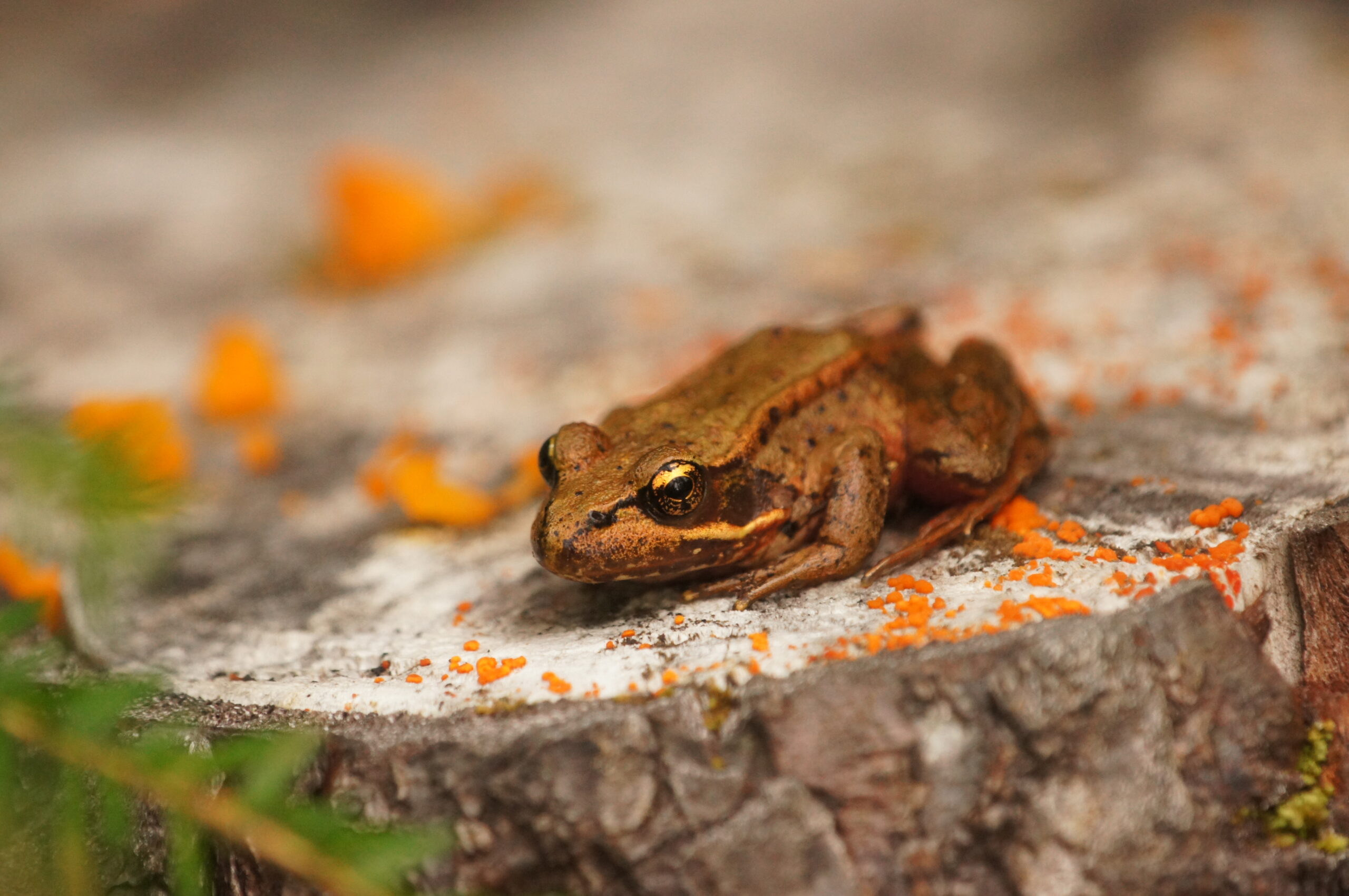
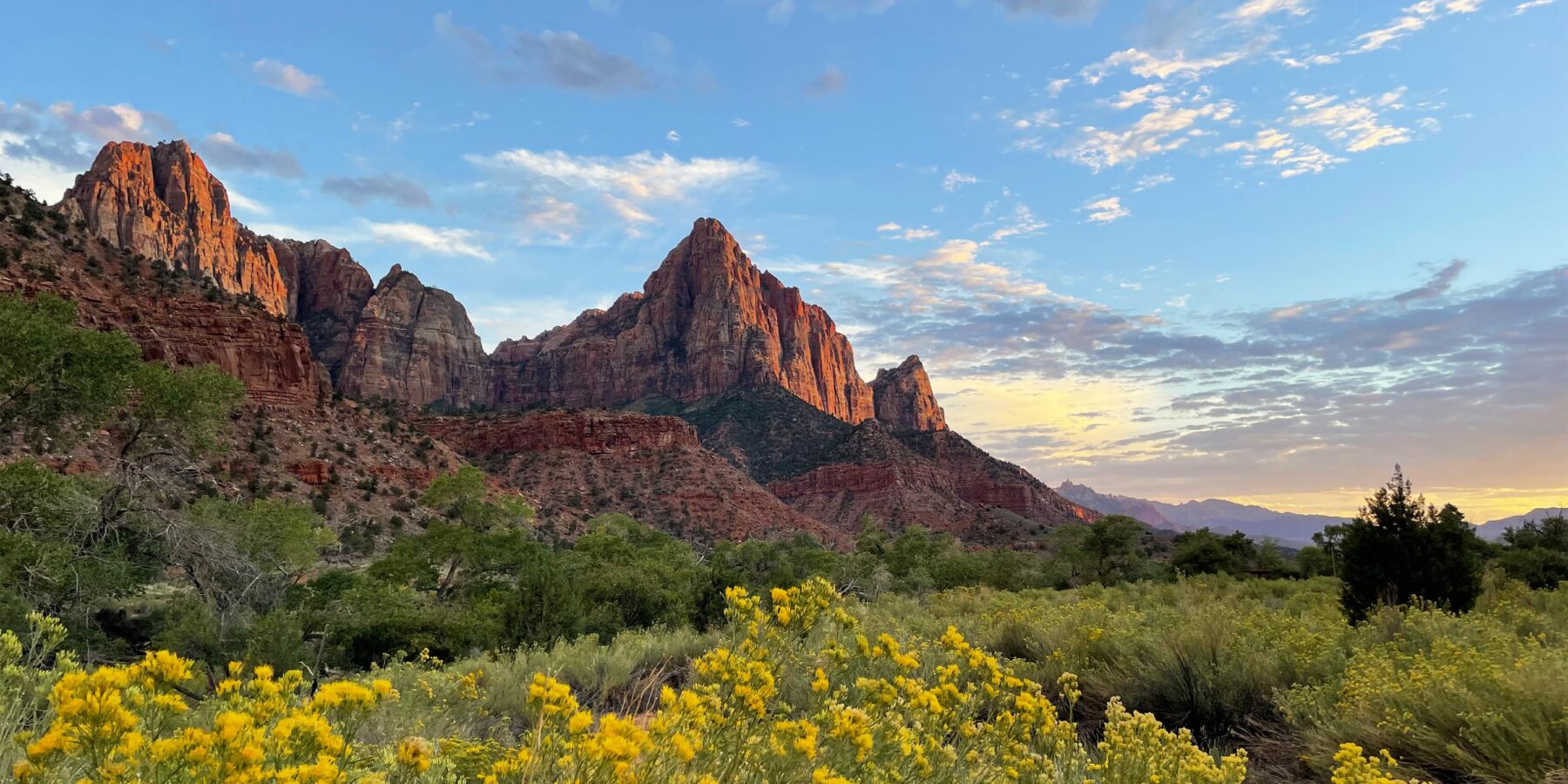
Picnicking in Olympic National Park combines stunning natural beauty with a variety of settings that cater to families, road-trippers, and those looking for a peaceful lunch amid breathtaking scenery. From lakeshores and forest edges to scenic overlooks and vibrant meadows, this national park provides a backdrop that enhances any meal outdoors. Whether you’re enjoying a quick bite between hikes or settling in for a leisurely afternoon with friends, the diverse environments here invite you to relax and reconnect with nature.
Get more Olympic travel tips & news here.
Getting oriented in Olympic National Park
Located in the Pacific Northwest of the United States, Olympic National Park spans over 900,000 acres of diverse ecosystems, from rugged coastlines and lush rainforests to majestic mountain ranges. The nearest gateway towns, such as Port Angeles and Forks, are excellent starting points for your adventure. The park is known for its picnic-friendly areas, including lakeshores, forest edges, and picturesque meadows, where visitors can enjoy a meal surrounded by the beauty of nature.
Best time to picnic in Olympic National Park
For the best picnic experience, consider visiting during the late spring through early fall. The weather is generally mild, with clear skies and comfortable temperatures, making it enjoyable to dine outdoors. However, keep in mind that summer can attract larger crowds, especially in popular areas. Spring and early fall may present a quieter atmosphere but can also bring unpredictable weather, including rain and cooler temperatures. Regardless of the season, always check the forecast and be prepared for changing conditions.
Best picnic areas in Olympic National Park
- Lakeside Picnic Area – Enjoy stunning views of the serene waters while having a meal by the lake. This area is ideal for families looking to relax and possibly engage in activities like fishing or kayaking nearby. Amenities to look for: often includes picnic tables and trash disposal.
- Forest Edge Retreat – Tucked away at the edge of a thick forest, this spot offers a quiet escape from the busier park areas. It’s perfect for those seeking solitude or a peaceful lunch break among towering trees. Amenities to look for: may have seating arrangements or benches—verify on-site.
- Mountain Overlook – For breathtaking vistas, this scenic overlook area provides a perfect backdrop for a picnic. Bring your camera as you enjoy your meal with views of the surrounding peaks. Amenities to look for: often includes designated picnic spots and trails leading to viewpoints.
- Historic Lawn Area – This area combines history with a perfect picnic setting. Surrounded by vintage architecture and lush grounds, it’s great for a leisurely afternoon, especially for those interested in the park’s heritage. Amenities to look for: commonly found in developed areas—verify on-site.
- Riverbank Access Point – Perfect for those who enjoy the soothing sound of flowing water, this riverside spot is ideal for a laid-back picnic. It allows for fishing and birdwatching while you dine. Amenities to look for: may include benches and nearby trails—check on-site for specifics.
- Meadow Picnic Space – This vibrant, open meadow is perfect for families with children. The expansive grass areas allow for games and exploration while enjoying the beauty of wildflowers. Amenities to look for: often includes space for blanket setups and waste disposal.
- Visitor Center Green – Located near the visitor center, this area provides easy access to information and amenities. It’s great for a quick rest before or after exploring the park. Amenities to look for: generally includes basic facilities and seating.
- Quieter Grove – For those seeking a secluded picnic experience, this shaded grove is less frequented by tourists. It’s ideal for a quiet meal surrounded by nature. Amenities to look for: may have seating options—verify on-site.
- Campground Day-Use Loop – Many campgrounds feature picnic areas designed for day-use visitors. This is an excellent option for those looking to enjoy a meal away from the hustle and bustle of more popular spots. Amenities to look for: often includes tables and rest areas.
- Scenic Turnout – Perfect for a quick picnic with stunning views, this spot is ideal for road-trippers who want to take a break and enjoy the scenery. Amenities to look for: commonly found in developed areas—verify on-site.
What to bring
When planning your picnic, consider packing the following essentials to ensure a smooth experience: a reusable trash bag for waste, wipes for cleaning up, a blanket for sitting, a small cutting board for food prep, an insulated bag for keeping items fresh, plenty of water to stay hydrated, layers for changing weather, bug protection, and a plan in case of wind or rain. Remember to leave valuables out of sight while you enjoy your meal outdoors.
Bringing a dog
If you’re considering bringing your furry friend along, it’s essential to be aware of general pet expectations in Olympic National Park. Leash rules are common in most areas, and some locations may restrict pets on trails or within buildings. Always pack enough water and waste bags for your dog, avoid interactions with wildlife, and verify current pet regulations on the official site before your visit.
Facilities to expect
In developed areas of Olympic National Park, you can often find restrooms and water sources, but availability can vary by season. It’s wise to fill up on water in nearby gateway towns or visitor centers before heading out for your picnic, and always bring extra water to ensure you stay hydrated during your outdoor meal.
Grills and fire rules
When it comes to cooking, it’s crucial to use designated grills if provided and allowed. Open flames are typically not permitted in most picnic areas, and fire restrictions can change rapidly. Always check the official site for current regulations regarding grilling and campfires to ensure a safe and enjoyable experience.
Leave no trace
Practicing Leave No Trace principles is vital to preserving the beauty of Olympic National Park. Be sure to pack out all trash, secure food to prevent wildlife interactions, keep noise levels down to respect the natural environment, stay on durable surfaces to minimize impact, and leave the spot cleaner than you found it. These actions help maintain the park’s integrity for future visitors.
Grab-and-go food
For a hassle-free picnic, consider easy food options like sandwiches, fresh fruit, trail mix, or pre-packaged salads. To shop locally, explore markets, delis, or bakeries in the nearby gateway towns where you can find fresh, delicious items to take on your adventure. These local stops often offer a variety of choices that are perfect for an outdoor meal.
Fees and permits
Entry fees, day-use fees, and parking permits may apply when visiting Olympic National Park. Make sure to plan ahead and check the official park/site for current details regarding any fees or permits necessary for your trip.
As you prepare for your picnic in Olympic National Park, be sure to verify all rules, arrive early to secure your spot, bring a trash bag for waste, and have a backup location in mind just in case. Enjoy your meal amidst the stunning landscapes that this national park has to offer!
Where to stay
When planning a visit to Olympic National Park, choosing the right lodging can enhance your overall experience. The park offers a variety of accommodation options to suit different preferences and budgets. Visitors can find everything from rustic campgrounds nestled among towering trees to cozy cabins that provide a more comfortable stay. Additionally, there are motels and hotels located in nearby towns, offering easy access to the park’s entrance and amenities.
Consider the following lodging styles for your stay in the region:
- Hotels
- Motels
- Cabins
- Campgrounds
- Vacation rentals
- Hostels
- Backcountry campsites
For more planning resources, check out https://nationalparkgetaways.com/category/olympic/.
Dining options
Dining in and around Olympic National Park varies widely, offering everything from casual eateries to more refined dining experiences. Many visitors opt for a grab-and-go strategy, picking up quick meals or snacks to enjoy during their adventures. However, for those looking to savor local flavors, exploring the restaurants in nearby towns can be rewarding. Keep in mind that seasonal hours may affect availability, and making reservations during peak times is often advisable.
When planning your meals, consider your dietary needs and look for restaurants that can accommodate them. Many establishments offer vegetarian, vegan, and gluten-free options. For more tips on dining and local cuisine, follow along at https://www.facebook.com/NationalParkAdventurers/.
Travel tips and safety
Traveling in Olympic National Park requires some preparation to ensure a safe and enjoyable experience. Weather conditions can vary significantly, even within a single day, so it’s wise to stay updated on forecasts and pack appropriately. Additionally, being aware of potential hazards, such as wildlife encounters or changing trail conditions, is crucial for a safe visit.
- Check trail conditions before heading out, as some paths may be closed or require special gear.
- Be prepared for sudden weather changes by packing layers and waterproof gear.
- Stay on marked trails to protect both the environment and yourself from unexpected hazards.
- Make noise if hiking in bear country to avoid surprising wildlife.
- Bring plenty of water, especially on warm days, to prevent dehydration.
- Follow guidelines for food storage to minimize wildlife encounters.
- Understand the symptoms of altitude sickness if venturing into higher elevations.
- Be mindful of your surroundings and avoid distractions when near cliffs or water bodies.
Packing list and what to bring
Essentials
- Reusable trash bags
- First aid kit
- Map or GPS device
- Flashlight or headlamp
- Multi-tool or knife
Clothing
- Weather-appropriate layers (base, insulation, and outer layer)
- Comfortable hiking shoes or boots
- Sun hat or beanie
- Sunglasses
- Rain gear
Food & water
- Non-perishable snacks (nuts, granola bars, etc.)
- Sandwiches or wraps
- Fresh fruit
- Plenty of water (consider a filtration system if hiking)
Optional / nice-to-have
- Portable chairs or lightweight picnic blanket
- Camera or binoculars for wildlife watching
- Games or outdoor activities (frisbee, cards)
- Small cooler for perishables
- Journal for note-taking or sketching
Wildlife and nature highlights
Olympic National Park is home to an array of wildlife, offering visitors opportunities to observe various species in their natural habitats. From the majestic elk roaming the meadows to the playful river otters near the water’s edge, the park’s diverse ecosystems support a rich variety of flora and fauna. Birdwatchers will enjoy spotting numerous bird species, including eagles and owls, particularly in the early morning or late afternoon.
While wildlife sightings can be a highlight of your visit, it’s essential to observe animals from a safe distance. Feeding wildlife is strictly prohibited and can harm both the animals and visitors. Additionally, remember to follow Leave No Trace principles by minimizing your impact on natural habitats and keeping trails clear of food waste. Seasonal variations affect wildlife activity, so be patient and respectful during your encounters.
Accessibility information
Accessibility in Olympic National Park varies across different areas, and planning ahead can ensure a more comfortable visit. Many picnic areas and trails offer accessible surfaces, but the terrain can be uneven in some locations. It’s advisable to check the specific details for each area you plan to visit, as distances and grades also differ. Restrooms are available in developed areas, but not all sites have accessible options, so it’s important to plan accordingly.
If you have specific accessibility needs, consider calling visitor centers for the most current information regarding facilities and services. The park’s official accessibility pages provide helpful guidance on which areas are best suited for visitors requiring additional support.
FAQs
What is the best strategy for parking in busy areas?
Arrive early to secure your parking spot, especially during weekends and peak seasons. If the parking lot is full, consider visiting less popular picnic areas or returning at a different time.
How much time should I plan for a picnic?
Plan for at least 2-3 hours for a leisurely picnic, allowing time for setup, eating, and enjoying the area. Longer stays may be ideal if you’re combining your picnic with hiking or exploring nearby attractions.
Are pets allowed in picnic areas?
While some picnic areas allow pets, many trails and specific locations within the park have restrictions. Always check current pet regulations before your visit.
Is cell service available throughout the park?
Cell service is spotty and varies by location within the park. Be prepared for limited connectivity, especially in remote areas.
What should I do if the weather turns bad during my outing?
If the weather changes unexpectedly, seek shelter in nearby facilities or your vehicle. Always have a backup plan and be ready to adapt your plans based on the conditions.
Where can I find restrooms and water sources?
Restrooms and water sources are generally available in developed areas and near visitor centers, but availability can vary. It’s wise to fill up on water before heading out for your picnic.
What safety precautions should I take while hiking?
Always stay on marked trails, watch for changing weather conditions, and carry a map or GPS device. Inform someone of your plans and expected return time, especially if hiking alone.
Additional resources
When planning your visit to Olympic National Park, having access to the right resources can enhance your experience. Here are some useful resource types to consider:
- Official site and trip planner pages
- Alerts / closures / conditions
- Weather forecast
- Road conditions
- Permits and reservations info
- Visitor center hours and contacts
- Maps and accessibility info
- Leave No Trace guidance
Follow us on social media for more.