





What to Pack for Indiana Dunes National Park: A Complete Checklist
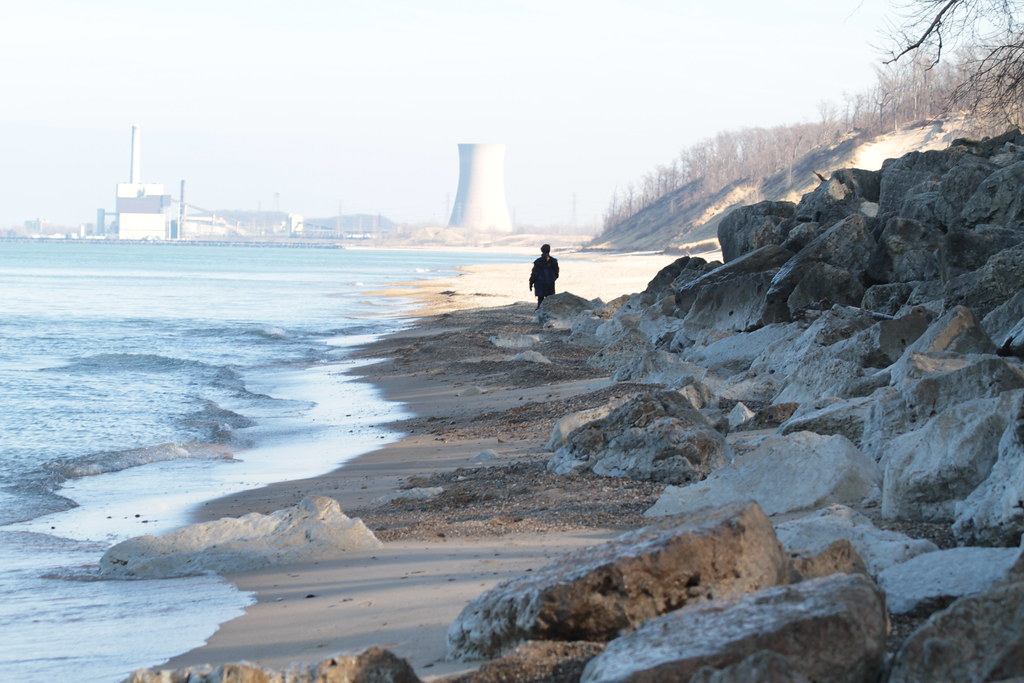
Photo: Fisherga via Flickr (CC BY 2.0)
Our What Pack Indiana Dunes field checklist starts at West Beach just after sunrise, when cool sand shifts underfoot, cottonwood leaves rattle behind the foredunes, and Lake Michigan looks calm despite a steady onshore wind. Climb the Dune Succession Trail stairs and the temperature changes as you move from exposed beach into sheltered oak forest. That short transition captures the central packing challenge: water, sand, sun, wind, wetlands, and wooded trails can all be part of one outing.
Indiana Dunes National Park protects roughly 15 miles of Lake Michigan shoreline between Gary and Michigan City. Its units are interspersed with communities, roads, industrial areas, and Indiana Dunes State Park, so a visit often involves driving between trailheads rather than entering through one central gate. Our checklist accounts for beach days, dune hikes, birding, changing lake weather, and the practical realities of moving among separate park areas.
What to Pack for Indiana Dunes National Park: A Complete Checklist Starts with the Setting
The national park contains beaches, open dunes, oak savannas, marshes, prairies, and forested wetlands within a relatively compact landscape. These habitats create sharp changes in exposure. A lakeshore parking area can feel chilly and windy while an inland trail feels hot, humid, and still. Pack so that you can add or remove a light layer rather than relying on the temperature forecast for a nearby city.
Plan for Sand, Stairs, and Uneven Ground
Distances alone can understate the effort. The Dune Succession Trail at West Beach is about 0.9 mile, but its long stair sections and loose sand demand more work than a level paved walk. The Cowles Bog Trail is approximately 4.7 miles and crosses wetlands, forest, dune ridges, and loose beach sand. Shoes should have secure heel retention, enough tread for damp roots, and a mesh or gaiter arrangement that limits sand entry.
Why Elevation Still Matters
The park lacks mountain elevations, yet its dune relief affects effort and exposure. Mount Baldy rises approximately 126 feet above Lake Michigan, and other stabilized dunes produce repeated short climbs. Dune sand slides backward under each step, increasing calf strain and slowing the pace. Access around Mount Baldy can be restricted because the dune migrates and has hazardous internal voids, so follow posted boundaries rather than treating every visible slope as an open route.
Understand the Two Park Systems
Indiana Dunes National Park and Indiana Dunes State Park are separate jurisdictions with different entrances, rules, passes, and facilities. The state park contains the popular Three Dune Challenge, while national park destinations include West Beach, Miller Woods, Cowles Bog, Mount Baldy, and the Bailly Homestead area. Save offline maps for both systems if your itinerary crosses between them. Current fees, access restrictions, operating hours, and seasonal services should be confirmed on the official park and state park sites before departure.
Build Your Core What to Pack for Indiana Dunes Kit
Every visitor should carry a compact foundation kit, even when the plan involves a short beach stop. Parking availability, heat, insects, and sudden weather can turn a casual outing into several hours outdoors. Keep the essentials in a daypack rather than leaving them in the vehicle, particularly when walking from West Beach facilities toward the lake or following a longer loop through Miller Woods.
What to Pack for Indiana Dunes: Clothing and Footwear
- Secure walking shoes: Choose trail shoes or lightweight hiking shoes for dune routes, boardwalks, roots, and stairs.
- Beach footwear: Pack sandals or water shoes separately. Hot sand and hidden debris make bare feet uncomfortable away from the waterline.
- Moisture managing socks: Bring a spare pair because wet sand causes friction and blisters.
- Light insulating layer: A fleece or synthetic top helps when wind comes off Lake Michigan.
- Wind and rain shell: Use a breathable shell that packs small enough to remain in the daypack.
- Sun coverage: Include a brimmed hat, sunglasses, and a lightweight long sleeve shirt.
- Swim clothing and dry change: Store dry garments in a sealed bag so spray, rain, or wet towels cannot reach them.
Avoid flip flops on dune trails. They offer little control on descending sand, expose feet to roots, and can break far from the parking area. If swimming is part of the day, change footwear at the beach instead of attempting the entire approach in loose sandals.
Water, Food, and Sun Protection
Carry enough water from the start rather than assuming every trailhead has a working fountain. For a moderate half day, many adults require at least two liters, with more needed during humid summer conditions or a Cowles Bog hike. Add electrolyte mix or a salty snack when sustained sweating is likely. Pack food in resealable containers because windblown sand quickly reaches open wrappers and uncovered picnic food.
Broad spectrum sunscreen belongs in an accessible pocket, not at the bottom of the pack. Apply it before reaching the beach and reapply after swimming or heavy sweating according to its label. Lake breezes can disguise heat stress by cooling the skin, while reflected light from water and pale sand increases exposure. Lip balm with sun protection is useful during windy spring and autumn visits.
Match Your Indiana Dunes Packing Checklist to the Season
Lake Michigan moderates temperatures near the shoreline but also generates fast local changes. Spring can alternate between cold lake wind and warm inland sun. Summer brings humidity, strong ultraviolet exposure, thunderstorms, and busy beaches. Autumn often provides comfortable hiking conditions, while winter introduces ice, deep snow, and dangerous shelves of frozen material along the shore.
| Season | Typical conditions | Priority additions |
|---|---|---|
| Spring | Cold lake breeze, mud, rain, ticks, and migrating birds | Waterproof shell, warm layer, tick repellent, binoculars, and spare socks |
| Summer | Heat, humidity, intense sun, mosquitoes, and thunderstorms | Extra water, sunscreen, insect repellent, sun shirt, and dry bag |
| Autumn | Cool mornings, variable wind, falling leaves, and shorter daylight | Layered clothing, headlamp, warm hat, and traction focused footwear |
| Winter | Snow, ice, strong wind, and severe wind chill near the lake | Insulated layers, traction aids, gloves, face protection, and emergency blanket |
What to Pack for Indiana Dunes in Warm Weather
Summer packing should address both heat and water hazards. Carry a weatherproof phone case, a small towel, and a Coast Guard approved flotation device for children or uncertain swimmers. Lake Michigan behaves like an inland sea, with rip currents, breaking waves, and rapidly changing water conditions. Check the beach forecast before entering, remain out of the water during thunderstorms, and keep children within immediate reach.
Cold Season Equipment
Winter visitors need insulated, waterproof boots and removable traction devices for icy pavement, boardwalks, and packed trails. Dress in a moisture moving base layer, insulating middle layer, and wind resistant outer shell. Avoid walking onto shelf ice along the shoreline. It can conceal gaps, collapse without warning, or separate a person from stable ground. A headlamp is important because forested trails darken well before open beaches.
Adjust What You Carry for the Day’s Route
The park’s fragmented layout makes route selection the final packing decision. A short architectural or historical walk requires less equipment than a dune and wetland circuit, but every outing still needs navigation, water, and weather protection. Download the relevant map before leaving reliable service, then note the trail name and parking area. Similar road names and multiple beach access points can complicate an improvised return.
Beach and Dune Days
For West Beach, Porter Beach, Kemil Beach, or Central Avenue Beach, add a sand resistant blanket, shade that can be securely anchored, a wet clothing bag, and a soft brush for cleaning feet before entering the vehicle. Wind can lift lightweight umbrellas and unattended inflatables, so compact equipment should be weighted or packed away when conditions strengthen. Leave glass containers at home and carry a separate bag for every piece of rubbish.
Woodland, Prairie, and Wetland Hikes
Miller Woods, Heron Rookery, and Cowles Bog call for insect repellent, long trousers, and a tick check after the hike. The approximately 3.3 mile Heron Rookery Trail follows the Little Calumet River through rich woodland known for spring wildflowers. Rain can create mud and mosquitoes in low areas. Binoculars improve bird viewing, while a small field guide or offline identification app helps distinguish warblers, waterfowl, and prairie plants without leaving the trail.
Add Specialized Gear Only When the Plan Requires It
Extra equipment should serve a defined activity. Birding optics, camera support, children’s flotation gear, and mobility aids add weight quickly, especially on stair routes and loose sand. Decide where the day will be spent before loading the vehicle, then separate beach equipment from trail equipment in labeled bags. This prevents wet towels, sand, and insect repellent from reaching binoculars, electronics, food, or dry clothing.
Birding and Photography Equipment
Indiana Dunes lies along a major Lake Michigan migration corridor. Spring birders visiting areas such as Miller Woods and Cowles Bog should carry 8x or 10x binoculars, a lens cloth, and a waterproof notebook or offline checklist. A chest harness distributes binocular weight better than a neck strap during longer walks. Photographers should favor a monopod or compact tripod because narrow boardwalks and busy overlooks leave little room for widely spread tripod legs.
Family and Mobility Considerations
Pack according to the least mobile person in the group. Strollers with small wheels struggle in loose sand, while long staircases make wagons impractical on parts of West Beach. A child carrier may work better on dune trails, provided the adult can manage the additional load safely. Families should add identification information for children, simple snacks, a change of clothes, and a bright towel or shirt that makes the group easier to spot on a crowded beach.
| Planned outing | Useful additions | Equipment to reconsider |
|---|---|---|
| Migration birding | Binocular harness, field checklist, quiet clothing | Bulky tripod and reflective accessories |
| Family beach visit | Flotation gear, dry clothes, anchored shade | Small wheel stroller and loose inflatables |
| Dune photography | Lens cloth, rain cover, sealed battery pouch | Heavy rolling camera case |
Prepare for Weather and Trail Problems
A useful emergency kit remains small enough to stay in the daypack. Include adhesive bandages, blister treatment, gauze, personal medications, a whistle, a headlamp, and an emergency blanket. Add a paper map as backup for the downloaded version. Before leaving the vehicle, share the route and expected return time with someone outside the group, particularly for Cowles Bog or a winter outing when fewer visitors may be nearby.
Respond to Thunderstorms and Lake Hazards
Thunder can be difficult to hear over wind and breaking waves, so monitor radar and the sky rather than waiting for rain. Leave beaches, exposed dunes, and open water when thunder approaches. Return to a substantial building or hard topped vehicle instead of sheltering beneath isolated trees. If waves strengthen or warning signs indicate dangerous currents, keep swimming gear packed and choose an inland trail such as Bailly Homestead or Mnoké Prairie instead.
Manage Ticks, Poison Ivy, and Heat
Use repellent as directed and keep trouser cuffs closed when walking through vegetation near wetland and woodland margins. Poison ivy grows throughout the region, including along sandy trail edges, so remain on established paths and avoid touching unidentified vines. After hiking, inspect the scalp, waist, ankles, and backs of knees for ticks. For heat symptoms such as headache, nausea, or confusion, stop exertion, move into shade, cool the person, and seek help promptly.
Use a Final Packing System Before Departure
The best What Pack Indiana Dunes routine divides gear into three zones: items worn or carried, clean supplies left in the vehicle, and wet or sandy equipment isolated for the return trip. Keep water, navigation, medicine, and weather protection with you. Leave a dry change of clothing, spare shoes, and an additional towel in the vehicle. Place wet gear in a washable tub rather than sealing damp items with food or electronics.
Run a Trailhead Check
- Verify the exact parking area and trail name on the downloaded map.
- Check the lake forecast, radar, temperature, and sunset time.
- Move water, medication, keys, and phone into the daypack.
- Apply sunscreen and repellent before entering sand or vegetation.
- Photograph the trail map or information board for quick reference.
- Set a turnaround time that preserves daylight and drinking water.
Avoid the Most Common Packing Errors
Visitors often carry beach gear onto demanding dune routes, leave essential water in the vehicle, or wear cotton clothing that stays wet after swimming. Another mistake is placing phones and keys in open towel bags where sand can damage ports and locks. Use zipped pouches for valuables, carry fewer multipurpose items, and test loaded pack weight at home. A manageable pack improves balance on stairs, roots, and sliding dune slopes.
Pack for the Route, Then Keep the Plan Flexible
A successful Indiana Dunes kit accounts for rapid transitions between shoreline, forest, wetland, and exposed sand. Begin with secure footwear, water, sun protection, a weather layer, navigation, and basic first aid. Add swimming, birding, photography, or family equipment only when the selected route calls for it. Keeping those categories separate makes it easier to change destinations without unloading the entire vehicle.
Complete the trailhead check before every outing, even when the walk appears short. Conditions along Lake Michigan can change faster than expected, while loose sand and repeated climbs increase effort beyond what mileage suggests. With dry backup clothing in the vehicle and essential gear in the daypack, you can adjust safely when wind, waves, insects, mud, or fatigue alter the original plan.
Want to keep exploring? Browse all our Indiana Dunes guides and articles for more trip-planning tips and ideas.
Gear & Essentials
Tell us about your trip and we will add what else you will want:
The basics
Worth having in the car whatever the park.
For this trip
Traveling with kids
Bringing a pet
RVing
Backcountry
Winter conditions
On the water
Photography
Accessibility
As an Amazon Associate we earn from qualifying purchases, at no extra cost to you.