The Ultimate Congaree National Park Guide to Boardwalks, Wildlife, and Kayaking
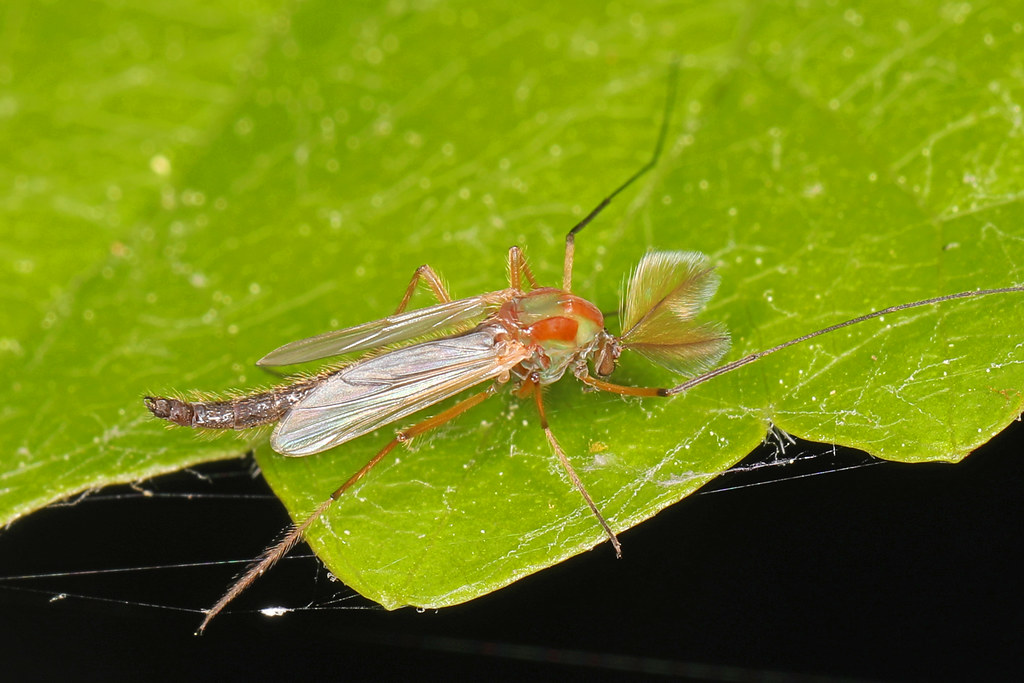
Photo: Judy Gallagher via Flickr (CC BY 2.0)
The Ultimate Congaree National Park guide begins with a landscape shaped by water: roughly 26,000 acres of floodplain forest where the Congaree and Wateree rivers nourish one of the largest remaining expanses of old growth bottomland hardwood forest in the southeastern United States. Elevated boardwalks cross cypress sloughs, barred owls call from the canopy, and a marked canoe trail follows tannin-dark Cedar Creek through the park’s interior.
Congaree lies near Hopkins, South Carolina, about 20 miles southeast of central Columbia. Most first visits begin at the Harry Hampton Visitor Center and the 2.6-mile Boardwalk Loop Trail. This guide explains how the floodplain works, where to look for wildlife, how seasons change the experience, and what paddlers should understand before entering Cedar Creek.
Understanding Congaree’s Floodplain Landscape
A forest built by sediment and seasonal flooding
Congaree occupies a broad floodplain rather than a permanently inundated swamp. Floodwater periodically spreads beyond river and creek channels, depositing nutrient-rich sediment and filling sloughs, guts, and former river bends. Differences of only a few feet in ground elevation determine which trees grow in a particular place. Bald cypress and water tupelo tolerate wetter depressions, while sweetgum, cherrybark oak, swamp chestnut oak, and towering loblolly pine occupy slightly higher ground.
This combination of fertile soil, abundant water, and a relatively long growing season supports an unusually tall forest. Congaree protects numerous state and national champion trees, a designation based on trunk circumference, height, and crown spread. Fallen trees remain part of the system, providing cavities, insect habitat, and decaying wood used by fungi, salamanders, beetles, and nesting birds.
Sloughs, oxbows, and blackwater creeks
Weston Lake is an oxbow, a curved remnant of an older river channel cut off as the Congaree River shifted across its floodplain. Smaller depressions hold water after floods and attract turtles, wading birds, frogs, and aquatic insects. Cedar Creek receives its tea color from tannins released by decomposing leaves. The dark water can hide submerged logs, but it often reflects the canopy clearly on calm mornings.
Flooding is a normal ecological process here, although it can cover trails and sections of the lower boardwalk. The park interior has few prominent landforms, and dense forest limits long sightlines. Visitors leaving the boardwalk should carry an offline map and note trail junctions carefully. Current flood conditions, trail closures, paddling guidance, entrance information, and special event requirements should be confirmed on the official park site before departure.
Boardwalk Routes for a First Visit
The 2.6-mile Boardwalk Loop
The Boardwalk Loop begins near the visitor center and combines elevated sections with a lower walkway close to the forest floor. It is the most efficient introduction to Congaree’s habitats, passing loblolly pines, cypress knees, shallow sloughs, and the edge of Weston Lake. Numbered stops correspond with park interpretive information, helping visitors distinguish an old channel from a modern creek and recognize how minor elevation changes affect tree species.
On the lower boardwalk, damp air settles between the trunks, woodpeckers hammer overhead, and frogs call from water that may be only inches deep. The planks can feel cool and slick beneath your shoes after rain. At Weston Lake, the enclosed forest suddenly opens across still water, where cypress reflections make the lake appear deeper than it is. Standing quietly here often produces better wildlife sightings than continuously walking.
Extending the walk to Weston Lake and beyond
The Weston Lake Loop Trail covers about 4.5 miles and reaches quieter forest beyond the busiest boardwalk sections. It follows portions of Cedar Creek and passes habitats used by river otters, white-tailed deer, wild pigs, barred owls, and several woodpecker species. Mud, standing water, exposed roots, and fallen limbs can make this moderate route slower than its mileage suggests.
Longer backcountry options include the Oakridge Trail, roughly 7 miles, and the Kingsnake Trail, approximately 11.7 miles. Kingsnake is particularly productive for birding because it crosses remote floodplain habitat with numerous sloughs. These trails receive less traffic and may be difficult to follow after flooding, when leaves, sediment, and woody debris obscure the tread.
Where and When to Look for Wildlife
Birds along the boardwalk, sloughs, and creek edges
Barred owls are among Congaree’s signature birds. Listen for their rhythmic calls around dawn, dusk, and overcast periods, especially near Cedar Creek and wet forest away from the visitor center. Pileated woodpeckers forage on large dead trunks throughout the park, while prothonotary warblers use cavities near water during spring and summer. Wood ducks favor sheltered sloughs, and yellow-billed cuckoos become easier to hear after foliage thickens.
Weston Lake and open creek bends offer better viewing angles for belted kingfishers, great blue herons, green herons, and occasionally anhingas. Winter removes much of the foliage, making woodpeckers, owls, and mixed flocks easier to locate. Spring brings migrant songbirds, but the dense canopy often makes identification by sound more effective than searching visually.
Mammals, reptiles, and smaller floodplain residents
River otters travel Cedar Creek and connected sloughs, leaving slides, tracks, and scat on exposed banks. White-tailed deer use higher ridges and trail corridors, particularly early and late in the day. Bobcats occur in the park but are secretive. Wild pigs are more readily detected through rooting, muddy wallows, and tracks than direct sightings. Give pigs ample space, especially when piglets are present.
American alligators can occur in Congaree, particularly in larger water bodies, but they are less conspicuous here than in many coastal South Carolina wetlands. Cottonmouths, rat snakes, water snakes, and other reptiles may rest near water or cross trails. Never step over a log without checking the far side, and avoid placing hands into cavities or dense vegetation.
Responsible wildlife viewing
- Use binoculars or a telephoto lens rather than approaching an animal for a closer image.
- Remain on the boardwalk where required and avoid trampling wetland plants or creating informal paths.
- Never feed wildlife or leave food scraps, which can change animal behavior and attract pigs or raccoons.
- Do not play owl calls or bird recordings repeatedly. Playback can disrupt feeding, nesting, and territorial behavior.
- Photograph snakes from several body lengths away and leave them an unobstructed escape route.
Seasonal Wildlife and Trail Conditions
What changes through the year
| Season | Wildlife highlights | Typical conditions | Best strategy |
|---|---|---|---|
| Winter | Woodpeckers, barred owls, waterfowl, visible deer | Cooler temperatures, fewer insects, clearer views through bare trees | Walk longer trails and scan cavities, trunks, and open sloughs |
| Spring | Migrant songbirds, prothonotary warblers, frogs, active reptiles | Frequent high water, mud, rapidly increasing mosquitoes | Visit near sunrise and listen before moving |
| Summer | Herons, anhingas, turtles, snakes, bats, insects | Heat, humidity, thunderstorms, heavy insect activity | Start early, carry ample water, and choose shaded routes |
| Autumn | Migrating birds, deer, woodpeckers, active otters | Gradually cooler weather and variable water levels | Combine the boardwalk with Weston Lake or Cedar Creek |
Fireflies and the daily rhythm of the forest
Congaree’s synchronous fireflies usually display for a short period in late spring, commonly around late May or early June. Males produce coordinated flashes above the forest floor while females respond from vegetation below. Access during the peak display may be managed through a limited reservation or lottery system because crowding and artificial light can disrupt both the insects and the viewing experience.
Outside firefly season, dawn is generally best for birds, deer, and otters. Reptiles become more visible as temperatures rise, often basking beside water during mild mornings. Near dusk, barred owls begin calling and bats feed over openings. Summer midday is usually the least productive period for mammals because heat suppresses activity, although shaded sloughs can still hold turtles and wading birds.
Planning a Cedar Creek Paddle
The marked canoe trail through the floodplain
The Cedar Creek Canoe Trail follows approximately 15 miles of creek between the Bannister Bridge area and the Congaree River. Paddlers move through tight bends, cypress stands, slough connections, and low forest corridors where wildlife can be observed without foot traffic. The route has little gradient and no conventional whitewater, but navigation and obstructions make it more technical than its calm surface suggests.
Water level determines the character of the trip. Low water exposes logs, shallow bars, and narrow passages that may require lifting or dragging a boat. High water opens routes through the forest but can create stronger current, hidden obstacles, and confusing junctions. Beginners often choose a shorter out-and-back paddle from an established access point rather than attempting the complete canoe trail.
Equipment and habits that make paddling safer
A stable canoe or recreational kayak works well on Cedar Creek, provided the paddler can maneuver around tight bends and strainers. Every person should wear a properly fitted personal flotation device. A waterproof map, whistle, drinking water, insect repellent, sun protection, and a dry bag for electronics belong in the boat even on a short trip.
Stay well clear of fallen trees where current passes through branches. These strainers can pin a boat or paddler despite modest water speed. Avoid grabbing vegetation for balance because snakes, spiders, and stinging insects may be concealed overhead. Tell someone the intended access points and return time, since mobile coverage can be unreliable beneath the floodplain canopy.
Reading the Forest by Habitat
Natural levees and higher ridges
Floodwater deposits heavier sediment beside channels, gradually building low natural levees. These slightly raised strips support mature oaks, sweetgum, American holly, and loblolly pine. White-tailed deer often follow them because footing is firmer, while wild turkeys scratch through relatively dry leaf litter. Look for these conditions along portions of the Weston Lake Loop and Oakridge Trail, especially where standing water gives way to open ground beneath large hardwoods.
Slough margins and fallen timber
Shallow sloughs concentrate frogs, fish, crayfish, and aquatic insects, which in turn attract green herons, barred owls, water snakes, and raccoons. Scan horizontal logs for basking turtles and watch shaded banks for otter tracks with five toes and a broad heel pad. Pileated woodpeckers leave large rectangular feeding excavations in dead trees, while smaller downy and red-bellied woodpeckers work narrower limbs and loose bark.
| Habitat | Where to find it | Likely wildlife | Useful field sign |
|---|---|---|---|
| Oxbow lake | Weston Lake | Herons, turtles, kingfishers, alligators | Ripples, exposed basking logs, fish activity |
| Blackwater creek | Cedar Creek | Otters, wood ducks, prothonotary warblers | Bank slides, cavity trees, tracks on mud |
| Higher floodplain ridge | Oakridge and Weston Lake trails | Deer, turkeys, bobcats, woodpeckers | Hoofprints, scratching, excavated deadwood |
| Shallow slough | Boardwalk and Kingsnake Trail corridors | Frogs, snakes, raccoons, barred owls | Egg masses, calls, tracks, shed skins |
Building a Productive Wildlife Day
Match your route to the hour
Begin near the visitor center before the forest becomes busy, then move slowly through the boardwalk’s wetter sections while barred owls and songbirds remain vocal. Pause at each slough instead of treating the walkway as a continuous hike. By late morning, scan sunny logs and open banks for reptiles. Save Weston Lake for a long observation stop, when changing light makes surface movement easier to detect.
Visitors with a full day can rest during the hottest afternoon hours and return toward evening. Deer become more active along higher trail corridors, while bats begin feeding above openings and creek bends. A compact field plan keeps the pace deliberate:
- Spend the first hour listening for birds before dense daytime noise develops.
- Check muddy margins for tracks while angled morning light reveals impressions.
- Use midday for trees, fungi, insects, and basking reptiles.
- Return to water near dusk, leaving enough daylight to reach the trailhead safely.
Photography in a dark, enclosed forest
Congaree’s canopy produces low light and strong contrast, particularly when sunlight reaches reflective water through small openings. A telephoto lens in the 300 to 500 millimeter range helps isolate birds without approaching nests or cavity trees. Raise the camera’s ISO rather than using flash on owls, bats, or fireflies. For creek reflections and champion trees, a wider lens and image stabilization are often more useful than additional reach.
Keep equipment contained on narrow boardwalk sections so other visitors can pass. Tripod legs should never block the walkway or extend into wet vegetation. If an animal changes direction, stops feeding, lowers its body, or repeatedly watches the photographer, increase the distance. Those behaviors indicate that the encounter is already affecting the animal.
Frequently Asked Questions
Are dogs allowed on Congaree’s trails and boardwalk?
Leashed pets are generally permitted on Congaree’s trails and boardwalk, an unusual policy among national parks. Keep dogs away from snakes, alligators, wildlife tracks, and floodwater, and remove all waste.
Do I need a reservation to visit?
Ordinary day visits generally do not require reservations, although special programs such as peak firefly viewing may use controlled entry. Check the park’s official website for current access rules, event requirements, operating hours, and fees.
How long should a first visit take?
Allow two to three hours for the Boardwalk Loop with wildlife stops. A boardwalk walk plus Weston Lake or a short Cedar Creek paddle can fill most of a day, particularly when muddy trails or obstructions slow travel.
Is Congaree suitable for children?
The boardwalk works well for families because it provides close views of cypress knees, insects, frogs, and large trees without requiring a backcountry hike. Children should remain beside an adult near water, avoid touching unfamiliar plants or animals, and carry their own drinking water.
Can beginners kayak on Cedar Creek?
Beginners can attempt a short out-and-back trip during moderate water conditions if they can steer around logs and tight bends. Flooding, low water, strainers, and weak navigation skills can quickly turn a simple outing into a difficult one, so inexperienced paddlers should avoid committing to the full route.
Planning Your Congaree National Park Visit
The Ultimate Congaree National Park experience depends on observing small changes in water, elevation, light, and forest structure. Higher ridges produce deer tracks and turkey scratching, sloughs concentrate amphibians and reptiles, and Cedar Creek connects habitat used by otters, wood ducks, and cavity-nesting warblers. A slow pace reveals these patterns more reliably than covering the greatest possible mileage.
Plan the route around water levels and temperature, begin early, and carry navigation tools beyond the boardwalk. Binoculars, insect protection, ample water, and patience have greater practical value here than specialized equipment. By matching the hour to the habitat and giving wildlife room to behave normally, visitors can read Congaree as a functioning floodplain rather than a collection of isolated sightings.
Want to keep exploring? Browse all our Congaree guides and articles for more trip-planning tips and ideas.
Gear & Essentials
Tell us about your trip and we will add what else you will want:
The basics
Worth having in the car whatever the park.
For this trip
On the water
As an Amazon Associate we earn from qualifying purchases, at no extra cost to you.