
Best Time to Visit Everglades National Park for Wildlife, Weather, and Fewer Crowds
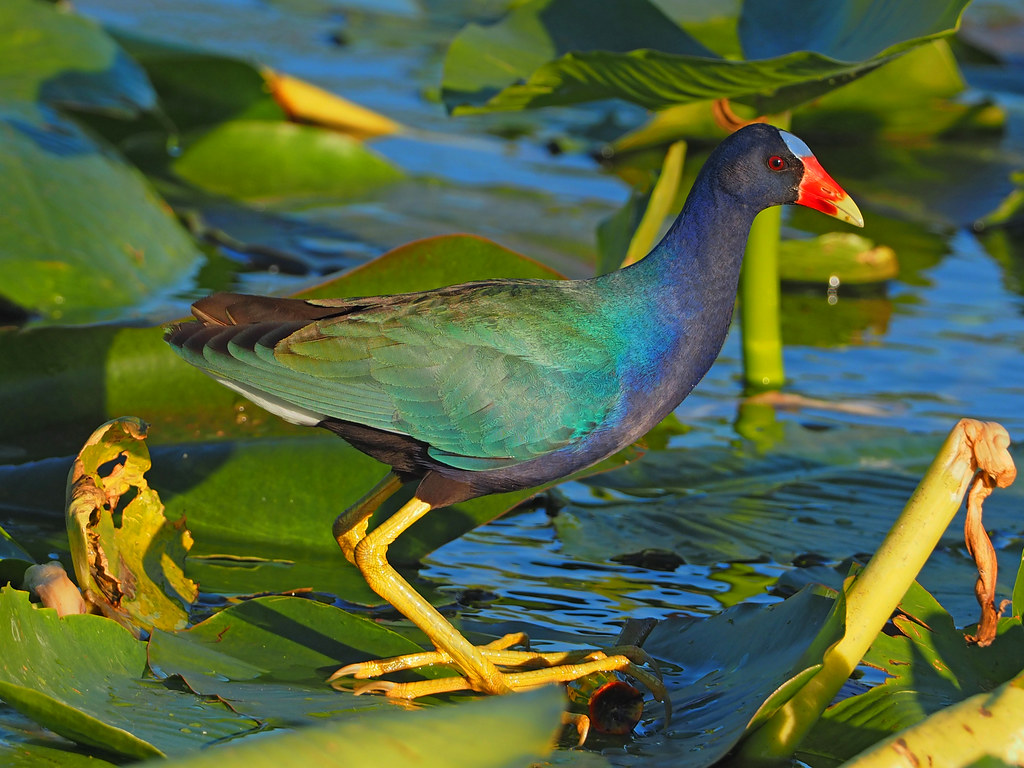
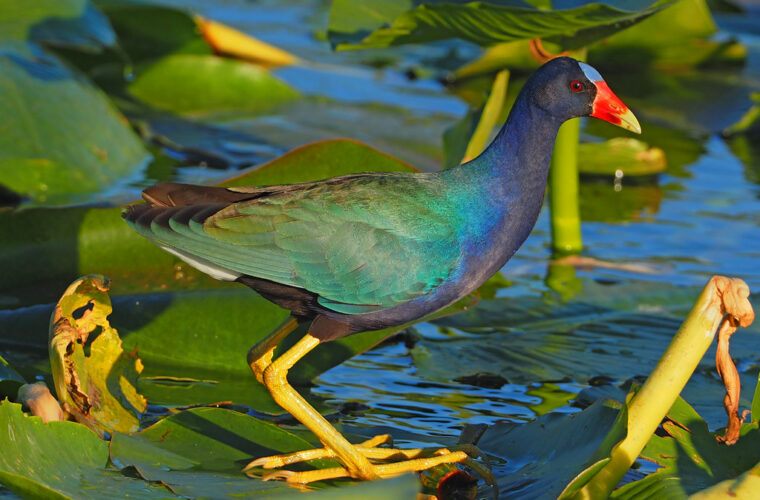
Photo: Judy Gallagher via Flickr (CC BY 2.0)
The Best Time to Visit Everglades National Park becomes clear at first light on the Anhinga Trail, when mist sits over Taylor Slough and a great blue heron stands motionless beside the boardwalk. In the dry season, the exposed limestone, sawgrass, and shallow water concentrate fish into small pools, drawing anhingas, egrets, turtles, alligators, and wading birds close enough to observe without leaving the trail.
Wildlife viewing in this 1.5 million acre park depends less on a single perfect month than on matching your trip to water levels, temperature, bird movements, and the habitat you want to see. The park stretches from freshwater marshes near Homestead to mangrove-fringed Florida Bay at Flamingo, with pine rocklands, tropical hardwood hammocks, cypress, coastal prairies, and seagrass shallows in between. Our team recommends choosing the season first, then building each day around the cooler hours when animals are most active.
Dry season brings the most reliable wildlife viewing
November through April concentrates birds, fish, and reptiles
For most visitors, the dry season is the strongest answer to the question of when to visit. Water levels generally fall from November into spring, shrinking the marsh’s wet areas and concentrating fish, crayfish, and amphibians in sloughs and deeper pools. Those prey concentrations support large numbers of wading birds, including great egrets, snowy egrets, tricolored herons, white ibises, roseate spoonbills, wood storks, and anhingas. Alligators also become easier to spot along freshwater waterways and canal edges.
December through March usually combines the clearest wildlife viewing with lower humidity, fewer mosquitoes, and daytime temperatures that are more manageable for walking. This is also the park’s busiest period. Expect heavier use around the Royal Palm area, Shark Valley, Pa-hay-okee Overlook, and Flamingo. Arriving near opening time makes a significant difference, especially at short boardwalk trails where wildlife gathers close to people.
Late winter is particularly strong for birders
January and February are productive months for visitors focused on birds. Wintering waterfowl and migratory songbirds share the park with resident waders, while drier marsh conditions can create active feeding scenes. Watch for raptors over open sawgrass, including ospreys near coastal water and snail kites in suitable freshwater habitat. Wood storks, which forage by sweeping their partially open bills through shallow water, are most readily found where receding water has concentrated small fish.
South Florida’s dry season is also the period when American crocodiles are often visible around brackish and coastal waters, particularly near Flamingo and the marina area. Crocodiles have a narrower snout and usually darker, gray-green coloration than alligators. Keep substantial distance from both species, stay on designated paths, and never lean over a bank for a low-angle photograph.
Seasonal wildlife patterns at a glance
| Season | Typical conditions | Wildlife most often seen | Best areas to consider |
|---|---|---|---|
| December to February | Cooler, dry, busy | Wading birds, alligators, wintering birds, manatees in coastal waters | Anhinga Trail, Shark Valley, Eco Pond, Flamingo |
| March to April | Warm, dry, increasing crowds | Wading bird feeding activity, reptiles, nesting birds | Royal Palm, Pa-hay-okee, Mahogany Hammock |
| May to October | Hot, humid, frequent thunderstorms | Frogs, insects, orchids, summer reptiles, wetland activity | Short trails near Royal Palm, coastal areas between storms |
| November | Transition toward lower water | Early winter migrants, growing wader activity | Shark Valley and freshwater sloughs |
Wet season reveals a different, greener Everglades
May through October favors visitors prepared for heat and rain
The wet season transforms the park’s freshwater landscape. Rain raises water across sawgrass marshes, sloughs, and marl prairies, allowing fish and other aquatic life to disperse over a much wider area. That means fewer dramatic concentrations of wading birds than in winter, but it also reveals the Everglades as a vast flowing wetland rather than a series of dry-season pools. Afternoon thunderstorms are common, humidity is high, and mosquitoes can be intense, particularly near mangroves and standing water.
Summer visitors should plan outdoor walks early, carry more water than they expect to need, and retreat from exposed areas at the first sound of thunder. Lightning is a serious hazard across open marshes and along Florida Bay. A dawn visit to the Royal Palm trails can still be productive before heat builds, while a later stop at an indoor exhibit or a drive toward Flamingo can break up the day.
Look for breeding behavior and wetland specialists
Warm, wet conditions bring conspicuous amphibian and insect activity. Green treefrogs, southern leopard frogs, dragonflies, and butterflies are easier to encounter around wet vegetation, while broad-winged damselflies and other insects gather near water. Summer also supports lush growth in tropical hardwood hammocks, islands of trees growing on slightly elevated limestone ground. Gumbo limbo, mahogany, strangler fig, and poisonwood create shade that contrasts sharply with the open sawgrass marsh.
Why water levels change the wildlife experience
Everglades wildlife follows water. In the dry season, aquatic prey is compressed into remaining wet areas, making predators easier to find. In the wet season, animals spread across a flooded landscape that can appear empty from a roadside overlook even while supporting abundant life. Visitors who understand this hydrology are less likely to judge a summer trip by winter expectations. The park’s defining process is slow sheet flow, historically moving south from Lake Okeechobee toward Florida Bay through a shallow, broad watershed.
Hurricane season requires flexible planning
Atlantic hurricane season overlaps much of the wet season, and tropical systems can close roads, trails, campgrounds, and visitor facilities. Even ordinary heavy rain can leave standing water on paths and bring sudden changes in mosquito activity. Before a summer or early fall visit, check the park’s official alerts for road access, weather-related closures, and current operating details. This matters most for the 38-mile Main Park Road between the Homestead entrance and Flamingo, where alternatives are limited once you are deep in the park.
Match the habitat to the species you want to see
Freshwater marshes and sloughs hold the classic wildlife scenes
The Royal Palm area, 4 miles beyond the Homestead entrance, provides the park’s most accessible introduction to freshwater wildlife. The 0.8-mile Anhinga Trail loops through sawgrass and open water along Taylor Slough, a slow-moving freshwater drainage. It is one of the most dependable places for alligators, anhingas, double-crested cormorants, herons, egrets, turtles, and gar. The nearby 0.4-mile Gumbo Limbo Trail enters a shaded hardwood hammock, offering a useful contrast in plant communities and bird habitat.
Farther south, the Pa-hay-okee Overlook uses a short boardwalk to reach an elevated view across the “river of grass.” The scene is visually broad rather than close range, so bring binoculars for distant birds. Mahogany Hammock, reached by a 0.5-mile boardwalk loop, passes through one of the park’s largest tropical hardwood hammocks. Its slightly higher limestone substrate keeps tree roots above the surrounding wet marsh for much of the year.
Shark Valley is best for wide-open marsh and alligators
Shark Valley lies on the park’s northern side, west of Miami, and is known for its 15-mile paved loop through sawgrass prairie. The route is popular with cyclists and tram riders because it provides long views across freshwater marsh and frequent opportunities to see alligators beside the pavement. The 65-foot observation tower at the loop’s midpoint looks across the surrounding wetland, where tree islands rise subtly above the flat landscape.
“Shark” in Shark Valley refers to the shark-filled waters of the nearby Shark River, not to sharks in the marsh. The area is particularly useful for learning to scan habitat slowly. Look along canal edges for alligators, above the sawgrass for soaring birds, and around tree islands for perched herons and egrets. Keep bicycles moving predictably around wildlife, and give every alligator room to cross the road without pressure.
Flamingo and Florida Bay support coastal species
At the end of Main Park Road, Flamingo sits where freshwater systems meet Florida Bay. Salinity, tides, mangroves, and seagrass create habitat for American crocodiles, ospreys, brown pelicans, roseate spoonbills, shorebirds, and occasional manatees. Eco Pond, near Flamingo, has historically been a productive place for wading birds and waterfowl, especially during the drier months when water conditions are favorable.
- Visit freshwater boardwalks at dawn for alligators, anhingas, and wading birds.
- Use binoculars at Pa-hay-okee and Shark Valley rather than approaching wildlife.
- Watch Florida Bay from Flamingo during calmer morning conditions, when glare and wind are usually lower.
- Carry insect repellent in every season, with stronger protection during warm, wet months.
- Photograph from trails, overlooks, boats, or established shorelines, never by entering marsh vegetation.
Use the first and last light of day to see more
Dawn is the most productive window in every season
Wildlife activity begins well before the sun clears the sawgrass. At Anhinga Trail, arrive close to opening time to watch anhingas dry their wings, herons hunt along the edges of Taylor Slough, and alligators warm themselves after a cooler night. At Flamingo, early morning often brings calmer water on Florida Bay, making it easier to scan for pelicans, ospreys, diving birds, and the ripple of a manatee near mangroves. Summer visitors gain another advantage by completing exposed walks before the day’s heat and thunderstorms build.
Standing on the Anhinga Trail boardwalk at sunrise, the water below can look black beneath floating pond apple leaves, while fish break the surface and an alligator’s back lies almost level with the marsh. The air is cooler than it will be an hour later, but mosquitoes may already be active. Footsteps carry across the wooden boards, so pause rather than rushing from one overlook to the next. Stillness often reveals birds and reptiles that blend into the reeds when people move past too quickly.
Midday works best for drives, overlooks, and hammocks
By late morning, many birds retreat into shade or reduce their feeding activity, particularly during the wet season. Use this period for the Gumbo Limbo Trail, Mahogany Hammock, or a drive toward Flamingo, where the shade of hardwood hammocks provides relief from direct sun. Tree islands support species that are harder to notice from open marsh trails, including northern cardinals, Carolina wrens, white eyed vireos, and migratory warblers during cooler months.
Late afternoon can be useful near coastal water
Afternoon light can improve photography along Florida Bay when thunderstorms are absent, although wind often roughens the water and increases glare. Eco Pond and the Flamingo shoreline are worth a slow scan for spoonbills, white ibises, black vultures, and shorebirds moving between feeding and roosting areas. Plan to leave enough daylight for the return drive from Flamingo, especially in summer when heavy rain can reduce visibility quickly on Main Park Road.
Watch wildlife without changing its behavior
Distance is the foundation of responsible viewing
The best wildlife encounters happen when animals continue feeding, resting, or traveling as if visitors were not there. If an alligator slips into the water, a bird stops foraging, or a crocodile turns away from shore, increase your distance. Never feed an animal, toss food into water, or use sounds to draw a bird closer for a photograph. Feeding changes natural behavior and can make wildlife associate people with food, creating danger for both animals and visitors.
Alligators and crocodiles deserve particular caution because they can move quickly over short distances. Keep children beside you near canal edges, boardwalk railings, marinas, and boat ramps. Dogs are not suitable companions on most park trails because their presence can disturb wildlife and place them at risk around large reptiles. Leave pets at home when planning wildlife-focused walks, especially in freshwater areas where alligators may be close to shore.
Photography practices that protect nesting and feeding birds
Use a telephoto lens or binoculars rather than stepping off a trail to reduce the distance. Wading birds often feed in shallow water with deliberate, repetitive movements, and walking closer can push them away from productive hunting areas. During nesting periods, avoid lingering beneath colonies or trying to locate nests in mangroves and tree islands. A bird repeatedly calling, shifting position, or flying short circles near you may be signaling that you are too close.
Carry gear that suits the habitat
- Bring binoculars with a neck strap for scanning tree islands, mudflats, and distant marsh birds.
- Use a rain cover or dry bag for cameras during the wet season.
- Wear closed shoes on trails, since limestone, roots, mud, and wet boardwalks can be slippery.
- Pack sun protection, drinking water, and insect repellent, even for short walks near Royal Palm.
- Keep a field guide or bird identification app available for separating similar herons, egrets, and hawks.
Respect the park’s water and vegetation
Sawgrass marsh may appear open from an overlook, but it contains fragile periphyton mats, shallow channels, small fish habitat, and nesting cover. Periphyton is the algae, bacteria, and organic material complex that forms pale, spongy mats across much of the freshwater Everglades. It supports the food web from tiny invertebrates to fish and wading birds. Stay on designated trails and shorelines so your search for wildlife does not damage the system that supports it.
Frequently Asked Questions
Planning the Best Time to Visit Everglades National Park depends on the species you hope to see and the amount of heat, rain, and visitor activity you are comfortable handling. Dry season trips provide the most dependable viewing from established trails, while wet season trips require earlier starts, better rain preparation, and realistic expectations about dispersed wildlife.
The park has separate areas accessed from Homestead, Shark Valley, and Everglades City, and they are not connected by an internal road network. A visitor who wants freshwater marsh, coastal mangroves, and the Gulf Coast’s Ten Thousand Islands should plan travel time between entrances rather than assuming every habitat can be reached in one day.
What month has the best wildlife viewing?
January through March usually provides the strongest combination of lower water, concentrated wading birds, active alligators, cooler temperatures, and fewer mosquitoes. December and April can also be excellent, though visitor numbers are often high.
How many days should I spend in Everglades National Park?
One full day allows time for Royal Palm and Flamingo from the Homestead entrance. Two or three days gives you time to add Shark Valley or a boat-based visit near Everglades City, while leaving room for dawn wildlife viewing and weather delays.
Are dogs allowed on trails?
Pets have limited access in Everglades National Park and are generally prohibited on trails, boardwalks, and in wilderness areas. Check the park’s official website before traveling with a pet because permitted locations and rules matter for both safety and wildlife protection.
Do I need a reservation to visit?
General entry, camping, backcountry travel, boat tours, and other activities can have different requirements. Review the park’s official website before your trip for current entrance, reservation, permit, and camping information.
Is Everglades National Park good for children?
Yes, especially around the short boardwalk trails at Royal Palm and the paved areas of Shark Valley. Children should remain close to adults near water, avoid touching wildlife, and understand that alligators can be present even in shallow freshwater.
Can I see crocodiles and alligators on the same trip?
It is possible because alligators are common in freshwater areas such as Anhinga Trail and Shark Valley, while American crocodiles use brackish and coastal habitat around Flamingo. Sightings are never guaranteed, and a safe viewing distance is more important than getting close.
Choose the season that fits your wildlife goals
For visitors who want the highest odds of seeing wading birds, alligators, anhingas, and winter migrants from short trails, schedule a dry season visit and begin each day at dawn. Focus on Royal Palm for close freshwater viewing, Shark Valley for broad marsh landscapes, and Flamingo for coastal birds and crocodile habitat. Build extra time into the day because wildlife rarely appears on a schedule, and patient observation usually produces more than moving quickly between stops.
A wet season trip rewards visitors interested in the Everglades as a living water system. Summer rain fills marshes, amplifies frog and insect activity, and turns hammocks and wetland edges intensely green. Start early, expect heat and mosquitoes, and let weather shape the itinerary. The most useful approach is simple: select the season for the wildlife behavior you want to observe, visit the habitat where that species feeds or rests, and give every animal enough space to continue doing what it came there to do.
Want to keep exploring? Browse all our Everglades guides and articles for more trip-planning tips and ideas.
Gear & Essentials
Tell us about your trip and we will add what else you will want:
The basics
Worth having in the car whatever the park.
For this trip
As an Amazon Associate we earn from qualifying purchases, at no extra cost to you.