
Lassen Volcanic National Park with Kids: A Family Guide
Lassen Volcanic National Park: One of California’s Most Underrated Family Destinations
Lassen Volcanic National Park sits in the remote northern reaches of California’s Sierra Nevada, a landscape so dramatically alive with geothermal energy, towering volcanic peaks, and crystalline alpine lakes that it feels like stepping onto another planet — and kids absolutely love every minute of it. Unlike the crowded corridors of Yosemite or the packed shuttle stops at Zion, Lassen offers families something increasingly rare in the national park system: genuine breathing room. You can pull into a trailhead, lace up your boots, and hit the trail without waiting in line or fighting for a parking spot, which makes it infinitely more enjoyable when you’re traveling with children whose patience has a firm ceiling.
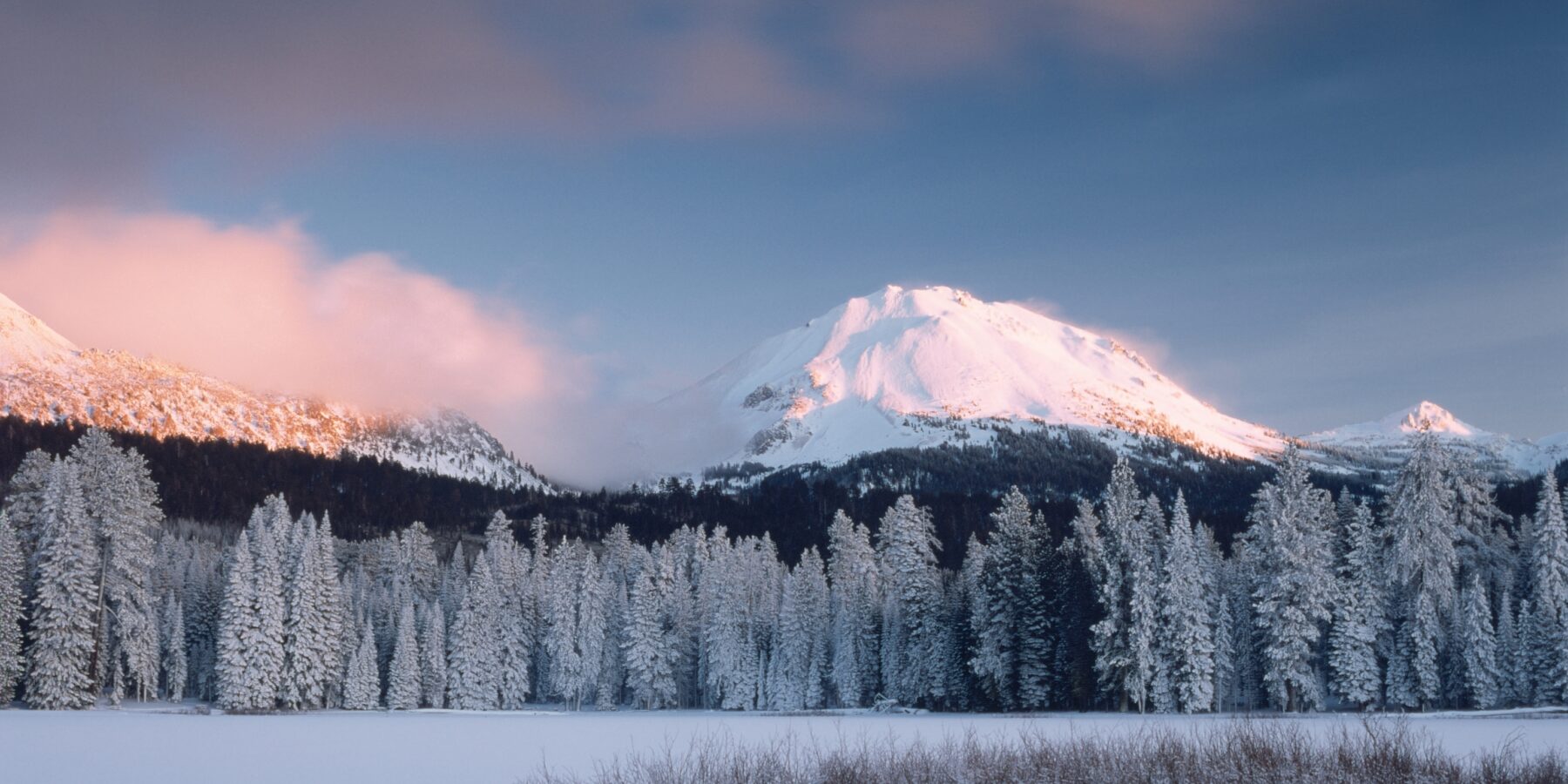
What makes this park so compelling for families is the sheer variety of experiences packed into a relatively compact area. On a single day, your family might watch a hydrothermal pool bubble and hiss at Bumpass Hell, swim in the warm, shallow waters of Manzanita Lake, and watch the sun set over Lassen Peak itself — the southernmost active volcano in the Cascade Range. That combination of geological wonder, wildlife watching, swimming, hiking, and stargazing creates the kind of layered experience that keeps kids engaged across different ages and attention spans. There’s always something happening, always something to look at, always something that sparks a question worth answering.
Families visiting for the first time often underestimate the park’s size and the diversity of ecosystems tucked within its boundaries. The park covers roughly 106,000 acres and ranges from dense conifer forests at lower elevations to stark, windswept volcanic terrain near the summit of Lassen Peak. This elevation range — from about 5,000 feet near the park’s entrances to over 10,000 feet at the peak — means that weather can shift quickly and temperatures vary dramatically. Packing layers is non-negotiable, even in summer, and building in flexibility to your itinerary will serve your family far better than a rigid schedule. Morning hikes before afternoon thunderstorms, rest time during the midday heat, and evening strolls around Manzanita Lake are a rhythm that works beautifully here.
What Families Should Know Before Visiting
Planning a family trip to any national park requires some advance thinking, but Lassen has a few specific considerations that are worth knowing before you load the car. First, the park’s main thoroughfare, Lassen Volcanic National Park Highway, runs 29 miles through the heart of the park and is typically open from late June through October, depending on snowpack. If you’re visiting in early summer — especially with children excited about the full volcanic experience along the main road — checking current road conditions before you leave is essential. The park’s website and the National Park Service app both carry up-to-date information, and our team always recommends bookmarking those resources before any national park trip.
Altitude is another consideration that catches many families off guard, particularly those traveling from sea-level cities along the California coast. At elevations above 8,000 feet, some children — and adults — experience mild altitude sickness, which can manifest as headaches, nausea, or unusual fatigue. Arriving a day before your biggest hikes, staying well hydrated, and keeping initial activity levels moderate can make a significant difference in how everyone feels. If your family is based in the park’s campgrounds or nearby gateway towns, a buffer day spent exploring lower-elevation areas like the Kohm Yah-mah-nee Visitor Center or Manzanita Lake gives young bodies time to adjust before tackling more demanding terrain.
The Geology That Makes Lassen Unforgettable for Kids
There is no better place in the lower 48 states to show children the raw, ongoing power of the Earth than Lassen Volcanic National Park. The park sits atop one of the most hydrothermally active areas in North America, and that activity is visible, audible, and even smellable across dozens of distinct thermal features. Fumaroles vent steam with a low, persistent hiss. Mud pots gurgle and pop like something out of a science fiction film. Boiling springs shimmer in colors ranging from milky blue to vivid orange, stained by heat-loving microorganisms called thermophiles. For children who have spent years learning about volcanoes from textbooks and YouTube videos, seeing this reality in person is genuinely transformative.
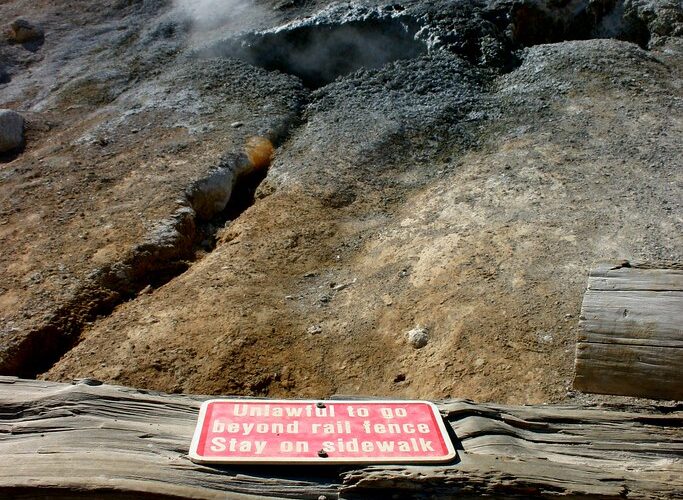
The hydrothermal areas are also, somewhat counterintuitively, excellent for teaching kids about safety and respect for natural environments. Boardwalks in areas like Bumpass Hell and Sulphur Works are engineering necessities — the ground in thermal zones is thin and unpredictable, and stepping off the established paths carries real risk. That reality check resonates with children in a way that abstract park rules rarely do. When a ranger explains that the steaming pool beside the boardwalk is close to 200 degrees Fahrenheit and acidic enough to cause serious injury, kids listen. These moments of genuine consequence, handled calmly and informatively, build a respect for nature that stays with young visitors long after the trip ends.
Lassen Volcanic National Park is also one of the only places on Earth where visitors can see all four types of volcanoes — plug dome, shield, cinder cone, and composite — in a single park. That geological diversity is remarkable even to adults, but it becomes especially powerful when framed for curious children. The Cinder Cone area in the park’s northeastern Butte Lake region, accessible by a moderately challenging trail, offers one of the most dramatic volcanic landscapes in California: a perfectly symmetrical cinder cone rising 700 feet, surrounded by expanses of rough lava rock called the Fantastic Lava Beds, with the Painted Dunes glowing in hues of red and orange nearby. It looks, to the delight of every child who sees it, like the surface of Mars.
The Best Geological Sites for Young Explorers
Bumpass Hell is the park’s most accessible and most spectacular hydrothermal area, and for families with children, it should be considered an absolute priority. The trail to Bumpass Hell runs about 3 miles round trip with roughly 300 feet of elevation gain — manageable for most school-age children with reasonable hiking experience, and even doable for determined younger kids with patient adults. Along the way, the trail crosses open ridgelines with sweeping views of Lassen Peak and surrounding volcanic terrain before dropping into a vast hydrothermal basin that covers about 16 acres. The scale of it surprises most first-time visitors; this is not a single bubbling spring but an entire valley churning with geothermal activity, criss-crossed by wooden boardwalks that guide visitors safely through the spectacle.
Sulphur Works, by contrast, is Lassen Volcanic National Park’s most effortlessly accessible thermal site, located right along the main park highway near the southwestern entrance. Families with very young children, strollers, or limited mobility will find this a genuinely satisfying stop — a short, flat boardwalk winds past fumaroles and boiling mud pots with no significant elevation change required. It’s a perfect introduction to the park’s hydrothermal character before tackling longer hikes, and it gives kids a first-hand experience with sulfurous gases, bubbling mud, and steaming vents that makes the broader geology of the park immediately tangible. Rangers from the Kohm Yah-mah-nee Visitor Center, just steps away, are often available to answer questions and add context that deepens the experience considerably.
Family-Friendly Hikes and Activities
Beyond the hydrothermal wonders, Lassen Volcanic National Park offers a hiking menu broad enough to satisfy families with toddlers in carriers and teenagers looking for a genuine physical challenge. Manzanita Lake, located near the northwestern entrance, is the park’s most family-friendly hub and the ideal starting point for first-time visitors. The lake loop trail is a flat, easy 1.8-mile path around the shoreline that rewards walkers with views of Lassen Peak reflected in the water, abundant wildlife including osprey, otters, and the occasional black bear moving through the tree line, and interpretive signage explaining the volcanic history of the surrounding landscape. It is genuinely one of the most pleasant easy walks in any California national park, and the payoff per mile of effort is extraordinarily high.
For families with older children who are ready to push themselves, the trail to the summit of Lassen Peak is one of the most memorable hikes in the entire national park system. The route climbs approximately 2,000 feet over 2.5 miles each way, gaining elevation steadily through a treeless volcanic landscape before arriving at a summit just above 10,457 feet with panoramic views stretching from the Sacramento Valley to Mount Shasta. It is a serious undertaking that requires proper footwear, plenty of water, sun protection, and an honest conversation with your children about what they are committing to before the first switchback. Families who complete it together, however, consistently describe it as one of the most bonding and rewarding experiences of their children’s outdoor lives.
Water play is a dimension of Lassen Volcanic National Park that surprises many visitors who associate volcanic landscapes exclusively with heat and desolation. Manzanita Lake is open for non-motorized boating and swimming, making it a natural gathering point on warm summer afternoons. Kayaks and canoes can be rented at the camp store nearby, giving families a chance to explore the lake’s quiet inlets and look back at the volcanic peaks from the water — a perspective that reframes the entire landscape in a deeply satisfying way. Hat Lake and several other smaller water bodies in the park’s interior also offer fishing opportunities for children with junior licenses, and the cold, clear streams threading through lower-elevation meadows are irresistible to kids who simply want to turn over rocks and watch the current.
Junior Ranger and Ranger-Led Programs
The Junior Ranger program at Lassen Volcanic National Park is among the best-designed in the California parks system, with an activity booklet that genuinely challenges children to observe, record, and think critically about what they encounter rather than simply filling in blanks. Booklets are available at both the Kohm Yah-mah-nee Visitor Center and the Loomis Museum at Manzanita Lake, and they are calibrated to different age ranges so that a six-year-old and a twelve-year-old can both be meaningfully engaged. Completing the program requires children to spend time outdoors observing the park’s ecosystems, attend at least one ranger-led program, and demonstrate basic knowledge of Leave No Trace principles — a structure that integrates the badge experience naturally into the family’s actual visit rather than treating it as a checkbox exercise.
Ranger-led programs during the summer season cover an impressive range of topics, from evening campfire talks about the 1914–1917 eruption sequence that shaped the modern landscape to guided walks through the hydrothermal basins with commentary on the extremophile microorganisms that thrive in boiling, acidic conditions. Evening astronomy programs at Manzanita Lake take advantage of the park’s exceptionally dark skies — Lassen sits far from major population centers and has minimal light pollution — and introduce children to constellations, planets, and the sheer scale of the universe in a setting that makes the experience feel genuinely intimate. Checking the current ranger program schedule through the National Park Service app before your visit allows you to build these programs into your itinerary rather than discovering them by accident.
Planning Your Stay: Practical Tips
Choosing where to base your family during a visit to Lassen Volcanic National Park shapes the entire character of the trip. The park has eight campgrounds ranging from the full-service Manzanita Lake Campground — which offers flush toilets, hot showers, an on-site camp store, and evening ranger programs — to more primitive backcountry sites for families ready to step away from amenities entirely. For first-time visitors with younger children, Manzanita Lake is the clear recommendation: its proximity to the lake, the Loomis Museum, and the northwestern trailheads makes it possible to accomplish an enormous amount without spending significant time driving the park highway each day. Reservations open well in advance through Recreation.gov, and summer weekends fill quickly, so booking early is genuinely important rather than a polite suggestion.
Families visiting from outside the immediate region often find it easiest to stage their trip through the gateway communities of Redding or Red Bluff to the southwest, or Chester to the east, where lodging options, grocery stores, and fuel are readily available. Stocking up on food, water, and any forgotten gear before entering the park proper saves significant time and frustration, since services inside the park are limited to the camp store at Manzanita Lake and the café at the Kohm Yah-mah-nee Visitor Center. Building at least three nights into your itinerary gives a family with children a realistic chance to experience the park’s main highlights — Bumpass Hell, Manzanita Lake, the Cinder Cone area, and at least one ranger program — without feeling rushed or shortchanging any single experience.
Wildlife awareness is worth covering with children before arrival, particularly regarding black bears. Lassen Volcanic National Park has an active bear population, and proper food storage is both a park regulation and a matter of genuine ecological responsibility. Bear canisters or bear boxes must be used for food storage at all campsites, and rangers take violations seriously. If you’re also planning visits to other parks with notable wildlife considerations this season, our coverage of bear incidents and trail closures at Great Smoky Mountains National Park is a useful read for reinforcing good habits before any national park trip. Discussing these expectations with children in advance — framing food storage as part of protecting the animals they’re excited to see — turns a regulation into a lesson in conservation stewardship.
Why Lassen Belongs on Every Family’s List
Lassen Volcanic National Park delivers something that very few destinations in the national park system can match: a complete, layered, genuinely awe-inspiring experience that works for children across a wide range of ages, fitness levels, and temperaments. The geological spectacle is real and immediate, not interpreted through glass or limited to a single overlook. The hiking options scale naturally from stroller-friendly lakeside loops to summit climbs that challenge teenagers and adults alike. The ranger programs are substantive and engaging. The campgrounds are comfortable enough for families new to outdoor trips, and primitive enough to feel like a genuine escape from everyday life. Very few parks manage all of those things simultaneously, and Lassen does it without the crowds that have made logistically similar parks in California increasingly difficult to enjoy.
There is also a deeper value in bringing children to a place like Lassen that goes beyond the itinerary and the Instagram photos. This is a landscape that is still actively becoming — still venting, still shifting, still demonstrating in vivid, sensory terms that the planet beneath our feet is not a static backdrop but a living, dynamic system. Children who walk the boardwalks at Bumpass Hell, who feel the heat rising from the ground and smell the sulfur in the air, who learn that the mountain looming above them last erupted just over a century ago, carry something home that no classroom can fully replicate. That direct encounter with geological time and natural power has a way of quietly expanding the imagination in ways that shape how young people think about science, environment, and their place in the natural world.
Whether your family is planning a first national park adventure or adding Lassen to a long list of parks already explored together, this destination rewards the effort of getting there with interest. Start with Manzanita Lake and work your way into the park’s interior. Let the kids lead the conversation at Bumpass Hell. Stay for the ranger astronomy program and let the darkness surprise you. If you’re looking to pair your California trip with other extraordinary park experiences, our coverage of Shenandoah National Park’s Wildflower Weekend is worth a look for families planning an East Coast companion trip. Lassen Volcanic National Park is one of those rare places that asks very little in the way of advance planning sophistication but gives back an enormous amount in return — and your family will be talking about it long after the drive home.