

Acadia National Park: The Perfect One-Day Itinerary
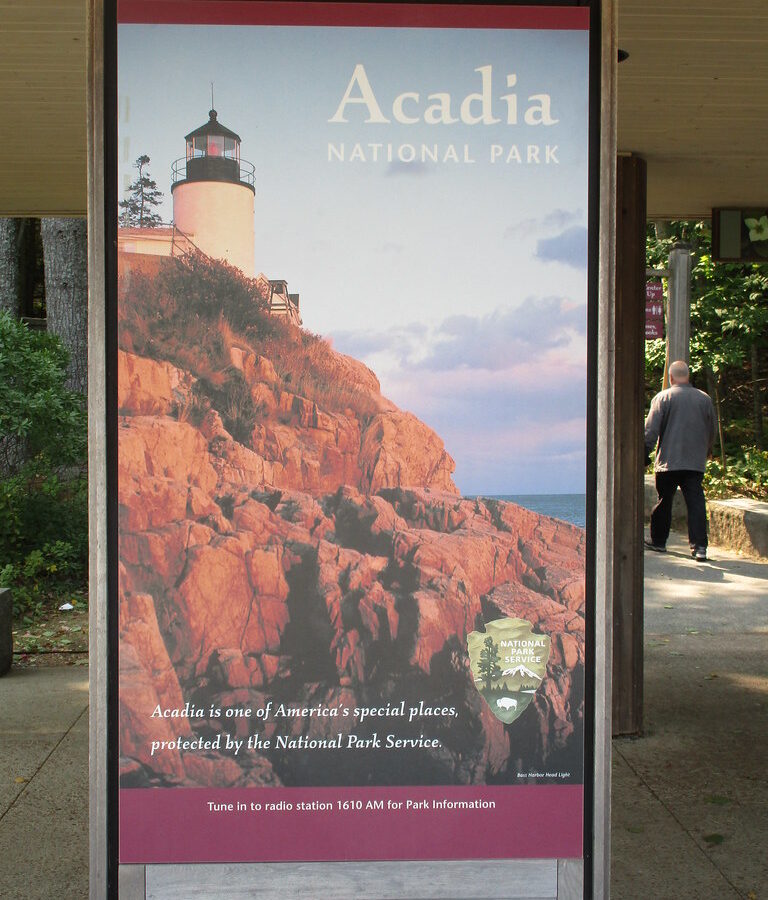
Photo: jaygannett via Flickr (CC BY-SA 2.0)
We designed this Acadia National Park Perfect one-day itinerary to connect Cadillac Mountain, Sand Beach, Ocean Path, Thunder Hole, Otter Cliffs, Jordan Pond, and the carriage roads without wasteful backtracking. Begin before sunrise or shortly afterward, follow the one-way section of Park Loop Road, and finish near Jordan Pond. The core route covers roughly 30 road miles, plus 3 to 5 miles on foot, depending on your trail choices.
Most of the day unfolds on Mount Desert Island, the largest island off Maine’s coast. Acadia’s rounded granite summits rise directly above a landscape of spruce forest, glacial ponds, cobble beaches, and exposed Atlantic headlands. Staying in Bar Harbor the previous night provides the easiest early start. Lodging around Northeast Harbor or Southwest Harbor is quieter, but adds driving before the first stop.
Acadia National Park: The Perfect One-Day Route at a Glance
The route begins on Cadillac Mountain because summit access requires a separate climb away from the main coastal loop. From Cadillac, you descend toward Sand Beach and enter the one-way portion of Park Loop Road. That road naturally carries you past Thunder Hole and Otter Cliffs before turning inland toward Jordan Pond. Driving the loop in this order reduces difficult left turns and keeps the ocean beside you through the most scenic section.
Acadia National Park: The Perfect One-Day Itinerary Schedule
This schedule assumes an early start, moderate summer traffic, and a short lunch carried in the car. Drive times are estimates between stops rather than guarantees. Congestion near Sand Beach and Jordan Pond can add substantial delays from late morning onward, especially during summer and autumn foliage weekends.
| Time | Stop | Primary highlight | Approximate drive time |
|---|---|---|---|
| Before 6:30 a.m. | Cadillac Mountain | Summit views and short loop walk | About 30 minutes from central Bar Harbor |
| 7:30 a.m. | Sand Beach | Granite headlands and Ocean Path | About 25 minutes |
| 9:00 a.m. | Thunder Hole | Wave-cut inlet | Walk from Sand Beach or drive a few minutes |
| 10:00 a.m. | Otter Cliffs | Atlantic-facing granite cliffs | About 5 minutes |
| 11:30 a.m. | Jordan Pond | Pond shore, North and South Bubble views | About 20 minutes |
| Afternoon | Carriage roads or Bubble Rock | Easy cycling or a short summit hike | Varies by trailhead |
Why the Order Matters
Parking pressure determines the shape of a successful Acadia day. Sand Beach, Jordan Pond, and the Bubble Rock trailhead can fill early, while traffic moves slowly through the narrow coastal corridor. Reaching Sand Beach near breakfast time gives you a better chance of walking Ocean Path before tour traffic builds. Jordan Pond works later because several nearby carriage-road routes provide alternatives if a particular trailhead is crowded.
Park Loop Road includes both two-way and one-way segments. Missed turns on the coastal section may require a lengthy circuit rather than a quick reversal. Download an offline map before leaving Bar Harbor, and set navigation for each named stop separately. Mobile coverage weakens around the eastern cliffs, Jordan Pond, and the island’s interior valleys.
Planning Your Acadia National Park Perfect One-Day Itinerary
A one-day visit works best when the car is fueled, breakfast is ready, and everyone has decided how much hiking they can manage. Mount Desert Island has fuel and food in its larger communities, but stations and markets are outside the park’s main scenic corridor. Buy lunch the evening before or early in Bar Harbor rather than counting on finding food between Sand Beach and Jordan Pond.
Entrance Access and Cadillac Mountain
Acadia charges an entrance fee, and vehicle access to Cadillac Summit Road may require a separate timed reservation during the main visitor season. A park entrance pass does not replace that reservation. Requirements, operating dates, road closures, current fees, and Island Explorer bus schedules can change, so confirm current details on the official park site before finalizing the day.
Cadillac Mountain reaches 1,530 feet, making it the highest point on the eastern seaboard of the United States. Sunrise draws the largest early crowd, but a reservation later in the morning can produce a calmer start. If summit access is unavailable, begin at Sand Beach and visit Cadillac only if an opening appears. Do not build the entire itinerary around obtaining a last-minute reservation.
Food, Water, Fuel, and Connectivity
Carry at least one liter of water per person for a mostly driving-based day and more if anyone plans to climb the Beehive or South Bubble. Pack food that can be eaten at a designated picnic area or inside the vehicle, since feeding wildlife and leaving crumbs around trailheads attracts gulls, squirrels, and rodents. Temperatures can differ sharply between Cadillac’s exposed summit and sheltered inland trails.
A Compact Day-Pack Checklist
- Wind-resistant outer layer for Cadillac Mountain and Otter Cliffs
- Sturdy shoes with reliable grip on wet granite and exposed roots
- Water, packed lunch, and salty snacks
- Offline park map and a charged phone or battery pack
- Sun protection, insect repellent, and a basic blister kit
- Binoculars for seabirds, harbor porpoises, and offshore islands
Perfect Morning Stops in Acadia National Park
The morning combines Acadia’s highest summit with its most dramatic shoreline. These places reveal the forces that shaped Mount Desert Island: deeply buried magma cooled into granite hundreds of millions of years ago, while much later glaciers rounded the mountains, excavated basins, and transported boulders. Waves, frost, and salt continue to widen fractures along the coast.
Cadillac Mountain Summit
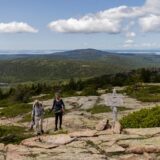
Allow 45 to 60 minutes at the summit. The paved Cadillac Summit Loop is approximately half a mile and crosses exposed pink granite dotted with lowbush blueberry, three-toothed cinquefoil, and mats of hardy alpine vegetation. Stay on durable surfaces because thin summit soils recover slowly from trampling. On clear mornings, Frenchman Bay, the Cranberry Isles, Schoodic Peninsula, and layered inland hills are visible from different points along the loop.
Sand Beach and Ocean Path
Sand Beach occupies a narrow cove between Great Head and the Beehive. Its pale material consists largely of crushed shells and other marine fragments rather than ordinary quartz sand. Ocean Path begins near the beach and runs approximately 2.2 miles one way to Otter Point. For this itinerary, walk at least as far as Thunder Hole, roughly 0.7 mile from Sand Beach, then continue only if time and energy permit.
On Ocean Path, packed gravel gives way to granite ledges and root-laced side paths. Spruce branches hold cool shade overhead, then the trees suddenly open onto slabs above the Atlantic. Wind carries salt across the rock, waves strike below with a low concussion, and the scale of the headlands becomes clearer than it ever does from the road. Wet granite near the edge can be slick even when the main path is dry.
The Beehive Decision
The Beehive Trail is a steep 1.4-mile loop with roughly 450 feet of elevation gain, iron rungs, narrow ledges, and exposed scrambling. Fit hikers who are comfortable with heights can substitute it for part of Ocean Path. Skip it during rain, strong wind, ice, or heavy crowding. The Bowl Trail provides the usual descent and should not be treated as an easier ascent workaround.
Thunder Hole and Otter Cliffs
Thunder Hole performs best when incoming swell forces air and water into its narrow granite chamber. The strongest sound often occurs before high tide, although wind direction and offshore conditions matter more than the tide table alone. Keep behind railings because waves can overtop the viewing area. Farther south, Otter Cliffs rise about 110 feet above the water and provide broad views toward the open Atlantic and Baker Island.
Choosing the Right Jordan Pond Afternoon
Jordan Pond sits in a glacially carved basin between Penobscot Mountain and Pemetic Mountain, with the rounded North and South Bubbles rising beyond its northern shore. The pond reaches approximately 150 feet deep and supplies public drinking water, so swimming and wading are prohibited. Arrive with enough time for one carefully chosen activity rather than attempting the shoreline, Bubble Rock, and a carriage-road ride in the same afternoon.
Walk the Jordan Pond Path
The Jordan Pond Path forms a roughly 3.3-mile circuit with little elevation gain, but its surfaces vary considerably. The eastern shore follows relatively smooth gravel, while the western side includes bog bridges, roots, and a boulder field that slows the pace. Allow 90 minutes to two hours. Walking clockwise places the easier shore first and saves the rougher footing for the return, when afternoon light often reaches the Bubbles.
Climb South Bubble and See Bubble Rock
For a shorter hike with elevation, use the Bubbles Divide Trail to reach South Bubble. The round trip to the summit and Bubble Rock is about one mile, with approximately 250 feet of climbing. Bubble Rock is a glacial erratic carried from distant bedrock and deposited near the cliff edge as the ice retreated. The upper ledges overlook Jordan Pond, but exposed roots and polished granite require deliberate footing after rain.
Use the Carriage Roads for a Gentler Finish
Acadia contains about 45 miles of broken-stone carriage roads developed under John D. Rockefeller Jr. Their gradual grades, broad curves, and granite bridges make them suitable for walking and cycling without automobile traffic. From the Jordan Pond area, choose a short out-and-back trip instead of committing to a long circuit. Cyclists should control speed on descents and yield according to posted carriage-road guidance, particularly where horses or pedestrians share the route.
Must-See Stops and Detours to Drop First
Cadillac Mountain, the Sand Beach shoreline, and Jordan Pond provide the strongest one-day introduction to Acadia’s summit, ocean, and glacial interior. Protect those three anchors when traffic, fog, or limited daylight compresses the schedule. Thunder Hole and Otter Cliffs fit naturally between them, but neither requires a lengthy stop. Ten to fifteen minutes can be sufficient when Thunder Hole is quiet or coastal fog blocks the broader view.
Optional Detours for Extra Time
Add a detour only after assessing parking and the remaining daylight. Great Head Trail makes a 1.4-mile loop above Sand Beach, passing sea cliffs and remnants of a former early twentieth-century tea house. The loop involves roots, uneven granite, and several short climbs. Sieur de Monts adds a contrasting forest and wetland landscape, including paths around the Tarn beneath Dorr Mountain, but visiting it can disrupt the efficient coastal route.
A Simple Priority Order
- Keep Cadillac Mountain if summit access and visibility align.
- Walk part of Ocean Path rather than viewing the coast solely from roadside pullouts.
- Reserve at least one hour for Jordan Pond.
- Add Bubble Rock, the full pond circuit, or a carriage-road outing according to energy.
- Drop Great Head and Sieur de Monts first if the day runs late.
Where to End the Day
Bar Harbor is the practical overnight choice when another early departure or a second park day follows. Northeast Harbor places travelers closer to the quieter southern side of Mount Desert Island, while Southwest Harbor works well for exploring the Bass Harbor area later. Campgrounds, inns, cottages, and vacation rentals can fill far ahead during summer and foliage season. Choosing lodging before planning dinner avoids an unnecessary cross-island drive after dark.
Adjusting the Route for Acadia’s Seasons
The Acadia National Park Perfect plan changes with daylight, road conditions, and coastal weather. Granite becomes hazardous under ice, wet leaves, or steady rain, and fog can erase summit views while leaving inland ponds relatively clear. Check conditions from lower elevations before committing substantial time to Cadillac. If clouds cover the summit, move the shoreline earlier and reconsider Cadillac later rather than waiting in place for uncertain clearing.
Seasonal Timing and Trail Choices
| Season | Likely conditions | Best adjustment |
|---|---|---|
| Spring | Cold wind, mud, lingering ice, and wet roots | Favor Ocean Path and carriage roads over exposed rung routes |
| Summer | Early sunrise, heavier traffic, and rapid parking turnover | Start before breakfast and carry lunch |
| Autumn | Cool mornings, shorter daylight, and foliage crowds | Keep the afternoon hike short and allow extra driving time |
| Winter | Snow, ice, limited road access, and strong summit wind | Build the day around accessible roads and winter traction |
Rain, Fog, and Rough Surf
During rain, replace the Beehive and Bubble Rock with lower-angle carriage roads or the smoother eastern side of Jordan Pond. Dense fog makes road edges, cyclists, and wildlife harder to see, so reduce speed even when pavement appears dry. Rough surf can send water above coastal ledges and viewing platforms. Observe Thunder Hole from protected areas and keep well back from dark, wave-washed granite.
Making Your Perfect One-Day Acadia National Park Visit Count
A successful day depends on disciplined choices. Begin with Cadillac Mountain when access and visibility cooperate, follow Park Loop Road to the coast, and reach Jordan Pond with enough time for one afternoon activity. That sequence minimizes backtracking while revealing Acadia’s defining landscapes: exposed granite summit, shell-fragment beach, wave-cut headlands, spruce forest, and a deep glacial lake.
Carry food, prepare offline navigation, and treat optional hikes as flexible additions. When congestion or weather interferes, preserve the route’s three anchors and shorten everything between them. The result is a realistic one-day itinerary that leaves room to walk, observe the terrain, and finish safely before fading light turns Acadia’s narrow roads and rocky trails into a harder undertaking.
Want to keep exploring? Browse all our Acadia guides and articles for more trip-planning tips and ideas.
Gear & Essentials
Tell us about your trip and we will add what else you will want:
The basics
Worth having in the car whatever the park.
For this trip
Traveling with kids
Bringing a pet
RVing
Backcountry
Winter conditions
On the water
Photography
Accessibility
As an Amazon Associate we earn from qualifying purchases, at no extra cost to you.