
Best Hikes in Congaree National Park for Boardwalks, Wildlife, and Old-Growth Forests
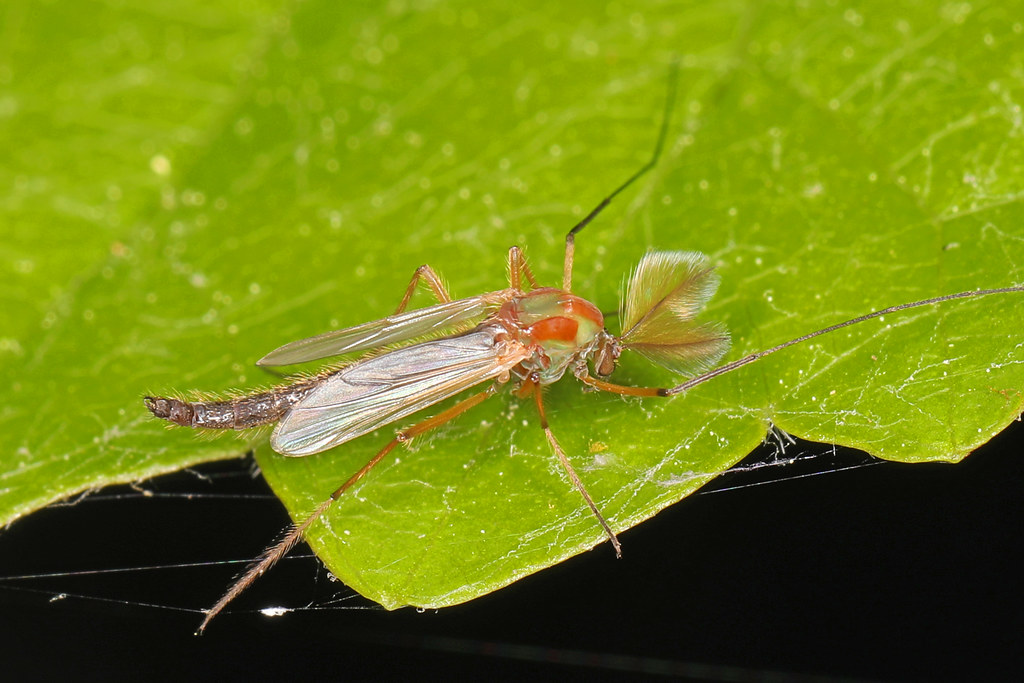
Photo: Judy Gallagher via Flickr (CC BY 2.0)
The Best Hikes in Congaree National Park pass through a forest that is often called a swamp but is better understood as a living floodplain. Much of the park is firm ground beneath towering hardwoods, with water rising and retreating according to rainfall and the nearby Congaree River. That seasonal flooding is the reason bald cypress, water tupelo, swamp chestnut oak, and loblolly pine can grow to such exceptional size here.
Congaree National Park protects 26,692 acres in central South Carolina, roughly 20 miles southeast of Columbia. Its trails are mostly level, but footing, standing water, heat, mosquitoes, and sudden thunderstorms can make a short walk feel more demanding than its elevation profile suggests. Our team recommends choosing a route by habitat and water conditions rather than mileage alone: elevated boardwalks are the reliable starting point, while longer dirt trails reveal quieter sloughs, oxbow lakes, and river-edge forest where wildlife is easier to find.
Start with the trail system and the floodplain’s rhythm
Why the park changes after rain
Congaree sits within the Atlantic Coastal Plain, where the Congaree River has repeatedly deposited sand, silt, clay, and organic matter across a broad floodplain. Cedar Creek, a slow blackwater stream stained tea-brown by decomposing leaves and plant tannins, winds through the park’s interior. The result is a mosaic of slightly raised natural levees, low swales, shallow sloughs, and old river channels. A trail that is dry in late summer can hold water after a major rain event or river rise.
This hydrology explains both the forest structure and the hiking experience. Higher ground supports species such as sweetgum, American beech, and oaks, while wetter pockets favor bald cypress and water tupelo. Floodwater also moves seeds, nutrients, and woody debris across the forest floor. Check the park’s current trail conditions before committing to longer loops, especially from winter through spring, when wet ground and high water are common. Fees, closures, and access details can change, so confirm on the official park site before leaving for the trailhead.
Distances and difficulty at a glance
| Trail | Distance | Typical surface | Best reason to choose it |
|---|---|---|---|
| Boardwalk Loop | 2.6 miles | Elevated boardwalk and level path | Old-growth trees, dependable footing, easy orientation |
| Weston Lake Loop | 4.4 miles | Boardwalk, packed earth, low floodplain sections | Oxbow lake habitat and a longer forest walk |
| Sims Trail | 3 miles | Flat dirt trail | Quiet interior forest and birding |
| Kingsnake Trail | 2.5 miles | Flat dirt trail | Cedar Creek corridor and wetland edges |
| Oakridge Trail | 6.6 miles | Flat dirt trail with wet sections | Longer immersion in bottomland hardwood forest |
How to read “easy” in Congaree
There is little climbing here. Most of the park lies at roughly 80 to 130 feet above sea level, so route difficulty comes from distance, humidity, roots, mud, and exposure to insects rather than elevation gain. Boardwalks suit visitors who want a low-risk first walk, while unpaved trails require more attention underfoot. Long loops can also become isolated quickly because the forest absorbs road noise and sightlines are short beyond the trail corridor.
For any route beyond the Boardwalk Loop, carry more water than you would for a similarly flat neighborhood walk. Summer temperatures and humidity can remain high beneath the canopy, while winter rain can chill visitors who stop for wildlife viewing. Closed-toe shoes with traction are useful year-round. Waterproof footwear becomes particularly valuable when low trails are wet, although visitors should never enter flooded sections or attempt to judge water depth by appearance.
The Boardwalk Loop is the best first hike for old-growth forest
What the 2.6-mile loop shows you
The Boardwalk Loop begins near the Harry Hampton Visitor Center and provides the clearest introduction to Congaree’s old-growth bottomland hardwood forest. The route combines an elevated boardwalk with level ground-level sections, allowing visitors to see how the forest changes over small differences in elevation. Look for flared buttress roots on large trees, knees rising from bald cypress root systems, and broad trunks marked by floodwater stains. Interpretive signs help identify some of the forest’s major tree species and explain the floodplain ecology.
This trail is especially useful for travelers with limited time because it reaches mature forest quickly. The first portion offers broad views through the understory, while the deeper sections pass among taller trees and wetter ground. The loop also connects with longer trails, including Weston Lake Loop, making it an efficient place to begin a half-day outing. Start early if you want quieter conditions, cooler temperatures, and better chances of seeing deer or birds before other hikers arrive.
Find the biggest trees by slowing down
Bald cypress and water tupelo
Bald cypress grow in the wetter portions of the floodplain and are easiest to recognize by their fibrous, reddish-brown bark and flared bases. Water tupelo often grow beside them, with swollen lower trunks adapted to saturated soils. Both species tolerate periodic flooding, but their seedlings need exposed soil and changing water levels to establish. Their presence signals a low, wet site rather than an open permanent swamp.
Champion-sized hardwood habitat
Congaree is known for trees of remarkable height and girth, including loblolly pine, sweetgum, swamp chestnut oak, and cherrybark oak. Avoid looking only upward. The forest floor is equally informative: fallen trunks become nurse logs for fungi, mosses, insects, and seedlings, while standing dead trees provide cavities for woodpeckers, owls, bats, and squirrels. The park’s large trees survived because this floodplain was not extensively logged when much of the surrounding Southeast was cut over.
What standing on the boardwalk feels like
On a still morning along the Boardwalk Loop, the planks carry you just above wet leaf litter and shallow pools, while trunks rise straight from the forest floor like columns. The air is cooler under the canopy than in the parking area, and water drips intermittently from leaves long after rain. You may hear a pileated woodpecker’s sharp hammering before you locate it, then see movement high in the canopy rather than at eye level. The scale is most apparent when you stop: a mature cypress base can be wider than the boardwalk itself.
Choose wildlife hikes by habitat, not by a guaranteed sighting
Weston Lake and the wet forest edge
Weston Lake Loop is one of the best choices for visitors who want both old-growth trees and wetland wildlife. Weston Lake is an oxbow lake, a former bend of the Congaree River left behind as the river changed course. Its still water, wooded margins, and nearby floodplain create habitat for turtles, frogs, wading birds, dragonflies, and water snakes. Early morning is the most productive time to scan quiet water and sunlit logs before heat and foot traffic increase.
White-tailed deer commonly use the forest margins around lakes and sloughs, particularly at dawn and near dusk. Their tracks show as paired, pointed hoof marks in soft mud, often mixed with raccoon prints, squirrel tracks, and bird footprints. Wild pigs also occur in the park and can leave churned soil where they root for invertebrates and tubers. Give pigs ample space, keep children close, and do not approach animals for photographs.
Cedar Creek and Kingsnake Trail
Kingsnake Trail follows the Cedar Creek corridor through forest that can feel noticeably wetter than the Boardwalk Loop. The creek’s tannin-dark water supports aquatic insects and small fish, which in turn feed reptiles, amphibians, birds, and mammals. Watch the water surface for ripples from turtles or fish, and inspect sunny openings for basking reptiles from a respectful distance. The trail’s name reflects the eastern kingsnake, a nonvenomous species known for eating other snakes, though seeing one remains uncommon.
Snakes are a normal part of Congaree’s ecology. Copperheads and cottonmouths occur in the region, and visitors should assume that any snake deserves room. Stay on the trail, watch where you place hands and feet near logs or vegetation, and use a zoom lens rather than moving closer. Most snake encounters end quietly when hikers stop, give the animal a route away, and allow it to disappear into cover.
Birds of the canopy, understory, and snags
Congaree’s birdlife shifts with season and forest layer. Pileated woodpeckers excavate large rectangular holes in dead wood, while barred owls favor mature woods near water and may call with a distinctive rhythmic hoot. Prothonotary warblers arrive in spring and use cavities near swampy woodland. Wood thrushes, northern parulas, red-shouldered hawks, and various migratory songbirds can also be present, especially where dense vegetation meets open water.
Bring binoculars rather than relying on a phone camera. Many birds remain high in the canopy, and the best clue is often sound. Pause at creek crossings and near standing dead trees, then listen for drumming, calls, or movement in leaves. Avoid playing bird calls aloud, which can interrupt feeding, nesting, and territorial behavior. During spring and early summer, extra quiet also helps you notice frog choruses and insect activity that would otherwise fade into background noise.
Match your hike to the season and daily conditions
Wildlife activity through the year
| Season | Wildlife to watch for | Most useful habitat and timing |
|---|---|---|
| Winter | Woodpeckers, barred owls, deer, waterfowl | Open forest structure, oxbow lakes, morning and late afternoon |
| Spring | Warblers, prothonotary warblers, frogs, turtles | Cedar Creek, Weston Lake, wet woodland after rain |
| Summer | Dragonflies, snakes, deer, reptiles, breeding birds | Early morning boardwalks and shaded creek corridors |
| Autumn | Migrating songbirds, deer, woodpeckers, spiders | Forest edges and quieter interior trails during cooler hours |
Spring brings water, songbirds, and biting insects
Spring is one of the richest seasons for wildlife observation because floodplain wetlands are active and migratory birds move through the region. It is also a period when rainfall can make dirt trails muddy or impassable. Prothonotary warblers, known for their bright yellow plumage, are particularly associated with wooded wetlands and may be heard before they are seen. Mosquitoes and ticks become increasingly active as temperatures rise, so use repellent, wear long socks or pants on dirt trails, and complete a tick check after hiking.
Summer demands an early start
Summer vegetation is dense, insects are active, and midday heat can be intense even under mature trees. Begin near opening time when possible, especially for the Boardwalk Loop, Weston Lake, or Kingsnake Trail. Wildlife often reduces movement during the hottest hours, although dragonflies, frogs, turtles, and some reptiles remain active near water. Afternoon thunderstorms are common in South Carolina’s warm season, and the tall trees make it important to leave exposed trail areas promptly when thunder is heard.
Fall and winter reveal the forest’s structure
After leaves thin in late fall and winter, visitors can see farther into the woods and more easily spot large trunks, snag cavities, and deer moving through the understory. Cooler temperatures make Oakridge Trail and other longer routes more comfortable, though high water can still affect low sections. Winter is also an excellent period for studying the floodplain itself: exposed roots, leaf litter, water lines, and driftwood show where floodwater moved through the forest during previous high-water events.
Watch wildlife without changing its behavior
Keep distance at water and along narrow trails
Congaree’s dense vegetation can make an animal appear closer than it is, particularly along Cedar Creek and the low sections of Weston Lake Loop. Stop when you notice movement, then let the animal decide whether to continue, retreat, or cross the trail. Deer often freeze before moving away, while turtles may slide from logs into water at the first sign of a nearby person. A long lens or binoculars gives a better view than stepping off trail into saturated ground or vegetation.
Give particular space to wild pigs, snakes, and any animal with young nearby. Feral pigs can travel in groups and may react defensively if cornered or separated from piglets. Snakes regulate body temperature by using sunny patches, trail edges, logs, and leaf litter, so do not attempt to move one from the path. A calm pause is usually enough for wildlife to leave on its own.
Photography practices that protect the floodplain
The most useful wildlife photographs come from patience rather than pursuit. Set up at the edge of a boardwalk opening, lake overlook, or creekside gap, then wait for an animal to enter the frame naturally. Avoid flash around owls, frogs, turtles, and other low-light subjects. Do not use food, calls, or recorded sounds to draw wildlife closer. These practices can interrupt feeding, courtship, nesting, and movement through cover.
A low-impact wildlife checklist
- Remain on designated boardwalks and trails, even when a subject is just beyond the route.
- Use binoculars or a telephoto lens for birds, deer, turtles, and reptiles.
- Keep voices low near wetlands, snags, and dense understory where birds may be nesting.
- Yield the trail to wildlife and leave an open path for it to move away.
- Pack out food scraps, fishing line, and litter that could attract or entangle animals.
Plan a route around your available time
A short visit centered on the boardwalk
Visitors with about two hours can walk the Boardwalk Loop at a deliberate wildlife-watching pace. Begin with the elevated portions near the visitor center, where interpretive signs help distinguish cypress, tupelo, oak, and sweetgum habitat. Plan time to stop at wet pockets and standing dead trees rather than treating the loop as a fitness walk. Pileated woodpeckers, squirrels, anoles, and small birds are easier to notice when you pause for several minutes at a time.
Morning light also improves visibility beneath the canopy. In the afternoon, the low sun can create strong contrast between bright boardwalk openings and dark forest interior, making birds harder to photograph. If a recent rain has left shallow water around the trail, look for reflected trunks, floating leaves, and the raised roots that show how trees hold soil in a frequently flooded landscape.
A half-day combination for lake and creek habitat
For a longer outing, pair the Boardwalk Loop with Weston Lake Loop, or choose Kingsnake Trail when creek habitat is the priority. Weston Lake is the stronger choice for scanning still water and wooded margins, while Kingsnake offers more chances to listen for frog calls and watch the moving, tea-colored water of Cedar Creek. Carry a paper map or save one offline before leaving the visitor center, since forest cover can reduce phone reception.
These are among the Best Hikes in Congaree National Park for visitors who want to understand how closely wildlife activity follows water levels. The route choice should remain flexible. If low sections are muddy or flooded, return to the boardwalk network instead of trying to bypass water through vegetation. Walking around a wet trail widens damage to fragile soils and can expose hikers to hidden roots, holes, and snakes.
Frequently Asked Questions
Congaree is approachable for first-time hikers, but the park’s floodplain setting makes a few practical details important before choosing a route.
What is the best hike for first-time visitors?
The 2.6-mile Boardwalk Loop is the best first choice because it reaches old-growth forest quickly and provides more reliable footing than the longer dirt trails. It also gives visitors a useful introduction to the tree species, water patterns, and trail connections found elsewhere in the park.
Are dogs allowed on trails at Congaree National Park?
Leashed pets are generally allowed on Congaree’s trails. Keep dogs close, prevent them from entering wetlands or approaching wildlife, and bring water because heat and humidity affect animals as quickly as hikers.
How long does it take to hike the Boardwalk Loop?
Many visitors complete the loop in about 90 minutes to two hours, including stops to read signs and look for birds. Birders, photographers, and families walking slowly should allow additional time.
Do you need a reservation or permit to hike?
Day hiking usually does not require the planning involved with backcountry travel, but entrance procedures, special-use rules, and ranger-led programs can change. Check the park’s official website before your visit for current access, hours, and any reservation requirements.
Is Congaree suitable for children?
The Boardwalk Loop works well for many families because the route is level and provides frequent points of interest, including cypress knees, large trees, insects, and bird sounds. Adults should still keep children close near water, wet surfaces, and trail edges, and should plan for heat and mosquitoes during warm months.
Use the forest’s clues to choose the right hike
Congaree rewards visitors who slow down enough to read its floodplain: buttressed tree bases mark wet ground, driftwood shows the reach of past floods, and bird calls reveal activity far above the trail. Start with the Boardwalk Loop for the clearest view of old-growth bottomland hardwoods, then extend to Weston Lake or Kingsnake Trail when conditions allow and you have time for quieter water-edge habitat.
The most productive visit rarely depends on covering the greatest mileage. Arrive early, match your footwear and route to recent water conditions, carry binoculars, and spend time listening at the edge of Cedar Creek or an oxbow lake. Those habits turn a walk through Congaree’s forest into a closer look at the ecological processes that keep its trees, wetlands, and wildlife connected.
Want to keep exploring? Browse all our Congaree guides and articles for more trip-planning tips and ideas.
Gear & Essentials
Tell us about your trip and we will add what else you will want:
The basics
Worth having in the car whatever the park.
For this trip
As an Amazon Associate we earn from qualifying purchases, at no extra cost to you.