Best Things to Do in Cuyahoga Valley National Park in Every Season
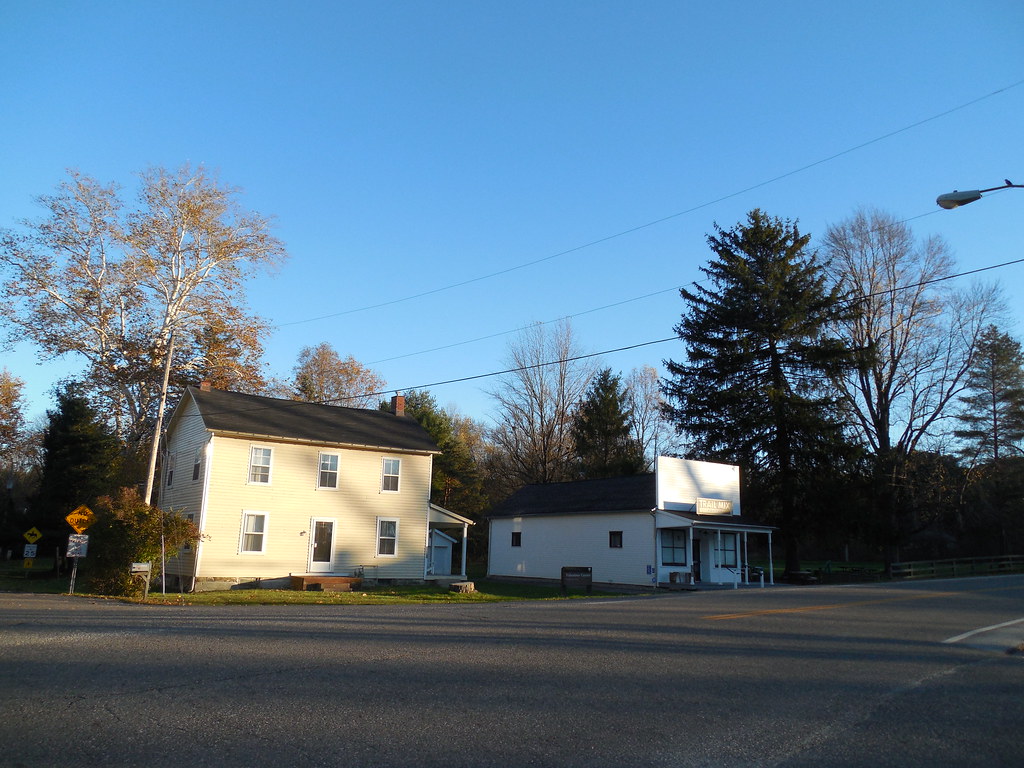
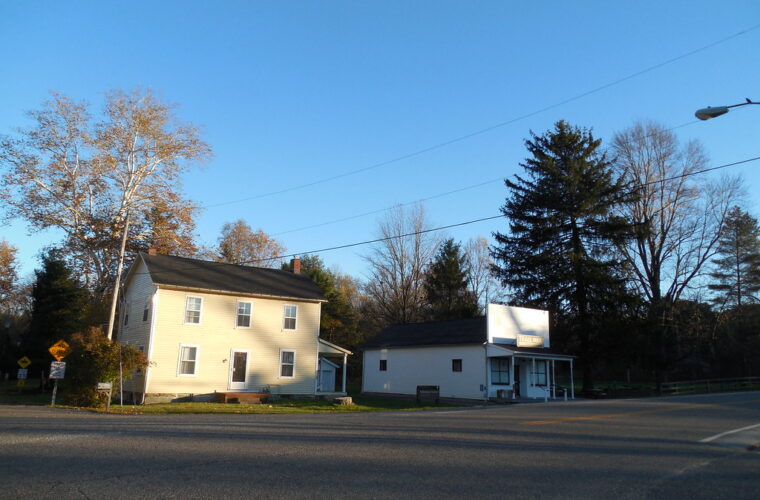
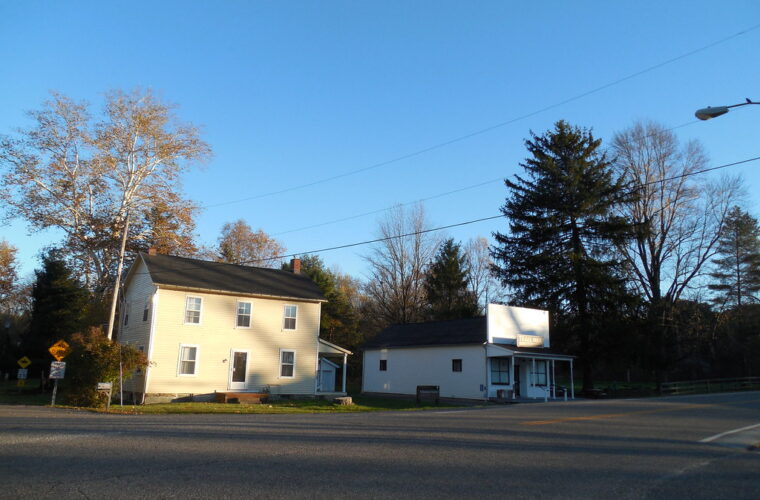
Photo: Dougtone via Flickr (CC BY-SA 2.0)
The Best Things to Do in Cuyahoga Valley National Park change less with dramatic mountain weather than with trail moisture, leaf cover, and the timing of northeast Ohio weekends. This 33,000 acre park lies between Cleveland and Akron, close enough for frequent day trips, yet its ravines, wetlands, beech and maple forests, and canal corridor can feel remarkably separate from the surrounding metropolitan area. The practical challenge is choosing conditions that suit the experience you want.
Cuyahoga Valley National Park follows the Cuyahoga River through a landscape shaped by glaciers, flowing water, and 19th century transportation. The Ohio and Erie Canal once moved goods between Lake Erie and the Ohio River watershed. Today, the canal route survives as the Towpath Trail, while tributary valleys cut through shale and sandstone to create waterfalls such as Brandywine Falls and the steep-sided Ledges area. Spring brings fast water, summer favors shaded walks and cycling, autumn concentrates visitors around color, and winter changes familiar trails into quiet, icy routes.
Start with the park’s layout and the kind of day you want
The park is long rather than compact, stretching roughly 20 miles from the Cleveland-area communities near Brecksville south toward Akron. A visit built around Brandywine Falls, the Ledges, and the Boston Mill area has a different rhythm from one focused on the Towpath Trail near Peninsula or the wetlands at Beaver Marsh. Driving between major trailheads can take 10 to 25 minutes, so grouping nearby stops matters more here than trying to cover the entire park in one outing.
The river, canal, and ravines create three distinct experiences
The Cuyahoga River valley is broad and low, with floodplain forests, wetlands, and the former canal alignment. The Towpath Trail provides the clearest way to travel through this corridor on foot or by bicycle. Side valleys rise quickly from the main valley floor, where streams have exposed sandstone ledges and created waterfalls. Brandywine Falls drops about 65 feet over layered Bedford and Berea sandstone, while the Ledges Trail passes beneath blocky Sharon Conglomerate formations deposited more than 300 million years ago.
Use Peninsula as the central planning point
Peninsula sits near the middle of the park and is useful for linking a walk, a bike ride, and a meal or supply stop in the same day. From there, the Towpath Trail runs north and south through the valley, while the Ledges area lies west of the river and Brandywine Falls is farther north. The village also makes a sensible base for visitors arriving from Cleveland, which is roughly 25 miles north, or Akron, roughly 15 miles south. Traffic around the park’s edges can make weekend travel slower than map estimates suggest.
Reservations and access are usually simpler than at major western parks
There is no general timed-entry system for ordinary trail use, but parking at popular trailheads can fill on clear fall weekends and warm summer afternoons. The park has limited overnight lodging and group accommodations rather than a broad frontcountry campground network, so travelers who need a bed near the trails should reserve early for leaf season and holiday weekends. Special programs, rail excursions, and facility access follow their own schedules. Confirm current fees, reservations, operating details, and temporary closures on the official park site before leaving home.
Compare the seasons before choosing your travel dates
Every season has a useful niche, but crowd levels affect the experience in specific ways. Autumn visitors encounter the fullest parking areas and the most people at overlooks, especially around the Ledges and Brandywine Falls. Summer crowds spread more evenly across long days and the Towpath Trail. Spring and winter often provide quieter trailheads, although spring mud and winter ice can slow travel enough that a shorter itinerary is the better choice.
| Season | Typical conditions | Crowd pattern | Access and best uses |
|---|---|---|---|
| Spring | Cool to mild temperatures, rain, muddy ground, high stream flow | Moderate, busiest on dry weekends | Waterfalls, migrating birds, woodland wildflowers |
| Summer | Warm, humid days, dense canopy, thunderstorms | Busy but dispersed across trails and bike routes | Long Towpath rides, shaded ravine hikes, paddling nearby |
| Autumn | Crisp mornings, colorful canopy, shorter daylight | Highest weekend demand, especially in October | Ledges, scenic drives, photography, rail and trail outings |
| Winter | Freeze and thaw cycles, snow, ice, bare forest | Low outside holiday periods | Quiet walking, snow activities when conditions allow, waterfall viewing |
Choose spring for water, birds, and emerging forest color
April through May is the strongest period for moving water. Rain and snowmelt fill Brandywine Creek and smaller tributaries, making waterfalls more forceful than they often appear by midsummer. The tradeoff is saturated soil. Ravine trails can be slick with wet leaves, clay, and exposed roots, and low spots on the Towpath Trail can remain soft after heavy rain. Waterproof footwear with tread is more useful than lightweight running shoes during this season.
Choose summer for distance and flexibility
June through August gives visitors the longest usable days, which makes it the easiest season for combining several areas without rushing. The forest canopy reduces direct sun on the Ledges Trail and many wooded paths, although humidity can be high in the river valley. Summer thunderstorms are a regular planning issue. Start longer bike rides or hikes early, carry water, and avoid exposed roads and open riverbank areas when lightning is nearby.
Spring rewards visitors who plan around wet trails
Spring comes gradually to the valley. Early April can still feel brown and cold, with bare branches exposing the contours of the ravines. By late April and May, spring ephemerals appear before the canopy closes, and the floodplain forest begins to green up. The best spring itinerary is rarely a long, rigid mileage goal. It is a flexible route that combines a waterfall stop, a dry section of the Towpath Trail, and time to watch the wetlands.
Follow the water at Brandywine Falls and Blue Hen Falls
Brandywine Falls is the most efficient waterfall stop because its main viewing area is reached by a relatively short walk from the parking area. The longer Brandywine Gorge Trail forms a loop of roughly 1.5 miles, descending into a wooded ravine where footing can be uneven after rain. Blue Hen Falls, farther south near the Boston Mill area, has a smaller cascade in a narrow shale gorge. Treat both places as wet-weather destinations, and stay on designated paths because shortcutting causes severe erosion along steep banks.
Watch for migration at Beaver Marsh and along the Towpath
Beaver Marsh, near the Ira Trailhead, is one of the park’s most productive wildlife stops in spring. The wetland formed after beavers blocked a drainage ditch, creating open water and emergent vegetation used by waterfowl, turtles, herons, red-winged blackbirds, and migrating songbirds. The Towpath Trail passes directly beside it, allowing an easy walk or ride without entering sensitive habitat. Bring binoculars, move quietly, and scan the water’s edge rather than expecting wildlife to appear in the middle of the trail.
Spring gear that solves the common problems
- Waterproof hiking shoes or boots with deep tread for muddy ravines.
- A light rain shell, since cold rain can arrive with little warning.
- Binoculars for Beaver Marsh and river corridor birding.
- Spare socks for longer walks after wet grass or shallow puddles.
- Insect repellent by late spring, particularly near wetlands.
Summer is the season for the Towpath Trail and shaded sandstone walks
Summer makes Cuyahoga Valley National Park especially practical for active visitors because the Towpath Trail offers a relatively gentle route through the center of the valley. The trail follows the historic canal alignment, so grades are modest compared with the side ravines. Cyclists can cover a substantial section in a few hours, while walkers can choose short out-and-back segments from trailheads near Peninsula, Boston Mill, or Brecksville. Plan for heat buildup by midday, particularly on open stretches beside fields and wetlands.
Ride or walk the Ohio and Erie Canal Towpath Trail
The Towpath Trail extends far beyond the national park as part of a larger Ohio route, but approximately 20 miles run through Cuyahoga Valley National Park. Within the park, the crushed-stone surface passes canal remnants, the Cuyahoga River, hardwood forest, and marshes. A useful approach is to select one direction, ride for a set amount of time, then return rather than trying to complete an ambitious point-to-point outing. Families and casual riders should remember that loose gravel, summer heat, and return mileage can make a flat trail feel longer than expected.
Cool off beneath the Ledges
The 1.8 mile Ledges Trail loops through some of the park’s most distinctive geology. Sharon Conglomerate sandstone forms overhangs, passage-like corridors, and cliff faces above the trail. Standing in the narrowest sections, the ground is often damp and uneven beneath roots and sandstone fragments, while cooler air collects below the rock walls. Overhead, hemlocks and hardwoods filter the sun, and the sound shifts from road noise to dripping water, birds, and footsteps against stone. The route has short climbs and rocky footing, so it is best treated as a hike rather than a quick overlook stop.
Build a summer day around early starts and nearby trailheads
Start at Brandywine Falls or the Ledges before late morning, then move to the Towpath Trail when shaded forest trails become humid. A practical combination is a short waterfall walk, a midday meal or refill stop in Peninsula, and a late-afternoon bike ride or marsh walk. Keep an eye on the sky in July and August. Thunderstorms can turn rocky ravine trails slippery quickly, and the river can rise after heavy rain even when the day began hot and dry.
Autumn brings the fullest trailheads and the longest color season
Autumn is the most popular time to visit because Cuyahoga Valley’s mixed hardwood forest changes gradually rather than all at once. Maples contribute red and orange tones, while oaks, hickories, and beeches carry yellow, bronze, and russet leaves into later fall. Color commonly develops from late September through October, with exact timing shaped by temperature, rain, wind, and elevation. The result is a longer viewing window, but the highest demand falls on dry October weekends.
See color from the Ledges and valley overlooks
The Ledges Overlook is one of the park’s best broad views because it looks east across the Cuyahoga Valley toward forested slopes and the distant Cleveland skyline on clear days. Arrive early if you want nearby parking and quieter trails. The overlook is especially useful near sunset, while the Ledges Trail itself is better in midday light when roots, rocks, and uneven ground are easier to see. Falling leaves can conceal wet stone and shallow holes, so slow down even on trails you have walked before.
Plan around weekend congestion rather than avoiding autumn entirely
Visitors who can travel midweek will find more space at Brandywine Falls, the Ledges, and Peninsula. Weekend visitors should begin at their first trailhead early, then shift to longer linear routes such as the Towpath Trail after midday. The canal corridor absorbs people better than short waterfall overlooks because hikers and cyclists spread out over miles of trail. Later in the season, leaf cover thins, views open through the woods, and cooler temperatures make longer walks more comfortable before winter trail conditions take over.
Winter changes the park into a quieter, slower place
December through March is the least crowded period for exploring Cuyahoga Valley National Park, particularly on weekday mornings. Bare trees expose the shape of the river valley, sandstone outcrops, and old canal corridor in ways summer foliage hides. Snow is possible throughout the season, but northeast Ohio often experiences repeated freeze and thaw cycles rather than uninterrupted deep snow. That pattern matters because a trail can begin firm, become muddy in a sunny section, and turn icy again where shade holds cold air.
Winter is well suited to visitors who want short hikes, wildlife watching, and time at overlooks without autumn parking pressure. The best things to do in Cuyahoga Valley National Park during this season depend on traction and daylight rather than ambitious mileage. Start earlier than you would in summer, carry a headlamp for safety, and choose routes with a clear turnaround point. The forest becomes dark well before the end of a cloudy winter afternoon.
Use snow conditions to choose between hiking, snowshoeing, and skiing
Kendall Lake and the surrounding trails are popular places to look for usable snow cover. When snow is packed but shallow, hiking boots with traction devices often work better than snowshoes. Snowshoes become useful only after a substantial accumulation that would otherwise sink a walker into soft snow. Cross-country skiers need a consistently snow-covered surface, and trail conditions can vary greatly between open fields, shaded woods, and low areas near the river.
Approach frozen waterfalls and ravines carefully
Brandywine Falls can develop ice along its sandstone walls during prolonged cold, while water continues to move beneath or beside the visible frozen surface. View the falls from established overlooks and stairs, not from the creek bed or gorge walls. Ice near waterfalls is often thin, undercut by flowing water, and harder to assess than ice on a level sidewalk. The same caution applies to the Ledges Trail, where wet rock, leaf-covered roots, and shaded steps can remain slick for days after a storm.
Look for winter wildlife along open water
The Cuyahoga River, Beaver Marsh, and other wetland edges can concentrate bird activity where water remains open. Canada geese, ducks, great blue herons, and occasional bald eagles are easier to spot against leafless branches, though wildlife sightings are never guaranteed. Deer also stand out more readily in the open understory. Keep distance, use binoculars instead of approaching for photographs, and remember that animals spend more energy moving through snow and cold conditions.
Match your itinerary to crowd patterns and changing access
In this park, crowding usually affects parking and the first half mile of a popular trail more than the entire landscape. Brandywine Falls and the Ledges draw concentrated demand because they offer short walks to a major feature. The Towpath Trail distributes visitors across many miles, making it a useful alternative after busy overlooks fill. A crowded lot does not always mean every trail is crowded, but it does mean you should have a second nearby stop ready before arriving.
Seasonal conditions also change how efficiently visitors move between sites. Rain can soften unpaved trail surfaces in spring, summer storms can produce temporary standing water, autumn leaves conceal roots and rock, and winter ice slows stairways and ravine descents. Public roads through the valley are generally the practical links between trailheads, but their driving conditions follow regional weather, especially during snow and freezing rain. Build extra time into a winter or wet-weather schedule rather than treating map travel estimates as fixed.
Plan popular stops for the first or last part of the day
Arriving early works best for Brandywine Falls, the Ledges, and the Boston Mill area because it protects the most parking-sensitive part of the itinerary. Save the Towpath Trail, Beaver Marsh, or a longer walk for later, when visitors have spread out or departed. During October, a Sunday afternoon can be especially busy after football games, family outings, and leaf-viewing traffic converge on the same short routes.
Use a simple decision framework before you leave
Choose the season based on the experience that matters most, then select only two or three nearby destinations. Visitors chasing strong waterfall flow should prioritize spring rain patterns. Cyclists and families seeking a longer active day will usually find summer easiest. Leaf color and broad valley views favor autumn, while solitude and exposed geology favor winter. This approach prevents a common mistake: spending most of a day driving between distant trailheads instead of walking.
A practical way to choose your visit
- For waterfalls: Choose April or May after a period of rain, and expect muddy footing.
- For cycling: Choose late spring through early fall, starting before midday heat or storms.
- For fall color: Visit on a weekday in late September or October, with an early arrival plan.
- For quiet trails: Choose winter weekdays, but carry traction and shorten your route.
- For young children: Pair one short waterfall walk with a flat Towpath Trail segment rather than stacking several ravine hikes.
Frequently Asked Questions
Cuyahoga Valley National Park is easy to visit from Cleveland and Akron, but practical details vary by season and activity. These answers address the questions that most affect a first itinerary, from pet rules to the amount of time needed. Check the park’s official website before travel for current alerts, facility schedules, and any activity-specific requirements.
Are dogs allowed in Cuyahoga Valley National Park?
Dogs are allowed on most park trails when kept on a leash no longer than six feet. Bring water, bags for waste, and avoid letting pets enter sensitive wetlands or disturb wildlife along the river and marsh edges.
Do I need a reservation to visit the park?
Ordinary day visits and trail use do not generally require a park-wide reservation. Overnight accommodations, special programs, rail trips, and certain events can have separate booking rules, so review the relevant listing on the official park website before making a fixed plan.
How long should I spend in Cuyahoga Valley National Park?
A half day is enough for Brandywine Falls, the Ledges, and one short Towpath Trail walk. A full day allows time for a longer bike ride, Beaver Marsh, and a second ravine hike without rushing between the north and south ends of the valley.
Is Cuyahoga Valley National Park good for kids?
Yes, especially for families who choose short, feature-rich walks. Brandywine Falls, Beaver Marsh, and flat Towpath Trail segments provide clear destinations, while the Ledges Trail is better for children comfortable with uneven ground, roots, and short climbs.
What is the best month for fall color?
October is usually the strongest month for broad fall color, though changes can begin in late September and continue into early November. Maples often color earlier, while oaks and beeches can hold leaves later, extending the season across several weeks.
Choose a season that fits the way you want to move through the valley
Cuyahoga Valley rewards visitors who plan for the surface underfoot and the time of day as carefully as the destination itself. Spring favors waterfalls and migration, summer supports longer rides and shaded hikes, autumn delivers the fullest canopy color alongside the busiest trailheads, and winter reveals a quieter forest shaped by ice, exposed sandstone, and open views. A focused itinerary built around one part of the park will usually feel more satisfying than an attempt to see every landmark.
For the best results, begin with your priority, then choose the season and trail type that supports it. Pair ravine hikes with suitable footwear, reserve peak-season lodging early if you need it, and keep a flexible alternative for weather or parking. The river corridor, canal history, wetlands, and sandstone side valleys give the park enough variety for repeat visits, with each season showing a different working landscape rather than a completely different destination.
Want to keep exploring? Browse all our Cuyahoga Valley guides and articles for more trip-planning tips and ideas.
Gear & Essentials
Tell us about your trip and we will add what else you will want:
The basics
Worth having in the car whatever the park.
For this trip
As an Amazon Associate we earn from qualifying purchases, at no extra cost to you.