Crater Lake National Park Camping Guide: Campgrounds, Reservations and Tips
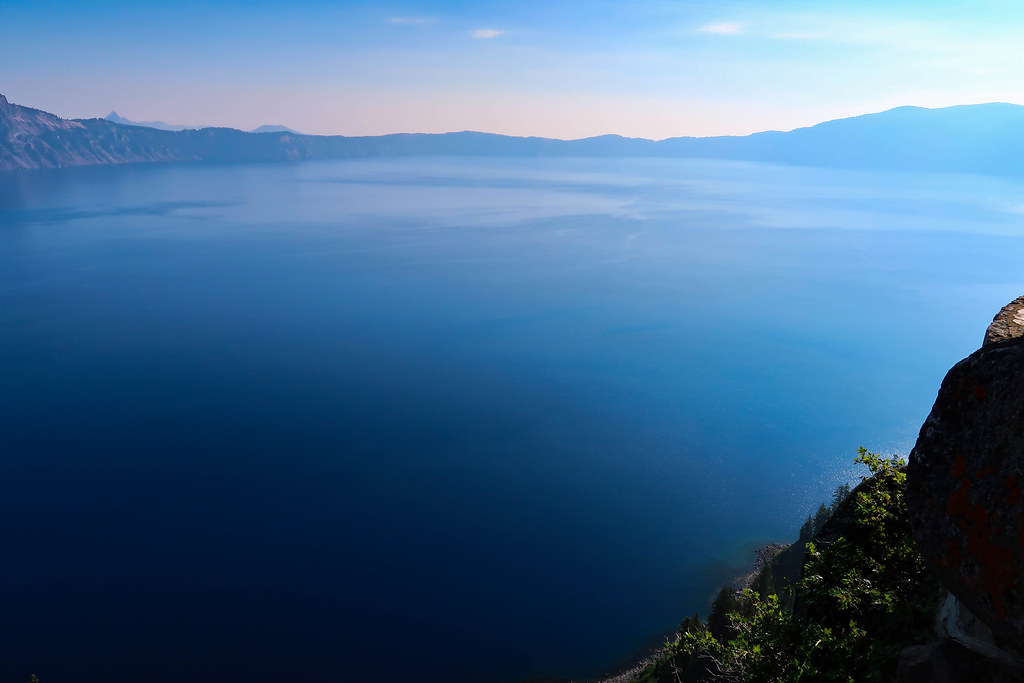
Photo: apasciuto via Flickr (CC BY 2.0)
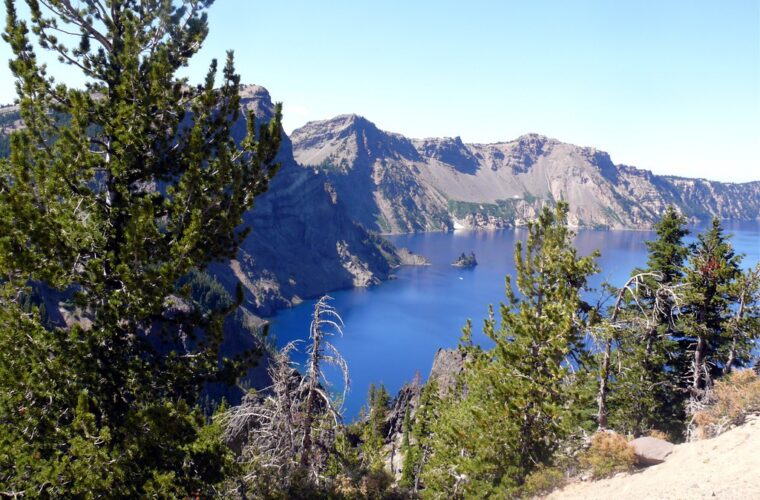
At Crater Lake National Park, dawn reaches Mazama Village through lodgepole pines while cold air settles around the tents and Steller’s jays call overhead. Seven miles north, morning light is already striking the caldera walls above a lake 1,943 feet deep. Campers sleep below the rim rather than beside the water, which provides better shelter from wind but still brings chilly nights at roughly 6,000 feet.
The park has two developed campground areas with very different capacities and access patterns. This first half of our guide explains their settings, suitable camping setups, reservation strategy, seasonal conditions, and the equipment that handles the park’s snow influenced climate.
Understanding Camping at Crater Lake National Park
Crater Lake occupies the caldera left by the collapse of Mount Mazama about 7,700 years ago. The lake surface sits near 6,178 feet, while surrounding summits rise higher, including 8,929 foot Mount Scott. Developed camping is concentrated below the rim in conifer forest. Camping at Rim Village, overlooks, parking areas, and roadside pullouts is prohibited.
Mazama Campground for tents and recreational vehicles
Mazama Campground is the park’s main developed option, near Mazama Village and the southern entrance road. Its roughly 200 wooded sites traditionally accommodate tents, vans, trailers, and motorhomes, although individual parking pads vary considerably. Some sites have offered electrical service, while water and sewer connections at each campsite should not be expected. The drive to Rim Village generally takes about 15 to 20 minutes in clear summer conditions.
Lodgepole pine and mountain hemlock create partial shade, but privacy depends on the loop and site. Interior sites can feel enclosed by trees, while sites near loop roads receive more headlights and foot traffic. Large recreational vehicles require particular care because tree trunks, narrow turning angles, and uneven pads can matter as much as the published length limit.
Lost Creek Campground for a quieter tent setup
Lost Creek is a small, tent only campground reached from East Rim Drive near the road to Pinnacles Overlook. It has traditionally contained 16 basic sites and operated on a first come, first served basis. Its small scale suits campers carrying compact equipment and those willing to drive farther for food, supplies, and the main rim facilities.
| Campground | Best suited to | Setting | Key limitation |
|---|---|---|---|
| Mazama | Tents, vans, trailers, and many motorhomes | Large forest campground near the south entrance road | Site dimensions and electrical availability vary |
| Lost Creek | Small tents and simple vehicle based camps | Quiet forest near the southeast side of the rim | Very limited inventory and no large recreational vehicles |
Reservations, Site Selection, and Arrival Strategy
Crater Lake’s developed camping season is short because deep snow blocks campground roads and delays utility startup. Mazama generally uses advance reservations for at least part of its operating season, while Lost Creek has historically used first come availability when open. Operators, booking windows, fees, loop closures, and even campground openings can change after heavy winters or construction, so confirm the current year’s details on the official park site before building the trip around a campsite.
How to Approach the Mazama Campground Reservation Window
Begin by identifying the longest vehicle in your party, including the tow vehicle where required, then filter for sites that can hold the complete setup. A campsite listed for a trailer may still have a curved or constrained parking spur. Tent campers should examine site photos for level ground, distance from neighboring pads, and the position of the tent area relative to campground roads.
Book the campsite before fixing the rest of the itinerary
Summer weekends carry the strongest demand, especially from July through September when most of Rim Drive and the park’s major trails are accessible. If the reservation system releases inventory on a rolling schedule, note the precise release time and search several acceptable dates. Midweek arrivals usually provide more options than Friday or Saturday arrivals.
Plan for limited connectivity at arrival
Download the reservation record, park map, and campground loop map before entering the park. Mobile coverage is inconsistent across the caldera and surrounding forest. Save the site number as a screenshot and arrive with enough fuel to continue outside the park if weather, road work, or an unexpected closure changes the plan.
Choosing between shade, privacy, and convenience
Sites closer to shared facilities reduce walking but also bring doors closing, conversation, and vehicle movement. Outer loop sites can provide a quieter forest edge, though they may sit farther from water or restrooms. We prioritize a level tent pad and adequate vehicle clearance over proximity to services. At this elevation, poor drainage also matters because melting snow and summer thunderstorms can leave low spots damp well after surrounding ground dries.
Seasonal Conditions and Gear for Crater Lake National Park
Crater Lake receives roughly 40 feet of snow during an average year, and snowbanks can linger into July around the rim. Developed campgrounds usually function as summer and early autumn destinations rather than conventional spring campgrounds. Even after warm afternoons, clear nights can fall near freezing. Late summer brings drier ground and wider road access, along with the possibility of wildfire smoke from elsewhere in southern Oregon.
What each part of the camping season feels like
| Period | Likely advantages | Planning concerns |
|---|---|---|
| Early operating season | Long daylight, lingering snow scenery, fewer insects in cold conditions | Wet ground, closed roads or trails, freezing nights |
| Mid summer | Best chance of full Rim Drive access and open hiking routes | Strong demand, mosquitoes near damp forest, afternoon thunderstorms |
| Late summer to early autumn | Cool hiking weather, fewer insects, generally dry campsites | Smoke risk, colder nights, shortening daylight, early snow possible |
Gear that earns space in the vehicle
A forecast for nearby low elevation towns does not represent conditions on the rim. Pack for a sharp temperature drop between afternoon and dawn, and secure food against wildlife rather than leaving it in a tent or unattended cooler.
- Warm sleep system: Use an insulated sleeping pad and a bag rated below the predicted overnight low.
- Rain protection: Bring a full rain fly, groundsheet, and waterproof layers for thunderstorms or wet snow.
- Sun protection: High elevation ultraviolet exposure is strong on exposed overlooks and pumice slopes.
- Insect defense: Mosquitoes can be persistent where snowmelt remains in the forest.
- Food storage: Keep food, toiletries, cooking equipment, and scented waste secured according to park rules.
- Water capacity: Carry enough containers to manage interruptions or distance from campground water points.
Protecting camp from cold, wind, and volcanic soil
Pumice and dusty volcanic soil do not grip every tent stake securely. Bring sturdy stakes and tension the rain fly before leaving camp for the day. The forest shelters Mazama better than the exposed rim, but gusts still move through during frontal weather. Keep sleeping bags away from tent walls, store dry clothing in sealed bags, and never use a stove or fuel heater inside a tent because of fire and carbon monoxide risk.
Running a Safe and Efficient Campsite
Days at Crater Lake often begin below freezing and become warm enough for short sleeves by afternoon. Organize camp so insulation, rain layers, and breakfast equipment remain accessible without unloading the entire vehicle. Before leaving for the rim, lower the tent profile, secure loose chairs, and place anything scented in approved storage. Ravens, Steller’s jays, ground squirrels, and black bears can all learn to associate campsites with food.
Cooking and storing food in bear country
Prepare meals on the campsite’s durable surface rather than beside the tent. Food scraps, toothpaste, pet food, and empty packaging require the same secure storage as unopened groceries. Clean cooking equipment immediately, strain dishwater as directed by campground rules, and dispose of food particles with trash. A cooler should remain locked inside a hard sided vehicle or an approved storage locker whenever nobody is actively using it.
Supplies that prevent unnecessary driving
Campers should arrive with meals, vehicle fuel, and drinking water capacity sufficient for the planned stay. Services inside the park are limited compared with those in gateway communities, and a forgotten stove connector can consume a large part of the day. Our final camp check includes:
- Stove fuel compatible with the exact burner model
- Headlamps for every camper
- Trash bags and sealable food containers
- A tire gauge, spare tire, and basic vehicle tools
- Printed directions for the campground and departure route
Choosing Crater Lake National Park Day Trips From Camp
Mazama works well as a central base for Rim Village, the lake overlooks, and trailheads around Rim Drive. Lost Creek places campers closer to the Pinnacles and the southeastern section of the park, but farther from the most heavily visited viewpoints. Begin longer hikes early because exposed rim trails offer little shelter from thunderstorms, strong sun, or rapidly changing wind.
Experience the caldera from Rim Village
At the rim, pale pumice shifts underfoot while the ground drops abruptly beyond the stone walls. Wind rises from the caldera even when the forest below camp feels still. The lake appears almost vertical beneath the overlook, with Wizard Island standing about 763 feet above the water. On a calm morning, voices fade quickly into the open space and the opposite cliffs seem much closer than their actual distance.
Match the trail to your available time
Trail mileage can look modest on a map, but elevations above 6,000 feet make sustained climbs harder for visitors arriving from sea level. Carry water even on cool mornings and turn back when thunder develops over the rim.
| Trail | Approximate distance | Primary reason to choose it |
|---|---|---|
| Garfield Peak | 3.6 miles round trip | High caldera views with about 1,000 feet of climbing |
| Mount Scott | 4.4 miles round trip | The park’s highest summit at 8,929 feet |
| Cleetwood Cove | 2.2 miles round trip | The only legal trail access to the lakeshore |
| Pinnacles Trail | About 1.6 miles round trip | Close views of eroded volcanic spires |
Explore the southeastern volcanic landscape
The Pinnacles differ sharply from the broad caldera views. These narrow fossil fumaroles formed when hot gases cemented ash around vents after Mount Mazama’s climactic eruption. Later erosion removed the softer material and exposed the hardened spires. Campers at Lost Creek can reach this area efficiently, while Mazama campers should combine it with the eastern overlooks to avoid repeating the same section of Rim Drive.
A Practical Two-Night Crater Lake National Park Camping Plan
Two nights provide one complete sightseeing day without requiring campers to pack immediately after arrival. A third night creates useful flexibility for smoke, cloud cover, or thunderstorms. Because lake visibility can change within hours, avoid assigning every viewpoint to one fixed time. Visit the rim whenever skies are clear, then use forest walks and the Pinnacles when clouds obscure the caldera.
Arrival afternoon and first evening
Set up camp before driving to Rim Village. Daylight makes it easier to identify uneven ground, overhead dead branches, and the safest route between the tent and vehicle. Use the remaining afternoon for Discovery Point or nearby rim overlooks, then return before darkness complicates campground navigation. Temperatures drop quickly after sunset, so prepare sleeping pads and dry base layers before leaving camp.
Full day and departure morning
Start the full day with Garfield Peak or Mount Scott, choosing according to road access and the group’s fitness. Continue around the rim only if everyone has sufficient food, water, and fuel. On departure morning, choose a shorter walk such as the Pinnacles Trail rather than committing to Cleetwood Cove’s steep return climb. Inspect the campsite for microtrash, extinguish all permitted fires completely, and check beneath the vehicle for equipment.
- Photograph the campsite before unpacking to simplify final cleanup.
- Keep one dry clothing set sealed for the second night.
- Refuel before a long Rim Drive sightseeing day.
- Leave enough daylight to pack wet tents safely.
Planning Your Crater Lake National Park Camping Trip
A successful stay begins with matching the campsite to the complete camping setup. Mazama provides the broadest range of spaces and the most convenient base for first visits. Lost Creek rewards tent campers who value a small campground and easy access to the park’s southeastern geology. In either location, level ground, vehicle clearance, and secure food storage matter more than being closest to a shared facility.
Reserve early where reservations apply, arrive prepared for cold nights, and keep the sightseeing plan flexible enough to use clear weather. Crater Lake National Park rewards campers who account for elevation, lingering snow, limited services, and long driving loops. With those details settled before arrival, camp becomes a dependable base for caldera overlooks, volcanic trails, and quiet mornings in the southern Oregon forest.
Want to keep exploring? Browse all our Crater Lake guides and articles for more trip-planning tips and ideas.
Gear & Essentials
Tell us about your trip and we will add what else you will want:
The basics
Worth having in the car whatever the park.
For this trip
- Camp lantern Etekcity Camping Lanterns 4-Pack LED
- Camping hammock Wise Owl Outfitters Camping Hammock
- Camping pillow Hikenture Inflatable Camping Pillow
- Lighter & matches BIC Maxi Pocket Lighters 10-Pack
- Shelter tarp Amazon Basics Waterproof Multipurpose Camping Tarp
- Tent Camping Tent 2-4 Person Easy Setup
Traveling with kids
Bringing a pet
RVing
Backcountry
Winter conditions
On the water
Photography
Accessibility
As an Amazon Associate we earn from qualifying purchases, at no extra cost to you.