







Everglades National Park with Kids: A Family Guide

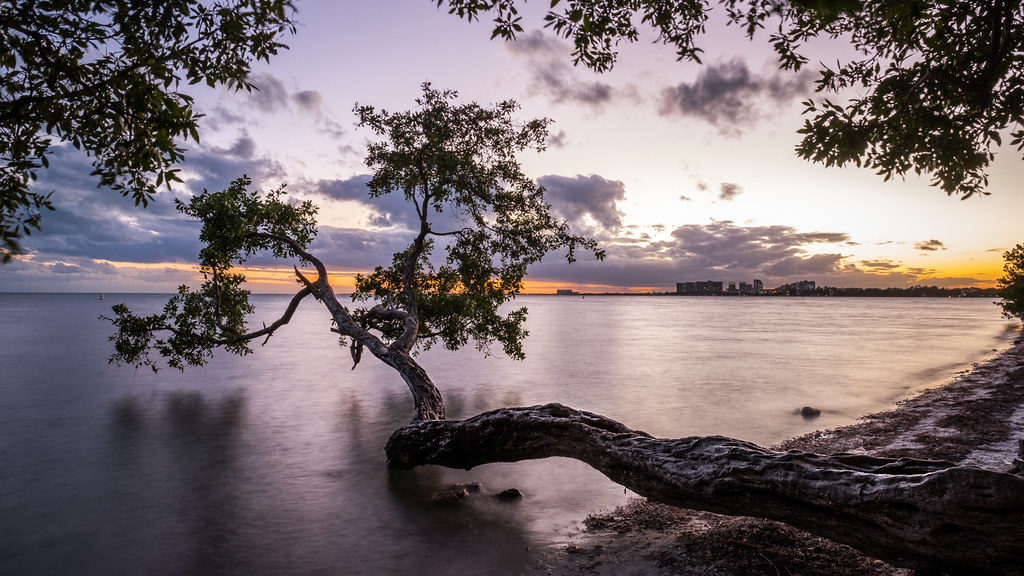
Photo: elektratig via Flickr (CC BY-NC-SA 2.0)
Everglades National Park kids: these two words define one of the most genuinely surprising family travel combinations in the United States. Most children expect a national park to mean mountains or canyons, so the Everglades lands with the force of something completely unfamiliar: a vast, slow-moving river of grass only six inches deep in places, sliding southward across 1.5 million acres of South Florida toward Florida Bay. The park protects the largest tropical wilderness in the country and the only place on Earth where alligators and American crocodiles share the same habitat. For families, that biological improbability alone is worth the drive.
This guide walks you through how the park actually works, which zones reward family visits the most, and how to match specific trails, boardwalks, and boat tours to the age and patience level of the children in your group. We cover the best seasons for visiting with kids, the gear that makes or breaks a summer trip, and the wildlife encounters that tend to produce the genuine, open-mouthed awe that most families are chasing.
How the Everglades Actually Work: What Kids (and Parents) Need to Understand First
The River of Grass Explained
The Everglades is not a swamp in the classic sense. It begins at Lake Okeechobee roughly 100 miles to the north, and a shallow sheet of freshwater moves south through sawgrass prairie at a rate of about a quarter mile per day. That movement is almost invisible to the eye, but it drives every ecological relationship in the park. The sawgrass itself grows on a thin layer of peat over oolitic limestone, a rock formed from compressed marine shells when much of South Florida was a shallow sea roughly 125,000 years ago. Explaining this to a curious nine-year-old before you arrive makes the landscape snap into focus on arrival rather than looking like a lot of flat grass from the car window.
Within that sheet flow, small rises in elevation of just one or two feet create entirely different plant communities. Tree islands called hammocks rise above the surrounding marsh and support tropical hardwoods, ferns, and orchids that survive nowhere else in the continental United States. Cypress domes appear as circular clumps of bald cypress, deeper in the middle where water pools longest. These micro-elevation shifts are invisible on a standard topographic map but completely obvious once a ranger points them out, and that moment of recognition is exactly the kind of learning that sticks with kids long after the trip is over.
The Three Main Entry Corridors
Families should understand that the Everglades has three separate entry points, each with its own character, facilities, and wildlife highlights. Driving all three in a single trip is possible but requires planning.
| Entry Corridor | Nearest Town | Drive from Miami | Best For |
|---|---|---|---|
| Ernest F. Coe (Main Entrance) | Homestead, FL | Approx. 45 minutes | Boardwalk trails, alligators, Royal Palm area |
| Shark Valley | Miami (western edge) | Approx. 35 minutes | Tram tours, bike rentals, alligator density |
| Gulf Coast (Everglades City) | Everglades City, FL | Approx. 90 minutes | Boat tours, mangrove channels, manatees |
For most families on a first visit, the Main Entrance and Shark Valley cover the two defining Everglades experiences: the sawgrass and hammock ecosystem versus the open slough with its extraordinary alligator density. Confirm current entrance fees and tram tour reservations on the official park site, as pricing and availability shift seasonally.
Everglades National Park with Kids: A Family Guide to Choosing the Right Season
Dry Season (November through April): The Recommended Family Window
The dry season is the only time most families should seriously consider visiting. As water levels drop from November onward, wildlife concentrates at shrinking ponds and sloughs in densities that simply have no equivalent elsewhere in North America. Wading birds stack up by the hundreds: great blue herons, roseate spoonbills, snowy egrets, and wood storks crowd the edges of gator holes while alligators bask in full view on the banks. Mosquito populations drop to manageable levels, temperatures stay in the 65 to 80 degree Fahrenheit range, and afternoon thunderstorms are rare. January through March is the peak wildlife-viewing window and the most comfortable stretch for families with young children.
The tradeoff is that dry season is also the busiest period. Popular boardwalks like Anhinga Trail at Royal Palm can feel crowded on winter weekends, and parking at Shark Valley fills early. Arriving before 9 a.m. solves most congestion problems and has the added bonus of catching the light when it is low and golden, which makes wildlife photography with even a phone camera produce genuinely impressive results.
Wet Season (May through October): High Heat, High Reward for the Prepared Family
Summer in the Everglades is an experience of biblical rain and mosquitoes that can defeat unprepared visitors in minutes. From June through September, afternoon storms drop around 60 inches of rain across the park, raising water levels and dispersing wildlife across a much larger area. Alligator sightings drop in frequency as animals spread out, and many hiking trails become inaccessible. However, summer also brings green herons nesting in the mangroves, lightning-fast tarpon in Florida Bay, and nearly empty parking lots. Families who visit during the wet season with high-DEET insect repellent, lightweight long sleeves, and realistic expectations often find a raw, less-curated version of the park that sticks with them longer than a comfortable winter visit.
Gear & Essentials
Before you head out, make sure you have the right gear for Everglades National Park with Kids: A Family Guide. These are our picks:
- Sawyer Picaridin Insect Repellent Lotion
- First Aid Only 298 Piece All-Purpose Kit
- Merrell Trail Chaser Kids Hiking Shoe
- pxton Long Range Walkie Talkies
- MAXTOP Crossbody Fanny Pack
- Shakespeare Youth Fishing Reel & Rod Combo
As an Amazon Associate, we earn from qualifying purchases at no extra cost to you.
The Signature Everglades National Park Kids Experiences Every Family Should Prioritize
Anhinga Trail: The Best Single Hour in the Park
The Anhinga Trail at Royal Palm, located about four miles from the Main Entrance, covers only 0.8 miles on a paved and boardwalk loop but consistently delivers the most concentrated wildlife viewing in the entire park. The trail runs along Taylor Slough, a natural channel where water persists through the dry season. In January and February, it is not unusual to spot 20 or more alligators within the first 200 feet of the boardwalk, several of them just below the railing. Anhinga birds, the trail’s namesake, perch on branches with their wings spread wide to dry in the sun since unlike ducks they have no waterproofing oil in their feathers. Watching an anhinga spear a fish underwater and then toss it into the air to swallow it headfirst is the kind of moment that makes children forget they were ever bored in a car.
What to Bring for Anhinga Trail with Young Children
- Sun hat and sunscreen: the boardwalk has minimal shade from mid-morning onward
- A small pair of binoculars, even a cheap set, because herons nesting in the trees above the trail are at eye level and the detail is striking
- Water, at least one liter per person: the Royal Palm area has drinking water at the visitor contact station, but confirm current restroom and water availability on the official park site
- Closed-toe shoes: the boardwalk surface is smooth, but the parking area and surrounding paths are not
- A field guide app or the Junior Ranger booklet, which you can pick up at the Main Visitor Center near the park entrance
Shark Valley: Why This Is Every Everglades National Park Kids Visit Highlight
Shark Valley sits on the northern edge of the park along the Tamiami Trail (US 41) and operates as its own self-contained experience. The central feature is a 15-mile paved loop road that is closed to private vehicles and used only by the park’s tram, bicycles, and pedestrians. The two-hour tram tour stops at the Shark Valley Observation Tower, a 65-foot concrete ramp that spirals to a flat rooftop platform with a 360-degree view of the sawgrass prairie stretching to every horizon. On a clear dry-season morning, the view communicates the scale of the Everglades better than any photograph or map. The tram narration is designed to be accessible to children, covering alligator behavior, bird identification, and the broader story of South Florida’s hydrology.
Families with older children who want more than the tram should rent bicycles at the Shark Valley entrance and ride the loop at their own pace. The flat, smooth pavement makes this one of the more accessible cycling experiences in any national park, and alligators along the roadside are genuinely close, often within five to ten feet of the path. Smaller children can ride in a trailer or tag-along bike if you bring one from the Miami area. Tram tour reservations and bicycle rental availability can shift with the season, so confirm on the official park site before you arrive.
Want to keep exploring? Browse all our Everglades guides and articles for more trip-planning tips and ideas.