








Indiana Dunes National Park Guide: Beaches, Hiking Trails, and Where to Stay
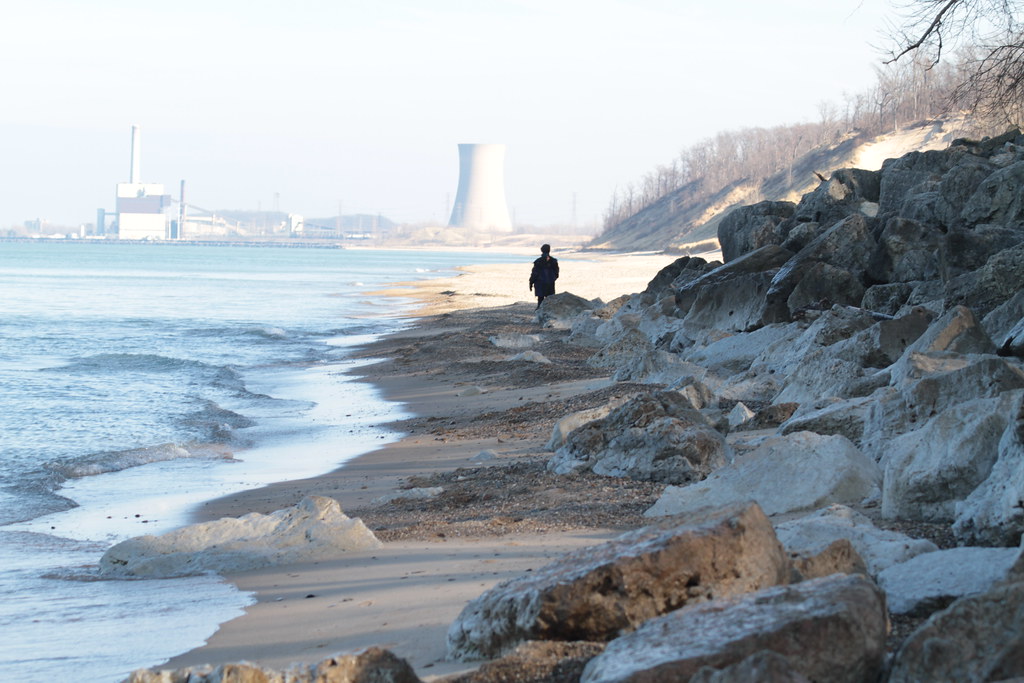
Photo: Fisherga via Flickr (CC BY 2.0)
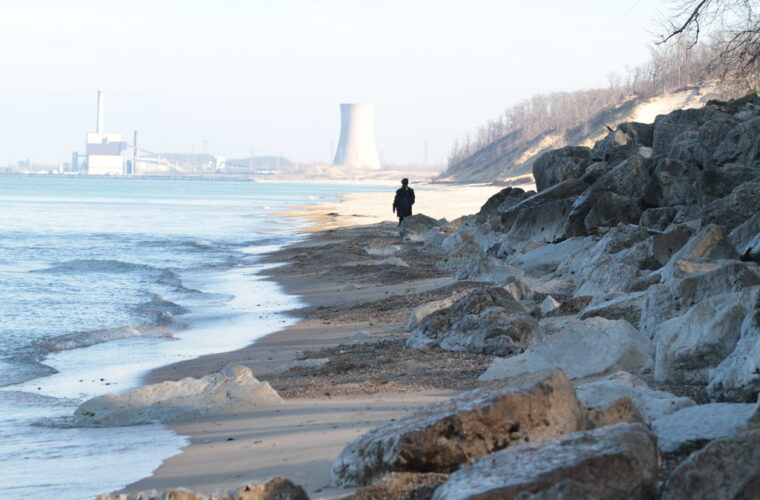
Our Indiana Dunes National Park Guide begins at West Beach just after sunrise, when cool sand shifts underfoot and Lake Michigan fills the northern horizon like open sea. From the top of the Dune Succession Trail stairs, you can hear waves below while cottonwood leaves move overhead. Chicago’s skyline sometimes appears across the water on clear days, roughly 35 miles away, but haze can erase it entirely.
The park protects about 15 miles of shoreline and more than 15,000 acres of dunes, wetlands, oak savannas, prairies, and forests in northwestern Indiana. Its properties form a patchwork around communities, roads, railways, and Indiana Dunes State Park. That fragmented geography makes advance planning essential. The best beach for swimming, the strongest ecological hike, and the most convenient sunset stop may have separate access roads and parking areas.
Understanding the park before choosing a trail
Indiana Dunes occupies the southern edge of Lake Michigan, where prevailing winds and waves have repeatedly moved sand inland. Successive shorelines left parallel dune ridges separated by low wetlands called swales. On a single hike, you may cross a modern beach, open dune grass, black oak forest, marsh, and remnants of tallgrass prairie. That ecological variety, rather than extreme elevation, defines the park’s trail system.
National park and state park boundaries
Indiana Dunes State Park occupies a large block of shoreline near Chesterton, surrounded in part by national park property. It has its own entrance, trails, beach, campground, and rules. The state park’s popular 3 Dune Challenge climbs Mount Jackson, Mount Holden, and Mount Tom, while national park routes include Cowles Bog, West Beach, Miller Woods, and the Bailly Homestead area. Passes and entrance payments may not transfer between the two jurisdictions.
Why trailheads require separate navigation
There is no single entrance gate from which every major attraction can be reached. West Beach lies toward the park’s western end, Cowles Bog begins near Mineral Springs Road, and the Paul H. Douglas Trail starts in Gary’s Miller neighborhood. Farther east, access roads lead to Kemil Beach, Central Avenue Beach, Mount Baldy, and historic properties near Porter. Enter the exact trailhead or beach name into navigation rather than relying on the general park address.
Trailhead access and parking strategy
Parking capacity varies sharply by location. West Beach has one of the larger developed parking areas, while Cowles Bog, Central Avenue Beach, and several smaller trailheads can fill early on warm weekends. Beach traffic peaks from late morning through the afternoon. Hikers seeking cooler sand, quieter trails, and dependable parking should arrive early, especially from Memorial Day through Labor Day.
West Beach and the western trail network
West Beach provides access to the Dune Succession Trail, West Beach Trail, and Long Lake Trail. Their connecting loops allow visitors to build walks of different lengths without moving the car. The approach from Interstate 94 is comparatively straightforward, making this a practical first stop for travelers arriving from Chicago. The Dune Succession route includes roughly 270 stairs, so its short mileage understates the effort required.
Cowles Bog and smaller eastern lots
The Cowles Bog trailhead sits off Mineral Springs Road near the park’s environmental education facilities. Its lot is much smaller than West Beach’s, and the trail’s 4.7 mile length keeps vehicles there for several hours. At Mount Baldy and Central Avenue Beach, shifting sand, erosion, and restoration work can affect access patterns. Obey closure signs because dune faces can collapse and conceal cavities beneath apparently firm sand.
A practical arrival sequence
- Choose one primary trail area rather than attempting to drive the shoreline from end to end between short walks.
- Download the relevant park map before leaving the highway, since cellular reception can weaken near wetlands and wooded dunes.
- Use the restroom and fill water bottles where facilities are available before beginning a longer route.
- Photograph the trailhead map and note every signed junction, particularly on interconnected loops at West Beach.
Which Indiana Dunes trail fits your day
The park’s hardest hikes gain and lose elevation repeatedly instead of making one sustained climb. Loose sand absorbs energy, short dune faces can be steep, and exposed beach sections offer little shade. A flat three mile wetland route may feel easier than a two mile dune loop. The following distances are commonly published route lengths, but junction choices can add mileage.
| Trail | Approximate distance | Difficulty | Defining features |
|---|---|---|---|
| Dune Succession Trail | About 1 mile | Moderate | Stairs, foredunes, wooded dunes, Lake Michigan overlooks |
| Cowles Bog Trail | 4.7 miles | Rugged | Wetlands, oak savanna, steep sand, beach access |
| Paul H. Douglas Trail | 3.4 miles round trip | Moderate | Black oak savanna, interdunal ponds, Miller Woods, beach |
| Bailly Homestead and Chellberg Farm Trail | About 2.1 miles | Easy to moderate | Maple and beech forest, historic buildings, Little Calumet River |
Following the Cowles Bog Trail in logical order
Cowles Bog provides the fullest introduction to the park’s ecology. From the trailhead, the route enters wetland and wooded habitat associated with the Cowles Bog National Natural Landmark, named for botanist Henry Chandler Cowles. His late nineteenth century research here helped explain ecological succession, the process through which plant communities change as dunes stabilize and soils develop.
The middle portion crosses old dune ridges under black oaks before descending toward Lake Michigan. Near the lakeshore, the walking becomes slower as the trail climbs loose, exposed sand. The beach marks the natural turnaround point, but the return still includes demanding dune ascents. Allow several hours, carry more water than the mileage suggests, and watch carefully for route markers where informal sand paths branch away.
Shorter routes with distinct landscapes
The Dune Succession Trail compresses several dune stages into a compact loop. Marram grass anchors younger sand near the lake, while cottonwoods and black oaks occupy progressively older, more stable ridges inland. The Bailly Homestead area offers firmer footing and more shade, with paths connecting a nineteenth century trading site, a historic farm, forest, and river habitat. It is a better choice during strong sun or when lake winds make exposed dunes uncomfortable.
Seasonal conditions, fees, and trail equipment
Spring brings cool lake winds, muddy wetlands, and migrating birds, while woodland wildflowers appear before the canopy closes. Summer provides the warmest swimming conditions but also hot sand, crowded beaches, and rapidly developing thunderstorms. Autumn usually delivers comfortable hiking temperatures and color in the oak woods. Winter exposes dune forms clearly, although ice, drifting snow, and lake effect squalls can make navigation and driving difficult.
What to carry on dune and beach hikes
- At least two liters of water for Cowles Bog: Exposed sand and repeated climbing increase water needs despite the route’s modest elevation.
- Closed shoes with traction: Sand enters low footwear easily, while roots, stairs, mud, and broken shells make sandals a poor choice for longer loops.
- Sun protection: Beach sections and young dunes have limited tree cover, and reflected light from sand and water increases exposure.
- Insect repellent: Mosquitoes can be persistent around interdunal wetlands, especially during humid summer evenings.
- A wind layer: Air beside Lake Michigan can be considerably cooler than conditions a few miles inland.
Entrance payments and permits
The national park generally charges an entrance fee, while Indiana Dunes State Park maintains a separate admission system. Ordinary day hiking does not typically require a trail permit, but organized activities, commercial use, and some special events may need authorization. Payment methods, pass acceptance, parking arrangements, seasonal facilities, and temporary closures can change, so confirm current details on the official park site before departure.
Managing effort and changing trail conditions
Elevation figures alone do not describe hiking difficulty at Indiana Dunes. Most routes remain below 200 feet of total height above Lake Michigan, yet repeated climbs through loose sand strain calves and hips. A mile on dry dune sand can take twice as long as a mile on the packed paths near Bailly Homestead. Plan around walking surface, sun exposure, and the number of dune crossings rather than mileage alone.
How the terrain changes your pace
| Terrain | Likely pace | Main physical demand |
|---|---|---|
| Firm forest path | 2 to 3 miles per hour | Roots, mud, and occasional short slopes |
| Boardwalk or stairs | 1.5 to 2 miles per hour | Repeated climbing and slippery surfaces after rain |
| Loose dune sand | 1 to 1.5 miles per hour | Unstable footing and greater calf effort |
| Open beach | 1.5 to 2 miles per hour | Soft sand, wind, sun, and limited shade |
Lake Michigan hazards at beach crossings
Lake Michigan behaves like an inland sea. Breaking waves, cold water, rip currents, and longshore currents can develop even when inland weather feels calm. Avoid swimming near structures, stay out during posted hazardous conditions, and keep children within immediate reach. On exposed hikes, note the wind direction before walking a long beach segment because returning into a headwind adds considerable effort.
When to turn around
Leave the beach if thunder is audible, waves begin washing across your intended route, or blowing sand makes trail markers difficult to see. Fatigue often becomes apparent during the return dune climb rather than beside the water. A sensible turnaround checklist includes:
- Half of the group’s drinking water has been consumed.
- Dark clouds are building over the lake or approaching from the west.
- Children are stumbling repeatedly in soft sand.
- Daylight remaining is shorter than the estimated return time.
Choosing a practical overnight base
The fragmented park layout makes location more important than room category. Chesterton and Porter provide convenient access to the central trail network, including Cowles Bog, Bailly Homestead, Chellberg Farm, and the state park. Portage works well for West Beach and the western shoreline. Michigan City places travelers closer to Mount Baldy and the eastern beaches, while accommodations near Gary shorten the drive to Miller Woods and the Paul H. Douglas Trail.
Hotels, rentals, and camping
Conventional hotels and roadside lodging are concentrated near Interstate 94 and the Indiana Toll Road rather than directly on the protected shoreline. Vacation rentals appear in surrounding communities, but travelers should verify parking and beach access rather than assuming a lakefront address connects to national park land. Campers can consider the national park’s Dunewood Campground or the separate campground within Indiana Dunes State Park.
Match the lodging area to your itinerary
For a one-night visit, stay near the trail planned for the following morning and use the early hours for hiking before beach traffic builds. A two-night trip allows one western day around West Beach or Miller Woods and one central or eastern day around Cowles Bog, the historic properties, or Mount Baldy. This approach avoids repeatedly crossing busy industrial and residential corridors between scattered park units.
Frequently Asked Questions
These answers cover the planning questions that most often affect a first visit. Because the national park and neighboring state park operate independently, identify the jurisdiction for every trail, campground, and beach before applying a rule or pass to your trip.
Do I need a reservation to enter Indiana Dunes National Park?
Ordinary day visits generally do not require an advance entry reservation, although an entrance pass applies and campgrounds or organized activities may have separate requirements. Check the park’s official website for current payment procedures, campground booking rules, and temporary access restrictions.
Are dogs allowed on the trails and beaches?
Leashed pets are permitted on many national park trails and beach areas, subject to posted exceptions. Owners must control pets, remove waste, and keep them away from wildlife and sensitive dune vegetation. Indiana Dunes State Park maintains its own pet rules.
How many days should I spend at Indiana Dunes?
One full day supports a substantial hike such as Cowles Bog plus a shorter beach stop. Two days allow time for contrasting habitats, such as Miller Woods or West Beach on one day and the historic Bailly Homestead area or eastern shoreline on the next.
Which trail is best for children?
The Bailly Homestead and Chellberg Farm area has firmer surfaces, shade, historic features, and flexible turnaround options. Families comfortable with stairs may prefer the compact Dune Succession Trail, while Cowles Bog suits older children accustomed to several hours of hiking through sand.
Can I visit during winter?
The park can be visited year-round, but snow, ice, strong wind, and lake effect squalls alter trail difficulty. Traction devices may help on packed paths and stairs. Avoid walking onto shelf ice along the shoreline because hidden gaps and unstable edges can collapse into deep, cold water.
Plan the route, then leave room for the lake
A useful Indiana Dunes National Park Guide must account for the park’s patchwork geography and unusually varied footing. Select an exact trailhead, estimate time according to sand and stairs, and pair the route with lodging on the same side of the park. That preparation prevents a short drive on the map from becoming a slow crossing through local traffic and crowded beach approaches.
For a first visit, combine one ecologically rich trail with one flexible shoreline stop. Cowles Bog delivers the strongest full-length dune hike, West Beach offers connected loops, and Bailly Homestead provides shade and firmer ground. Carry water, monitor lake weather, respect closures, and keep enough energy for the return climb from the beach. Those choices make the park’s dunes, wetlands, forests, and historic landscapes easier to experience safely in a single trip.
Want to keep exploring? Browse all our Indiana Dunes guides and articles for more trip-planning tips and ideas.
Gear & Essentials
Tell us about your trip and we will add what else you will want:
The basics
Worth having in the car whatever the park.
For this trip
As an Amazon Associate we earn from qualifying purchases, at no extra cost to you.