Katmai National Park Camping Guide: Where to Stay
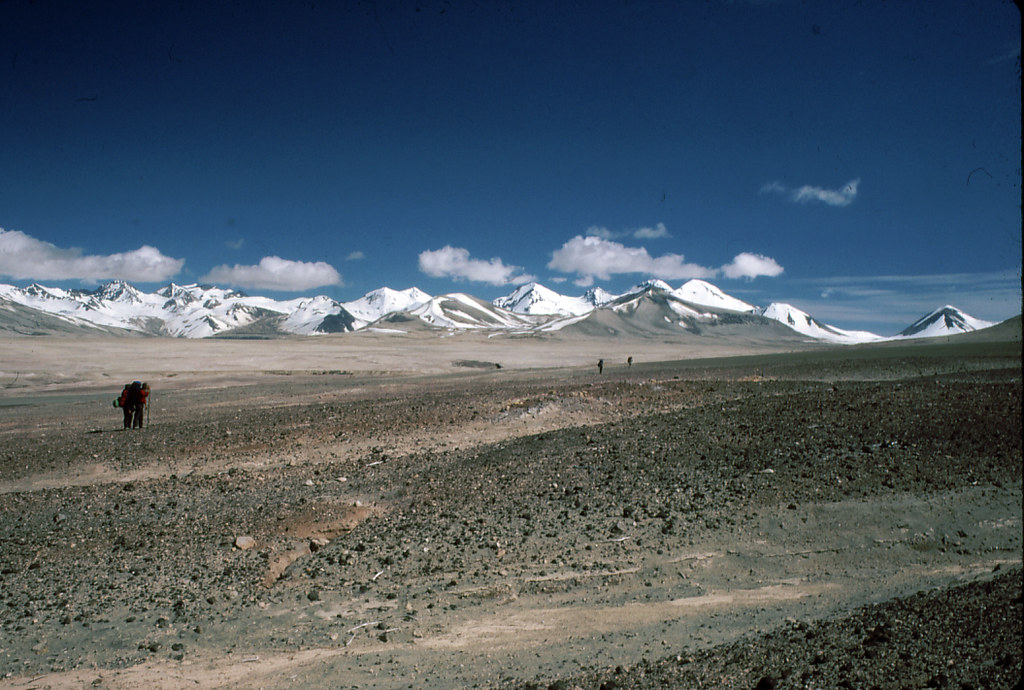
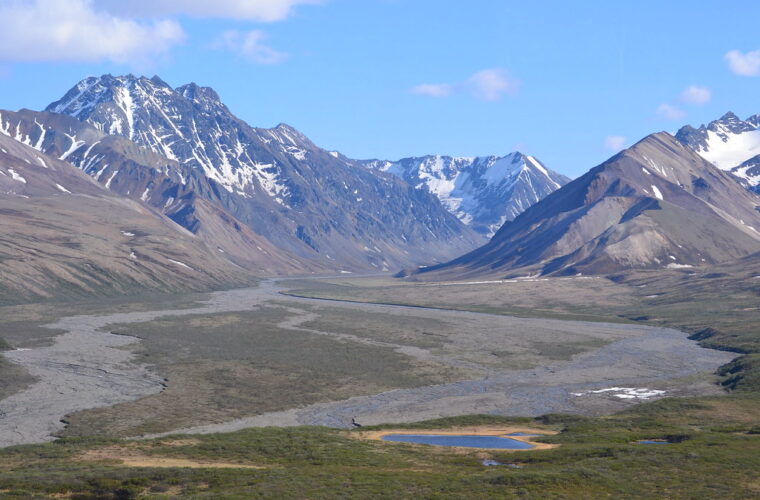
Photo: U.S. Department of the Interior via Flickr (CC BY-SA 2.0)
Katmai National Park camping begins with a logistical surprise: there are no roadside campgrounds anywhere in the park. Katmai has no road connection to Alaska’s highway system, and private vehicles cannot reach Brooks Camp, the Valley of Ten Thousand Smokes, or the park’s Pacific coast. Every camper arrives by aircraft or boat, so baggage limits, fuel restrictions, bear resistant food storage, and weather delays shape the trip before a tent is pitched.
Katmai National Park and Preserve covers roughly 4.1 million acres on the Alaska Peninsula. Most visitors enter through King Salmon, about 290 air miles southwest of Anchorage, then fly approximately 30 miles to Brooks Camp. Camping choices range from a fenced, tent only campground near Brooks Falls to unsupported backcountry sites beside remote rivers, lakes, and coastal bays.
How Katmai National Park Camping Works
Katmai has one developed National Park Service campground, located at Brooks Camp on the shore of Naknek Lake. Everything beyond it is backcountry. There are no vehicle pads, electrical hookups, dump stations, shower blocks, camp stores, or conventional loops organized around numbered parking spaces.
Brooks Camp is the developed option
Brooks Camp Campground accommodates tent campers inside an electric fence designed to discourage brown bears from entering. Reservations cover space within the campground rather than a private, assigned campsite. Campers share the fenced area, food storage facilities, cooking shelters, and designated places for managing scented items. Capacity is limited to approximately 60 people, which makes the experience communal and relatively compact.
The campground sits about 0.3 mile from the Brooks Camp visitor area and roughly 1.2 miles from Brooks Falls. Mature spruce and birch provide partial shelter, but tree cover does not guarantee a dry tent platform or privacy. Expect closely spaced tents, damp ground after rain, and regular foot traffic from campers following the same paths to meals, ranger programs, and bear viewing platforms.
Backcountry camping has no designated pitches
Outside Brooks Camp, travelers choose durable surfaces and establish temporary camps in accordance with park regulations. Common destinations include the Valley of Ten Thousand Smokes, Moraine Creek, Funnel Creek, Hallo Bay, Geographic Harbor, and the lake country around Grosvenor and Coville lakes. These locations require independent navigation, bear aware camp organization, and enough food to absorb flight delays.
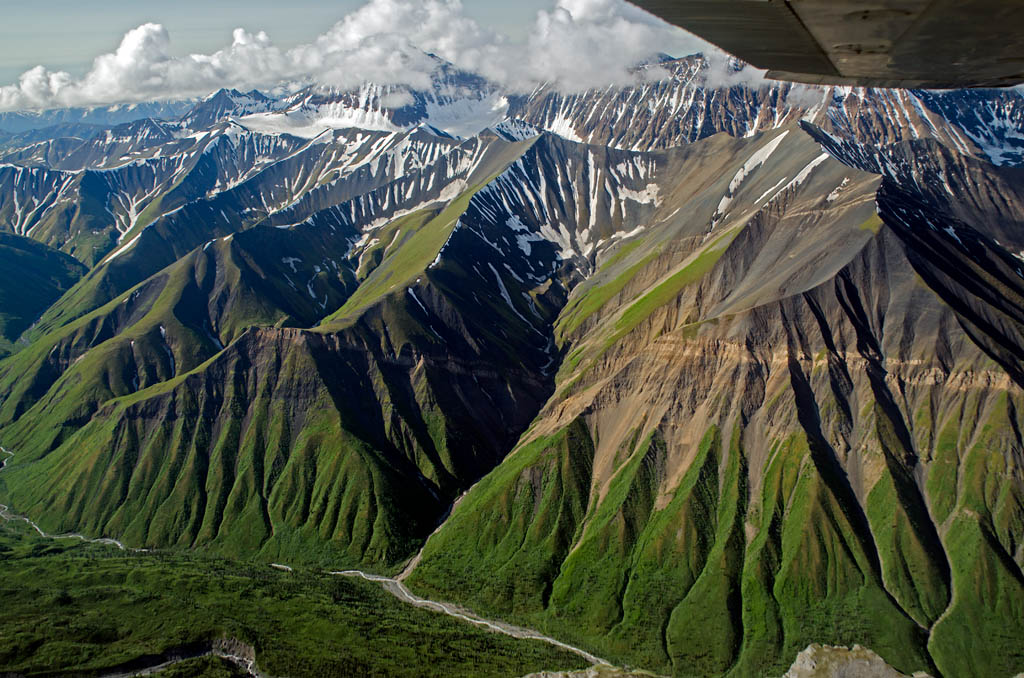
Katmai’s backcountry varies sharply by region. The Pacific coast combines tidal flats, sedge meadows, alder thickets, and exposed beaches. Interior river corridors cross open tundra where bears gather around salmon streams. The volcanic uplands surrounding Novarupta contain ash, pumice, unstable slopes, and long stretches with little shelter from wind.
Katmai National Park Camping Options: Where to Stay
The best place to stay depends on the trip’s primary objective. Brooks Camp suits travelers seeking predictable access to Brooks Falls, ranger contacts, and established bear management systems. Backcountry camping serves experienced parties prepared to manage aircraft drop offs, river crossings, tides, route finding, and encounters with bears far from developed infrastructure.
| Option | Access | Facilities | Privacy | Best suited to |
|---|---|---|---|---|
| Brooks Camp Campground | Floatplane or boat from King Salmon | Electric perimeter fence, shared cooking shelters, shared food storage, basic campground facilities | Low | First visits, Brooks Falls access, short stays |
| Lake and river backcountry | Floatplane, boat, or extended foot travel | No developed facilities | High | Anglers, paddlers, experienced bear country campers |
| Pacific coast backcountry | Wheeled aircraft or floatplane where conditions permit | No developed facilities | Very high | Guided wildlife trips, photographers, expedition campers |
| Fure’s Cabin | Boat or floatplane on the Naknek Lake system | Primitive historic public use cabin | High | Small parties prepared for self supported lake travel |
What a Brooks Camp Reservation Provides for Katmai National Park Camping
A campground booking secures room for a person within the fenced camping area. It does not provide a tent, bedding, meals, transportation, or a private pad. There are no recreational vehicle sites or hookups because no road reaches Brooks Camp. Larger tents can be awkward during busy periods, so compact shelters with modest footprints work better than family tents designed for drive in campgrounds.
Shade, shelter, and campsite character
Inside the fence, the forest softens wind from Naknek Lake but creates its own challenges. Spruce roots interrupt flat sleeping areas, shade slows evaporation, and repeated use can leave the ground muddy. Standing there after evening rain, boots press into dark soil while water ticks from birch leaves overhead. Aircraft noise fades across the lake, replaced by ravens, distant voices, and the electric fence clicking at the campground edge.
When Backcountry Katmai National Park Camping Makes Sense
Choose the backcountry when the trip centers on a particular watershed, coastal bear concentration, paddling route, or volcanic landscape. Suitable campsites may be separated by miles of brush, braided water, or tidal terrain. A location that looks close on a map can require hours of travel when alder thickets, river channels, or ash gullies interrupt a direct route.
Fure’s Cabin provides a roof and bunks in a historic one room structure, but it remains a remote backcountry accommodation rather than a serviced lodge. Visitors must bring food, sleeping equipment, emergency communication, and a reliable transportation plan. Cabin users also need contingency supplies because wind, visibility, and lake conditions can prevent an aircraft or boat from arriving as scheduled.
Reservations, Flights, and Arrival Planning
Securing a campsite is only one part of the booking process. Campers also need transportation to King Salmon and an onward flight or boat transfer. Commercial carriers serve King Salmon from Anchorage, while air taxis connect King Salmon with Brooks Camp and more remote drop off points. Baggage limits differ by aircraft and can be stricter than limits on the flight from Anchorage.
Booking Brooks Camp in the right order
Brooks Camp reservations are handled through the federal reservation system and popular summer dates can disappear quickly, particularly during the July salmon run. Booking procedures, release dates, fees, operating periods, and baggage policies can change, so confirm current details on the official park site before purchasing nonrefundable flights.
- Identify several possible camping dates rather than relying on one July weekend.
- Check campground availability and note the exact number of campers allowed on the reservation.
- Arrange transportation between Anchorage and King Salmon.
- Reserve the air taxi or boat connection to Brooks Camp.
- Compare each carrier’s weight allowance with the packed weight of tents, food, fuel containers, and camera equipment.
- Build flexibility into the return itinerary in case weather delays the departure from Katmai.
Why weather buffers matter
Low cloud, strong wind, heavy rain, and poor visibility can interrupt small aircraft operations even when conditions seem manageable on the ground. Travelers connecting directly to an Anchorage flight or cruise departure risk losing the next part of their trip. Our team recommends protecting at least one flexible day after a remote Katmai stay, with additional margin for coastal drop offs.
Fuel planning also requires care. Airlines generally restrict stove fuel and other flammable products, and remote landing sites have no place to purchase forgotten supplies. Campers should ask their air taxi how approved empty fuel bottles, bear spray, and fishing equipment must be transported, then obtain restricted consumables in an appropriate gateway community before departure.
Choosing a Base for Bears, Hiking, or Solitude
Where you sleep determines what you can do without arranging another flight. Katmai’s scale makes casual relocation expensive and weather dependent. Brooks Camp provides access to established trails and bear viewing infrastructure, while remote camps trade convenience for uninterrupted time in one ecosystem.
Staying near Brooks Falls
From the campground, the Brooks Falls Trail leads through boreal forest to elevated viewing platforms along the Brooks River. The walk is approximately 1.2 miles each way from the main visitor area. Bear activity can temporarily delay movement along paths, so campers should allow extra time instead of treating the route like a fixed schedule.
Dumpling Mountain offers the principal hike from Brooks Camp. The trail climbs through forest toward open tundra, with an overlook reached after roughly 1.5 miles and substantial elevation gain. Continuing toward the mountain’s higher slopes creates a much longer outing, with broad views over Naknek Lake, the Brooks River corridor, and the volcanic Aleutian Range when cloud cover lifts.
Using camp to explore volcanic Katmai
Brooks Camp is also the departure point for trips toward the Valley of Ten Thousand Smokes, created by the 1912 Novarupta eruption. That event expelled roughly 3 cubic miles of magma and buried the valley beneath deep ash and pyroclastic deposits. The Ukak River later cut into those deposits, exposing layered canyon walls in a landscape with limited water, shade, and wind protection.
Travelers planning an overnight route in the valley need footwear that excludes ash, eye protection for windblown grit, and a water strategy based on known sources. Fine volcanic material enters tent zippers and stove components easily. Camps should be placed away from unstable cut banks and channels that can rise after heavy rain in the surrounding mountains.
Pack for Rain, Wind, and Strict Food Control
Katmai National Park camping requires equipment that performs after several wet days. Annual precipitation differs between the interior and Pacific coast, but fast moving storms, damp vegetation, and cold lake winds affect both regions. Choose gear by packed weight as well as durability because air taxis may divide passengers and equipment among flights. Every essential item should be protected inside a waterproof liner rather than relying solely on the fabric of a backpack or duffel.
Build a sleep system for saturated ground
A freestanding tent is useful where roots, gravel, ash, or shallow soil make staking difficult. The rainfly should extend close to the ground, and extra guylines help when wind crosses Naknek Lake or exposed tundra. Bring a sleeping bag rated below the forecast nighttime temperature, plus an insulated pad with enough thermal resistance for cold soil. A small repair kit should include pole splints, seam sealer, patches, and spare cord.
Keep critical equipment accessible
Rain layers, warm gloves, navigation tools, and emergency communication belong where they can be reached without unpacking the entire load. Coastal fog and dense alder can erase visual landmarks quickly, making a topographic map, compass, and offline GPS data necessary even on guided drop offs. Satellite communication provides an important link outside Brooks Camp, although rescue response can still take many hours.
- Waterproof pack liners and separate dry bags for sleeping gear
- Head net and insect repellent for mosquito season
- Bear resistant food container for remote camps
- Compact stove with windscreen and field repair parts
- Trekking poles for slick banks, ash slopes, and river margins
- Eye protection and gaiters for volcanic terrain
- Food for at least one additional weather delay day
Seasonal Tradeoffs Around Katmai
Katmai’s useful camping season is short, yet conditions change noticeably from June through September. Salmon timing influences bear distribution more than the calendar alone. Snowmelt controls river levels early in summer, insects intensify as wetlands warm, and autumn storms become increasingly important when planning remote pickups. A camper seeking Brooks Falls activity will make a different choice from a hiker prioritizing long daylight and quieter trails.
| Period | Typical advantages | Primary challenges | Best match |
|---|---|---|---|
| June | Long daylight, fewer peak season visitors, lingering snow on higher terrain | Cold nights, high water, bears dispersed before strong salmon runs | Hikers and photographers seeking early summer landscapes |
| July | Strong Brooks River salmon activity and frequent bear viewing | Heavy demand, mosquitoes, crowded viewing areas | First time bear watchers |
| August | Productive lake travel, tundra hiking, and developing autumn color | Brooks River bear activity can become less concentrated | Paddlers and mixed activity trips |
| September | Fall color and renewed bear activity around spawned salmon | Shorter days, colder rain, stronger storms, pickup delays | Experienced campers comfortable in autumn conditions |
June favors daylight and mobility
Near the summer solstice, extended daylight gives travelers a large margin for setting camp or waiting for safe river conditions. Higher passes and shaded slopes may retain snow, while meltwater can make crossings deeper and colder than expected. Bears may be feeding on sedges, clams, roots, or carcasses before salmon concentrate them along rivers, so wildlife encounters can occur well away from established viewing locations.
July through September follows the salmon
Sockeye typically enter the Brooks River in large numbers during July, producing the familiar concentration near Brooks Falls. By August, fish distribution changes and some bears move elsewhere. September often brings bears to the lower river for spawned salmon, alongside colder nights and reduced daylight. Coastal timing differs by stream, which is why remote wildlife trips are commonly planned around a specific watershed rather than a general month.
Camp Routines That Reduce Bear Conflict
Katmai has one of the world’s densest protected brown bear populations. Camp organization must prevent food rewards and preserve clear escape routes. At remote sites, select open terrain with good visibility rather than pitching beside a salmon stream, game trail, thick alder patch, or animal carcass. Bears commonly use shorelines and riverbanks as travel corridors, especially where brush makes inland movement difficult.
Separate sleeping, cooking, and storage areas
Outside the fenced campground, place the kitchen and food storage area well away from tents when terrain permits. Store food, trash, toothpaste, sunscreen, fish, cooking utensils, and scented clothing in bear resistant containers. Portable electric fencing can add protection around a kitchen or camp, but it does not replace clean storage. Prepare only the food needed for each meal and clean spills immediately.
Manage fish and waste carefully
Anglers should process fish away from camp and avoid carrying fish through dense vegetation when bears are nearby. Human waste disposal depends on the surface, visitation level, and proximity to water. Pack out toilet paper and hygiene products, and carry a waste system where digging is unsuitable, particularly on beaches, gravel bars, or volcanic ash. Keep tents and equipment contained so an approaching bear has room to pass without entering camp.
Gear & Essentials
Tell us about your trip and we will add what else you will want:
The basics
Worth having in the car whatever the park.
For this trip
- Camp lantern Etekcity Camping Lanterns 4-Pack LED
- Camping hammock Wise Owl Outfitters Camping Hammock
- Camping pillow Hikenture Inflatable Camping Pillow
- Lighter & matches BIC Maxi Pocket Lighters 10-Pack
- Shelter tarp Amazon Basics Waterproof Multipurpose Camping Tarp
- Tent Camping Tent 2-4 Person Easy Setup
Traveling with kids
Bringing a pet
RVing
Backcountry
Winter conditions
On the water
Photography
Accessibility
As an Amazon Associate we earn from qualifying purchases, at no extra cost to you.
Plan Where to Stay for Your Katmai National Park Camping Trip
Brooks Camp remains the practical choice for travelers who want established bear viewing, maintained paths, shared food storage, and access to ranger information. Its limited space, wet forest floor, and communal layout reward compact packing. Remote lakes, rivers, volcanic uplands, and Pacific beaches provide greater solitude, but they demand stronger navigation, food protection, weather judgment, and transportation planning.
Build the trip around one primary landscape, then match the campsite, season, and equipment to that goal. Reserve transportation alongside lodging, weigh every bag before departure, and carry enough supplies to absorb delays. With those details settled, Katmai National Park camping becomes manageable without diminishing the wild character that brings visitors to the Alaska Peninsula.
Want to keep exploring? Browse all our Katmai guides and articles for more trip-planning tips and ideas.