Kenai Fjords National Park Guide: Glaciers, Wildlife Cruises, and Scenic Hikes
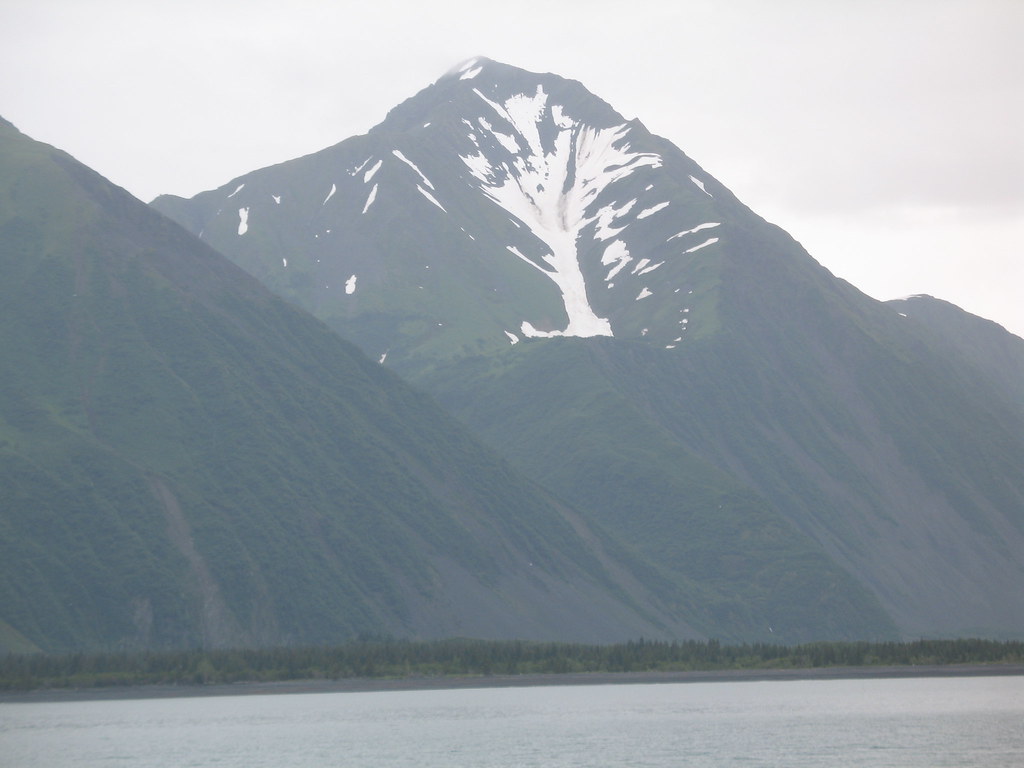
Photo: dmcdevit via Flickr (CC BY-SA 2.0)
Kenai Fjords National Park protects nearly 700,000 acres where the Harding Icefield feeds dozens of glaciers flowing toward deep coastal fjords. Most visitors enter from Seward, then experience the park in two distinct ways: by boat among tidewater glaciers and marine wildlife, or on foot beside Exit Glacier and above it on the Harding Icefield Trail.
Our guide explains how those landscapes fit together, which wildlife inhabits each zone, and how to choose between short hikes, demanding climbs, and wildlife cruises. Summer brings the broadest access, but timing within the season changes what you are likely to see, from migrating gray whales in spring to salmon activity and berry feeding later in summer.
How Kenai Fjords National Park Is Laid Out for Cruises and Hikes
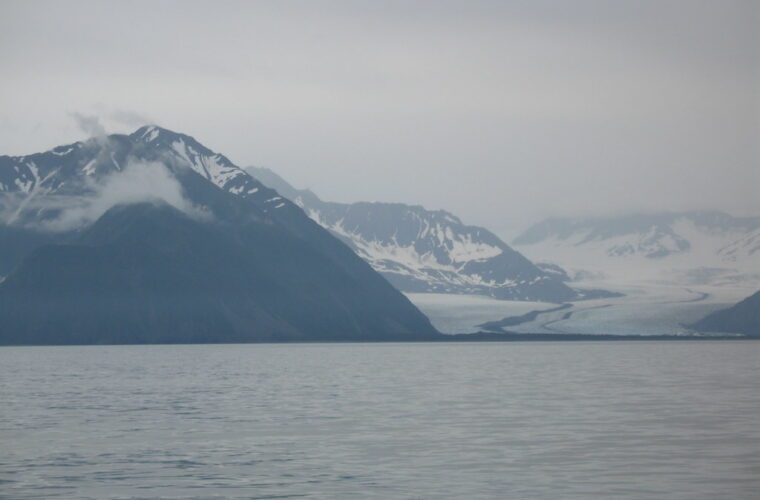
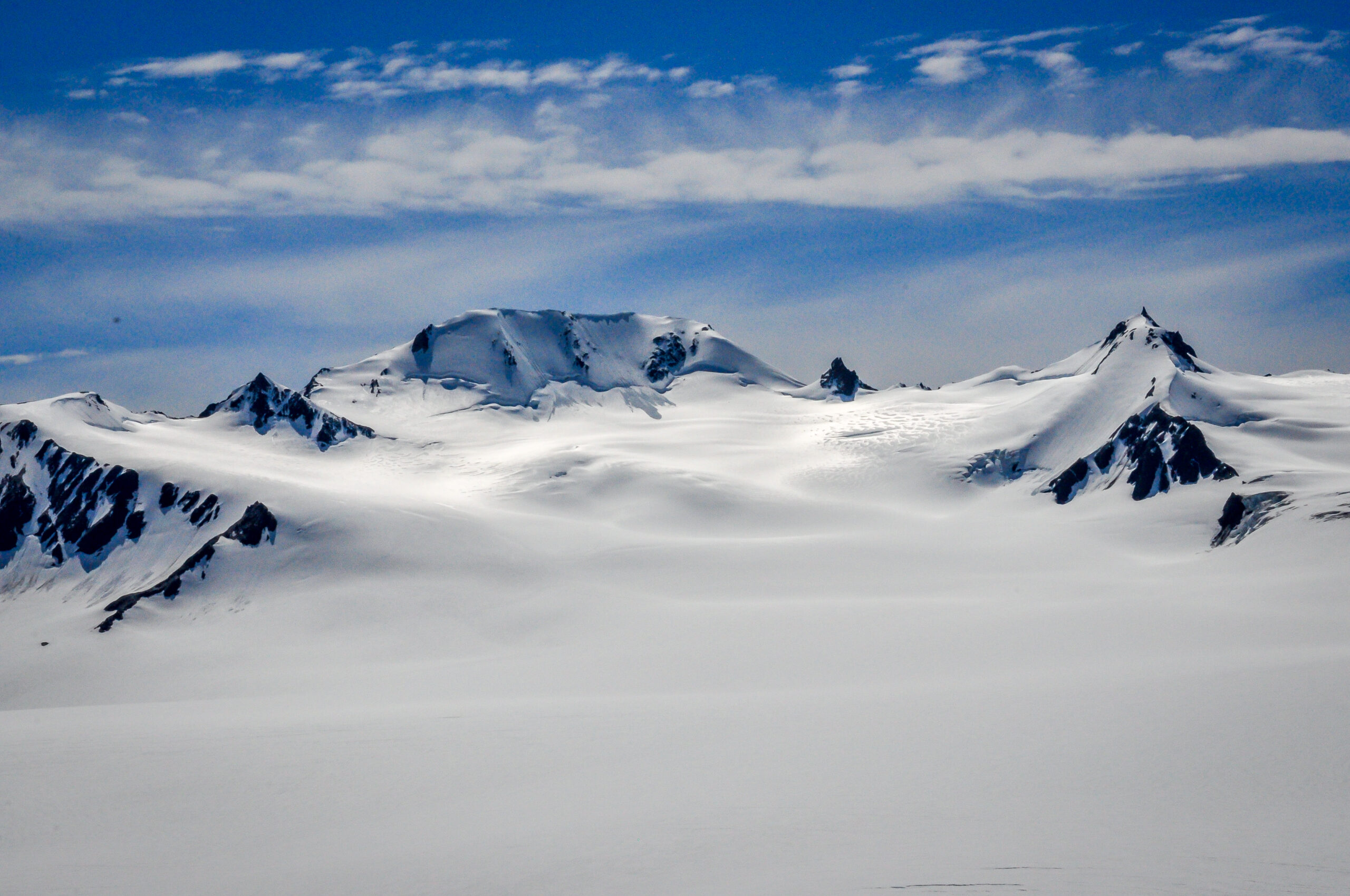
The Harding Icefield covers roughly 700 square miles of the Kenai Mountains. Snow compressed over centuries created an elevated reservoir of ice that sends glaciers down valleys on both sides of the range. Bear Glacier, the park’s largest, descends toward a lagoon filled with icebergs. Aialik and Northwestern glaciers terminate in salt water, where calving releases ice into fjords carved by earlier advances.
Mountains and ice make the park’s interior difficult to cross. Roads reach only the Exit Glacier area, approximately 12 miles northwest of Seward. The remainder of the coast is approached by tour boat, kayak, water taxi, or aircraft. This geography matters when planning wildlife viewing because the marine and terrestrial habitats require separate outings.
Seward and the Resurrection Bay Gateway
Seward lies at the head of Resurrection Bay, about 125 road miles south of Anchorage. The drive commonly takes 2.5 to 3 hours without extended stops, though summer traffic and construction can lengthen it. Wildlife cruises leave the harbor and travel south through Resurrection Bay before entering more exposed Gulf of Alaska water or turning into glacier fjords.
Shorter bay cruises concentrate on protected water, coastal cliffs, and common marine species. Longer cruises generally reach Aialik Bay or Northwestern Fjord, providing better opportunities to see a tidewater glacier. Distance also increases exposure to ocean swell, so travelers prone to motion sickness should prepare before departure rather than waiting for symptoms.
Exit Glacier and the Road Accessible District
Exit Glacier is the park’s primary land based destination. A network of paths crosses cottonwood forest and recently deglaciated terrain, while signs marking former ice positions show how rapidly the glacier has retreated. The landscape provides a visible ecological timeline: bare rock and sediment near the ice gradually give way to mosses, alders, young cottonwoods, and mature forest farther down valley.
The access road, parking arrangements, seasonal services, and trail conditions change with weather and snowmelt. Current fees, closures, and transportation details should be confirmed on the official park site before travel. Our team also recommends reviewing the park’s recent Exit Glacier snowmachine closure update if planning a shoulder season visit.
Where Kenai Fjords National Park Glaciers Meet the Gulf of Alaska
Kenai Fjords contains both land terminating and tidewater glaciers. Exit Glacier ends above sea level and is viewed from trails. Tidewater glaciers descend directly into marine fjords, allowing boats to approach at a regulated distance. Their blue color becomes especially noticeable where dense glacial ice has expelled air bubbles and absorbs longer wavelengths of visible light.
Calving varies with tides, temperature, glacier movement, and the shape of the underwater terminus. A quiet glacier can release ice without warning. Captains therefore keep vessels outside hazardous zones, where waves, submerged ice, and falling debris can affect boats. The safest view is often broad enough to appreciate the glacier’s full face and the mountains enclosing it.
Aialik Glacier
Aialik Glacier is a common destination for full day cruises from Seward. It descends from the Harding Icefield into Aialik Bay, where floating brash ice creates resting habitat for harbor seals. Seals frequently haul out on low ice pieces because the broken surface offers separation from land based predators. Federal approach rules protect these animals, particularly mothers with pups.
Standing on a boat near the head of Aialik Bay feels markedly colder than the open coast. The wind carries chilled air from the ice, small fragments knock against the hull, and waterfalls thread down dark rock walls. A calving event may first sound like distant thunder. Seconds later, ice collapses into the fjord and sends a rolling swell across the water.
Northwestern Fjord and Bear Glacier
Northwestern Fjord sits farther from Seward and is usually included on longer cruise routes. Its scenery records extensive glacial retreat through exposed rock, sediment, and developing vegetation. The longer passage can improve the range of wildlife sightings because vessels cross several habitats, including open coastal water, cliff nesting areas, narrow passages, and protected fjords.
Bear Glacier is typically viewed from the air or offshore because its lagoon is separated from the sea by a dynamic moraine and beach system. Icebergs calved into the lagoon can be much larger than they appear from a distance. Independent access requires specialized local knowledge because surf, currents, shifting ice, and changing channels create serious hazards.
Wildlife Habitats and Cruise Routes in Kenai Fjords National Park
Wildlife distribution follows habitat rather than park boundaries. Nutrient rich marine water supports plankton, forage fish, salmon, seabirds, and marine mammals. Rocky islands provide nesting ledges, while sheltered coves support sea otters and harbor seals. On land, alder thickets, coastal forest, alpine meadows, and exposed slopes host black bears, mountain goats, marmots, and smaller mammals.
One cruise can pass through several feeding zones. Watch tidal rips and places where currents meet, since concentrated prey attracts birds and whales. Near shore, scan kelp beds for sea otters. On steep slopes, look for small white shapes that remain stationary while the boat moves, a useful clue for identifying mountain goats.
Marine Mammals Along the Cruise Routes
Whales, porpoises, and orcas
Humpback whales enter these waters primarily to feed, often appearing where schools of capelin, herring, or other forage fish collect. Their blows are usually detected before their backs or tail flukes. Orcas may travel through Resurrection Bay and outer coastal waters in family groups. Dall’s porpoises sometimes approach moving boats, producing a distinctive rooster tail of spray at high speed.
Sea otters, seals, and sea lions
Sea otters favor protected coves and kelp beds, where they rest at the surface and forage for clams, mussels, crabs, and sea urchins. Harbor seals are associated with quieter water and floating glacial ice. Steller sea lions gather at rocky haulouts along exposed coastlines, where their barking can carry well across the water.
Bird Cliffs, Forest Edges, and Alpine Slopes
Horned and tufted puffins nest in coastal colonies and feed offshore during summer. Black legged kittiwakes, common murres, pigeon guillemots, cormorants, and bald eagles are also regularly observed. Some prominent colonies visited by Seward cruises lie outside the national park in neighboring protected waters, an important distinction when recording a species list.
At Exit Glacier, black bears may use forest edges, berry patches, and salmon connected waterways. Mountain goats occupy steep rock and alpine terrain above the fjords, while hoary marmots occur near the upper Harding Icefield Trail. Animals can be difficult to distinguish against snow patches, pale cliffs, and dense vegetation, so binoculars are useful on both cruises and hikes.
Seasonal Wildlife and Glacier Viewing in Kenai Fjords National Park
The main marine viewing period runs from spring into early autumn, when longer daylight and navigable water allow regular access from Seward. Conditions still change quickly. Fog can conceal headlands, wind can build steep chop outside Resurrection Bay, and rain is common in the maritime climate. Glacier viewing often improves under overcast skies because reduced glare reveals texture and blue ice.
Late spring favors migration activity and snow covered mountain scenery. Midsummer provides the broadest combination of cruise access, nesting seabirds, active marine feeding, and hiking opportunities. By late summer, terrestrial animals may concentrate around berries and salmon streams, while fresh snow can begin returning to higher elevations.
Species by Season and Location
| Period | Likely wildlife highlights | Productive habitat |
|---|---|---|
| April to May | Gray whales, sea otters, Steller sea lions, returning seabirds | Resurrection Bay and outer coastal passages |
| June to July | Humpback whales, puffins, murres, harbor seals with pups | Feeding currents, nesting cliffs, and glacier ice |
| August | Humpbacks, orcas, black bears, mountain goats, salmon | Fjord mouths, coastal slopes, streams, and berry patches |
| September | Late season whales, sea otters, eagles, bears | Protected bays, salmon waterways, and forest edges |
What to Carry for Wildlife Viewing
- Binoculars: An 8x or 10x pair helps identify goats on cliffs and seabirds beyond the vessel.
- Waterproof layers: Rain and cold spray can occur even when Seward begins the day under clear skies.
- Warm hat and gloves: Air near tidewater glaciers is substantially colder than conditions at the harbor.
- Telephoto lens: A lens in the 300 mm range supports responsible photography without pressuring wildlife.
- Lens cloth and dry bag: Spray, rain, and condensation can quickly affect cameras and phones.
- Motion sickness preparation: Use your preferred preventive measure before entering exposed water.
Reading Wildlife Behavior From the Water
Productive wildlife watching depends on recognizing feeding activity before the animal itself becomes obvious. Flocks of gulls, kittiwakes, and murres repeatedly diving into one patch often indicate forage fish near the surface. Humpbacks may circle below these schools, while sea lions attack from the side. A smooth oval appearing amid choppy water can be a whale’s footprint, the temporary mark left by the force of a diving tail.
Scan Ahead of the Vessel
Search the water in overlapping sections rather than following other passengers’ cameras. Whale blows stand out best against dark mountains, while dorsal fins are easier to see against bright water. Near Aialik Bay, inspect brash ice for the rounded heads of harbor seals. Along rocky shorelines, scan the boundary between exposed rock and water for sea lions, then check nearby ledges for animals resting above the spray zone.
Use Behavior to Guide Your Response
| Observation | Likely explanation | Best response |
|---|---|---|
| Seabirds diving repeatedly | Forage fish concentrated near the surface | Watch the surrounding water for whales and sea lions |
| Whale showing its tail flukes | A deeper dive is beginning | Keep watching the same general area for several minutes |
| Otter repeatedly rolling | Feeding, grooming, or securing prey | Use binoculars and avoid calling for closer approach |
| Seal raising its head on ice | The animal is alert to disturbance | Reduce noise and allow the vessel to continue away |
Repeated direction changes, raised heads, interrupted feeding, and animals entering the water can indicate stress. Harbor seal pups are particularly vulnerable during the early summer pupping period because disturbance separates resting animals from stable ice. Captains control vessel position, but passengers influence noise. Quiet observation produces longer, more natural encounters than shouting, clapping, or attempting to attract an animal’s attention.
Wildlife Encounters on Kenai Fjords National Park’s Exit Glacier Trails
The Exit Glacier valley provides the most practical land based wildlife viewing in Kenai Fjords National Park. Early morning and evening tend to be quieter, improving the chance of hearing varied thrushes, chickadees, woodpeckers, and rustling mammals along the forest edge. Alder thickets can conceal black bears at very short range, especially when berries ripen. Make noise around blind bends and keep food secured rather than depending on bells alone.
From Cottonwood Forest to Marmot Meadows
The Harding Icefield Trail climbs about 3,500 feet over an approximately 8.2 mile round trip. Its lower switchbacks pass through cottonwood and alder before reaching the subalpine area known as Marmot Meadows. Hoary marmots feed around rocky openings, while mountain goats may appear on cliffs across the valley. Scan distant slopes during rest stops because white goats can disappear against lingering snowfields as soon as they stop moving.
Plan for Safe Terrestrial Viewing
- Carry bear spray where it can be reached immediately, not inside a backpack.
- Travel together and speak normally near thick vegetation or noisy streams.
- Never block a bear’s route to forest cover, a stream, or a feeding area.
- Pack out food scraps, including fruit peels and crumbs.
- Keep telephoto equipment ready so an encounter does not require moving closer.
Trail users should also protect small alpine animals and their limited food supply. Marmots need the short growing season to accumulate fat before hibernation, so feeding them changes behavior and wastes foraging time. Stay on durable trail surfaces where possible. Trampling beside the path damages sedges and dwarf shrubs that may require years to recover in the cold, wind exposed environment above treeline.
Photography That Protects the Subject
A 300 mm or longer lens is useful for seals on ice, nesting seabirds, and goats above the fjords. For moving whales or porpoises, begin near 1/1000 second and use continuous autofocus. Wider focal lengths remain valuable for showing a whale within the scale of Aialik Bay or a goat against glacially carved cliffs. Keep spare batteries warm and use a lens hood to reduce droplets on the front element.
Recognize When to Stop
Never pursue an animal along a trail or ask a captain to violate approach limits for a photograph. Drones disturb wildlife and are prohibited from launching, landing, or operating within National Park Service boundaries. Avoid flash around nesting birds, and do not broadcast calls to draw birds closer. If an animal changes direction, stops feeding, or watches you continuously, increase the distance immediately.
Record Context Along With the Sighting
Useful field notes include time, location, tide stage, weather, group size, and behavior. These details help distinguish a chance sighting from a repeatable habitat pattern. Photograph identifying features such as an orca’s saddle patch or a humpback’s tail flukes only when they appear naturally. Never crowd haulouts, nests, or carcasses, since those concentrated sites can attract both wildlife and dangerous human congestion.
Build a Wildlife Plan That Matches the Park
Allocate one full day to a marine cruise and a separate day to Exit Glacier if wildlife is a priority. That division covers open water, nesting cliffs, glacial ice, forest, and alpine terrain without forcing either experience into a narrow schedule. Choose late spring for migration and snowy scenery, midsummer for seabird colonies and seal pups, or late summer for berries, salmon activity, and stronger chances of terrestrial feeding behavior.
Successful viewing comes from matching species to habitat, watching patiently, and allowing weather to shape the day. Bring proper optics, waterproof insulation, and realistic expectations for distance. Kenai Fjords rewards careful observers with ecological connections that are easy to miss: diving birds revealing forage fish, seals using glacier ice as refuge, and mountain goats occupying slopes formed by the same icefield visible from the coast.
Want to keep exploring? Browse all our Kenai Fjords guides and articles for more trip-planning tips and ideas.
Gear & Essentials
Tell us about your trip and we will add what else you will want:
The basics
Worth having in the car whatever the park.
For this trip
Traveling with kids
Bringing a pet
RVing
Backcountry
- Bear spray Sabre Frontiersman Bear Spray MAX
- Trekking poles Cascade Mountain Tech Trekking Poles
- Gaiters
- Compass TurnOnSport Orienteering Compass
- Water filter LifeStraw Personal Water Filter
- Water purification Aquatabs Water Purification Tablets
- Emergency whistle LuxoGear Emergency Whistle with Lanyard
- Backpacking pack
Winter conditions
On the water
Photography
Accessibility
As an Amazon Associate we earn from qualifying purchases, at no extra cost to you.