

National Park of American Samoa
National Park of American Samoa Travel Guide: Beaches, Rainforests, Wildlife, and Trip Planning Tips
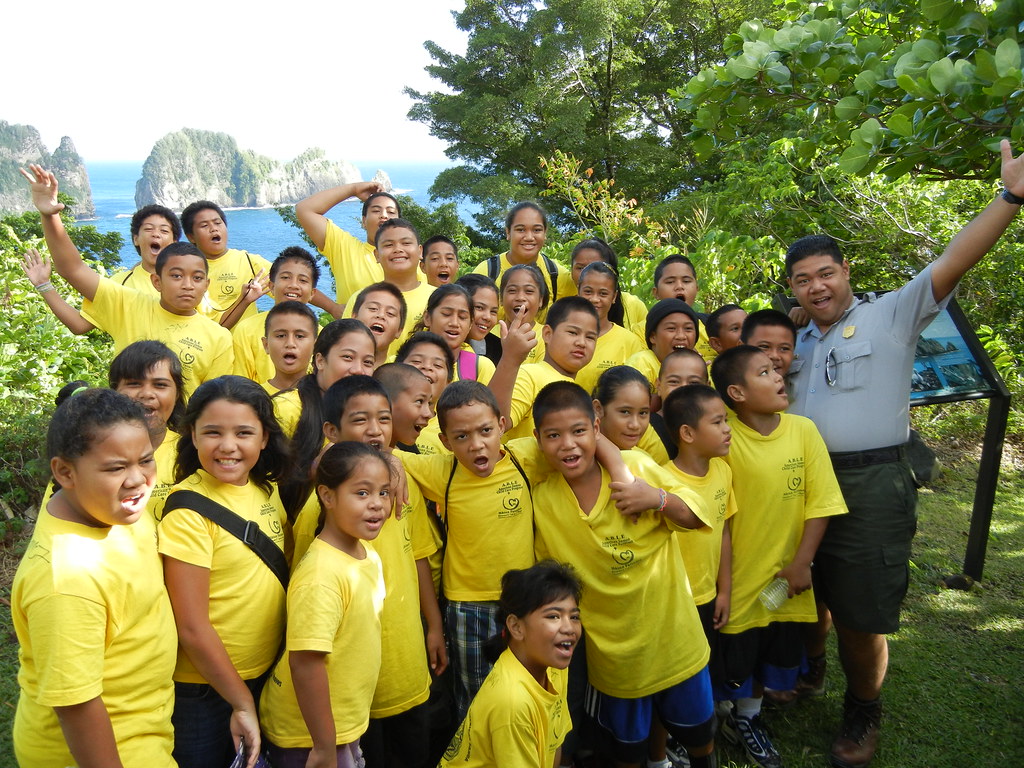
Photo: U.S. Department of the Interior via Flickr (CC BY-SA 2.0)
Our National Park of American Samoa Travel Guide begins with a fact that changes how visitors should plan: the only United States national park south of the equator protects tropical rainforest, coral reef, and Samoan village landscapes across three volcanic islands. Wildlife viewing here rarely involves roadside pullouts or developed observation platforms. Fruit bats cross mountain ridges above villages, seabirds circle offshore volcanic stacks, and reef fish become visible only when tides, swell, and water clarity cooperate.
The park encompasses roughly 13,500 acres on Tutuila, Ofu, and Ta‘ū, including about 4,000 marine acres. These islands sit more than 2,500 miles southwest of Hawaii. Pago Pago on Tutuila is the main arrival point, while reaching the Manu‘a islands of Ofu and Ta‘ū requires limited interisland transportation and substantially more schedule flexibility.
Explore the Three Islands of the National Park of American Samoa
Steep volcanic terrain divides the park into distinct habitats rather than one continuous visitor area. Tutuila provides the simplest access and the broadest trail network. Ofu protects a beach and lagoon celebrated for coral diversity. Ta‘ū contains remote rainforest, sea cliffs, and the park’s highest terrain. Travelers should treat them as separate trips within one national park.
Tutuila combines rainforest ridges with accessible wildlife habitat
Tutuila’s parklands occupy the mountainous north side of the island around Pago Pago Harbor. The Mount ‘Alava Trail follows an old communications road for approximately 7 miles round trip from Fagasā Pass, climbing through humid forest to a summit near 1,610 feet. Look for Samoan fruit bats crossing gaps in the canopy, white terns above the ridgeline, and cardinal myzomelas feeding among flowering trees.
At Vatia, the short Pola Island Trail reaches the rocky shoreline opposite Pola Tai, a narrow volcanic sea stack used by nesting and roosting seabirds. Brown noddies, white terns, and frigatebirds may be visible overhead or against the cliffs. Waves and falling rock make the shoreline a viewing area rather than a place to approach the stack.
Ofu protects the park’s clearest window into reef ecology
Ofu Beach borders a shallow lagoon where hundreds of coral and fish species occupy reef flats, channels, and deeper outer reef. The beach lies beside the village of Ofu, but transportation from Tutuila is limited and weather sensitive. Visitors need independent lodging, food, and local transport plans before traveling to the Manu‘a islands.
Reef access depends on tide and swell. Shallow coral can become dangerously close to the surface at low tide, while stronger water movement can develop near channels. A higher tide may provide clearance for swimming, but local advice remains important because wave exposure and currents vary along the shore.
Ta‘ū holds the wildest mountain and coastal landscapes
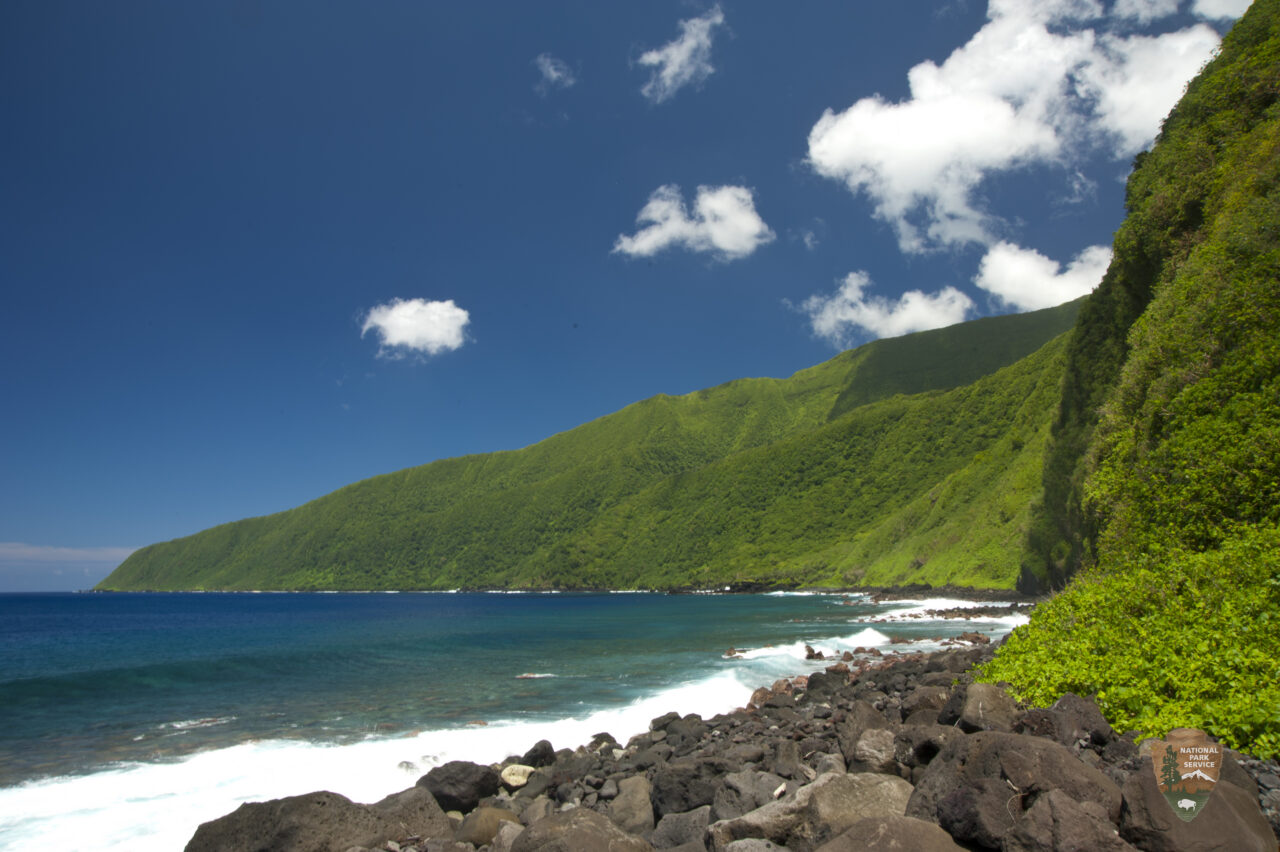
Ta‘ū rises to Lata Mountain, approximately 3,170 feet, the highest point in American Samoa. Its rainforests descend toward the dramatic southern coastline, including sea cliffs approaching 3,000 feet in height. Trails and coastal routes are less developed than those on Tutuila, and heat, mud, river crossings, and rapid vegetation growth can complicate travel.
The island’s relative isolation supports fruit bats, forest birds, nesting seabirds, and intact native plant communities. Ta‘ū rewards visitors who arrange a local guide and allow spare days for transportation disruptions. Current interisland schedules, park access conditions, fees, permits, and visitor services should be confirmed on the official park site before committing to a fixed itinerary.
Habitats that determine where wildlife appears
American Samoa’s wildlife is organized vertically, from reef flats below sea level to cloud soaked ridges above 3,000 feet. Recognizing these habitat bands makes sightings more predictable. Morning ridge walks favor birds and bats, protected lagoons reveal reef life, and exposed headlands concentrate seabird activity.
Lowland and montane rainforest
Warm temperatures, heavy rainfall, and volcanic soils support forests containing banyans, tree ferns, pandanus, palms, and numerous epiphytes. Rain increases with elevation as moisture laden trade winds rise over the islands. Trails can shift from warm coastal forest to cooler, windier ridge vegetation over a relatively short climb.
Where to watch for fruit bats
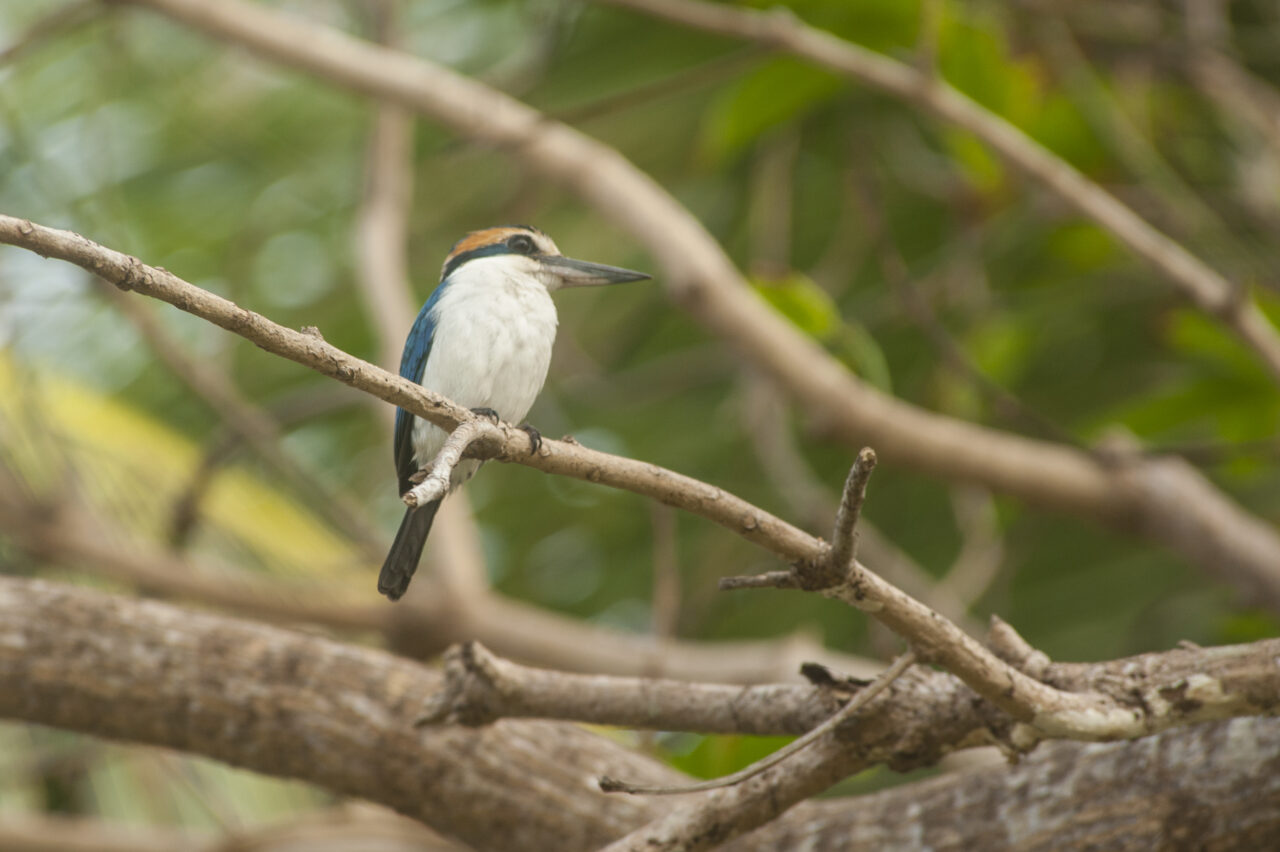
American Samoa supports the Samoan fruit bat and the Pacific flying fox. Unlike many bats, Samoan fruit bats are regularly active during daylight, particularly in the early morning and late afternoon. Scan open sky above the Mount ‘Alava ridge, forested slopes around Vatia, and mature fruiting trees. Their slow wingbeats and broad wings distinguish them from the quicker, more angular flight of seabirds.
Forest birds are easiest to locate by sound
White terns, wattled honeyeaters, cardinal myzomelas, Pacific pigeons, and Samoan starlings occupy different levels of the forest. Pause where the canopy opens rather than walking continuously. Honeyeaters and myzomelas often reveal themselves through calls and movement around flowers, while pigeons may remain high in fruiting trees.
Coral reefs, reef flats, and offshore water
The park’s marine ecosystems include coral gardens, sandy patches, seagrass, channels, and steep outer reef slopes. Butterflyfish, surgeonfish, parrotfish, wrasses, and damselfish are commonly associated with coral structure. Green sea turtles and hawksbill turtles also occur in Samoan waters, although encounters cannot be expected on any single swim.
Standing in Ofu’s lagoon gives the reef unusual physical immediacy. Warm water reaches your waist while pale sand alternates with dark coral heads underfoot. Reef fish flicker between branches of coral, the outer surf sounds beyond the reef crest, and the green wall of Ofu rises abruptly behind the beach. That shallow setting also demands controlled fin movement because a careless kick can break living coral.
Wildlife and conditions through the year
American Samoa remains warm throughout the year, with relatively modest temperature variation. Rainfall, wind, tropical storm risk, and ocean conditions matter more than temperature. The comparatively drier period usually falls from June through September, while October through May tends to be wetter and more humid.
| Period | Likely wildlife highlights | Typical planning considerations |
|---|---|---|
| December through March | Fruit bats, forest birds, reef fish | Wetter weather, high humidity, cyclone season, rough seas possible |
| April through July | Active forest birds, fruit bats, improving reef visibility | Rain remains possible, with generally more favorable hiking periods developing |
| August through November | Humpback whales offshore, seabirds, fruit bats, coral reef life | Often better for combining trails and marine viewing, although swell still varies |
Early morning favors terrestrial wildlife
Begin ridge or forest walks soon after daylight. Temperatures are lower, bird calls are easier to separate from village and road noise, and fruit bats may still be moving between feeding and roosting areas. Heavy tropical showers often develop later, leaving steep trails muddy even after the rain stops.
Humpback season adds an offshore migration
Humpback whales generally pass through Samoan waters from roughly August into November to breed and calve. Elevated coastal viewpoints around Tutuila and Ta‘ū provide the best land based opportunity. Watch for blows, repeated surfacing, and splashes beyond the reef rather than expecting whales inside protected lagoons.
Practical preparation for rainforest and reef days
Heat exposure and water management shape nearly every outing. High humidity slows sweat evaporation, while shaded rainforest can disguise how much fluid a hiker is losing. Carry drinking water from a reliable source, since streams can contain pathogens and may rise rapidly after rain.
A compact packing list for mixed terrain
- Trail footwear: Choose shoes with dependable traction for wet roots, clay, and slick volcanic rock.
- Reef protection: Bring a rash guard, mineral sun protection, and securely fitting water footwear where local conditions permit its use.
- Wildlife optics: Compact binoculars improve views of fruit bats and seabirds without encouraging close approaches.
- Rain protection: Use a lightweight waterproof layer and dry bags for electronics.
- Navigation: Carry an offline map because mobile coverage weakens in mountain valleys and on remote island units.
- Insect precautions: Pack repellent and cover exposed skin, particularly around dawn, dusk, and shaded forest.
Build flexibility into island travel
A Tutuila visit can combine the Mount ‘Alava corridor, Vatia, and coastal viewpoints from a single base near Pago Pago. Ofu and Ta‘ū require additional days because flights and boats are limited, weather dependent, and less adaptable to tight international connections. Our team recommends placing at least one unscheduled day before the flight home whenever a Manu‘a island is included.
How to identify wildlife without disturbing it
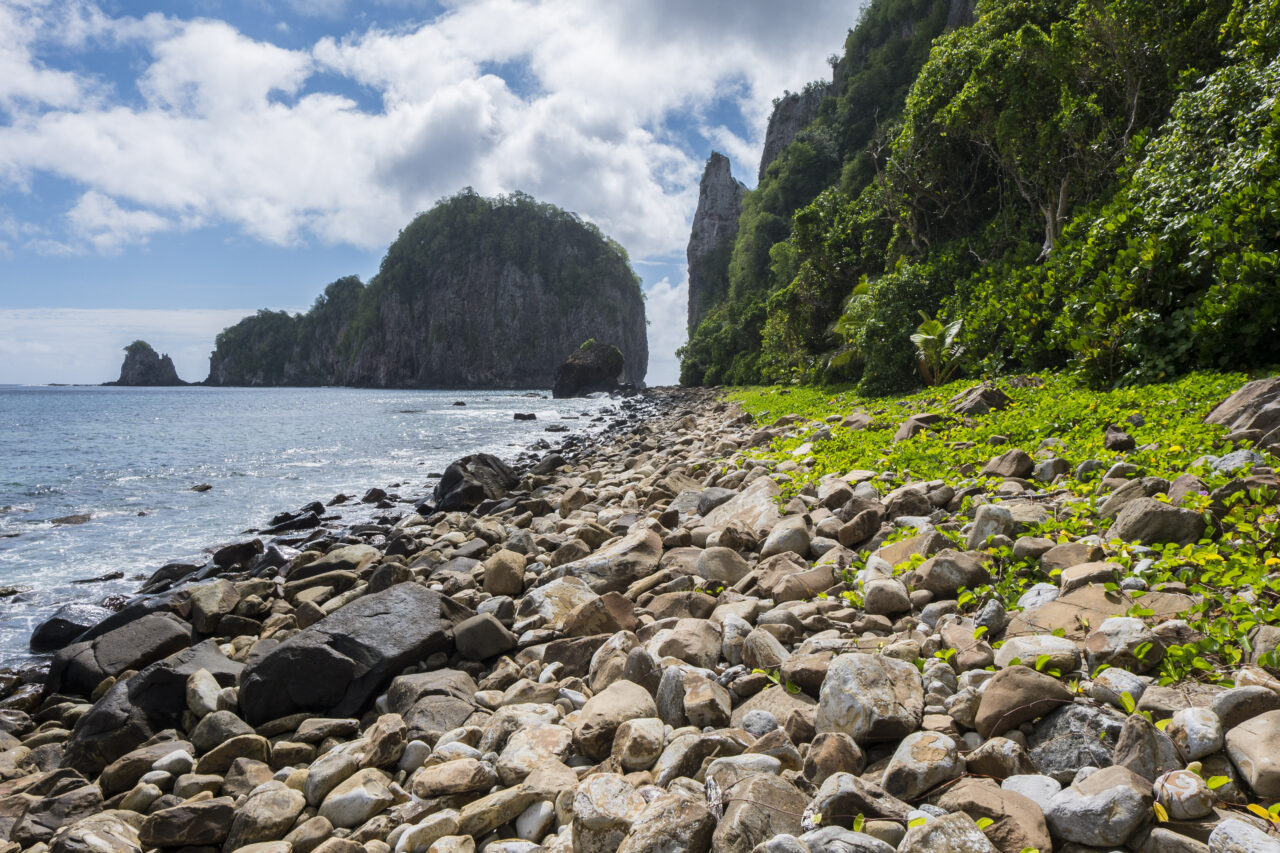
Wild animals often appear at the boundary between two habitats. On Tutuila, scan where the Mount ‘Alava ridge opens above the canopy and where forest meets the coast near Vatia. At Ofu, inspect sandy channels between coral formations rather than swimming directly over dense coral. On Ta‘ū, forest edges and elevated coastal ground provide broader sightlines than enclosed rainforest. The following field marks help separate commonly confused animals.
| Wildlife | Best park location | Useful identification clue |
|---|---|---|
| Samoan fruit bat | Mount ‘Alava ridge and Vatia slopes | Slow, deliberate wingbeats and daytime activity |
| Pacific flying fox | Forested valleys and fruiting trees | Frequently seen commuting near dusk |
| White tern | Vatia, Pola Island, and coastal forest | Entirely white body with buoyant flight |
| Brown noddy | Pola Island and exposed headlands | Dark plumage, pale cap, and direct flight |
| Green sea turtle | Ofu lagoon and outer reef channels | Rounded head and smooth, oval shell |
Give bats and birds room to choose their route
Remain below roosting bats rather than moving directly toward their tree. Repeated head turns, climbing, alarm calls, or sudden flight indicate disturbance. Around Pola Island, use binoculars from the established coastal viewing area. Seabirds expend valuable energy when forced from ledges, and eggs or chicks can overheat quickly when an adult leaves the nest.
Let turtles control every encounter
Never pursue, touch, feed, or block a sea turtle from reaching deeper water. A resting turtle may remain nearly motionless, but close swimmers can still interrupt feeding or breathing behavior. Keep fins above sand, avoid standing on coral, and move parallel to the animal instead of following behind it. These practices also reduce accidental contact with sharp coral and concealed marine life.
Fieldcraft for better sightings and photographs
A productive wildlife session depends on patience rather than distance covered. Select a canopy gap, flowering tree, reef channel, or offshore viewpoint and remain there for 15 to 20 minutes. Fruit bats may follow the same corridor repeatedly, while reef fish return after swimmers stop splashing. Polarized sunglasses help locate turtles from shore by reducing glare, and binoculars are more useful than a long camera lens in humid forest.
Keep equipment simple in tropical conditions
Rapid changes between air conditioning, humid air, and rain can fog lenses internally. Keep cameras sealed in a bag while they warm gradually, then add a reusable desiccant packet overnight. A lens cloth, rain cover, and wrist strap are more valuable here than a heavy tripod. For reef photography, use a secured camera housing and avoid placing equipment on living coral.
Use a low impact viewing routine
- Stop before entering the animal’s immediate feeding, nesting, or resting area.
- Observe its direction of travel before choosing where to stand.
- Silence recorded bird calls, music, and camera sounds.
- Take photographs without flash around roosting bats or nesting birds.
- Leave immediately if the animal changes behavior because of your presence.
Village customs also shape responsible access. Park landscapes remain closely connected to Samoan communities, homes, plantations, and culturally important ground. Ask before crossing land outside a clearly established route, dress respectfully near villages, and avoid photographing residents without permission. Sunday is widely treated as a day for church, family, and rest, so keep activity quiet and follow local guidance.
Frequently Asked Questions
The practical answers below address the decisions that most often affect wildlife focused itineraries. This National Park of American Samoa Travel Guide assumes visitors will spend time outdoors in heat, humidity, and changing ocean conditions rather than viewing wildlife from developed roadside facilities.
How many days should I spend in the park?
Allow three full days for Tutuila. A trip including Ofu or Ta‘ū generally needs a week or longer because interisland transport can consume entire days and weather delays need to be absorbed.
Can children visit the park?
Yes, but choose outings according to swimming ability, heat tolerance, and trail experience. Ofu’s shallow water still contains coral, currents, and channels, while Mount ‘Alava requires sustained climbing on potentially muddy ground.
Can fruit bats really be seen during daylight?
Yes. Samoan fruit bats frequently forage during the day. Early morning and late afternoon offer the strongest combination of activity, softer light, and cooler walking temperatures.
Is snorkeling always safe at Ofu Beach?
No single tide or season guarantees safe snorkeling. Check swell, current, tide depth, and local advice before entering, then stay away from reef passes when water is moving strongly.
Do I need a guide?
A guide is especially valuable on Ta‘ū, where routes can be overgrown and access may involve village coordination. Established Tutuila walks are easier to plan independently, although local knowledge still improves bird and bat identification.
Gear & Essentials
Tell us about your trip and we will add what else you will want:
The basics
Worth having in the car whatever the park.
For this trip
As an Amazon Associate we earn from qualifying purchases, at no extra cost to you.
Plan around habitats, not a checklist
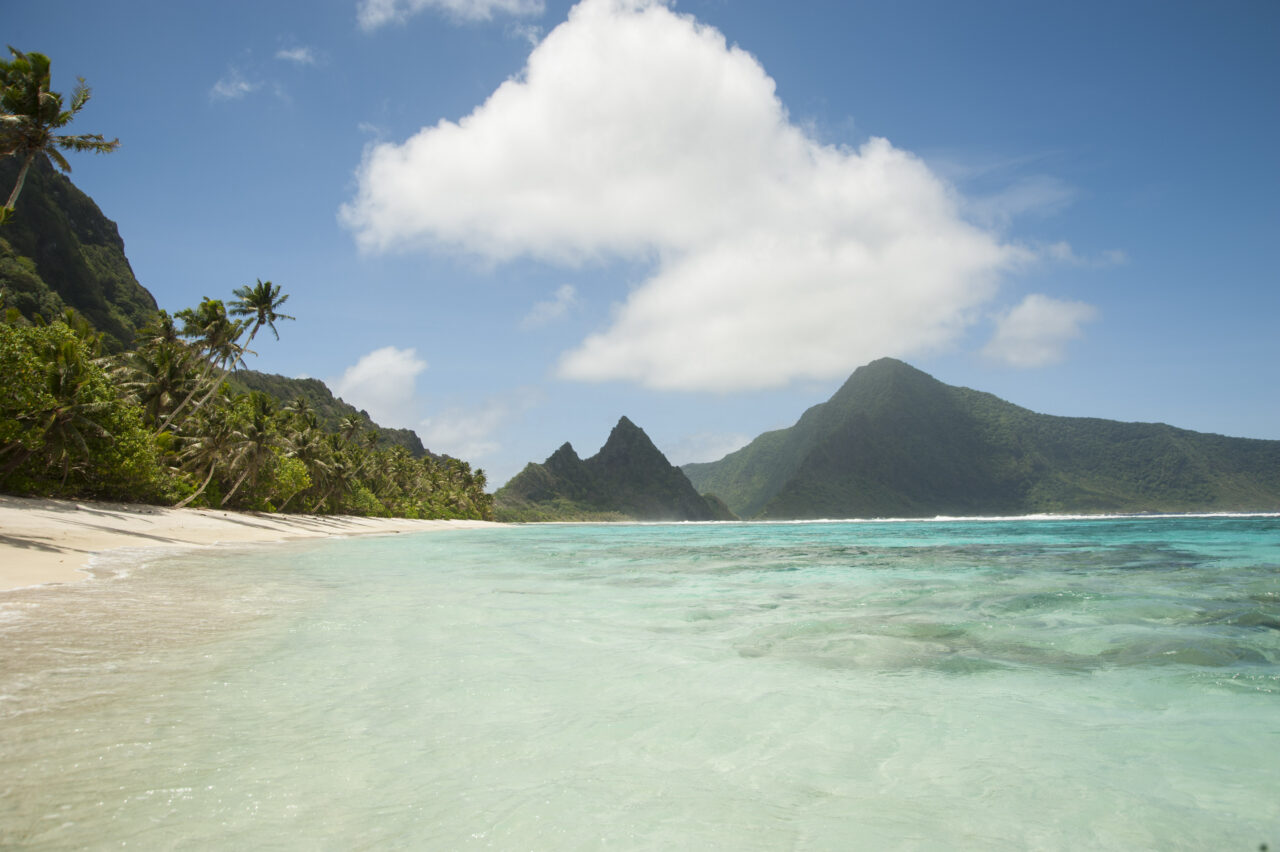
The park’s wildlife becomes easier to understand when each outing follows the landscape. Walk Tutuila’s ridges near dawn for forest birds and fruit bats, watch Pola Island from shore for seabirds, and enter Ofu’s lagoon only when water conditions protect both swimmers and coral. Reserve offshore whale watching for the seasonal migration period and use elevated coastal viewpoints before considering any boat based excursion.
Build enough time into the journey to wait for clear water, a passing shower, or a delayed interisland connection. Simple fieldcraft produces the best results: move slowly, scan habitat edges, listen before walking onward, and let animals determine the viewing distance. That approach supports better sightings while respecting the reefs, rainforests, wildlife, and Samoan communities that sustain the park.
Want to keep exploring? Browse all our National Park of American Samoa guides and articles for more trip-planning tips and ideas.
