






Virgin Islands National Park Camping Guide: Where to Stay
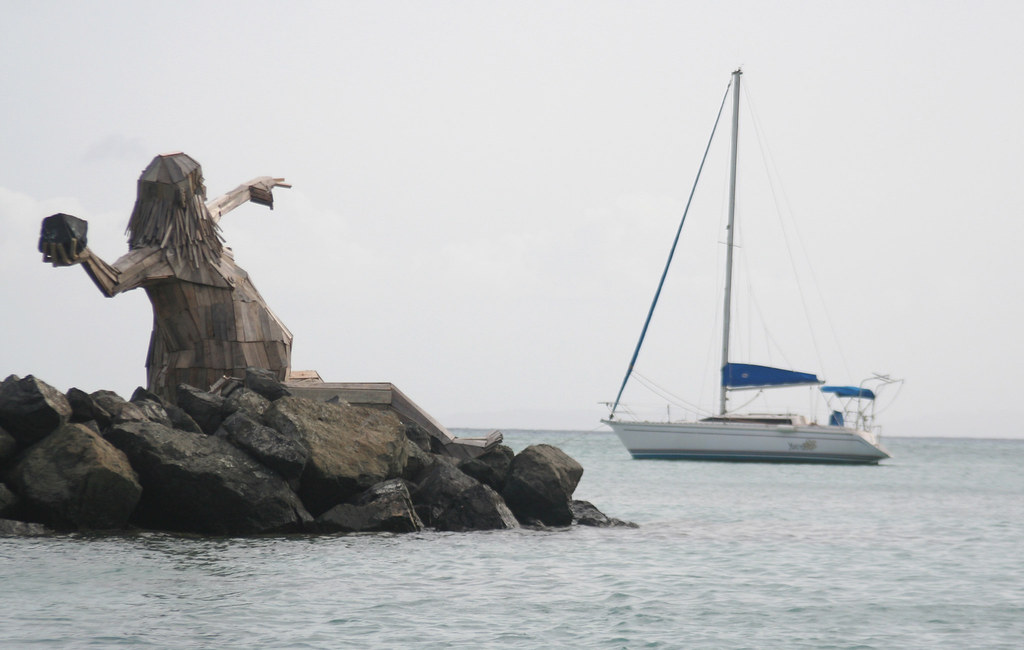
Photo: anoldent via Flickr (CC BY-SA 2.0)
Virgin Islands National Park covers roughly 7,171 acres on the island of St. John, and camping here puts you closer to its reef-fringed bays, dry tropical forest, and Danish colonial ruins than any hotel on the island can. Most visitors arrive chasing the combination of Caribbean snorkeling and shaded hillside hiking, but the campgrounds are the reason to linger for several nights rather than treating St. John as a day trip from St. Thomas. The park is small enough to explore thoroughly in three or four days, yet the underwater landscape alone rewards repeated visits.
Two campgrounds operate within park boundaries: Cinnamon Bay Campground on the north shore, which is the larger and more developed of the two, and Maho Bay Campground, a more recent addition to the north-shore corridor. Both sit within walking distance of snorkel-ready beaches. Understanding how they differ in character, site types, and what each demands from campers will help you choose the right base and pack the right gear for conditions that are genuinely unlike any mainland campground.
Orientation: St. John and the Park Layout
Getting to the Island
St. John has no airport. Nearly every visitor crosses from St. Thomas via ferry, either from the Red Hook ferry dock on St. Thomas’s east end (roughly a 20-minute crossing to Cruz Bay) or from the Charlotte Amalie waterfront (about 45 minutes). Cruz Bay is the island’s main port and the point from which you distribute to trailheads, beaches, and campgrounds. The drive from Cruz Bay to Cinnamon Bay Campground follows North Shore Road (Route 20) east for approximately 4 miles, passing Hawksnest Bay, Trunk Bay, and the turnoff for Caneel Bay before reaching the campground entrance. All of this coastline sits within park boundaries.
St. John’s terrain is surprisingly rugged for a small island. The interior ridgeline runs east to west and peaks at Bordeaux Mountain at roughly 1,277 feet above sea level. That topography channels trade winds across the north shore, which is consequential for campers: the same breeze that keeps Cinnamon Bay comfortable in summer also accelerates during winter cold fronts and tropical systems. Plan your shelter accordingly, and always check the National Hurricane Center forecast for the eastern Caribbean before and during your trip.
What the Park Protects
About 60 percent of St. John’s land area falls inside park boundaries, and the park also includes approximately 5,650 acres of surrounding marine waters, encompassing offshore coral reefs, seagrass beds, and mangrove lagoons. The Cinnamon Bay Archaeological Site preserves evidence of Taino and pre-Columbian settlement, and the ruins of Danish sugar plantations appear at Annaberg, Cinnamon Bay, and elsewhere along the trail network. This layering of natural and cultural history shapes the character of every campground, beach, and trail in the park.
Virgin Islands National Park Campgrounds: The Two Options at a Glance
Choosing between Cinnamon Bay and Maho Bay comes down to the type of experience you want, the gear you are carrying, and how much shade and infrastructure matters to your party. The table below compares the two options across the factors that matter most for trip planning.
| Feature | Cinnamon Bay Campground | Maho Bay Campground |
|---|---|---|
| Location on island | North shore, ~4 miles east of Cruz Bay | North shore, ~5.5 miles east of Cruz Bay |
| Site types available | Bare sites (tent), furnished cottages, eco-tents | Tent sites (bare ground) |
| Beach access | Cinnamon Bay Beach, directly adjacent | Maho Bay Beach, short walk |
| Snorkeling quality | Good, especially the east end rocky point | Excellent; sea turtles frequent Maho Bay |
| Shade | Variable; some sites under sea grape and buttonwood | Limited at many sites |
| Facilities on site | Commissary, restrooms, showers, equipment rental | Basic; confirm current amenities on the official park site |
| Reservations | Required; book through the park’s concessioner | Required; confirm booking platform on the official park site |
Cinnamon Bay Campground: Virgin Islands National Park's North Shore Base
Setting and Character
Cinnamon Bay Campground occupies a flat coastal strip between North Shore Road and one of the park’s longest and most accessible beaches. The bay itself curves roughly a quarter mile from headland to headland, and the water grades from ankle-deep sandbars near the center to a rocky reef shelf at the eastern end where parrotfish, blue tang, and the occasional hawksbill turtle feed. Behind the campground, the forested hillside rises sharply toward the Cinnamon Bay Trail, a 1.1-mile route that climbs through dry tropical forest to a ridge offering views across the Sir Francis Drake Channel toward the British Virgin Islands.
The campground’s footprint includes the ruins of the old Cinnamon Bay sugar factory, visible from the beach path. Those ruins are not incidental scenery: they represent a period of Danish colonial plantation agriculture in the 18th century that shaped St. John’s entire landscape, including the secondary forest that now covers the hillsides. The strangler figs, kapok trees, and introduced mongoose that share the campground with you all relate back to that history in some way.
Site Types and What Each Offers
Bare Tent Sites
Bare sites are cleared ground pads with access to shared restrooms and shower facilities. They suit campers who want to sleep in their own tent and carry their own gear. Shade varies considerably by site: those positioned under mature sea grape or bay rum trees are markedly cooler in the afternoon than exposed sites near the beach margin. Reserving a specific shaded site, if the booking system allows it, is worth the extra research step.
Eco-Tents and Furnished Cottages
The campground’s concessioner also offers eco-tents, which are canvas structures on raised platforms with cots, linens, and lockable storage, and fully furnished cottages with private bathrooms. Both options eliminate the need to pack sleeping gear and much of the kitchen kit across ferry and taxi. Cottages in particular book out months in advance for peak-season dates between December and April, so confirm availability and current rates directly with the park concessioner well ahead of your travel dates.
Packing for Virgin Islands National Park: Conditions You Will Actually Find
Climate and What It Demands From Your Gear
St. John sits at roughly 18 degrees north latitude, and Cinnamon Bay’s coastal elevation means nighttime temperatures rarely fall below the low 70s Fahrenheit even in January. You do not need cold-weather sleeping gear. What you do need is moisture management: humidity stays high year-round, condensation collects on tent fabric overnight, and afternoon trade wind squalls can deliver short, intense rainfall with little warning. A freestanding tent with a full rain fly and a footprint is the right choice, not a summer backpacking shelter designed for dry western climates.
- Reef-safe sunscreen: conventional oxybenzone-based sunscreens are harmful to coral reefs and are restricted in the U.S. Virgin Islands; bring mineral-based alternatives.
- Snorkel gear: rental is available at Cinnamon Bay, but carrying your own mask ensures fit and hygiene.
- Water shoes or reef walkers: the rocky entry points at Cinnamon Bay and Maho Bay are easiest with foot protection.
- Dry bags or waterproof cases: ferry crossings and beach afternoons both threaten electronics and documents.
- Lightweight rain layer: a packable jacket for trail use and evening squalls takes negligible space.
- Insect repellent with DEET or picaridin: no-see-ums are active at dusk near the beach margin and are small enough to pass through standard mesh.
- Cash and small bills: not every vendor near the park takes cards reliably.
Food and Water Logistics
Cinnamon Bay’s commissary stocks basic supplies, ice, and prepared food, but the selection is limited and prices reflect the island’s logistics costs. Most campers supplement by shopping at one of the grocery stores in Cruz Bay before heading to the campground. Bring a cooler with enough capacity for three or four days if you plan to cook at your site. Potable water is available at the campground, but confirm the current status of water sources with the park before your trip, as infrastructure on remote island units can be affected by storm damage or maintenance schedules.
Reservations, Booking Windows, and What to Expect When You Arrive
How the Reservation System Works
Cinnamon Bay Campground operates through a park-authorized concessioner rather than through Recreation.gov, which means the booking process differs from most mainland national park campgrounds. You will find availability calendars, site-type descriptions, and rate information on the concessioner’s website. Furnished cottages and eco-tents typically open reservations six months to a year in advance, and peak-season weekends between mid-December and early April fill within days of opening. Bare tent sites generally have slightly more availability, but do not assume you can walk up and claim a spot during the winter high season or around U.S. holiday weekends. Confirm the exact booking platform and cancellation policy on the official park site before entering payment information anywhere.
Maho Bay Campground’s reservation process has changed since the original Maho Bay Camps eco-resort closed. The tent sites now managed within the park corridor operate under different arrangements, so check the National Park Service Virgin Islands page for the current booking method before planning around that location. Arriving without a confirmed reservation during busy periods carries real risk of finding no available site.
Check-In and Orientation at Camp
The campground entrance sits just off North Shore Road and is easy to miss if you are watching the water rather than the road signs. Rangers or concessioner staff at check-in can point you toward your specific site, tell you about current trail conditions, and flag any active wildlife advisories, including mongoose activity near food storage areas. Every site requires bear-box-style food storage or secured vehicle storage to keep mongoose and feral donkeys out of your provisions. Donkeys are not aggressive, but they are persistent and surprisingly capable around poorly latched coolers.
What to Do From Camp in Virgin Islands National Park
Trails Accessible on Foot
Cinnamon Bay Campground gives direct access to three distinct trail experiences without moving your car. The Cinnamon Bay Loop, approximately 1.1 miles, begins near the sugar mill ruins at the western edge of camp and climbs through secondary dry tropical forest where you will see turpentine trees with their distinctive peeling orange bark, century plants, and the introduced white-tailed deer that have colonized the hillsides since Danish colonial times. The Cinnamon Bay Trail continues beyond the loop to connect with the Reef Bay Trail system, extending your options considerably.
The America Hill Trail, a short spur of roughly 0.5 miles, leads to the ruins of the America Hill sugar estate and offers a clear ridgeline view toward Whistling Cay and the British Virgin Islands. Early morning, before the trade winds build and before day-trip visitors arrive from Cruz Bay, is the best window for this walk: the light is soft, the temperature is tolerable, and the yellow warblers and bananaquits that feed in the scrub are most active. From Maho Bay, the Francis Bay Trail (about 0.3 miles one way) loops a quiet mangrove pond where great blue herons, tricolored herons, and migratory shorebirds forage depending on the season.
On and Under the Water
Cinnamon Bay’s eastern headland, marked by the rocky shelf that drops into deeper water, holds the campground’s best snorkeling. Brain coral heads the size of compact cars anchor the reef, and French and queen angelfish move between them in the mid-morning hours before afternoon surge picks up. The bay’s sandy center is ideal for swimming with children and for stand-up paddleboard rentals available through the concessioner. At Maho Bay, the star attraction is the resident sea turtle population: green turtles and hawksbills graze the seagrass beds throughout the year and are reliably visible to anyone floating quietly in the shallows without kicking toward them.
Trunk Bay, roughly one mile west of Cinnamon Bay by road, hosts the park’s famous underwater snorkel trail, a marked route approximately 225 yards long with submerged plaques identifying coral species and fish. It charges a separate entrance fee (confirm the current amount on the official park site). The trail is worth visiting even if you are an experienced snorkeler, because the identification signage is genuinely instructive and the bay’s protected arc limits surge on most days.
Day Trips to the East End and Beyond
The park’s east end, reached via Centerline Road (Route 10) rather than North Shore Road, holds Coral Bay, a quieter settlement with a handful of provisioning options, and access to the Lameshur Bay trailhead. The Reef Bay Trail, starting near the midpoint of Centerline Road at roughly 1,000 feet elevation, descends 2.2 miles to Reef Bay’s petroglyphs and beach. The carved rock symbols, attributed to pre-Columbian Taino people, sit beside a freshwater pool fed by a small waterfall, an unusual feature on an otherwise dry island. The descent is straightforward; the return climb in afternoon heat is demanding, so start before 8 a.m. if possible.
Seasonal Considerations for Virgin Islands National Park Campers
High Season versus Low Season Trade-Offs
| Season | Months | Weather Profile | Campground Conditions | Key Considerations |
|---|---|---|---|---|
| High (dry) season | December to April | Lower humidity, reliable trade winds, temperatures 75 to 85 F | Full occupancy most nights; advance booking essential | Best visibility for snorkeling; ferry lines longer; cottage rates peak |
| Shoulder season | May, June, November | Warming temperatures, occasional squalls, humidity building | Reduced occupancy; more site choices available | Good value window; hurricane season begins June 1 |
| Low (wet) season | July to October | High humidity, frequent afternoon showers, tropical storm risk | Lowest demand; most flexible availability | Monitor National Hurricane Center forecasts daily; some facilities may have reduced hours |
Hurricane Season Realities
The Atlantic hurricane season runs June 1 through November 30, and St. John sits squarely in the eastern Caribbean’s primary storm track. The park and ferry services can suspend operations with 24 to 48 hours of notice when a system threatens the area. Travelers camping between August and October should purchase trip insurance with weather cancellation coverage and build flexibility into return travel dates. Hurricane Irma in September 2017 caused severe damage across St. John, and the park’s full recovery took several years: that history is a reminder of how quickly conditions can change on a small island with limited evacuation routes.
Even outside named storms, the wet season produces squalls that arrive quickly off the Sir Francis Drake Channel. A well-staked tent with a quality rain fly handles the typical afternoon shower without drama, but be prepared to secure loose gear, dry bags, and camp chairs whenever clouds build to the east in the early afternoon. Most squalls pass within 30 minutes and are followed by clearing skies and a noticeable drop in temperature.
Gear & Essentials
Before you head out, make sure you have the right gear for Virgin Islands National Park Camping Guide: Where to Stay. These are our picks:
- Lightweight Waterproof Sleeping Bag
- Camping Tent 2-4 Person Easy Setup
- Sawyer Permethrin Clothing Repellent
- Sawyer Picaridin Insect Repellent Lotion
- Rainleaf Microfiber Quick-Dry Towel
- USB Rechargeable Camping Lanterns 2-Pack
As an Amazon Associate, we earn from qualifying purchases at no extra cost to you.
Planning Your Virgin Islands National Park Stay: Practical Summary
Virgin Islands National Park rewards campers who plan carefully and pack specifically for a warm, humid, coastal environment. Booking as early as the reservation window allows is the single most important step, particularly for furnished accommodations in the December through April window. Once you have your dates locked in, the logistics of ferry crossings, grocery runs in Cruz Bay, and North Shore Road navigation all fall into place quickly on a small island where nothing is more than a short drive from anything else.
The combination of direct beach access, a walkable trail network connecting colonial ruins, reef-rich snorkeling, and reliable sea turtle sightings at Maho Bay makes these campgrounds more productive as a base than most waterfront hotels on St. John. You wake up already at the beach, already inside the park boundary, and already positioned to reach the trails before the day-trip crowds arrive via ferry and taxi from St. Thomas.
Bring reef-safe sunscreen, a solid rain fly, and a mask that fits. Shop for groceries in Cruz Bay before driving to camp. Check the official park site for current fees, reservation procedures, and any active trail closures before your trip, since island infrastructure can shift after storm events. With those details confirmed, the only remaining variable is how long you can stay, and that answer is almost always: longer than you planned.
Want to keep exploring? Browse all our Virgin Islands guides and articles for more trip-planning tips and ideas.