


What to Pack for North Cascades National Park: A Complete Checklist
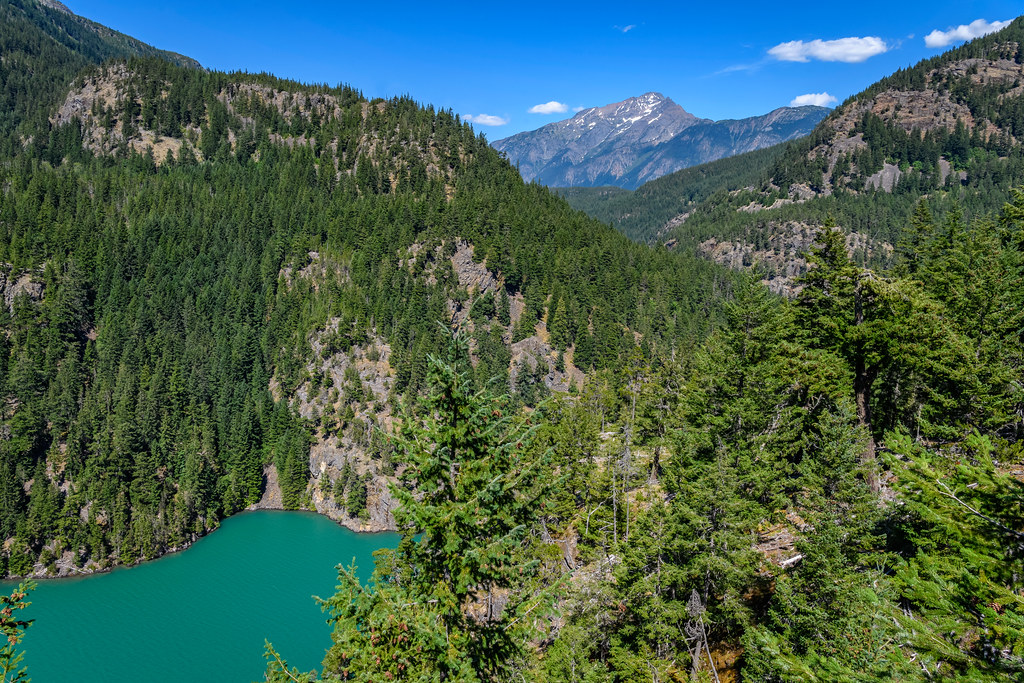
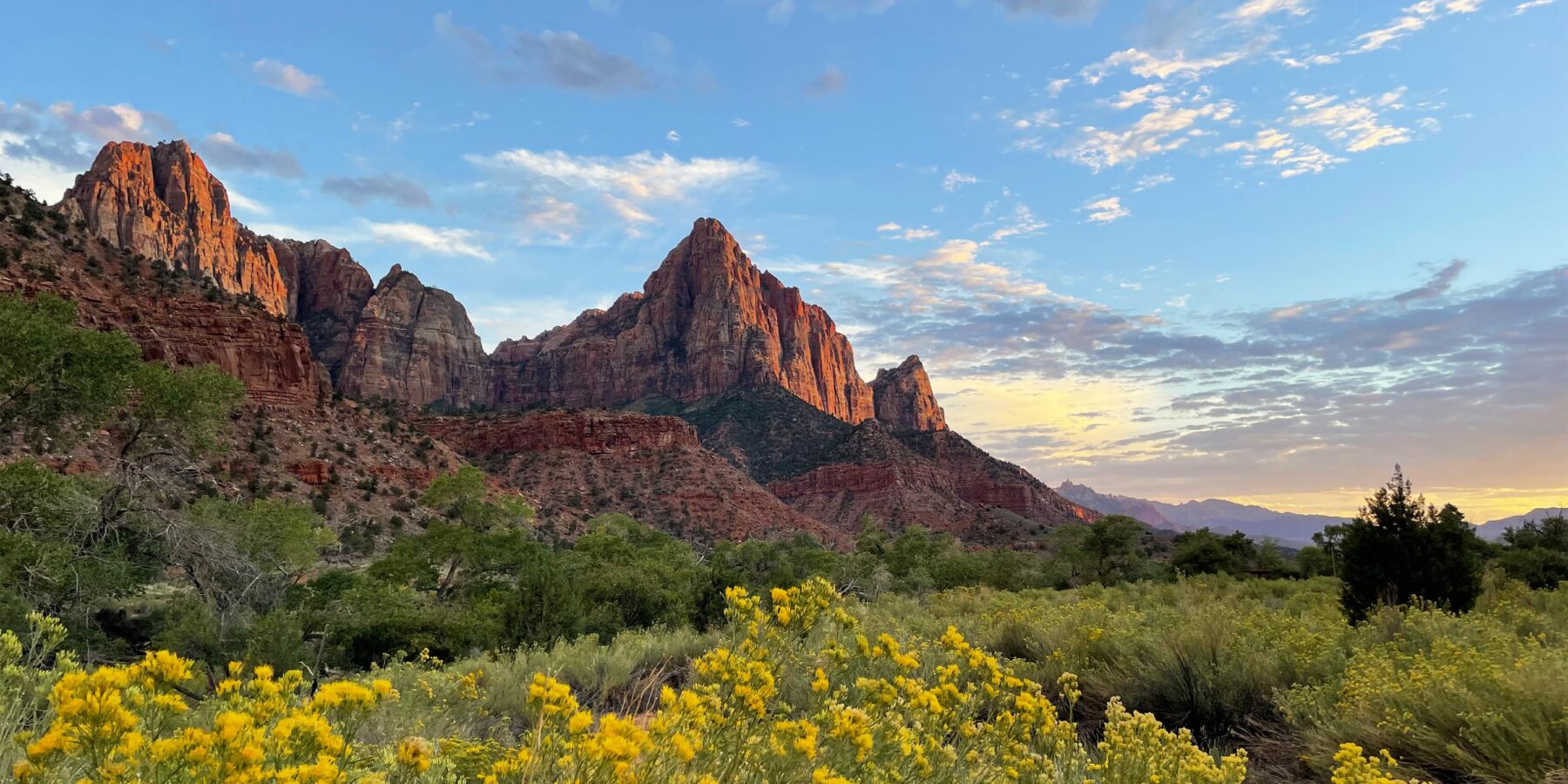
Photo: Unknown via Flickr (CC BY-NC-ND 2.0)
Knowing what to pack for North Cascades National Park is one of the most important decisions you’ll make before visiting, as the right gear can mean the difference between a trip you remember for all the right reasons and one cut short by soggy gear, altitude headaches, or an unexpected overnight in the backcountry. The park spans roughly 684,000 acres of the most rugged terrain in the contiguous United States, with glaciated peaks topping out above 9,000 feet, river valleys descending below 1,000 feet, and weather systems that can cycle from clear skies to whiteout conditions inside a single afternoon. That vertical and meteorological range demands a packing list built around adaptability, not just convenience.
Unlike many national parks where a day hike amounts to a well-signed loop with amenities at the trailhead, North Cascades rewards preparation. The park proper has no lodges inside its wilderness boundaries, cell service is essentially nonexistent once you leave Highway 20, and the nearest full-service towns (Marblemoor to the west and Winthrop to the east) are each about an hour from the park’s core. Visitors come for the Picket Range, for the 300-plus glaciers that give the park its nickname “the American Alps,” and for trails like the 34-mile route traversing from Cascade Pass to Stehekin, a route that rewards self-sufficiency. What follows is a complete checklist built for that reality.
Understanding the Terrain and Conditions Before You Pack
Elevation, Weather, and Why They Drive Every Packing Decision
The North Cascades sit at the collision point of Pacific moisture and continental air masses, which produces some of the highest snowfall totals on Earth at higher elevations. Eldorado Peak (8,868 feet), Mount Shuksan (9,131 feet), and Goode Mountain (9,206 feet) hold snow well into July most years. Even at mid-elevations around 5,000 to 6,000 feet, where popular destinations like Maple Pass Loop (7 miles, elevation gain of about 2,000 feet) and Blue Lake Trail (4.4 miles round-trip near Washington Pass) sit, afternoon thunderstorms are common from July through September. Morning starts are not just advice here; they are a functional safety strategy.
At lower valley elevations, particularly in the Skagit River corridor and around Diablo and Ross Lakes, the climate shifts dramatically. Summer temperatures in the valleys regularly reach the mid-80s Fahrenheit, while the ridge you plan to cross in the afternoon might be 30 degrees colder with a 20-mph wind. Packing for a 50-degree swing within a single day is not an exaggeration. Rain shadow effects on the east side of the range (around Winthrop and the Methow Valley) mean the eastern approaches to the park trend drier and warmer, but that also raises wildfire smoke risk in late summer, which can affect air quality and visibility significantly.
Seasonal Conditions at a Glance
| Season | Typical Access | Primary Hazards | Key Packing Priorities |
|---|---|---|---|
| Late May to June | Highway 20 opens (date varies); many trails snow-covered above 4,500 ft | Snow travel, postholing, cold river crossings | Microspikes or crampons, trekking poles, waterproof gaiters |
| July to August | Full access; most passes open | Afternoon thunderstorms, wildfire smoke (east side) | Layering system, sun protection, N95 mask for smoke |
| September | Excellent conditions, lower crowds | Early season snow above 6,500 ft; shorter days | Extra insulation, headlamp with extra batteries |
| October and beyond | Highway 20 closes east of Diablo Lake (typically late October) | Early closures, ice, limited daylight | Four-season gear; check road status before departure |
Highway 20, the North Cascades Scenic Highway, is the park’s primary artery and closes at its eastern mountain sections each winter, typically reopening sometime in April or May depending on snowpack. Confirm current road status and any permit requirements on the official park site before your trip, as opening dates shift year to year and some trailheads require advance reservations during peak summer weekends.
What to Pack for North Cascades National Park: A Complete Checklist for Every Season
Clothing and Layering System
The single most common packing mistake in the North Cascades is bringing cotton. Cotton holds moisture against your skin, loses its insulating value when wet, and in a park where you may be standing in cold rain or crossing a snow-fed stream, it becomes a genuine hypothermia risk. Every layer should be synthetic or wool. The layering system that works here is a moisture-wicking base layer, a mid-layer with active insulation (a lightweight fleece or synthetic puffy), and a waterproof hardshell as the outer shell. In summer, you may spend most of the day in just your base layer on a sun-exposed ridge, then need all three layers by the time you descend through a wet forest.
For footwear, waterproof hiking boots with ankle support are appropriate for the majority of maintained trails. For any off-trail travel, glacier approaches, or late-season snow crossings, a stiffer boot compatible with microspikes or crampons is worth the weight. Gaiters, even lightweight trail gaiters, keep debris and wet brush out of your boots on overgrown paths, which are common on less-traveled routes deeper in the park’s wilderness units.
Core Clothing Checklist
- Moisture-wicking base layer top and bottom (synthetic or merino wool)
- Lightweight fleece or synthetic insulated mid-layer jacket
- Waterproof, breathable hardshell jacket with a hood
- Waterproof or water-resistant hardshell pants
- Hiking pants or shorts (quick-drying synthetic fabric)
- Wool or synthetic hiking socks, at least two pairs per day of hiking
- Waterproof hiking boots with ankle support
- Camp shoes or sandals for river crossings and around camp
- Lightweight insulated gloves and a wool or fleece hat
- Sun hat with a brim for exposed ridgeline travel
- Gaiters (trail weight minimum; mountaineering weight for snow travel)
- Microspikes or crampons for travel on snow (late spring through early July, and September onward at elevation)
Rain Gear and Pack Protection
A hardshell jacket alone is not enough. Your pack, and everything inside it, needs its own waterproofing strategy. A pack rain cover that fits your specific pack volume is the first line of defense, but experienced Cascades hikers line the main compartment with a heavy-duty trash compactor bag as a secondary measure. In a sustained, wind-driven rainstorm, water finds its way past most pack covers through the suspension system and hip belt pockets. Dry bags or lightweight stuff sacks with roll-top closures work well for organizing your sleeping bag, clothing layers, and electronics within the main compartment. Keep items you need quick access to (rain gear, snacks, navigation tools) in an exterior pocket that you can reach without removing your pack.
Interested in learning more? Explore our 2026 Chickasaw National Recreation Area Road Preservation to see how we can help bring your vision to life.