

Best Things to Do in Channel Islands National Park for First-Time Visitors
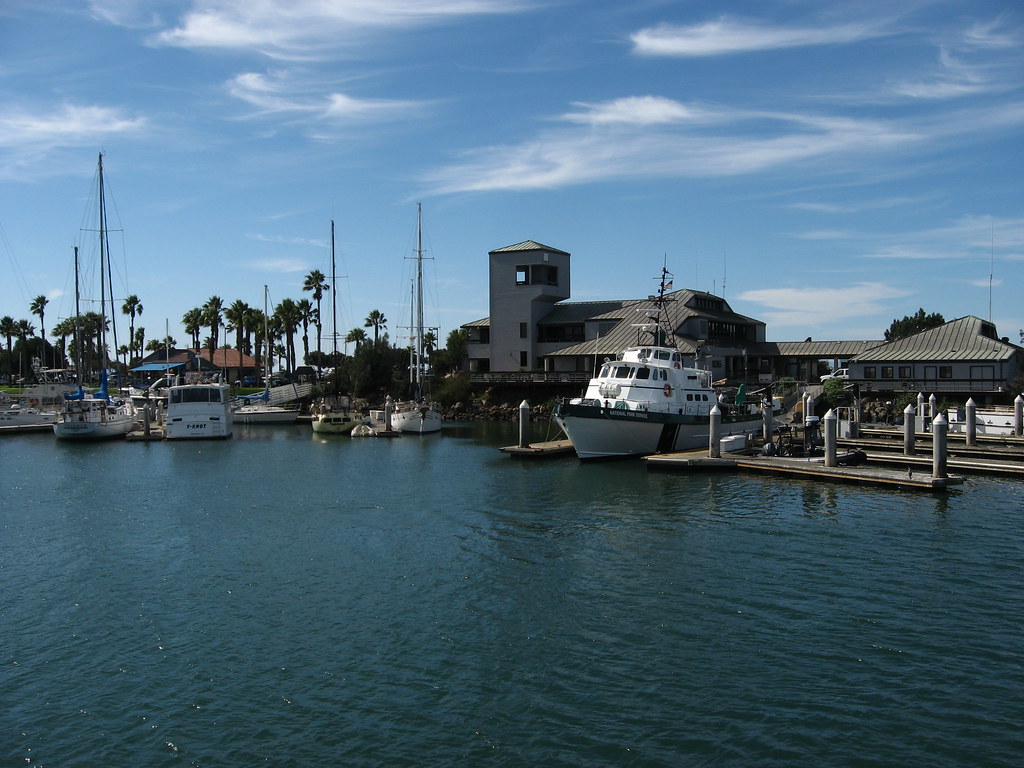
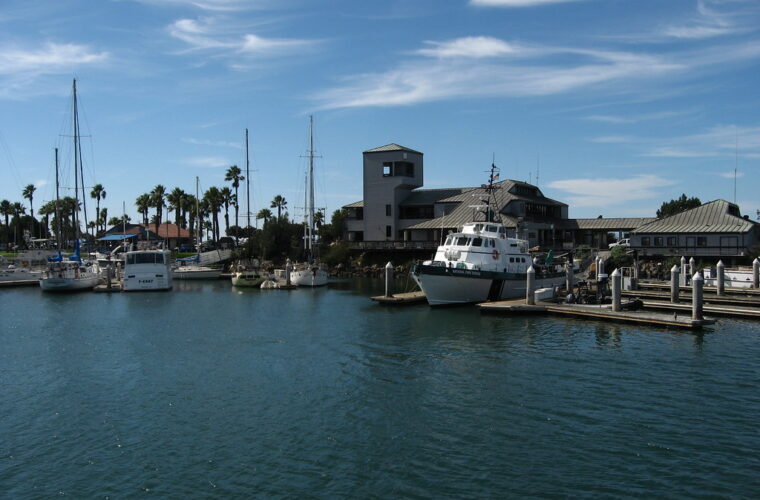
Photo: Ken Lund via Flickr (CC BY-SA 2.0)
The Best Things to Do in Channel Islands National Park begin with choosing the right island, because the park’s five islands require separate boat trips and offer very different experiences. Santa Cruz has sea caves and long coastal trails, Anacapa has compact walks above seabird colonies, and the outer islands reward experienced visitors with solitude, wind-shaped terrain, and endemic wildlife.
The park protects Anacapa, Santa Cruz, Santa Rosa, San Miguel, and Santa Barbara islands, plus the surrounding marine environment. There are no bridges, restaurants, shops, or roads connecting the islands. This guide explains how to reach them, which island works best for a first trip, and how to combine hiking, wildlife watching, and sea cave exploration without underestimating the logistics.
Understand the park before choosing an island
Five islands form one unusually dispersed national park
Channel Islands National Park extends along the Southern California coast west of Ventura, but it feels far removed from the mainland once the shoreline disappears behind the boat. The four northern islands align east to west along the Santa Barbara Channel. During the last ice age, lower sea levels connected them as a single island called Santarosae. Rising water later separated Anacapa, Santa Cruz, Santa Rosa, and San Miguel.
That history helps explain the park’s endemic plants and animals. The island fox evolved into distinct subspecies on six Channel Islands, including four within the park. Fossil pygmy mammoths have been found on the northern islands, while archaeological sites document more than 13,000 years of human presence. Chumash communities lived here long before European ranching, fishing, military activity, and lighthouse construction altered the islands.
Most visitors depart from Ventura Harbor
Commercial passenger boats generally serve the islands from Ventura Harbor, with some seasonal service associated with the Santa Barbara area. Typical crossings to Anacapa and eastern Santa Cruz take about an hour, while Santa Rosa and San Miguel require substantially longer travel. Ocean conditions affect every crossing. A calm morning can still develop into a rough afternoon when prevailing northwest winds strengthen across the channel.
Reserve transportation before building the rest of the itinerary. Island departures do not operate like frequent urban ferries, and missing the return boat can create a serious problem. Camping, landing access, current fees, outer-island restrictions, and transportation schedules require separate attention, so confirm current details on the official park site before booking.
Season changes the crossing and the wildlife
| Season | Typical conditions | Reasons to visit |
|---|---|---|
| Winter | Cooler temperatures, passing storms, rougher seas | Gray whale migration, green hills after rain, fewer visitors |
| Spring | Mild days, strong wind possible, vegetation still green | Wildflowers, nesting seabirds, active island foxes |
| Summer | Dry slopes, morning marine layer, calmer periods between windy days | Kayaking, snorkeling, longer daylight, blue whale season offshore |
| Autumn | Warm water, dry terrain, variable heat and Santa Ana winds | Snorkeling visibility, sea cave trips, lighter weekday crowds |
Pick Santa Cruz or Anacapa for a first visit
Santa Cruz provides the broadest range of activities
Santa Cruz Island is California’s largest island, covering roughly 96 square miles. The National Park Service manages its eastern section, while most of the remaining land belongs to The Nature Conservancy and has restricted access. First-time visitors usually land at Scorpion Anchorage, where several trails begin within walking distance of the pier and protected coves allow guided kayak trips into volcanic sea caves.
Walk from Scorpion Anchorage to Cavern Point
The approximately 2-mile Cavern Point Loop climbs quickly from the landing area to open coastal bluffs. Hikers can continue west toward Potato Harbor for a route of about 5 miles round trip from Scorpion. The trail has little shade, and its exposed clay surface can become slick after rain. Views extend across the Santa Barbara Channel, with Anacapa’s narrow silhouette visible to the east on clear days.
Enter the sea caves by kayak
Sea kayaking reveals the boundary between the island’s volcanic cliffs and the kelp forest below. Caves near Scorpion vary from broad openings to narrow passages affected by swell, tide, and reflected waves. Guided trips are the practical choice for newcomers because guides provide equipment, interpret conditions, and avoid caves that have become unsafe. Even on warm days, cold Pacific water makes immersion protection important.
Anacapa concentrates the scenery into a short day
Anacapa consists of three narrow islets, although visitors normally land only on East Anacapa. Reaching the top requires climbing 157 stairs from the landing dock. From there, an approximately 2-mile trail forms a figure eight around the plateau, passing the 1932 lighthouse, Cathedral Cove, Pinniped Point, and Inspiration Point. The terrain is exposed, with virtually no natural shade and limited protection from wind.
At Inspiration Point, the ground ends in a sharp line of pale volcanic rock. Waves strike the base of the cliffs far below, while western gulls circle at eye level and their calls carry across the channel. Middle and West Anacapa recede in a chain of arches, stacks, and tilted ridges. The short trail feels larger than its mileage because the ocean remains visible on nearly every side.
Build the day around the park’s signature experiences
Combine one coastal hike with wildlife observation
Attempting every activity during a day trip leaves little margin for boat timing, wind, or wildlife encounters. We recommend choosing one primary hike, then using the remaining time near the landing area. On Santa Cruz, that could mean Cavern Point followed by tidepool observation or kayaking. On Anacapa, walk first to Inspiration Point, then spend time watching seabirds and scanning offshore water for dolphins or migrating whales.
Wildlife should be observed without feeding or approaching it. Island foxes frequently investigate picnic areas and unattended packs, and ravens have learned to open exposed food. Harbor seals and California sea lions use beaches, coves, and offshore rocks. Western gull nesting peaks during spring and early summer on Anacapa, when birds may defend territories beside the trail and guano odors become a noticeable part of the visit.
Pack for self-sufficiency rather than convenience
Conditions on the boat can be cold and wet even when mainland Ventura is warm. Once ashore, sun exposure and reflected glare increase quickly because most developed visitor areas have limited shade. Every traveler should carry enough water and food for the full outing, plus a buffer in case the return crossing is delayed.
- Layered clothing: Bring a wind-resistant outer layer and a warm layer for the crossing.
- Sun protection: Pack a hat, sunglasses, sunscreen, and clothing that covers exposed skin.
- Secure food storage: Keep meals and snacks inside a closed pack or hard-sided container.
- Sturdy footwear: Choose shoes with traction for steep, dusty, or rain-softened trails.
- Motion sickness preparation: Follow medication directions before departure rather than waiting for rough water.
- Offline navigation: Download maps in advance because cellular coverage is unreliable or absent.
Consider the outer islands after learning the basics
Santa Rosa, San Miguel, and Santa Barbara demand longer crossings and greater self-sufficiency. Wind can delay landings, exposed trails magnify sun and cold, and day trips leave less hiking time. They belong among the Best Things to Do in Channel Islands National Park for travelers who can camp or return for a second visit.
| Island | Typical crossing from Ventura | Signature objective | Best fit |
|---|---|---|---|
| Santa Rosa | About 3 hours | Torrey Pines and Water Canyon Beach | Hikers and overnight visitors |
| San Miguel | About 4 hours | Point Bennett pinniped colonies | Experienced campers |
| Santa Barbara | About 3 hours | Sea cliffs and marine wildlife | Travelers comfortable with steep landings |
Santa Rosa combines rare trees with broad beaches
Santa Rosa Island holds one of only two naturally occurring populations of Torrey pine, the other being near San Diego. The roughly 5 mile round trip hike from Bechers Bay climbs toward a grove shaped by persistent salt laden wind. Water Canyon Beach provides a contrasting landscape of pale sand, dunes, and surf. Lobo Canyon, farther west, cuts through soft sedimentary rock into sculpted walls, but its distance from the landing makes it better suited to a carefully planned overnight itinerary.
San Miguel rewards the strongest hikers
The approximately 16 mile round trip to Point Bennett crosses treeless terrain before reaching one of the park’s largest concentrations of seals and sea lions. Northern elephant seals, California sea lions, northern fur seals, and harbor seals use the beaches at different times. Access beyond the developed area can require ranger accompaniment because of sensitive resources and remnants of former military activity. Persistent northwest wind makes the mileage feel harder than an equivalent mainland walk.
Leave room for the underwater park
Snorkel where kelp creates shelter
Roughly half of the park lies underwater, and giant kelp forests support garibaldi, sheephead, sea stars, lobsters, and rockfish. Protected coves around eastern Santa Cruz usually provide the most approachable snorkeling conditions, although water remains cold and visibility changes with swell and plankton. Enter only where landing rules allow, stay clear of boat traffic, and use thermal protection appropriate for prolonged immersion.
Explore tidepools without damaging them
Low tide exposes an ecosystem arranged in narrow elevation bands. Anemones and mussels tolerate repeated immersion, while limpets and periwinkles survive longer periods above water. Step on bare rock, avoid lifting attached animals, and return any loose stone exactly as found. A tide table helps identify a safe viewing window, but waves can surge into channels even as the overall tide falls.
Use a final departure checklist
- Match the island to the available shore time, rather than the total trip duration.
- Check the marine forecast for wind, swell, and small craft conditions.
- Place food, medication, and warm layers in a pack that closes securely.
- Arrive early enough to complete boat check in without rushing.
- Listen for the return boarding time immediately after landing.
Frequently Asked Questions
Can Channel Islands National Park be visited in one day?
Yes. Anacapa and eastern Santa Cruz work best for day trips because their principal trails begin near the landing. A day includes the ocean crossing, unloading, orientation, and return boarding, so usable time ashore is shorter than the published excursion length.
Which island is best for children?
Santa Cruz generally provides the most flexibility, with beaches, short walks, wildlife, and guided activities near Scorpion Anchorage. Anacapa suits children capable of climbing 157 stairs and remaining safely behind cliff edges on an exposed plateau.
Are dogs allowed on the islands?
Pets are prohibited on the islands to protect endemic wildlife, nesting birds, and archaeological resources. Service animals are treated separately under federal accessibility rules.
Can visitors travel between islands?
Regular trips usually serve one island per outing rather than operating as an island hopping network. Reaching another island normally requires a separate transportation reservation on another day.
Is swimming safe?
Swimming is possible at selected beaches, but there are no lifeguards and conditions include cold water, rip currents, surf, and rocky entries. Protected coves can still change quickly when wind or swell increases.
Plan one island well
A successful first trip depends on restraint. Choose Santa Cruz for hiking, kayaking, and the broadest activity range, or Anacapa for a compact trail above cliffs and seabird habitat. Save the outer islands for a later visit when longer crossings, camping logistics, and exposed terrain fit the schedule.
Reserve transportation first, select one primary experience, and carry everything needed for the day. That approach creates time to watch an island fox cross a trail, study life in a tidepool, or wait for dolphins beside the boat. Those unhurried observations reveal why five isolated islands and the surrounding Pacific function as one national park.
Want to keep exploring? Browse all our Channel Islands guides and articles for more trip-planning tips and ideas.
Gear & Essentials
Tell us about your trip and we will add what else you will want:
The basics
Worth having in the car whatever the park.
For this trip
As an Amazon Associate we earn from qualifying purchases, at no extra cost to you.