Grand Canyon National Park in Winter: What to Expect and What to Do
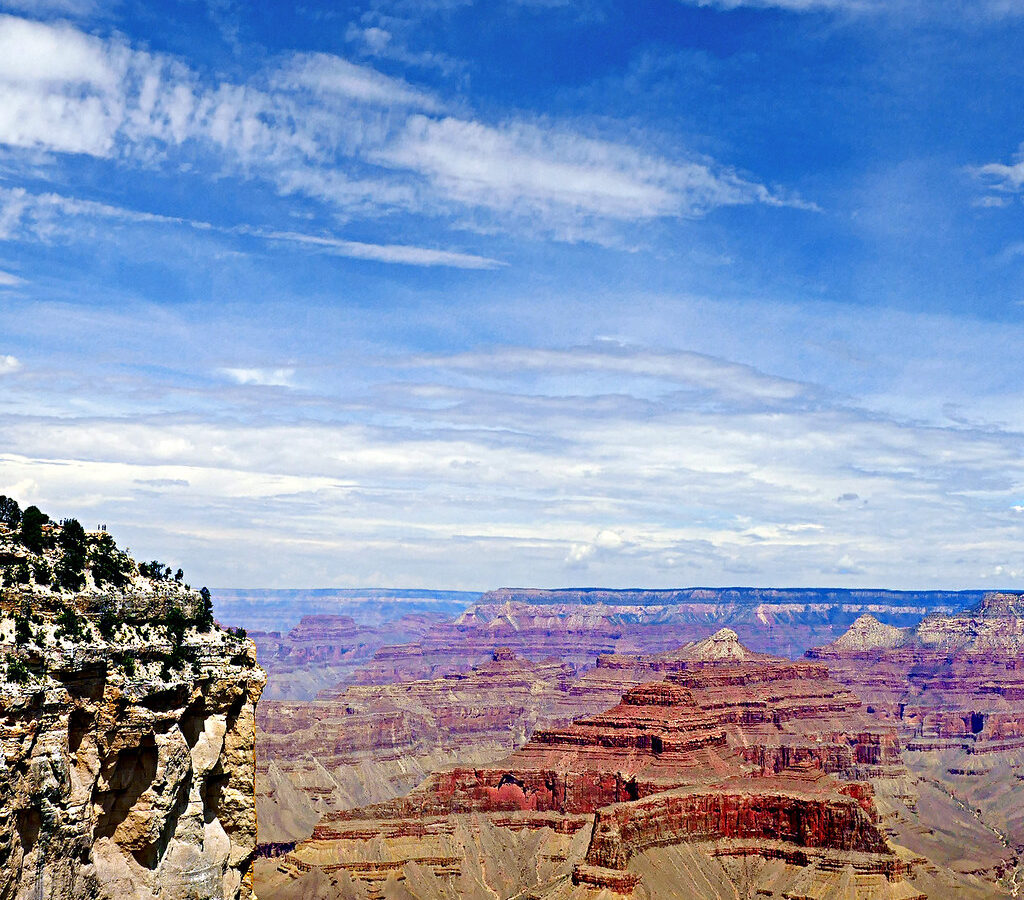
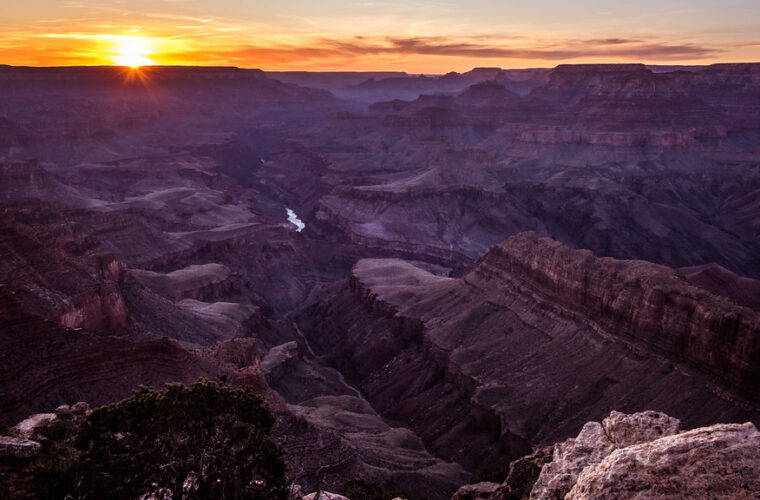
Photo: pom'. via Flickr (CC BY-SA 2.0)
Grand Canyon National Park in winter combines snow along the 7,000 foot South Rim with comparatively mild conditions beside the Colorado River, roughly 4,600 vertical feet below. That elevation difference creates two distinct climates within the same view: ponderosa pine forest and icy overlooks above, desert vegetation and warmer hiking weather deep in the canyon.
Winter visitors gain quieter viewpoints, clearer air, low angled light, and better access to some scenic roads, but they also face icy trails, short daylight, weather related road closures, and limited North Rim access. This guide explains how conditions change through the season, which parts of the park remain reachable, and how to choose dates based on snow, crowds, hiking, and road access.
What to Expect at Grand Canyon National Park in Winter
Winter conditions are controlled by elevation rather than latitude. Grand Canyon Village and most popular South Rim overlooks stand between approximately 6,800 and 7,400 feet. The North Rim averages about 1,000 feet higher, while the Colorado River near Phantom Ranch lies around 2,400 feet. Temperatures can differ by 20 to 30 degrees Fahrenheit between the rim and river, especially on clear winter days.
The South Rim Is the Best Base for Visiting Grand Canyon National Park in Winter
The South Rim is the park’s year round visitor area. The South Entrance near Tusayan provides the primary approach from Williams and Flagstaff, while the East Entrance connects with Cameron through Desert View Drive. Both approaches can close temporarily during snowstorms, and shaded sections may remain icy after exposed pavement has dried. Grand Canyon Village retains the broadest selection of lodging, food, viewpoints, and trail access during winter.
The North Rim follows a different operating pattern. State Route 67 and visitor services generally close for winter, leaving no ordinary vehicle access to overlooks such as Bright Angel Point and Cape Royal. The road from Jacob Lake to the rim is roughly 43 miles, making winter travel there a serious backcountry undertaking for experienced skiers or snowshoers rather than a sightseeing alternative.
Snow at the rim does not mean snow throughout the canyon
Storms can cover the South Rim in several inches of snow, yet the inner canyon may receive rain or remain dry. Snow and compacted ice linger longest on north facing trail sections, including the upper switchbacks of Bright Angel Trail. South facing terrain along South Kaibab Trail receives more direct sun, although its exposed ridges can be windy and icy near the trailhead.
At Mather Point after fresh snow, packed powder squeaks under boots while wind moves through the ponderosa pines behind the railing. The canyon opens without warning beyond the rim, with white ledges stacked above rust colored cliffs and dark inner gorge rock. Cold air often pools at the overlook before sunrise, then direct sunlight quickly warms exposed clothing while shaded pavement stays slick.
How December, January, and February Differ
Winter is not a single set of conditions. December combines holiday traffic with the year’s shortest days, January usually delivers the deepest cold and best chance of snow covered scenery, and February brings gradually longer afternoons. Storm timing matters more than the calendar, but each month has a recognizable pattern that affects roads, viewpoints, and hiking choices.
| Period | Crowds | Typical weather pattern | Access | Best suited to |
|---|---|---|---|---|
| Early December | Low outside weekends | Cold nights, variable snow cover | South Rim open, seasonal services reduced | Quiet overlooks and flexible sightseeing |
| Late December | Moderate to busy around holidays | Short daylight and increased snow potential | Parking pressure near central viewpoints | Families and scenic drives |
| January | Usually the lowest of winter | Coldest conditions, frequent ice after storms | Temporary road closures more likely | Photography, solitude, and snow scenery |
| February | Low to moderate | Longer days, alternating snow and thaw | South Rim roads generally accessible between storms | Day hiking and broader exploration |
December brings short days and holiday surges
Daylight lasts less than ten hours near the winter solstice, so ambitious below rim hikes require an early start. Late afternoon shadows reach across the canyon well before sunset, reducing visibility on icy switchbacks. Visitor numbers rise around Christmas and New Year’s, particularly at Mather Point, Yavapai Point, and Grand Canyon Village. Outside that period, parking and viewpoint access are generally easier than during spring or autumn.
January favors snow scenery and quiet trails
January often provides the strongest combination of low visitation and winter atmosphere. Fresh snow emphasizes the canyon’s horizontal geology, from pale Kaibab Limestone at the rim to the red Supai Group below. Clear air after a storm can reveal distant formations more sharply, although cloud and fog sometimes conceal the canyon completely. Flexible plans are valuable because a single storm may disrupt driving for part of a day.
February adds useful hiking daylight
By February, longer afternoons make moderate day hikes easier to schedule, but repeated freezing and thawing can produce hard ice near the rim. Snowmelt may run across paved paths during the day and refreeze after sunset. Traction remains important even when nearby roads appear dry. Presidents Day weekend can produce a noticeable crowd increase, especially if the forecast promises clear skies.
Why Visit Grand Canyon National Park in Winter Instead of Another Season
Winter works best for visitors who value open viewpoints, crisp photography, and manageable parking over predictable roads and extensive services. Summer provides longer days but brings heat hazards below the rim. Spring and autumn offer more moderate temperatures, though both attract heavier hiking traffic and greater competition for lodging and backcountry itineraries.
| Season | Crowd level | Rim conditions | Inner canyon conditions | Main access consideration |
|---|---|---|---|---|
| Winter | Lowest overall | Cold, snowy, and potentially icy | Cool to mild during many afternoons | North Rim vehicle access closed |
| Spring | Moderate to high | Variable, with late snow possible | Comfortable early, increasingly hot later | North Rim usually remains closed until mid May |
| Summer | High | Warm days with seasonal thunderstorms | Extreme heat, often dangerous for long day hikes | Both rims generally accessible |
| Autumn | Moderate to high | Cooler and generally stable | Heat declines gradually | North Rim access ends as winter approaches |
When winter is the strongest choice
Choose winter if your priorities include sunrise photography, uncrowded sections of the Rim Trail, wildlife watching in the ponderosa forest, or day hikes that avoid inner canyon heat. Elk remain common around Grand Canyon Village, while ravens and California condors may be visible near the rim. Snow also makes geological layers easier to distinguish because pale ledges contrast sharply with darker cliffs.
When another season may serve you better
Visitors determined to drive to both rims should choose the period when North Rim roads and services operate, generally from mid May into autumn. Travelers uncomfortable driving on snow or walking over ice may prefer late spring or early fall. Long rim to river hikes also require careful seasonal judgment: winter reduces heat exposure, but limited daylight and ice near the trailheads create different hazards.
Road, Trail, and Reservation Planning
Winter simplifies some logistics while making others weather dependent. Private vehicles can commonly use Hermit Road during the portion of winter when seasonal shuttle restrictions are lifted, providing direct access to overlooks such as Hopi Point, Mohave Point, and Hermits Rest. Desert View Drive extends approximately 25 miles from Grand Canyon Village to Desert View, passing Grandview Point, Moran Point, and Lipan Point.
Check access before committing to the drive
Road status can change quickly during and after snow. Arizona Route 64 may remain passable while secondary park roads require plowing, and entrance lines can build after a delayed opening. Entrance fees, shuttle operations, trail closures, lodging availability, and backcountry application procedures can also change, so confirm current details on the official park site before departure.
Match the trail to daylight and surface conditions
The mostly level Rim Trail allows visitors to adjust distance without committing to a steep climb. Below the rim, Cedar Ridge on South Kaibab Trail is about 3 miles round trip with roughly 1,140 feet of elevation change. Havasupai Gardens via Bright Angel Trail is approximately 9 miles round trip and involves about 3,000 feet of climbing on the return.
Essential winter planning priorities
- Day hiking: No backcountry permit is generally required, but turn around early enough to complete the ascent before ice hardens after sunset.
- Overnight hiking: Camping below the rim requires a backcountry permit. Apply well in advance for Corridor campgrounds and keep alternate dates available.
- Park lodging: Reserve early for holiday periods and weekends following promising snow forecasts.
- Driving: Carry an ice scraper, winter clothing, water, and enough fuel to tolerate a weather delay.
- Footwear: Pack removable traction devices for compacted snow and ice near overlooks and on upper trail switchbacks.
How Lower Crowds Change the Visit
Winter crowd levels affect more than parking. At popular overlooks, fewer people make it easier to use a tripod, hear ranger programs, and move along narrow paved paths without stepping onto snowy shoulders. Mather Point remains the busiest stop because it sits close to the main visitor facilities. Yaki Point and the western overlooks along Hermit Road generally provide more room, although access methods depend on seasonal transportation operations.
Quiet mornings offer the greatest advantage
Arrive before sunrise to secure a position at Yavapai Point or Hopi Point without competing for railing space. The coldest period usually occurs shortly before dawn, so photographers should keep spare batteries inside an inner pocket and avoid breathing directly onto lenses. By midmorning, day visitors arriving from Flagstaff, Williams, and other regional bases begin concentrating around Grand Canyon Village. Walking east or west along the Rim Trail quickly reduces that pressure.
Holiday traffic changes parking patterns
During holiday weeks and clear three-day weekends, central lots can fill even though overall winter visitation remains below summer levels. Entering early helps avoid slow traffic near the village and South Entrance. Once parked, combine overlooks on foot instead of moving the vehicle repeatedly. The Trail of Time between Yavapai Geology Museum and Verkamp’s Visitor Center covers about 2.8 miles and uses markers to represent the canyon’s geological timeline.
What to Do at Grand Canyon National Park in Winter
A productive winter schedule follows the sun. Rim overlooks are coldest around dawn, while below-rim trails become more comfortable after direct light reaches exposed slopes. Plan scenic stops early, hike during the warmer middle of the day, and return to the rim before shaded ice firms near sunset. Sunset can arrive before 5:30 p.m. through much of winter, leaving little margin for route-finding or a delayed climb.
A sightseeing-focused day
Begin at Yavapai Point, where the unobstructed view into the inner gorge helps explain how the Colorado River cut through nearly two billion years of exposed rock. Continue west on the Rim Trail toward Grand Canyon Village, then drive Desert View Drive during the brightest part of the day. Lipan Point provides one of the clearest long views of the river, while Desert View looks toward the Painted Desert and the canyon’s eastern opening.
A hiking-focused day
Choose one below-rim objective and set a firm turnaround time before starting. South Kaibab Trail gives broad views but has no natural water sources along the route. Bright Angel Trail follows a side canyon and receives more shade near the rim, which can preserve ice for days after a storm. Carry water even in cold weather, because dry air and sustained climbing cause significant fluid loss without the obvious sweating associated with summer.
Pack for rapid elevation and temperature changes
- Wear a moisture-managing base layer beneath an insulating layer and wind-resistant shell.
- Carry gloves, a warm hat, sunglasses, and sunscreen for reflected light from snow.
- Keep traction devices accessible rather than buried at the bottom of a pack.
- Bring a headlamp with spare batteries, even for a planned daylight hike.
- Store water where it will remain usable during prolonged subfreezing temperatures.
Choose Dates by Priority, Not by Forecast Alone
Long-range winter forecasts cannot identify the exact day a storm will cover the rim, but travel priorities can still guide the calendar. January gives photographers the best combination of low visitation and potential snow. February supplies more daylight for hikers. Early December suits flexible road touring before holiday demand rises. Visitors with fixed flights or a single available day should allow extra time in the regional itinerary for weather delays.
A practical decision framework
| Primary goal | Best winter period | Main tradeoff |
|---|---|---|
| Snow photography | January or immediately after a forecast storm | Road delays and obscured views during active snowfall |
| Below-rim day hiking | February | Persistent ice on shaded upper switchbacks |
| Quiet scenic driving | Early December or midweek January | Reduced daylight and fewer seasonal services |
| Holiday family trip | Late December | Higher lodging demand and busier central viewpoints |
Plan overnight permits on a separate timeline
A rim visit can often be organized relatively late, but an overnight corridor hike requires earlier action. The backcountry planning cycle generally begins about four months before the intended start month, and winter spaces at Bright Angel Campground or Havasupai Gardens can still attract substantial demand. Prepare alternate start dates, campground combinations, and trailheads before entering the permit process. Reservations for lodging near the rim should be handled separately from the backcountry permit.
Making the Most of Grand Canyon National Park in Winter
Grand Canyon National Park rewards winter visitors who separate rim conditions from inner-canyon conditions and plan around both. The South Rim provides the dependable base, while snow, ice, short daylight, and temporary road disruptions determine each day’s practical limits. Flexible sightseeing plans, removable traction, layered clothing, and conservative turnaround times address most of the season’s recurring challenges.
Choose December for quieter road touring before or after the holidays, January for solitude and snow-defined geology, or February for additional hiking daylight. Build spare time into the drive, keep one alternative activity ready for poor visibility, and treat the weather as part of the itinerary. With those decisions made before arrival, winter becomes a precise and manageable way to experience the canyon.
Want to keep exploring? Browse all our Grand Canyon guides and articles for more trip-planning tips and ideas.
Gear & Essentials
Tell us about your trip and we will add what else you will want:
The basics
Worth having in the car whatever the park.
For this trip
Traveling with kids
Bringing a pet
RVing
Backcountry
Winter conditions
On the water
Photography
Accessibility
As an Amazon Associate we earn from qualifying purchases, at no extra cost to you.