




How to Plan a Channel Islands National Park Day Trip
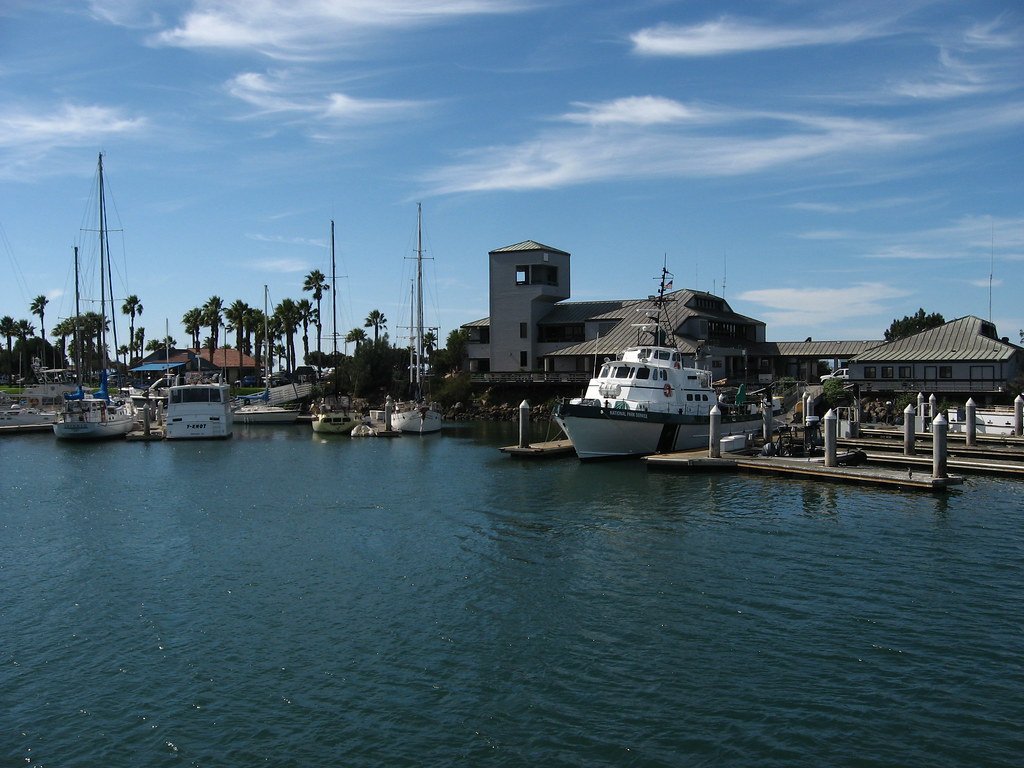
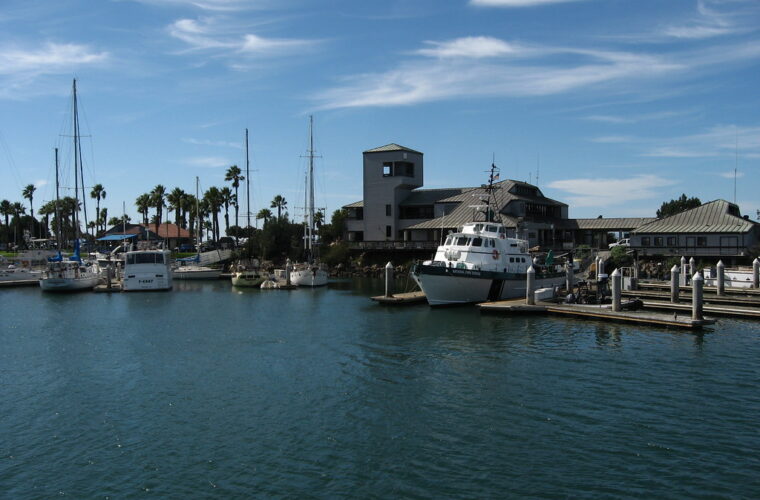
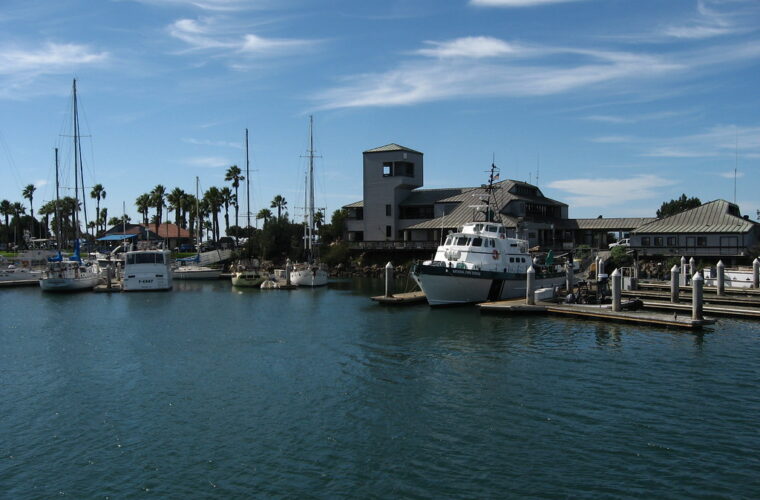
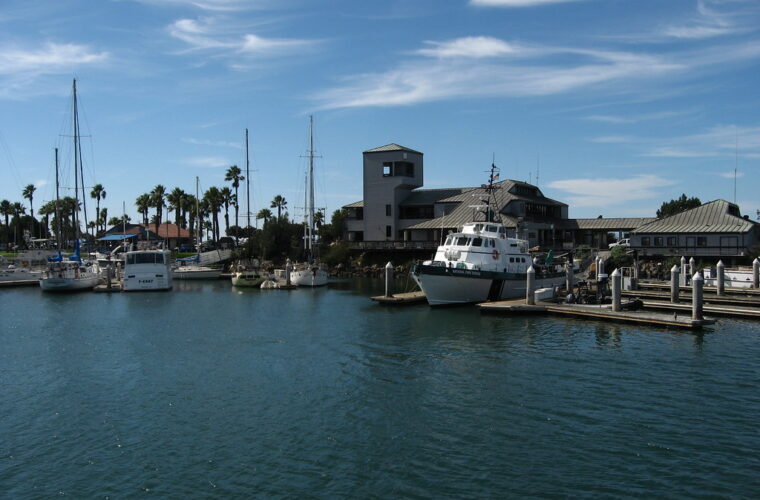
Photo: Ken Lund via Flickr (CC BY-SA 2.0)
How to Plan a Channel Islands National Park Day Trip begins with one critical decision: choose the island before booking transportation. The park has no bridge, vehicle ferry, or regular interisland shuttle. Visitors reach it by concessionaire boat or private aircraft, and the practical day trip choices are usually East Anacapa Island and the Scorpion Anchorage area of Santa Cruz Island.
For most first time visitors, we recommend Scorpion Anchorage. It combines sea caves, coastal overlooks, hiking routes of several lengths, a sheltered landing, and a chance to see the island fox. Anacapa works better for a shorter walking day focused on seabirds, cliff scenery, and the two mile East Anacapa loop. Boat schedules determine the usable hours ashore, so build the day around transportation rather than assembling a trail plan first.
Choose the island that fits your day
Santa Cruz provides the most flexible first visit
Santa Cruz is California’s largest island, covering about 96 square miles, but the national park manages only its eastern portion. Most day visitors land at Scorpion Anchorage, roughly an hour to 90 minutes from Ventura Harbor under normal sea conditions. The landing opens onto Scorpion Canyon, where eucalyptus planted during the ranching era gives way to native coastal sage scrub, grassland, and volcanic ridges.
Trail choices range from the approximately two mile Cavern Point Loop to the roughly five mile round trip to Potato Harbor. Strong hikers can consider Smugglers Cove, about 7.5 miles round trip with sustained climbing and little shade. That longer route is difficult to fit into a short shore window, especially if warm weather or rough water delays the landing.
Cavern Point and Potato Harbor
Cavern Point is the best compact objective. The direct climb from the campground gains roughly 300 feet quickly, while a gentler approach follows the inland side of the loop. Continuing west toward Potato Harbor adds open ridge walking above sea cliffs. Neither route descends to the harbor itself. The reward is a high view into the curved cove and across the Santa Barbara Channel toward the mainland.
Anacapa concentrates the scenery into a short route
Day boats land on East Anacapa, one of three narrow islets formed from volcanic rock. Visitors climb approximately 157 steps from Landing Cove to the top of the island. From there, a two mile trail network reaches Cathedral Cove, Pinniped Point, the historic light station area, and Inspiration Point. The walking is comparatively easy, but the staircase and exposed terrain require steady footing.
Anacapa supports one of the largest breeding colonies of western gulls in the world. Nesting activity peaks in spring and early summer, when birds occupy ground beside the trail and defend nearby chicks. Brown pelicans also use the island, although their nesting areas are generally away from visitor routes. There is no natural shade, and the island’s small size leaves few alternatives when wind or fog settles over the plateau.
Why the outer islands rarely suit a simple day trip
Santa Rosa, San Miguel, and Santa Barbara islands require longer crossings and have fewer transportation dates. Santa Rosa lies about 40 miles offshore and combines long beaches with Torrey pine woodland, but the crossing can consume several hours each way. San Miguel is farther west, more exposed, and subject to landing and access procedures. Save these islands for a trip built around their specific boat schedule, guided access, or camping opportunities.
| Island landing | Typical crossing | Best day trip highlight | Walking commitment |
|---|---|---|---|
| Scorpion Anchorage, Santa Cruz | About 1 to 1.5 hours each way | Cavern Point and Potato Harbor | About 2 to 5 miles for most visitors |
| East Anacapa | About 1 hour each way | Inspiration Point and seabird habitat | About 2 miles, plus the landing stairs |
| Santa Rosa | Several hours each way | Beaches, grassland, and Torrey pines | Better with a long shore window or overnight stay |
Secure transportation before planning the trail
Book the outbound and return as one fixed route
Island Packers is the park’s authorized boat concessionaire, with most trips departing from Ventura Harbor. A day ticket includes a specific outbound sailing and return pickup. Missing the return boat can become a serious logistical problem because there is no lodging, taxi service, or alternate public ferry on the islands. Read the booking carefully to distinguish Scorpion Anchorage from other Santa Cruz landings.
Boat frequency changes with season, weather, wildlife trips, and maintenance. Current fares, check in instructions, baggage rules, landing availability, and cancellation policies should be confirmed on the official park and concessionaire sites. Reserve the boat before committing to nonrefundable mainland lodging, particularly for spring weekends, summer dates, and holiday periods.
Use the previous night to protect the day trip
Travelers coming from Los Angeles should account for unpredictable traffic on US 101. Ventura Harbor is roughly 70 miles from central Los Angeles, but the drive can take 90 minutes to well over two hours. Staying the previous night in Ventura or Oxnard removes the largest avoidable risk. Lodging near the harbor also makes it easier to eat breakfast, pack food, and reach the operator’s check in point without rushing.
Cars remain on the mainland in harbor parking. Once aboard, keep a warm layer and motion sickness supplies accessible rather than buried in a pack. The Santa Barbara Channel can produce short, closely spaced swells even on a clear morning. Passengers prone to seasickness generally fare better outside, facing forward and watching the horizon.
Pack for a place without visitor services
There are no restaurants, shops, rental counters, or food vendors after departure. Our team treats the islands as self supported backcountry for the day, even near developed landing areas. Bring enough water for the crossing and hike, plus food that can be eaten without preparation. Pack out every wrapper and food scrap because island foxes, ravens, and gulls quickly investigate unsecured supplies.
- Water: Carry at least two liters per person for a moderate hike, with more for warm or exposed conditions.
- Food: Pack lunch, salty snacks, and an additional reserve in case the crossing runs long.
- Layers: Bring a wind resistant outer layer and insulation for the boat.
- Sun protection: Use a brimmed hat, sunglasses, and sunscreen. Most trails have no shade.
- Navigation: Download the park map before leaving the mainland because cellular coverage is unreliable.
- Footwear: Wear shoes with traction for dusty slopes, metal stairs, and wet landing surfaces.
A workable Santa Cruz Island day trip
Follow the route in an order that protects the return boat
The safest route puts the most distant objective first, then returns through Cavern Point toward Scorpion Anchorage. Visitors heading to Potato Harbor should begin walking soon after the ranger orientation. On the return, the Cavern Point Loop can be shortened if time is running low. Save the beach, ranch remains, and picnic area near the landing for the final part of the day.
| Day | Stop | Highlight | Drive or travel time |
|---|---|---|---|
| Day trip, early morning | Ventura Harbor | Check in and board with all food and water | Allow 1.5 to 2.5 hours to drive from central Los Angeles |
| Day trip, morning | Scorpion Anchorage | Landing orientation and canyon trailhead | About 1 to 1.5 hours by boat |
| Day trip, midday | Potato Harbor overlook | Clifftop views and coastal scrub habitat | About 2 to 3 hours of hiking round trip |
| Day trip, afternoon | Cavern Point and Scorpion Beach | Sea cave overlooks, ranch history, and a short shoreline stop | Allow at least 45 minutes to return and prepare for boarding |
What the Cavern Point climb feels like
The direct trail rises sharply above Scorpion Canyon on dry, gritty soil, with the landing shrinking behind each switchback. Wind becomes more noticeable as the ridge opens, and the sound of the boat dock gives way to surf striking the caves below. At Cavern Point, the cliff edge reveals the scale of the island’s volcanic coastline, with tilted rock faces, kelp beds, and the mainland visible across the channel on clear days.
Keep the final hour close to Scorpion Anchorage
Return to the landing area well before the stated boarding time. Near Scorpion Ranch, interpretive remains document sheep ranching and other historic island industries. The adjacent shoreline also gives kayakers and walkers a close look at eroded volcanic cliffs and sea caves, although entering caves requires suitable equipment, calm conditions, and local expertise. Use this final window for lunch or shoreline observation rather than starting another ridge hike.
Build an Anacapa itinerary around the island loop
Walk toward Inspiration Point first
After climbing from Landing Cove, follow the loop toward Cathedral Cove and Inspiration Point before visiting the light station side of East Anacapa. Inspiration Point overlooks Middle and West Anacapa, where narrow arches, isolated rocks, and steep volcanic cliffs continue for roughly five miles. Reaching this exposed western end early leaves time to adjust if strong wind slows the walk.
From Inspiration Point, return across the plateau toward Pinniped Point and the light station area. The lighthouse dates to 1932 and remains an active navigation aid, so visitors view the complex from outside its restricted boundary. Keep the final portion flexible for seabird observation near Cathedral Cove, then descend the 157 steps with enough time to queue for boarding.
Prepare for nesting birds and exposed ground
Western gulls nest directly beside established paths from spring into summer. Walk steadily, remain on the trail, and give chicks room rather than stepping around adults into vegetation. Guano, loose gravel, and windblown dust can make the trail surface slick. A compact pair of binoculars lets you examine pelicans, cormorants, and harbor seals without approaching wildlife or leaving the route.
Adjust the plan for weather and daylight
Match the route to seasonal conditions
Channel weather matters more than mainland temperature. Winter storms bring the roughest crossings, although clear intervals can produce sharp views and green hillsides. Spring adds wildflowers and active seabird colonies. Summer commonly brings dry trails, morning marine cloud, and stronger afternoon sun. Autumn often has warm mainland weather, but Santa Ana wind events can affect crossings and increase fire danger.
| Season | Likely conditions | Best adjustment |
|---|---|---|
| Winter | Cool wind, larger swells, green slopes after rain | Choose a shorter hike and carry dry insulation |
| Spring | Wildflowers, nesting gulls, variable fog | Stay on paths and bring binoculars |
| Summer | Dry ground, little shade, marine cloud | Carry extra water and begin the longest climb first |
| Autumn | Warm spells and possible strong wind | Keep optional ridge mileage easy to remove |
Use optional activities carefully
Sea cave kayaking can consume most of the shore window and should replace a long hike rather than follow one. Scorpion Anchorage provides access to caves along the volcanic coast, but swell, wind, cold water, and reflected waves create technical hazards. For a first visit, use an authorized guided trip or arrive with suitable ocean experience, flotation equipment, thermal protection, and a firm turnaround time.
- Keep: The island landing, ranger orientation, and one primary trail objective.
- Shorten: Potato Harbor if the boat arrives late or heat builds quickly.
- Replace: Ridge hiking with guided kayaking when paddling is the main purpose.
- Skip: Swimming when surf, cold water, or limited shore time makes recovery difficult.
Handle mainland logistics before boarding
Fuel the car and buy lunch before entering the harbor area, especially when driving from farther north or south before dawn. Cellular reception can disappear during the crossing and remain inconsistent on the islands, so save tickets, maps, and emergency contacts offline. After returning, sleeping in Ventura or Oxnard is sensible if fatigue, seasickness, or evening traffic would make a long drive unsafe.
Frequently Asked Questions
Can you visit Channel Islands National Park in one day?
Yes. East Anacapa and Scorpion Anchorage are the most practical choices because their crossings and compact trail systems fit a scheduled out and back boat trip.
Do you need a reservation for a day trip?
Day hiking generally does not require a park permit, but commercial boat transportation must be reserved for a specific sailing. Follow the booking guidance above and review operational details before departure.
Are dogs allowed on the islands?
Pets are prohibited on the islands to protect endemic wildlife and sensitive nesting habitat. Travelers using trained service animals should coordinate transportation requirements before booking.
Is the trip suitable for children?
Children comfortable on boats and exposed trails can manage Scorpion Anchorage. Anacapa requires approximately 157 stairs at the landing, while both islands demand close supervision near cliffs and nesting birds.
How much time should you allow?
Protect the entire day, including harbor check in, two crossings, and several hours ashore. Avoid placing a flight, event, or long fixed time drive immediately after the scheduled return.
Turn the boat schedule into a reliable island day
How to Plan a Channel Islands National Park Day Trip comes down to protecting the fixed elements first. Reserve transportation, sleep near Ventura when morning traffic creates risk, carry all food and water, and select one route that fits comfortably inside the shore window. Scorpion Anchorage provides the broadest range of hiking, while East Anacapa delivers a shorter loop centered on cliffs, seabirds, and maritime history.
Begin with the farthest objective, keep optional stops near the landing, and set a turnaround time based on boarding rather than sunset. That order absorbs slower hiking, wind, wildlife delays, and changing sea conditions without risking the return boat. With those limits established, the day remains focused on the island itself rather than a race against the schedule.
Want to keep exploring? Browse all our Channel Islands guides and articles for more trip-planning tips and ideas.
Gear & Essentials
Tell us about your trip and we will add what else you will want:
The basics
Worth having in the car whatever the park.
For this trip
As an Amazon Associate we earn from qualifying purchases, at no extra cost to you.