
How to Visit Kenai Fjords National Park: Boat Tours, Glaciers, and Coastal Trails
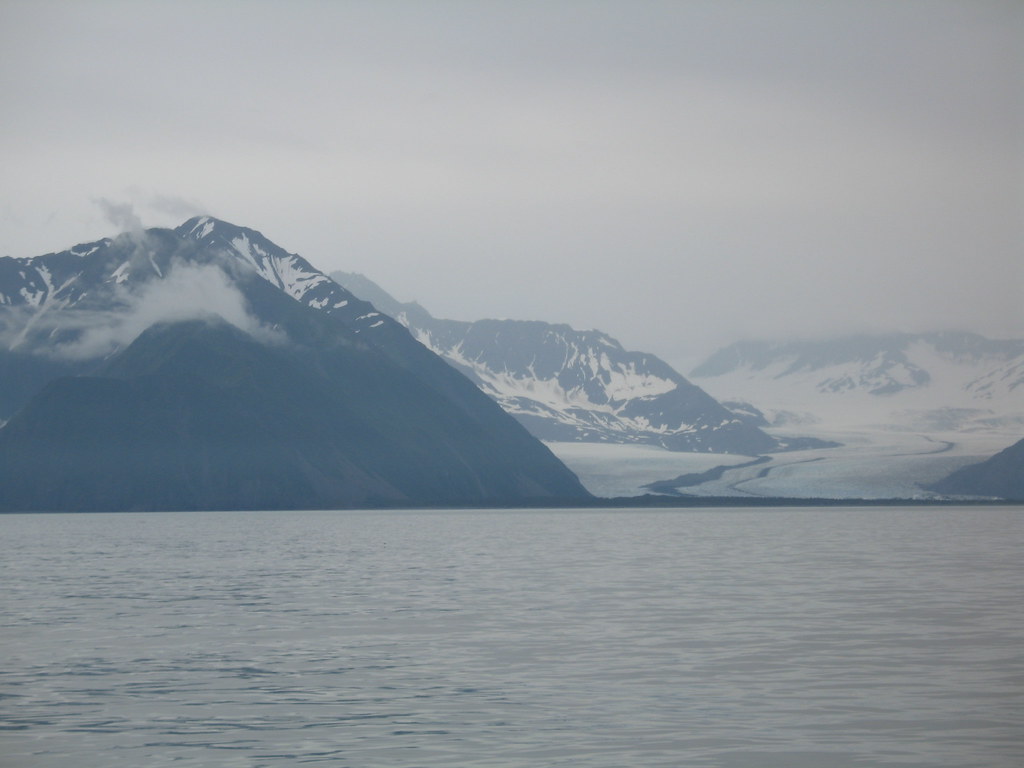
Photo: dmcdevit via Flickr (CC BY-SA 2.0)
How to Visit Kenai Fjords National Park is a question with two answers: travel by boat from Seward, or drive to the Exit Glacier area. Roads reach only a small corner of this 670,000 acre park. Most glaciers, wildlife colonies, and deeply cut fjords remain accessible only from the water or by aircraft.
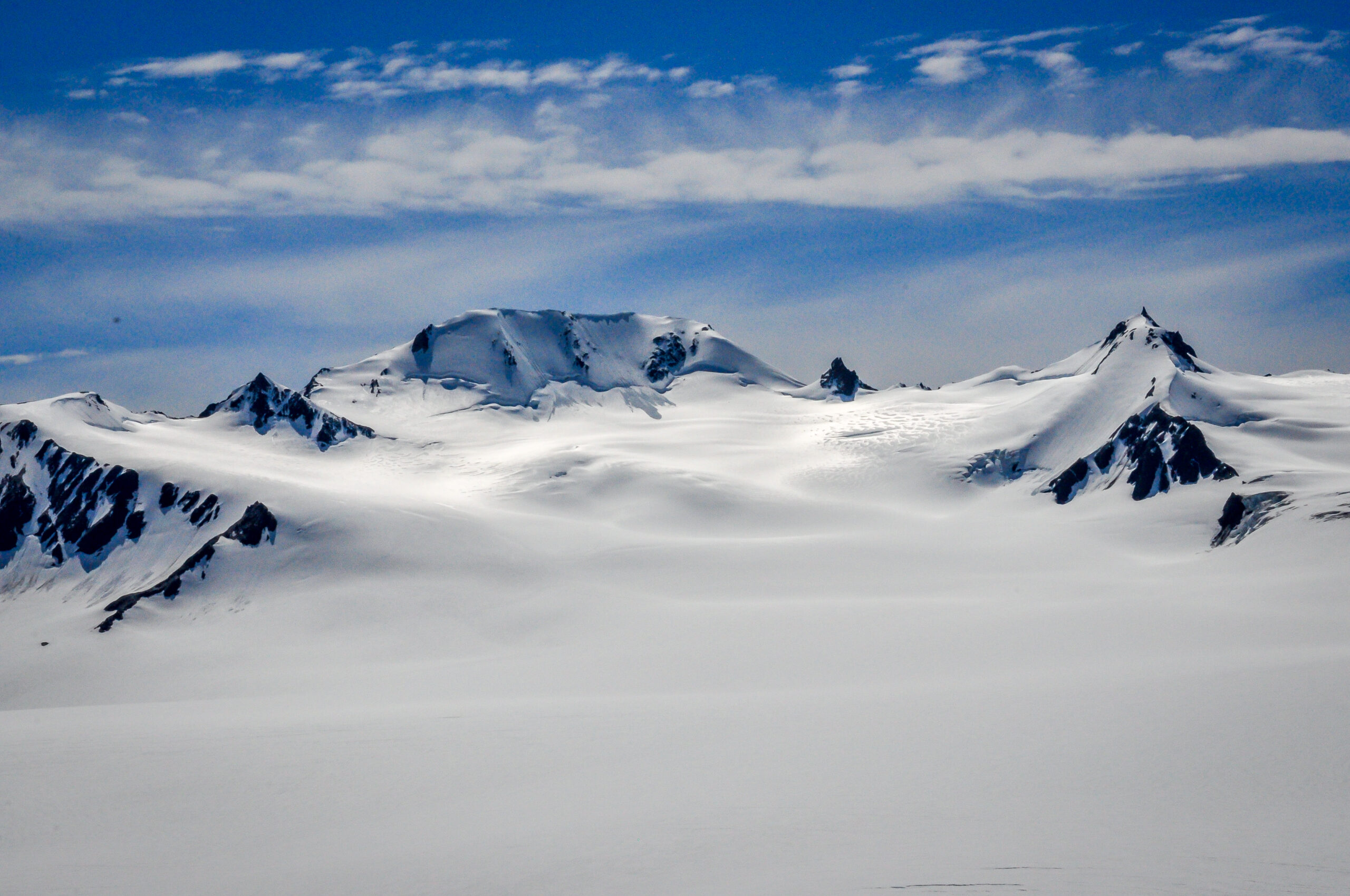
The park occupies the southeastern Kenai Peninsula, where the Harding Icefield feeds glaciers flowing toward both mountains and sea. Seward, approximately 125 road miles south of Anchorage, is the practical base. A complete first visit usually pairs a wildlife and glacier cruise with a separate half day at Exit Glacier.
Understand the park before building an itinerary
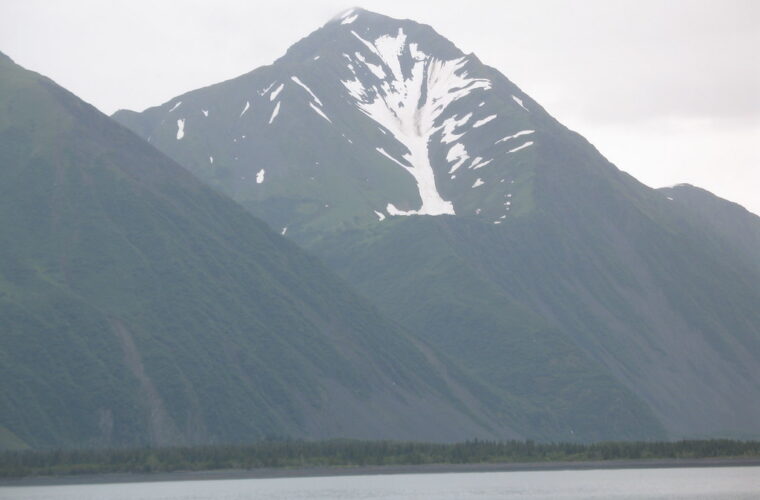
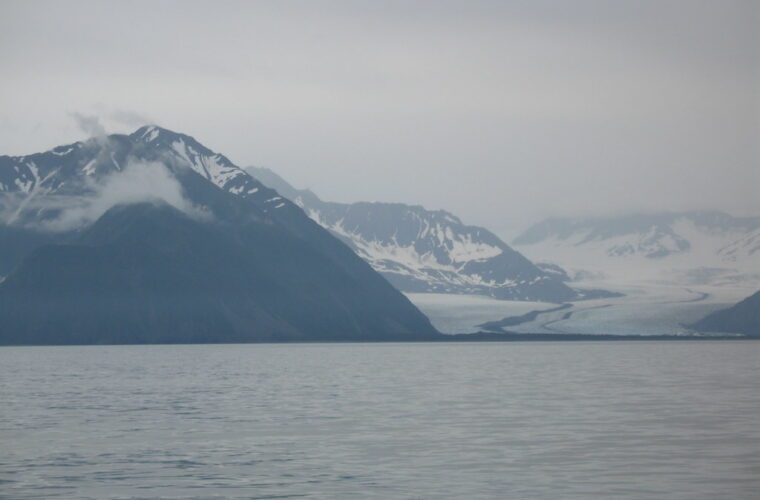
Kenai Fjords has three distinct landscapes: the Harding Icefield, the terrestrial Exit Glacier corridor, and the marine coast. Ice has excavated long fjords such as Aialik Bay and Northwestern Fjord, leaving steep walls, hanging valleys, waterfalls, and exposed bedrock. Tidewater glaciers terminate at the ocean, while retreating land glaciers end above sea level.
Seward is the main gateway
Seward sits at the head of Resurrection Bay and contains the harbor used by most sightseeing vessels. Driving from Anchorage generally takes about 2.5 to 3 hours without long stops, although construction, wildlife, and summer traffic can extend the trip. The Seward Highway passes Turnagain Arm before crossing the Kenai Mountains, so poor visibility and wet pavement deserve extra time.
Travelers arriving by train should examine the timetable before committing to a same day cruise. Rail travel is slower than driving, and longer boat tours may not align with arrival or departure times. Staying at least two nights in Seward creates room for one marine day, one Exit Glacier visit, and a weather contingency.
The two main experiences are geographically separate
Boat tours leave from Seward’s harbor and travel south through Resurrection Bay before turning toward glacier country. Exit Glacier is reached by Herman Leirer Road, approximately 8 miles north of town. The road ends near the park’s trail system, but it does not continue across the icefield or connect with the coastal fjords.
Allow separate blocks of time for these areas. Trying to combine a long cruise, the drive to Exit Glacier, and a substantial hike on one day leaves little margin for boat delays or trail conditions. A short overlook walk may fit after an early cruise, but the Harding Icefield Trail needs most of a day.
Choose dates around ocean conditions and trail access
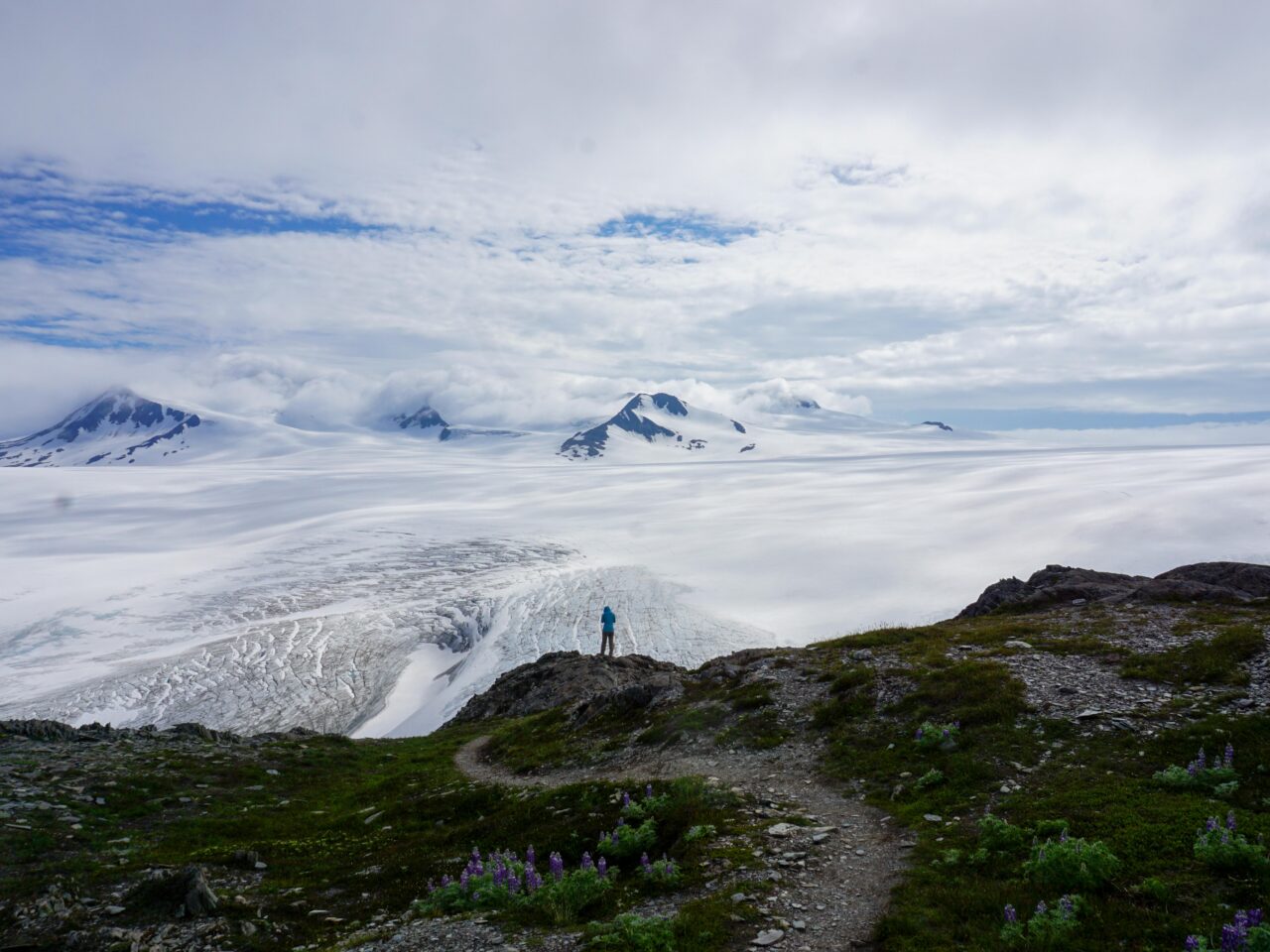
The core visitor season runs from late spring into early fall, when marine tours operate most consistently and the Exit Glacier road is generally accessible. Coastal weather remains cool and wet even during midsummer. Seward’s maritime setting produces fast changes in wind, cloud, and visibility, while snow can linger much later at higher elevations.
What each part of the season brings
| Period | Typical advantages | Conditions to plan for |
|---|---|---|
| May to early June | Snow covered peaks, long daylight, active waterfalls, and fewer visitors | Snow on upper trails, cold boat decks, and limited access to some hiking terrain |
| Mid June to July | Longest usable days, broad tour selection, nesting seabirds, and improving alpine access | Busy lodging, crowded departures, rain, and mosquitoes near sheltered trails |
| August to early September | Berry season, salmon activity, and fewer families after schools resume | Shorter daylight, increasing rainfall, cooler temperatures, and variable tour schedules |
July does not guarantee calm seas or unobstructed glacier views. A low cloud ceiling can hide the Harding Icefield while leaving the fjords navigable, and wind outside Resurrection Bay may force a captain to alter the route. Build flexibility into the schedule rather than assuming the clearest forecast will remain accurate.
Reserve the least flexible pieces first
Secure lodging and the preferred boat tour before arranging shorter activities. Longer cruises have fewer departures than bay tours, while rooms in Seward can fill around summer weekends. Entrance arrangements, tour schedules, road status, and facility availability can change, so confirm current details on the official park site before finalizing the trip.
Winter and early spring require a different plan. Herman Leirer Road is generally unplowed beyond the maintained portion, and snow travel can replace hiking in the Exit Glacier area. Rules respond to snowpack and resource conditions; our coverage of the Exit Glacier snowmachine closure illustrates why winter users should check current restrictions.
Select a boat tour that reaches the scenery you expect
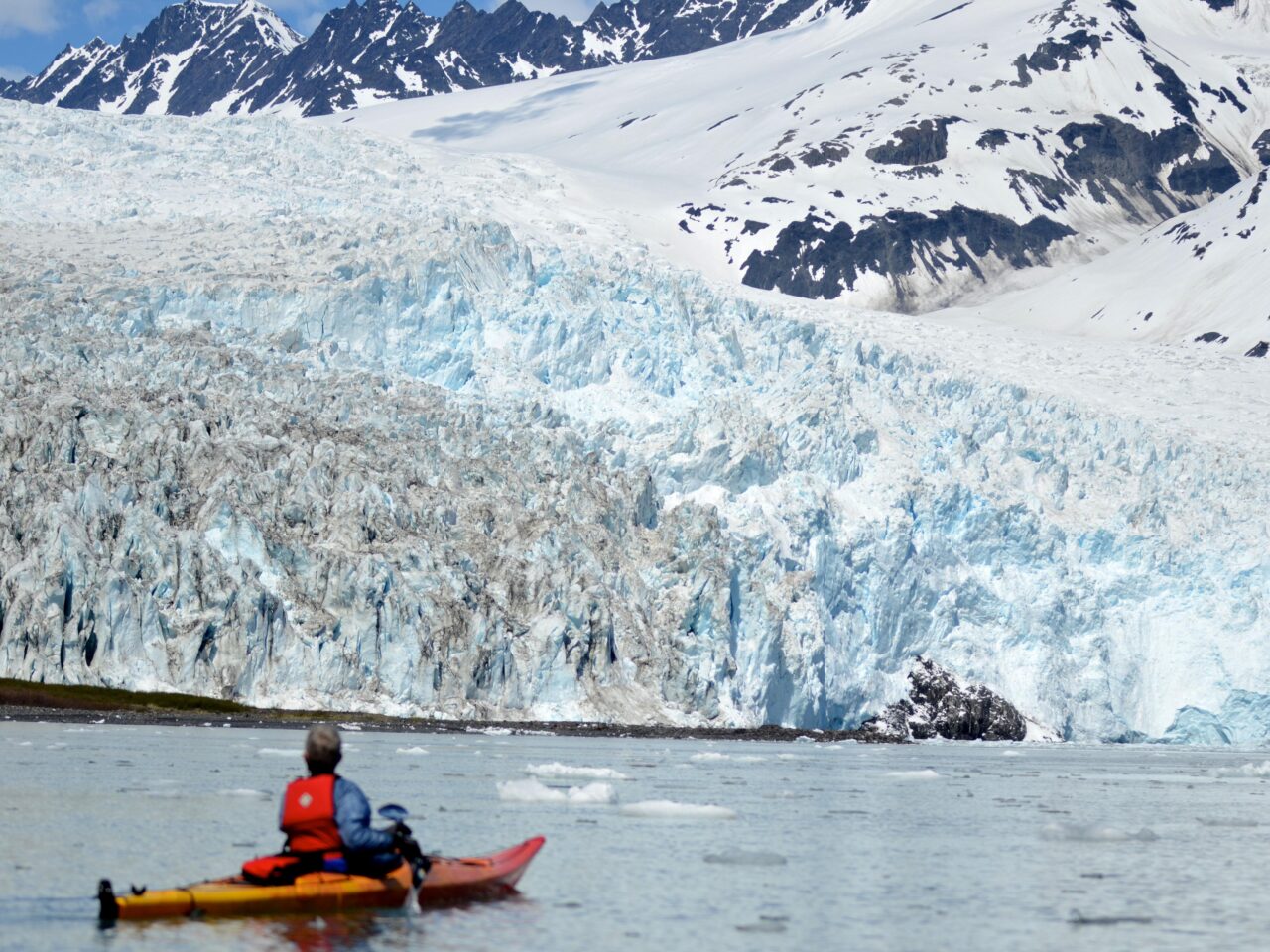
A tour labeled as a Resurrection Bay cruise may focus on wildlife and protected water without reaching the park’s major tidewater glaciers. Longer routes commonly continue toward Aialik Bay, Holgate Arm, or Northwestern Fjord. Route names vary by operator, so compare destination, time underway, and vessel size rather than relying on phrases such as glacier cruise.
Match tour length to the objective
Short bay cruises
Trips lasting roughly three to five hours suit families, travelers sensitive to motion, and visitors with limited time. They often search for sea otters, Steller sea lions, bald eagles, and seabirds within Resurrection Bay. Glacier viewing may involve distant ice or smaller glaciers, depending on the route.
Full fjord cruises
Trips of approximately six to nine hours have a better chance of reaching tidewater ice such as Aialik or Holgate Glacier. The longest itineraries may enter Northwestern Fjord, where retreating glaciers, recently exposed rock, and floating ice show how quickly the landscape is changing. Distance also increases exposure to open Gulf of Alaska swells.
Near Aialik Glacier, the temperature drops as the boat approaches the ice face. Wind comes off the glacier, fragments of ice knock against the hull, and conversation often stops while passengers listen for cracking. A calving event may begin as a sharp report, followed several seconds later by ice collapsing into opaque green water. The time delay reveals the scale better than a photograph can.
Prepare for cold, spray, and motion
Choose outdoor viewing clothing even when the Seward forecast appears mild. Enclosed cabins provide relief, but wildlife sightings develop quickly and the clearest views usually come from an exterior deck. Polarized sunglasses help distinguish sea otters and floating ice against glare, while binoculars are valuable for puffins and mountain goats on distant cliffs.
- Wear layers: combine a moisture moving base layer, insulating fleece or wool, and a waterproof shell.
- Bring warm accessories: gloves and a close fitting hat remain useful in midsummer near glacier faces.
- Manage motion early: follow medical guidance for motion sickness remedies before the vessel reaches exposed water.
- Protect equipment: use a rain cover or sealed bag for cameras, phones, and spare batteries.
- Keep optics compact: binoculars in the 8x range are easier to hold steady on a moving deck than high magnification models.
Use Exit Glacier for the park’s road accessible day
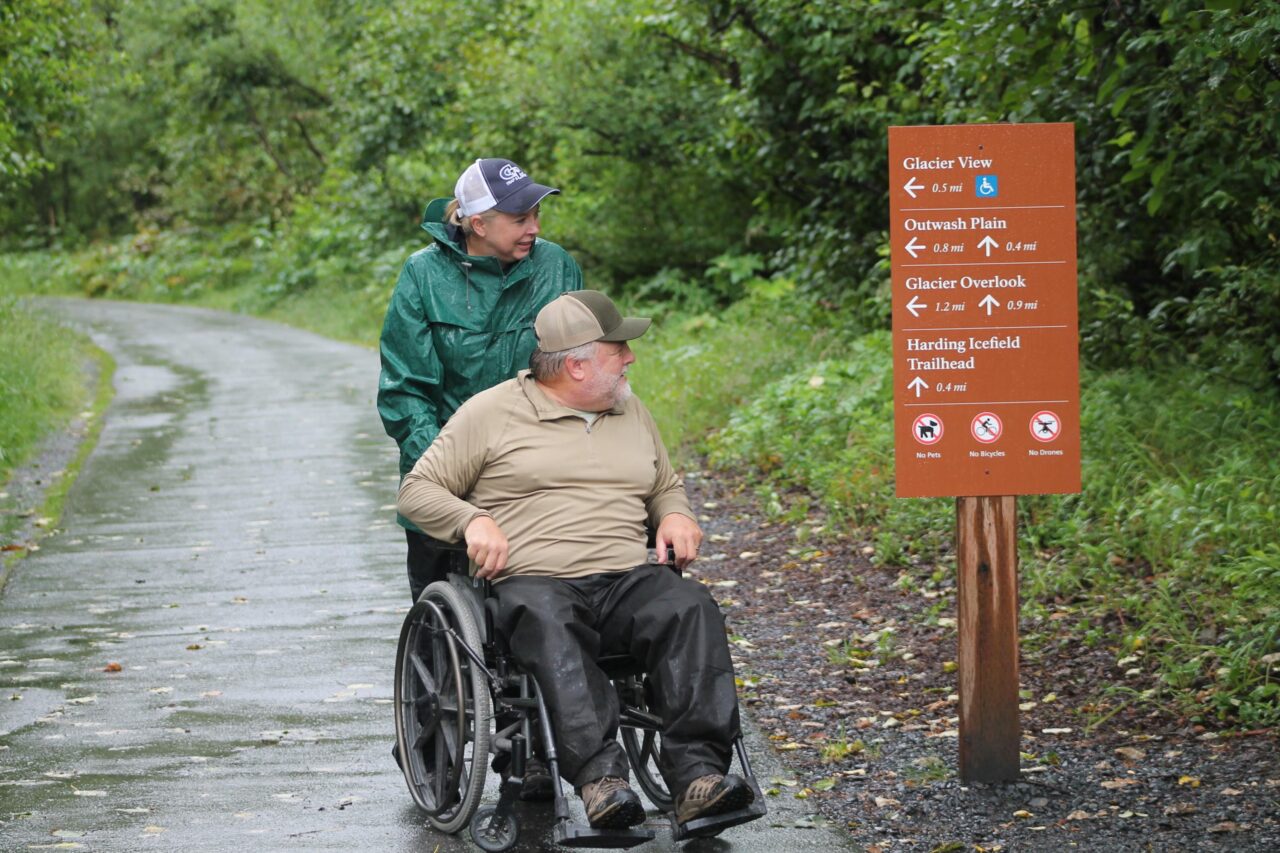
Exit Glacier descends from the Harding Icefield through a broad valley shaped by repeated advances and retreat. Dated markers along the approach document how far the glacier’s terminus has withdrawn. They also turn a short walk into a visible timeline of changing ice, vegetation, and newly exposed terrain.
Choose a trail by time and elevation gain
The Glacier View Loop provides the easiest introduction, covering about 1 mile through cottonwood and alder near the outwash plain. The Exit Glacier Overlook route is approximately 2 miles round trip and reaches a higher view of the glacier. Trail routing and viewing points may shift as ice retreats and erosion changes the valley.
The Harding Icefield Trail is the major objective: approximately 8.2 miles round trip with about 3,000 feet of elevation gain. It climbs through forest, shrubland, and alpine tundra to an overlook above the icefield. Snowfields can persist well into summer, and the upper trail is exposed to fog, wind, and rapid temperature changes.
Plan the drive and trailhead arrival carefully
Herman Leirer Road branches from the Seward Highway north of town and follows the Resurrection River valley. Summer parking can become constrained during the middle of the day, particularly when weather is clear. An early arrival gives hikers cooler climbing temperatures and more time to turn around safely if snow, bears, or deteriorating visibility slow progress.
Carry food, water, rain protection, and bear spray on longer hikes, and know how to deploy the spray before leaving the trailhead. Black bears commonly use the valley’s salmon streams and berry patches. Keep food controlled, make noise where vegetation restricts sightlines, and give every bear a clear escape route.
Build weather delays into the plan
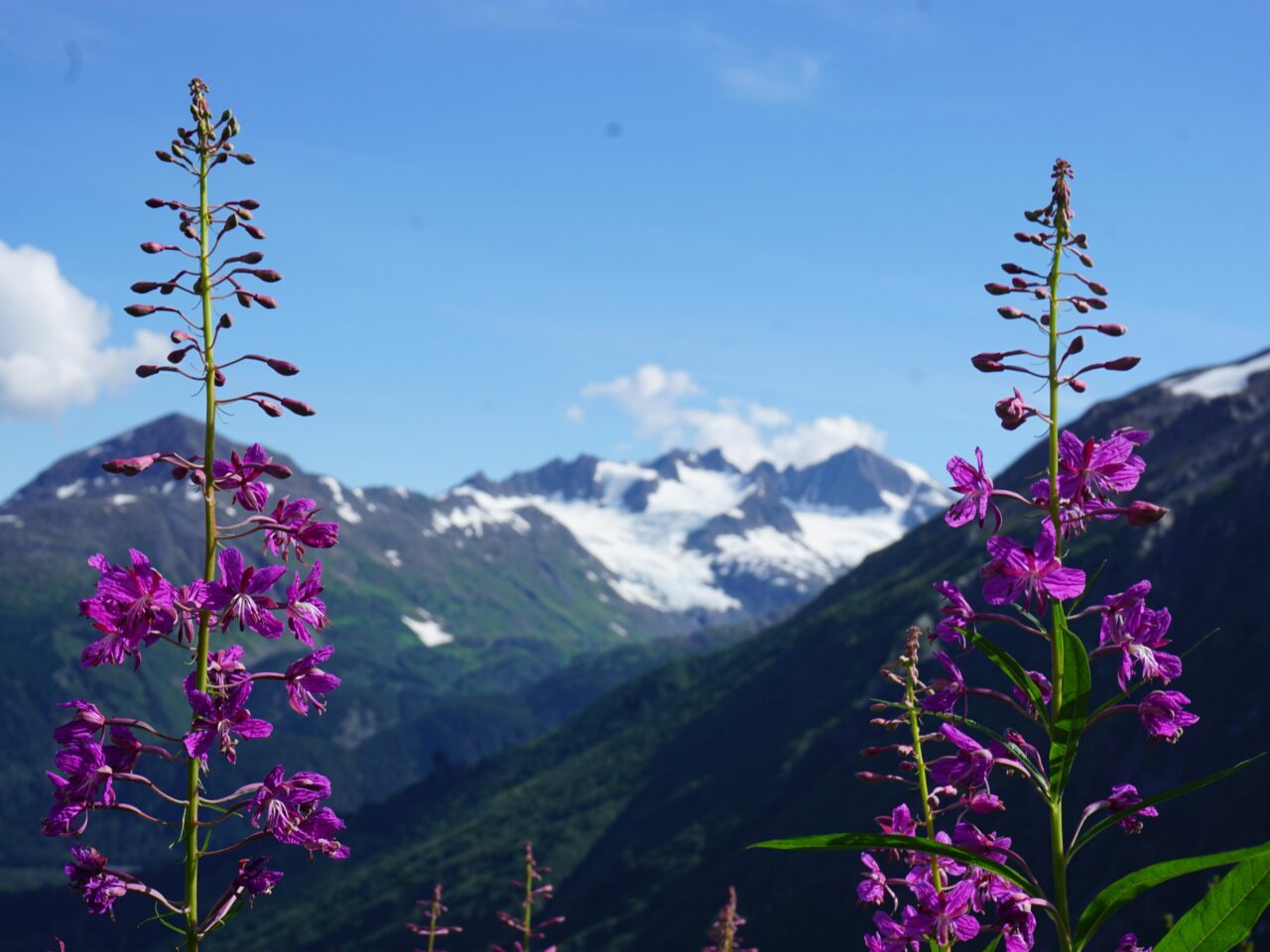
Marine weather can change the destination of a cruise even when the vessel still departs. Captains may remain inside Resurrection Bay, substitute a protected cove, or turn back before reaching a tidewater glacier when wind and swell increase. Treat the named route as the intended itinerary rather than a guaranteed sequence of stops. Travelers with one priority cruise should schedule it before their final day in Seward, leaving another potential departure window.
Have a useful shore day ready
If a cruise is canceled, use the opening for Exit Glacier only when road and trail conditions support the original hiking plan. A wet day with a low cloud ceiling can still suit the Glacier View Loop, where forest and outwash terrain remain visible below the cloud layer. Heavy rain raises streams, saturates roots, and reduces traction on steeper sections of the Harding Icefield Trail, so an ambitious hike should not automatically become the backup.
Know when to turn around
On the Harding Icefield Trail, turnaround decisions should account for visibility as well as fatigue. Fog can erase the route across lingering snow near the upper overlook, while wind strips heat from damp clothing. Descend if trail markers become difficult to follow, thunder develops, or a hiker cannot maintain a steady pace. Coastal Alaska rewards conservative timing because an injury response may take hours even within the road-accessible corridor.
Assemble an itinerary without overloading each day
A practical answer to How to Visit Kenai Fjords National Park starts with matching the longest activity to the clearest available day. Keep arrival and departure days light, particularly when driving the Seward Highway. Turnagain Pass weather, road work, and summer traffic can undermine tightly timed connections. The following framework leaves space for meals, harbor check-in, and changing clothes after a wet outing.
Compare two and three day plans
| Time available | Primary plan | Best use of flexibility |
|---|---|---|
| Two nights | Full fjord cruise on the middle day, short Exit Glacier walk on arrival or departure day | Move the glacier walk if road conditions or rain interfere |
| Three nights | Full fjord cruise, separate Exit Glacier day, and one flexible half day | Attempt the Harding Icefield Trail or rebook a weather-affected cruise |
| Four or more nights | Add guided kayaking, a second marine trip, or additional Seward activities | Wait for calmer water and better alpine visibility |
Avoid the mistakes that cost the most time
- Do not drive from Anchorage immediately before a cruise: a collision, construction delay, or slow traffic through Turnagain Pass can cause a missed departure.
- Do not judge marine conditions from the harbor: Resurrection Bay may look calm while exposed water near Cape Resurrection carries significant swell.
- Do not begin the Harding Icefield Trail late: the descent crosses steep, uneven terrain where fog and fading light complicate navigation.
- Do not pack every meal around tour schedules: carry a substantial snack in case boarding, wildlife stops, or the return to harbor takes longer than expected.
Independent coastal travel requires a separate level of preparation. Aialik Bay and Northwestern Fjord have cold water, large tidal ranges, limited landing sites, and few rapid exit options. Sea kayakers need dry suits, marine communication, tide knowledge, and experience with wind-generated waves. Most first-time visitors are better served by a guided trip or a water-taxi-supported itinerary built around established camps and conservative crossings.
Frequently Asked Questions
These questions address the decisions that most often affect transportation, group suitability, and access. Kenai Fjords combines a developed road corridor with remote marine wilderness, so rules and practical limits differ sharply between Exit Glacier and the coast.
Can you see a glacier without taking a boat tour?
Yes. Exit Glacier can be viewed from trails reached by road during the accessible season. A boat is needed for close views of tidewater glaciers such as Aialik and Holgate, which face remote fjords with no road access.
Do you need a reservation to enter the park?
Day hiking at Exit Glacier generally does not require an advance park reservation. Commercial cruises, guided kayaking trips, lodging, and transportation should be booked separately, especially for midsummer dates.
Is Kenai Fjords suitable for children?
The short Exit Glacier routes and shorter Resurrection Bay cruises work well for many families. For longer cruises, consider a child’s tolerance for six or more hours aboard a moving vessel, cold exterior decks, and limited opportunities to leave early.
Are dogs allowed?
Pets have limited usefulness on a Kenai Fjords itinerary because tour vessels commonly restrict animals and wildlife encounters can complicate trail travel. Follow posted rules in the Exit Glacier area, keep permitted pets leashed, and never allow them to approach bears or salmon streams.
Can you visit without a car?
Yes. Seward has seasonal rail and bus connections from Anchorage, and boat tours depart from the harbor area. Reaching Exit Glacier without a car requires arranging a shuttle, taxi, guided excursion, or bicycle trip in advance.
Make the two sides of Kenai Fjords work together
The strongest first visit combines one substantial marine excursion with a separate day in the Exit Glacier valley. The cruise reveals seabird colonies, marine mammals, tidewater ice, and the scale of the fjords. The road-accessible trails show glacial retreat at walking pace and provide the only straightforward route toward the Harding Icefield.
Base the schedule in Seward, reserve the least flexible activity first, and preserve one weather margin whenever possible. Pack for cold rain even on a promising summer morning, start major hikes early, and accept that captains may alter routes for safety. With those decisions made before arrival, changing conditions become manageable adjustments rather than reasons to lose an entire park experience.
Want to keep exploring? Browse all our Kenai Fjords guides and articles for more trip-planning tips and ideas.
Gear & Essentials
Tell us about your trip and we will add what else you will want:
The basics
Worth having in the car whatever the park.
For this trip
On the water
As an Amazon Associate we earn from qualifying purchases, at no extra cost to you.