


Olympic National Park in Fall: What to Expect and What to Do
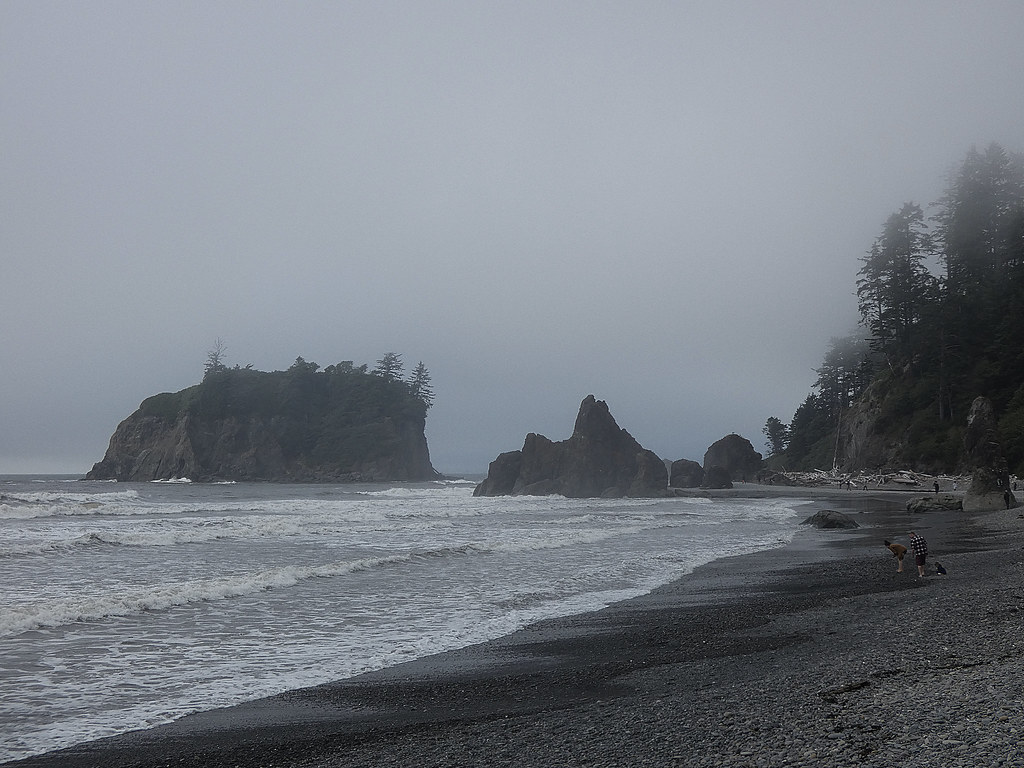
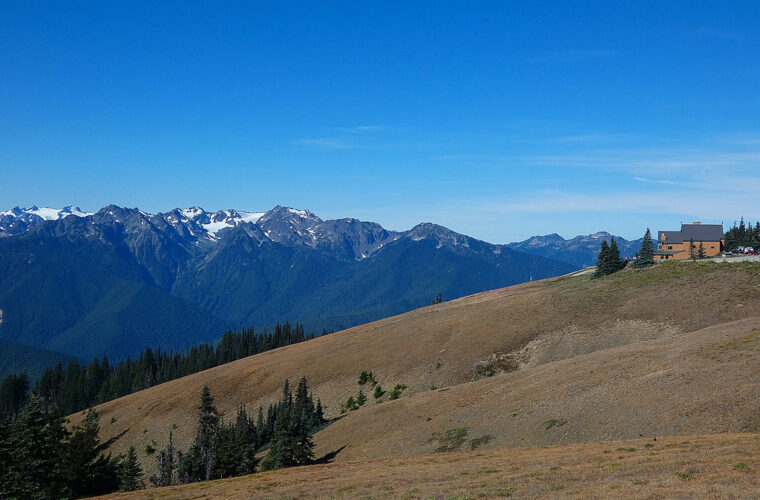
Photo: concrete&fells via Flickr (CC BY 2.0)
Olympic National Park fall mornings at the Hoh Rain Forest begin beneath bigleaf maples dripping onto sword ferns and slick spruce needles. Near the Hall of Mosses, the Hoh River provides a low, steady background sound while fog catches in the crowns of Sitka spruce and western hemlock. Temperatures feel several degrees cooler under the canopy, and overnight rain can leave boardwalks, roots, and wooden steps slippery well into the afternoon.
Fall changes quickly across this million acre peninsula. September can preserve summer access, October brings stronger color and steadier rain, and November shifts toward coastal storms and mountain snow. Because no road crosses the park, choosing the right season also means choosing the right region. Port Angeles, Hurricane Ridge, Lake Crescent, the Hoh Rain Forest, and the Pacific beaches require separate drives along the park’s perimeter.
Why Olympic National Park Fall Conditions Vary So Much
Olympic National Park rises from sea level beaches to 7,980 foot Mount Olympus within a relatively short distance. The Olympic Mountains force moist Pacific air upward, producing heavy precipitation on western slopes while creating a rain shadow around Port Angeles. On the same October day, the Hoh Valley may receive prolonged rain, Hurricane Ridge may see wet snow, and the northeastern foothills may remain comparatively dry.
September Preserves the Broadest Access
Early September often resembles late summer. Roads to high country trailheads are more likely to remain open, mountain trails can be largely free of snow, and daylight still supports longer outings. Hurricane Hill, a 3.2 mile round trip from the Hurricane Ridge area, provides broad views across the Bailey Range when clouds clear. The tradeoff is lingering summer demand, especially on weekends and during warm weather.
When Olympic National Park Fall Color Peaks by Elevation
Color develops unevenly rather than arriving in a single park wide peak. Huckleberry shrubs and mountain ash turn red around Hurricane Ridge before bigleaf maple, vine maple, black cottonwood, and red alder brighten the lower valleys. Mid October often produces the strongest contrast in the Hoh, Quinault, and Sol Duc valleys, although windstorms can strip exposed trees quickly. The rain forests remain predominantly green because conifers and mosses dominate the canopy.
November Brings a Storm Driven Landscape
By November, Pacific weather systems become the central planning factor. Heavy rain raises rivers, saturates trails, and increases the chance of fallen trees. Snow can restrict mountain roads while the coast experiences strong wind, rough surf, and large driftwood movement. Lower elevation walks remain possible between storms, including the 0.8 mile Hall of Mosses loop and the 1.8 mile round trip to Marymere Falls near Lake Crescent.
How Olympic National Park in Fall Compares With Other Seasons
Fall occupies the transition between dependable summer access and the quieter, wetter winter season. It rewards flexible travelers who can adjust daily plans around cloud cover, tides, and road conditions. Visitors with one fixed day for Hurricane Ridge face more weather risk than those spending four or five days across several park regions.
Olympic National Park Fall Conditions at a Glance
| Season | Crowds | Typical weather | Access | Best suited activities |
|---|---|---|---|---|
| Spring | Low to moderate | Wet valleys, lingering mountain snow | Low elevation access improves first | Waterfalls, rain forest walks, wildlife viewing |
| Summer | Highest | Drier and warmer, with coastal fog | Broadest road and trail access | Backpacking, mountain hiking, beach camping |
| Fall | Moderate, then low | Increasing rain, cooler nights, possible high elevation snow | Broad in September, progressively reduced later | Forest color, elk viewing, waterfalls, storm watching |
| Winter | Lowest | Heavy western rain, mountain snow, coastal storms | Mountain and seasonal road closures common | Rain forest walks, coastal scenery, snow recreation when available |
What Lower Crowd Levels Change
After the main summer travel period, parking generally becomes easier at the Hoh Rain Forest, Rialto Beach, and popular Lake Crescent trailheads. The practical effect is more flexibility rather than complete solitude. Sunny October weekends can still fill small parking areas, and roadside pullouts along Lake Crescent offer limited capacity. Fewer visitors also mean fewer people encountered on longer trails, which makes carrying navigation tools and emergency supplies more important.
Weather Matters More Than the Calendar
Fall averages disguise sharp daily variation. A calm morning can become a wet, windy afternoon when a Pacific front reaches the peninsula. Coastal conditions depend on tides as well as rain. The route from Rialto Beach to Hole in the Wall covers about 3.3 miles each way and includes headlands or sections of beach that can become hazardous at high tide. Consult an official tide table before any coastal hike.
Planning Access, Reservations, and Daily Routes
Olympic’s size makes route design as important as trail selection. Port Angeles to the Hoh Rain Forest commonly requires about two hours without prolonged stops, while Hurricane Ridge lies 17 miles south of Port Angeles on a steep mountain road. Combining both areas in one fall day leaves little margin for short daylight, weather delays, or wildlife stops along U.S. Route 101.
Roads and Trails That Change First
High elevation access is the most vulnerable to early snow and ice. Roads serving Hurricane Ridge, Obstruction Point, and Deer Park can have seasonal restrictions, while wind, flooding, or fallen trees can interrupt lower routes. Paved approaches to Lake Crescent and major coastal areas are generally more dependable. Gravel roads around Quinault and remote trailheads require closer attention after prolonged rain.
Permit and Reservation Timing
All overnight wilderness trips require a permit, and quota areas use advance reservations during their busiest periods. Developed campgrounds follow a mixture of reservation and first come arrangements, with some facilities reducing operations outside summer. Entrance fees, campground availability, wilderness booking windows, road status, and seasonal services can change, so confirm current details on the official park site before departure.
Choose Olympic National Park Fall Dates Based on Your Priorities
- Choose early September for the best probability of open mountain roads, longer daylight, and snow free high country trails.
- Choose late September through mid October for a balance of autumn foliage, reduced visitation, and workable access across several elevations.
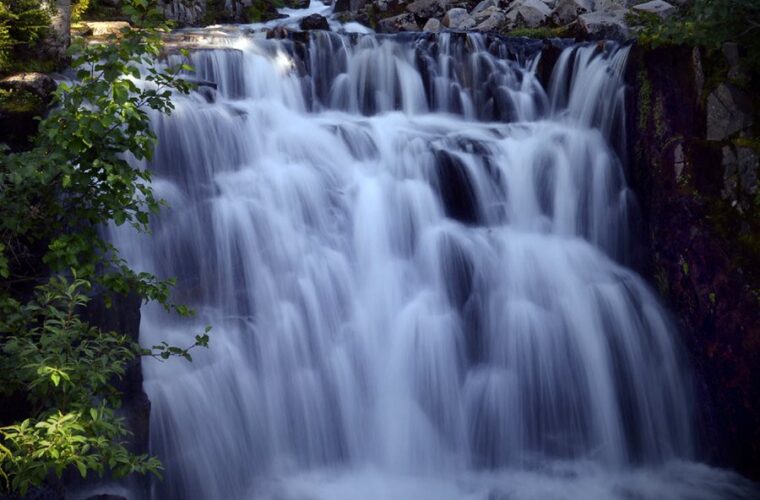
- Choose late October for stronger waterfall flow, vivid lowland color, and quieter rain forest trails, with a larger chance of storms.
- Choose November for coastal weather and solitude, provided your itinerary can shift away from mountains during snow or wind events.
Build a Weather Resistant Day Plan
Pair each mountain objective with a lower elevation alternative in the same part of the peninsula. If cloud or ice blocks Hurricane Ridge views, walk the Moments in Time Trail at Lake Crescent or continue to Marymere Falls. From the western side, combine the Hoh Rain Forest with a carefully timed coastal stop rather than committing to a long alpine route. This approach limits unnecessary driving and keeps changing conditions from eliminating an entire day.
Choose a Base That Matches Your Main Objectives
The peninsula’s road layout makes changing lodging every night tempting, but frequent moves consume useful daylight. Port Angeles works best for Hurricane Ridge, Lake Crescent, and the Elwha Valley. Forks provides shorter approaches to the Hoh Rain Forest, Rialto Beach, and the coastal trailheads near La Push. The Lake Quinault and Kalaloch areas suit travelers concentrating on the southwestern rain forests and beaches.
Compare the Main Fall Base Areas
| Base area | Best access | Primary advantage | Important limitation |
|---|---|---|---|
| Port Angeles | Hurricane Ridge, Elwha Valley, Lake Crescent | Strong choice for mountain views and northern park sites | Long drive to the Hoh and southwest coast |
| Forks | Hoh Rain Forest, Rialto Beach, Second Beach | Efficient combination of rain forest and coast | Limited access to eastern mountain destinations |
| Lake Quinault or Kalaloch | Quinault Valley, Kalaloch beaches, Ruby Beach | Convenient for low elevation walks during unsettled weather | Farther from Hurricane Ridge and Sol Duc |
When a Split Stay Makes Sense
A trip of four nights or longer benefits from dividing time between the northern and western sides. Two nights near Port Angeles and two near Forks reduce backtracking while preserving alternatives during poor weather. On shorter visits, stay in one region and explore it thoroughly. Olympic National Park fall daylight contracts quickly, with sunset arriving much earlier in November than in September, so repeated cross peninsula drives can eliminate an afternoon hike.
A Practical Three-Day Olympic National Park Fall Itinerary
This route assumes a northern arrival and finishes on the western side. Reverse it if approaching from the south. Keep the mountain day flexible and assign it to the clearest forecast. Rain forest walks remain rewarding under low clouds, while Hurricane Ridge can disappear inside fog that removes both views and useful visual references on exposed trails.
Day One: Hurricane Ridge and Lake Crescent
Begin at Hurricane Ridge if the road and weather permit, then descend before afternoon temperatures fall. Continue west to Lake Crescent for the 1.8 mile Marymere Falls walk or the 1.2 mile Moments in Time loop. The latter passes through lowland forest beside the lake and demands less time, making it useful when autumn daylight is already fading.
Day Two: Hoh Rain Forest
Combine the Hall of Mosses with the 1.2 mile Spruce Nature Trail, which reaches the Hoh River and shows how the floodplain differs from the denser interior forest. Strong hikers can continue along the Hoh River Trail, but should set a strict turnaround time. The route extends deep into the interior, and wet leaves can obscure roots, mud, and uneven tread on the return.
Day Three: The Pacific Coast
Choose Rialto Beach for a long shoreline walk or Ruby Beach for a shorter visit among sea stacks and driftwood. Stay well back from floating logs and breaking waves. Dense driftwood can shift suddenly when struck by surf, and sneaker waves travel farther up the beach than preceding sets. Plan movement around daylight and tide height rather than using distance alone.
Pack for Water, Wind, and Early Darkness
Fall rain often arrives with wind, which exposes weaknesses in umbrellas and lightweight ponchos. A waterproof shell with a hood, rain pants, and footwear with deep tread provide better protection on muddy forest trails. Pack insulation separately in a waterproof liner because fleece and down lose practical value once saturated. Cotton clothing dries slowly in the cool, humid valleys.
A Compact Fall Day Pack
- Waterproof jacket and rain pants with sealed or protected seams
- Warm midlayer, hat, and spare socks stored in a dry bag
- Headlamp with fresh batteries for short afternoon outings
- Paper map and downloaded offline mapping for areas without reception
- Food, water, and a basic first aid kit sufficient for unexpected delays
- Traction appropriate for ice if entering higher elevations after snowfall
Wildlife and River Safety
Roosevelt elk frequent the Hoh and Quinault valleys, particularly around meadows and river terraces. Give them substantial space, especially during the autumn rut when bulls may behave aggressively. Never position yourself between a bull and a group of cows. Rain also raises rivers quickly, so avoid unstable banks, submerged logs, and informal crossings. Glacial and rain fed channels can be colder, deeper, and faster than they appear.
Make Fall’s Uncertainty Work for You
The strongest Olympic National Park fall plan identifies priorities without locking every hour in advance. Select one mountain objective, one rain forest day, and one coastal window tied to the tides. Then decide their order after checking road status and the short range forecast. This preserves the seasonal variety that makes the peninsula distinctive while reducing wasted driving and weather related disappointment.
September favors hikers seeking broad access, October balances foliage with quieter trails, and November suits travelers prepared for storms and reduced mountain options. Base yourself near the places you value most, carry equipment for wet and rapidly darkening conditions, and keep a low elevation alternative ready. That combination turns changeable fall weather from a planning problem into a manageable part of the trip.
Want to keep exploring? Browse all our Olympic guides and articles for more trip-planning tips and ideas.
Gear & Essentials
Tell us about your trip and we will add what else you will want:
The basics
Worth having in the car whatever the park.
For this trip
Traveling with kids
Bringing a pet
RVing
Backcountry
Winter conditions
On the water
Photography
Accessibility
As an Amazon Associate we earn from qualifying purchases, at no extra cost to you.