Where to Stay Near Crater Lake National Park: Lodges, Campgrounds and Towns
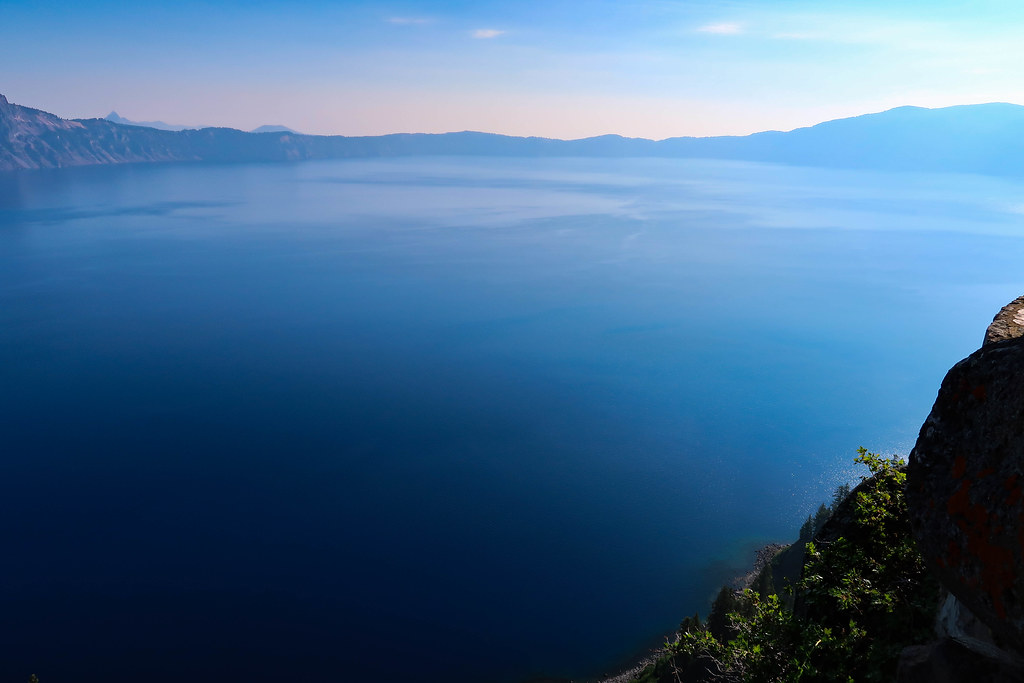
Photo: apasciuto via Flickr (CC BY 2.0)
Where Stay Near Crater is a more consequential choice than the map suggests, because Crater Lake National Park has very little lodging and winter snow closes major roads for months. A room 25 miles from the caldera can provide an easy morning drive in July, then become impractical when the North Entrance and sections of Rim Drive are buried under snow. Crater Lake fills a collapsed volcanic caldera in Oregon’s southern Cascade Range. Rim Village sits at roughly 7,100 feet, about 1,000 feet above the lake surface, and every overnight option lies outside the caldera itself. Visitors choose
Crater Lake fills a collapsed volcanic caldera in Oregon’s southern Cascade Range. Rim Village sits at roughly 7,100 feet, about 1,000 feet above the lake surface, and every overnight option lies outside the caldera itself. Visitors choose among seasonal rooms near the rim, cabins and campsites around Mazama Village, forest accommodations near the park boundary, and gateway towns reached by Oregon Route 62 or U.S. Route 97.
How to Choose Where to Stay Near Crater Lake National Park: Lodges, Campgrounds and Towns
Begin with the entrance and park zone you expect to use. Rim Village, Crater Lake Lodge and the main overlooks occupy the southwest rim. Mazama Village lies approximately 7 miles south, near the junction of the roads leading toward the South Entrance and West Entrance. The seasonal North Entrance connects the caldera with Diamond Lake and U.S. Route 97, but snow commonly keeps that approach closed from autumn into late spring or early summer.
Match the Base to Your Signature Experience
An overnight near Rim Village works best for sunrise, sunset and short access to the paved Rim Trail. Staying around Mazama Village suits travelers who want forest camping, easier vehicle access and a head start toward Garfield Peak or the southern section of Rim Drive. Diamond Lake and the northern corridor are logical summer bases for combining Crater Lake with waterfalls, mountain biking or paddling outside the national park.
- For sunrise photography: Prioritize Rim Village or Mazama Village so the final drive is short and straightforward.
- For a full Rim Drive circuit: Stay inside the park or near the west, south or north approach, then begin early before overlook parking fills.
- For winter visits: Choose the Route 62 corridor and avoid planning around the seasonal North Entrance.
- For restaurants and groceries: Use a larger gateway such as Klamath Falls, accepting a longer commute to the rim.
- For quiet forest surroundings: Look around Union Creek, Prospect, Fort Klamath or Diamond Lake rather than a larger commercial center.
Where to Stay Near Crater Lake National Park for Sunrise
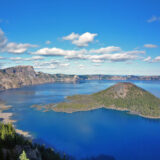
Crater Lake Lodge provides the shortest transition from bed to rim, while Mazama Village adds a brief uphill drive. From the rim, the lake’s 1,943-foot depth and six-mile-wide caldera become apparent as morning light reaches Wizard Island and the cliffs of Mount Mazama. Temperatures can remain near freezing around dawn even in summer, and exposed overlooks receive stronger wind than the forested approach roads.
At the rim before sunrise, volcanic gravel crunches underfoot while cold air rises from the caldera. The opposite wall first appears as a dark arc nearly six miles away. As the light strengthens, the lake changes from charcoal to deep blue, and Wizard Island’s cinder cone separates from the surrounding water. The scale feels wider and steeper here than it does from a roadside photograph.
Driving Distance Matters More After Dark
Park roads are narrow, curving and largely unlit. Deer, elk and smaller animals may enter the roadway around dusk, while fog, frost and residual snow reduce visibility. A remote cabin that looks close in straight-line distance can require a slow drive around the mountain. Our team recommends comparing accommodations by driving time to Rim Village, rather than distance to the nearest park boundary.
Where to Stay Inside Crater Lake National Park
In-park lodging gives visitors the cleanest access to the caldera, but inventory is limited and the operating season is shaped by heavy snowfall. Crater Lake averages roughly 40 feet of snow in a typical year, and banks can linger along roads and trails well into summer. Lodging, campground openings, road access and reservation procedures can change with snowpack and maintenance, so confirm current details on the official park site before booking.
Crater Lake Lodge at Rim Village
Crater Lake Lodge stands on the southwest rim and dates to 1915, though major rehabilitation preserved the building while updating its structure. Its principal advantage is location: guests can walk directly to caldera viewpoints, the Rim Trail and the trailhead for Garfield Peak. The 3.4-mile round-trip Garfield Peak Trail climbs about 1,000 feet to a 8,054-foot summit with views across the lake and southern Cascades.
Who Benefits Most From a Rim Stay
The lodge is especially useful for photographers, short-stay visitors and hikers who want to begin before day-use traffic arrives. Rooms reflect the limitations of a historic, high-elevation property, so travelers seeking extensive resort facilities may prefer a larger town. Weather remains a factor even during the operating season: wind, cool nights and smoke from regional wildfires can alter plans with little warning.
Cabins at Mazama Village
Mazama Village sits in conifer forest at about 6,000 feet, well below the exposed rim. Its cabins trade immediate lake views for easier access to vehicles, camping services and Route 62. The setting also reduces wind exposure. Mazama is a practical compromise for families and travelers planning two or more days, since both Rim Village and the southern park corridor remain convenient.
There Is No Accommodation Beside the Water
The caldera walls prevent road access to the lakeshore. Cleetwood Cove Trail on the north side of the lake provides the only legal public route to the water, descending about 700 feet over 1.1 miles. The steep return climb is demanding at elevation, and no lodging or camping exists at the shore. Boat access, when operating, is a day activity rather than an overnight option.
Where to Stay Near Crater Lake: Campgrounds and Gateway Towns
Campers can stay within the park or use surrounding national forest campgrounds, while travelers needing year-round lodging generally rely on gateway communities. The best corridor depends on season. Route 62 reaches the park from Medford and the Rogue Valley to the west, and from Klamath Falls and Fort Klamath to the south. U.S. Route 97 serves Chemult and Chiloquin, with summer connections toward the North Entrance.
Comparing Where to Stay Near Crater Lake National Park
| Base | Approximate trip to Rim Village | Best suited to | Main limitation |
|---|---|---|---|
| Rim Village | At the caldera rim | Sunrise, sunset and short hiking visits | Very limited seasonal inventory |
| Mazama Village | About 7 miles | Cabins, camping and multi-day park trips | No direct lake view |
| Diamond Lake area | About 25 miles in the summer road season | North Entrance access and recreation outside the park | Seasonal route dependence |
| Fort Klamath | Roughly 30 miles | Quiet rural lodging and south-side access | Limited dining and shopping |
| Klamath Falls | Roughly 60 miles | Broader lodging, groceries and restaurants | A longer daily drive |
Where to Camp Inside and Near Crater Lake National Park
Mazama Campground is the principal developed campground and accommodates both tents and recreational vehicles among lodgepole pine and mountain hemlock. Lost Creek Campground, when available, provides a smaller and more primitive tent-camping experience along the Pinnacles Road corridor. Outside the park, national forest campgrounds around Diamond Lake, Union Creek and the upper Rogue River expand the choices, particularly when park sites are full.
Conditions Campers Should Expect
Cold nighttime temperatures occur throughout the camping season because sites sit at high elevation. Mosquito activity can be intense after snowmelt, while late summer brings drier ground and the possibility of wildfire smoke. Food storage is essential in black bear habitat. Campers should arrive with drinking water, insulation suitable for near-freezing nights and enough fuel to avoid relying on limited services near the park.
Where to Stay Near Crater Lake’s Western and Southern Gateways
The communities west and south of the park serve different travel patterns. Union Creek and Prospect place visitors along the upper Rogue River corridor, convenient for travelers arriving from Medford. Fort Klamath and Chiloquin work better for routes through the Klamath Basin. When deciding Where Stay Near Crater, account for the next day’s direction as well as the trip to Rim Village. Changing corridors after a late sunset adds mountain driving when wildlife is most active.
Union Creek and Prospect for the Rogue River Corridor
Union Creek sits near the junction of Route 62 and the upper Rogue River, roughly 25 miles west of the park boundary. The surrounding forest provides access to the Rogue River Gorge and Natural Bridge, where the river runs through lava tubes created by ancient basalt flows. Prospect lies farther west and offers additional cabins and vacation rentals. Both areas suit travelers combining the park with waterfalls, river walks or a westbound journey toward Medford.
What to Buy Before Climbing Toward the Park
Shopping choices narrow considerably beyond the larger Rogue Valley communities. Buy breakfast food, trail snacks and vehicle supplies before starting up Route 62. Fuel is available in portions of the gateway corridor, but stations are widely separated compared with an urban route. Drivers should also download maps because cellular coverage becomes inconsistent in the Cascade forests. A full tank leaves room for Rim Drive, trailhead detours and an unplanned return to an overlook.
Fort Klamath and Chiloquin for the Southern Approach
Fort Klamath occupies the broad Wood River Valley south of the park, where open pasture creates clearer mountain views than the heavily forested western corridor. Chiloquin, farther southeast, provides access to U.S. Route 97 and the Klamath Basin. These bases fit travelers arriving from Bend, northern California or eastern Oregon. Birders can also connect a park visit with wetlands used by bald eagles, white pelicans and migrating waterfowl.
Where to Stay Near Crater Lake National Park by Season
Mount Mazama’s elevation creates a short summer season and a long period of snow travel. July through September usually provides the broadest access to Rim Drive, trailheads and northern approaches. Spring conditions at lower elevations can coexist with deep snow at the rim. By October, overnight frost and early storms become increasingly likely, while winter visitors generally approach through the south or west road corridor.
A Seasonal Base Comparison
| Travel period | Most practical base | Conditions shaping the choice |
|---|---|---|
| Winter | Route 62 corridor | South and west access remains the principal approach while deep snow covers other roads |
| Late spring | Mazama area or southern gateways | Snowbanks, wet trails and partial road openings can limit a rim based itinerary |
| July through September | Any gateway matched to the arrival route | The widest selection of roads, trails and forest campgrounds is generally usable |
| Autumn | Southern or western towns | Cold nights and early snowfall make lower elevation lodging more dependable |
Winter Stays Require a Different Daily Plan
Winter lodging should support snowshoeing, cross country skiing or short rim visits rather than a complete driving circuit. The road to Rim Village is plowed from the south, but snow, wind and poor visibility can slow the final climb. Carry traction devices, winter clothing, food and a shovel even when pavement is visible below the rim. Allow daylight for the return because shaded sections can refreeze quickly after afternoon temperatures fall.
Summer Smoke and Heat Affect Lower Bases
Summer temperatures in Klamath Falls, Chiloquin or the Rogue Valley can be substantially warmer than conditions at the 7,100 foot rim. Pack layers rather than judging the park forecast by the temperature outside a gateway hotel. Regional wildfire smoke can also settle differently across the landscape. A lower town may be hazy while wind clears the caldera, or the reverse. Flexible travelers should reserve multiple possible activities, including forest walks and scenic drives outside the rim zone.
Build the Reservation Around Your Actual Park Day
A well placed room saves the most time when it matches the first trailhead and final viewpoint of the day. Garfield Peak and Rim Village favor a southwest rim start. Cleetwood Cove and Mount Scott are reached from the eastern and northern portions of Rim Drive, so summer visitors using those areas should avoid scheduling an unnecessary return across the park before breakfast. Map every overnight against the planned sequence of stops.
Use a Two Night Strategy
Two nights allow one complete park day without checking in or out during prime viewing hours. Arrive at a gateway in the afternoon, enter the park early the following morning, and return to the same room after sunset. Travelers continuing in one direction can instead use two different bases. A western overnight followed by a northern or southern stay reduces backtracking and supports a more efficient Rim Drive circuit.
- Night before arrival: Stay on the corridor used to reach the park.
- Full park day: Begin with the trail or overlook farthest from the evening accommodation.
- Final evening: Choose a sunset viewpoint near the road leading to the second lodging base.
- Departure morning: Continue toward Bend, Medford or the Klamath Basin without crossing the caldera corridor again.
Check the Details That Maps Leave Out
Before committing to a cabin or vacation rental, identify the surface and grade of its access road. Forest properties can sit several miles from paved highways, adding time after dark or creating difficulties for low clearance vehicles. Ask whether bedding, cooking equipment and reliable heating are included. Campers should verify maximum vehicle length and generator rules, while electric vehicle drivers should plan charging in larger communities rather than assuming it will be available near the park.
Choose a Base That Protects Your Time at Crater Lake
The strongest lodging choice follows the park’s geography. Rim Village maximizes caldera time, Mazama Village balances access with a forest setting, and the surrounding gateways trade proximity for space, supplies or easier connections to the next destination. Northern bases make sense during the summer road season, while the Route 62 corridor remains the practical foundation for cold weather travel.
Reserve the scarce in park options first, then compare gateway lodging by driving route, elevation and planned activities. Account for darkness, wildlife, snow and limited services before accepting a lower nightly price farther away. With those factors settled, mornings can begin at the correct trailhead and evenings can end on the right side of the mountain, leaving more of the trip for Crater Lake itself.
Want to keep exploring? Browse all our Crater Lake guides and articles for more trip-planning tips and ideas.
Gear & Essentials
Tell us about your trip and we will add what else you will want:
The basics
Worth having in the car whatever the park.
For this trip
Traveling with kids
Bringing a pet
RVing
Backcountry
Winter conditions
On the water
Photography
Accessibility
As an Amazon Associate we earn from qualifying purchases, at no extra cost to you.