Where to Stay Near Grand Canyon National Park: Lodges, Campgrounds and Towns
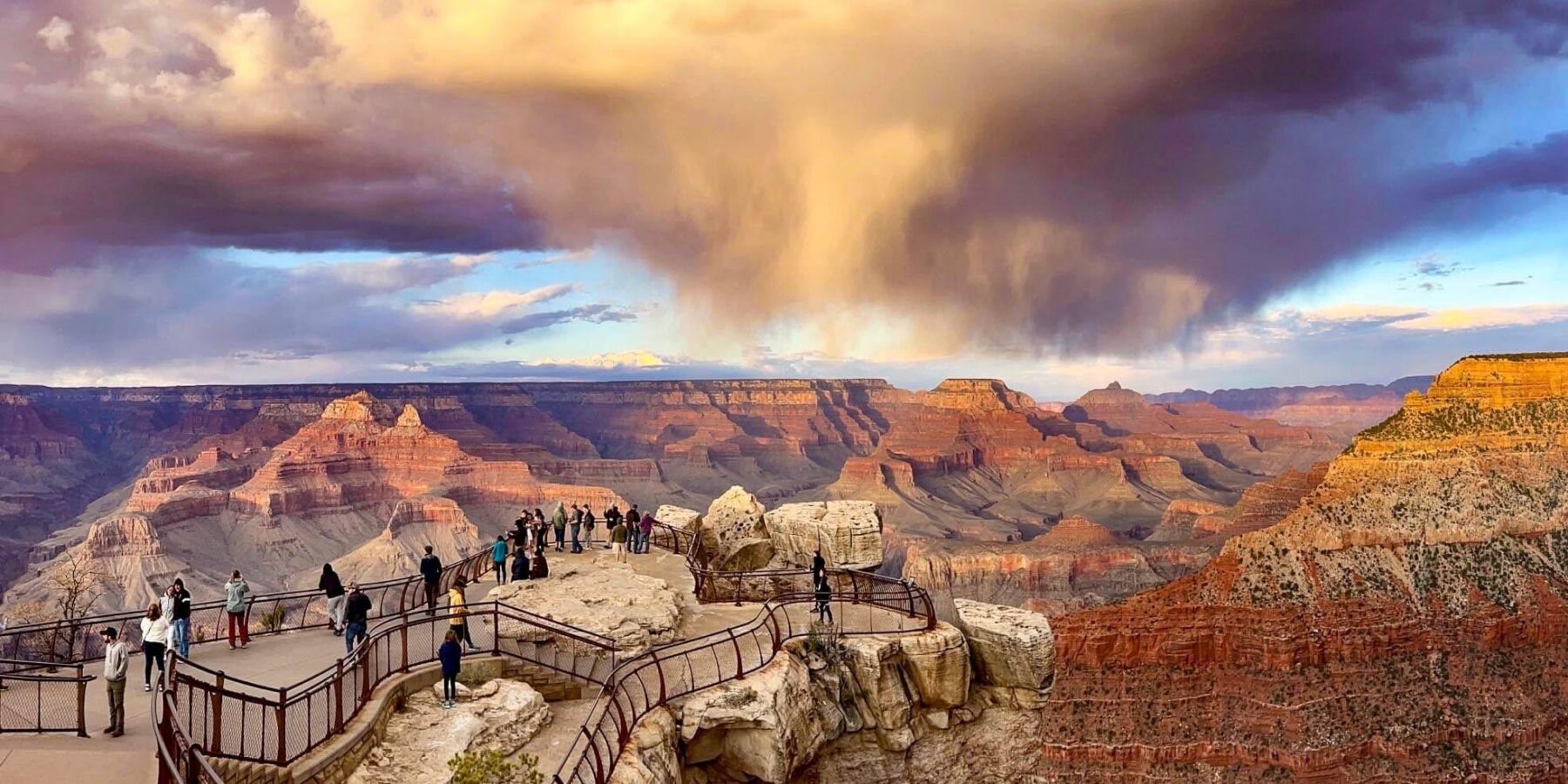
If you are deciding Where Stay Near Grand Canyon National Park, start with the rim you plan to visit and the amount of time you can tolerate in the car. South Rim lodging provides the easiest access to famous viewpoints, the Bright Angel and South Kaibab trailheads, and year-round visitor services. Tusayan is the closest gateway town, while Williams and Flagstaff trade convenience for broader dining, shopping, and lodging choices. The canyon creates unusual travel constraints. Grand Canyon Village sits around 6,800 feet above sea level, and the North Rim rises above 8,000 feet. Although the rims face one another across
The canyon creates unusual travel constraints. Grand Canyon Village sits around 6,800 feet above sea level, and the North Rim rises above 8,000 feet. Although the rims face one another across a chasm roughly 10 miles wide in places, driving between them requires about 210 miles. A room on the wrong rim can therefore add most of a day to the trip. Book around your intended viewpoints and trails rather than choosing solely by price.
Choose the Right Rim First
Most first-time visitors should stay at the South Rim or along its southern approach. This side contains Grand Canyon Village, the historic district, Hermit Road, the Trail of Time, and the largest concentration of overlooks. It also offers direct access to sunrise and sunset without requiring a pre-dawn highway drive. The North Rim has a higher, cooler, more forested setting, but its shorter visitor season and long approach make it a separate trip rather than a convenient extension.
South Rim for classic views and trail access
Grand Canyon Village places travelers beside the canyon’s broadest visitor corridor. Bright Angel Trail begins near the historic lodges, while the South Kaibab Trailhead lies several miles east and is generally reached using park transportation when seasonal road controls apply. Desert View Drive extends 23 miles from the village to Desert View, passing overlooks such as Grandview Point, Moran Point, Lipan Point, and Navajo Point.
Staying near the rim matters most for hikers and photographers. Early morning temperatures are lower, parking pressure is lighter, and sunrise light reaches the buttes before illuminating the inner gorge. A village room also makes it practical to take a midday break when summer thunderstorms or intense high-elevation sunlight make exposed viewpoints uncomfortable.
North Rim for solitude and a higher landscape
The North Rim approaches the canyon through ponderosa pine, white fir, aspen, and spruce forest. Its elevation produces cooler days, colder nights, persistent winter snow, and a shorter access season. Cape Royal and Point Imperial reveal long views toward the Painted Desert and the canyon’s eastern reaches. The 9.6-mile round-trip Widforss Trail follows the rim through forest before reaching a quieter viewpoint.
The 2025 Dragon Bravo Fire destroyed the historic Grand Canyon Lodge and affected North Rim infrastructure, fundamentally changing lodging plans on this side of the park. Travelers considering the North Rim should review current access, camping, lodging, road, and permit information before building an itinerary around it. Confirm current details on the official park site, including South Rim shuttle operations and water availability.
Lodges Inside the Park at the South Rim
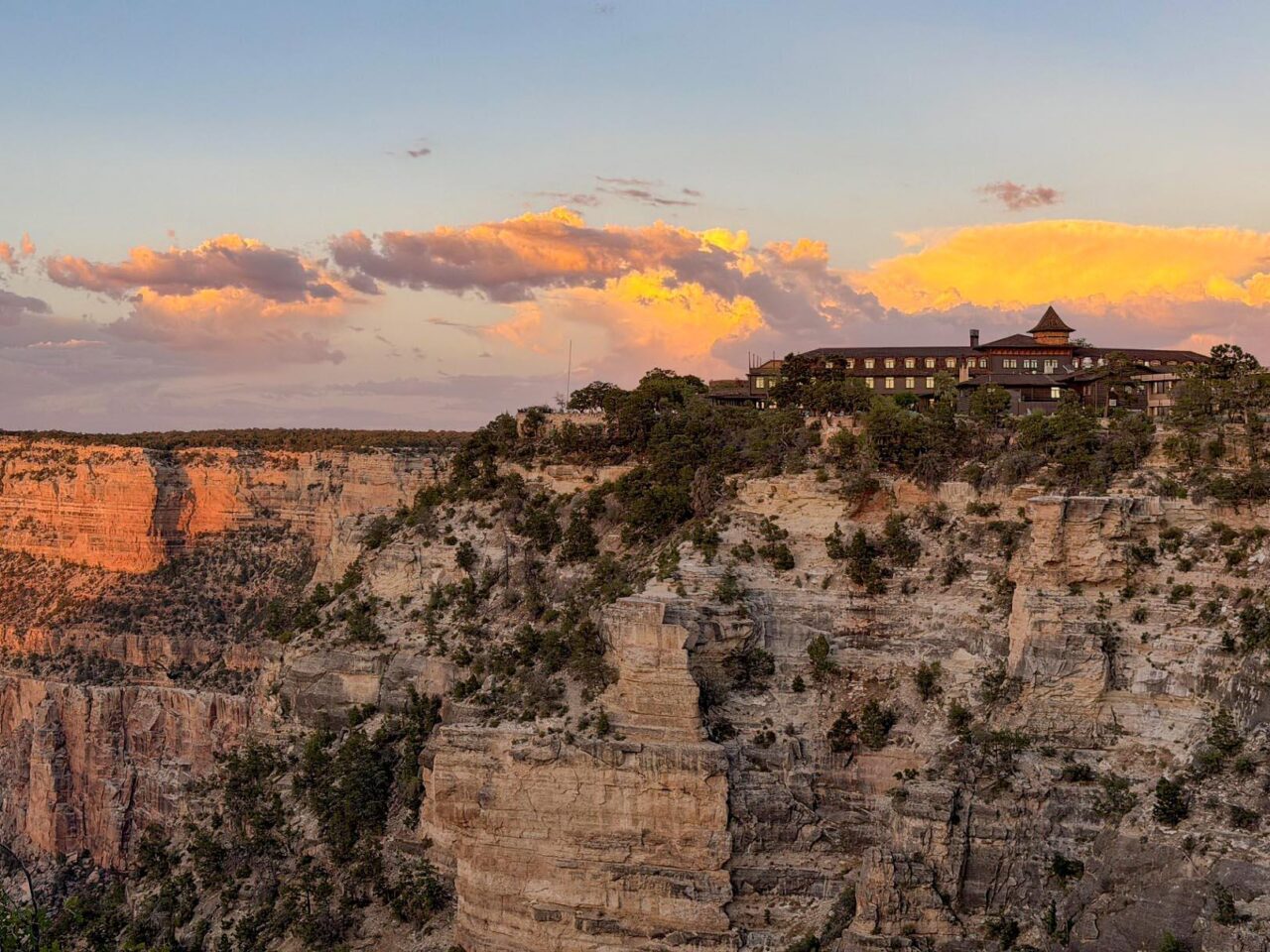
Park lodging is the strongest choice for travelers who value location over room size and extensive resort facilities. Several properties occupy Grand Canyon Village, where paved paths connect viewpoints, historic buildings, trailheads, and transportation stops. Reservations often fill far ahead for spring, summer, and autumn, but cancellations can create openings. Properties within the park are managed under concession arrangements, so policies and room configurations differ.
Lodges with Rim Views
El Tovar, Kachina Lodge, and Thunderbird Lodge
El Tovar opened in 1905 near the railway terminus and remains the village’s architectural landmark. Its dark timber construction reflects the rustic style that later influenced national park design. Nearby Kachina and Thunderbird occupy a more direct rimside position, with some rooms oriented toward the canyon. A canyon-facing category can improve the view, but public overlooks remain only steps away even when the room faces inland.
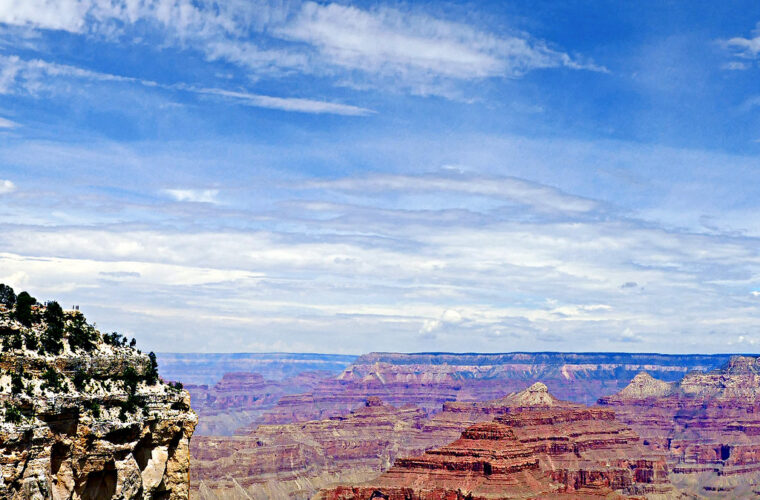
Outside these buildings, the rim drops through pale Kaibab Limestone into stacked layers of sandstone and shale. Gravel shifts underfoot along the unpaved edge paths, ravens call above the rooftops, and cool morning air rises quickly once sunlight reaches the rock. From the rim, the Colorado River can remain hidden nearly a vertical mile below even when temples and side canyons fill the entire view.
Bright Angel Lodge and its historic cabins
Bright Angel Lodge stands beside the Bright Angel Trailhead, making it particularly useful for hikers leaving before sunrise. Architect Mary Colter redesigned the lodge complex in the 1930s, incorporating local stone and earlier structures. Accommodations range from lodge rooms to cabins, including units close to the rim. Trail noise begins early, so proximity brings both convenience and morning activity.
Practical village lodging away from the edge
Maswik Lodge sits in a pine forest about a quarter mile from the rim, while Yavapai Lodge occupies a more spread-out setting near Market Plaza. These locations can suit families, motorists carrying substantial gear, and visitors who prefer easier access to general services over a possible canyon view. Walking distances become noticeable at 6,800 feet, especially for travelers arriving from sea level.
| South Rim area | Best suited to | Typical access advantage |
|---|---|---|
| Historic village rim | Sunrise viewers and short stays | Immediate access to overlooks and Bright Angel Trail |
| Maswik area | Hikers and families | Wooded setting within walking distance of the rim |
| Market Plaza area | Road trippers and longer visits | Convenient access to practical visitor services |
| Tusayan | Travelers needing additional hotel choice | Closest town outside the South Entrance |
Campgrounds for Tents, Vans, and RVs
Camping reduces lodging costs and keeps visitors close to dawn trail starts, but elevation shapes the experience. South Rim nights can fall below freezing in shoulder seasons, even after mild afternoons. Summer brings strong ultraviolet exposure and afternoon thunderstorms. Food, scented toiletries, and rubbish require secure storage because ravens, squirrels, elk, and other wildlife readily investigate occupied sites.
Developed Campgrounds
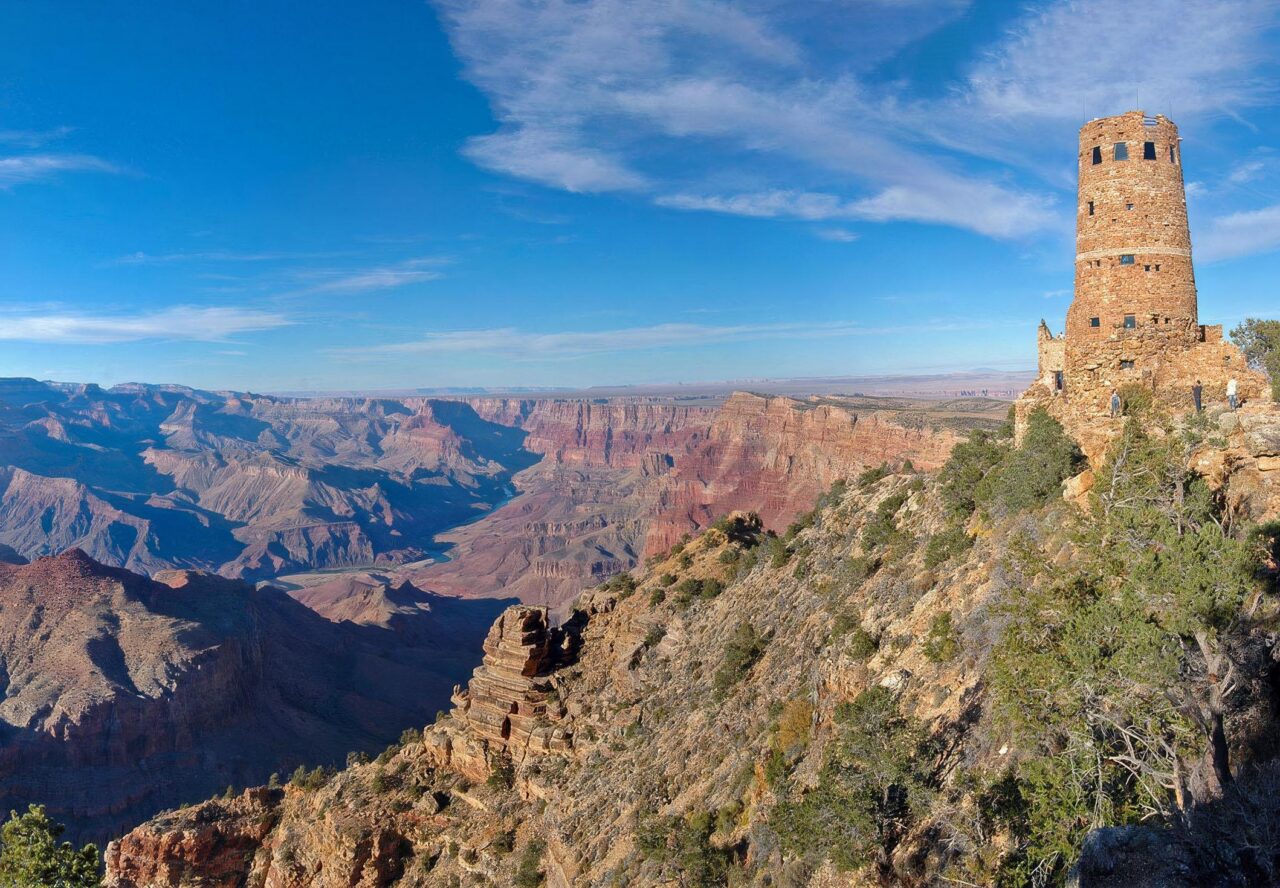
Mather Campground lies within Grand Canyon Village among ponderosa pines, close enough to connect with the park’s internal transportation network. Trailer Village serves RV travelers seeking a developed base. Farther east, Desert View Campground provides access to the Watchtower area and eastern overlooks, but it generally operates seasonally and is farther from the village’s main services.
- Tent campers: prioritize level ground, shade, and secure food storage rather than relying only on proximity to the rim.
- RV travelers: verify vehicle length limits, hookup availability, generator rules, and dump station status before arrival.
- Shoulder-season visitors: carry insulation appropriate for freezing nights at high elevation.
- Summer campers: use a waterproof shelter and avoid exposed viewpoints when thunder is audible.
Backcountry camping below the rim
Camping inside the canyon requires a backcountry permit and careful route planning. Havasupai Gardens lies along the Bright Angel Trail, while Bright Angel Campground sits near the Colorado River, roughly 4,380 feet below the South Rim. Cottonwood Campground serves the North Kaibab Trail farther north. These sites are hiking destinations, not alternatives for travelers seeking a convenient roadside campsite.
Inner-canyon temperatures can exceed rim temperatures by 20°F or more. The climb from the river to the South Rim involves thousands of feet of elevation gain through exposed desert terrain, so an overnight permit does not make a rim-to-river itinerary automatically safe. Water treatment, seasonal pipeline conditions, and emergency communications belong in the trip plan. South Rim water systems have also faced conservation measures, as covered in our South Rim services and water conservation update.
Gateway Towns
Gateway communities become useful when park lodging is full, travelers need a wider range of restaurants, or the itinerary includes northern Arizona beyond the canyon. The tradeoff is daily driving. Entrance queues, wildlife on dark roads, winter ice, and fatigue after a strenuous hike can make a distance that appears short on a map feel substantially longer.
Tusayan for the shortest commute
Tusayan sits immediately south of the park boundary, about 7 miles from Grand Canyon Village. Its hotels and other visitor services make it the practical fallback when rooms inside the park are unavailable. The location works well for two-day visits focused on Hermit Road, the village viewpoints, and Desert View Drive. Transportation connections into the park have operated seasonally, but drivers should plan for the possibility of using their own vehicle.
Williams and Flagstaff for a broader northern Arizona trip
Williams is roughly 60 miles south of the South Rim and offers a compact historic district associated with Route 66, plus rail access to Grand Canyon Village. Flagstaff is about 80 miles away and provides the region’s largest selection of groceries, outdoor supplies, dining, and lodging. It also positions travelers for Sunset Crater Volcano, Wupatki, Walnut Canyon, and onward travel toward Sedona.
Use the Eastern Approach for Desert View and Quiet Mornings
The eastern approach suits travelers arriving from Page, Monument Valley, or northeastern Arizona. Arizona Route 64 enters near Desert View, bypassing the South Entrance corridor and placing visitors beside the canyon’s widest Painted Desert panoramas. Questions about Where Stay Near Grand Canyon often overlook this route, even though it can eliminate substantial backtracking for an eastbound or westbound road trip.
Cameron and the Little Colorado corridor
Cameron lies near the junction of US 89 and Arizona Route 64, approximately 30 miles from the Desert View entrance. Lodging is limited compared with Flagstaff, but the location serves travelers continuing toward Page or the Navajo Nation. The drive climbs from open desert into pinyon and juniper woodland before reaching the South Rim’s ponderosa pine forest.
Desert View before the village crowds arrive
An eastern base provides early access to Desert View Watchtower, Navajo Point, Lipan Point, and Moran Point. Lipan Point looks into the Unkar Delta and reveals long sections of the Colorado River that remain concealed from many village overlooks. Allow time for repeated stops along Desert View Drive rather than treating the road as a direct commute to Grand Canyon Village.
Where to Stay by Season
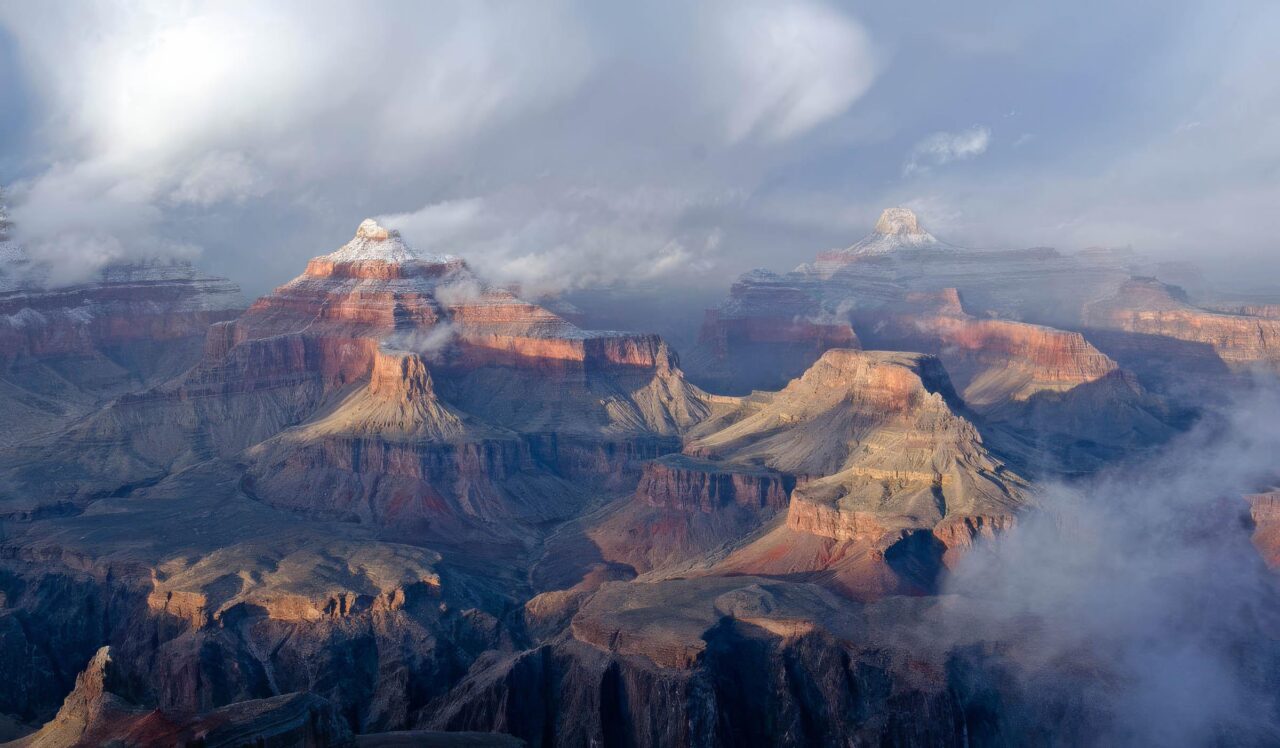
Elevation makes the South Rim markedly cooler than the surrounding desert. Summer afternoons are usually more comfortable than in the inner canyon, although lightning, hail, and heavy rain can accompany the summer monsoon. Winter storms can cover roads and paths with snow, while spring commonly brings cold wind and large temperature swings between sunrise and afternoon.
Seasonal tradeoffs at a glance
| Period | Lodging advantage | Condition to plan around |
|---|---|---|
| March through May | Cool hiking weather | Wind, late snow, and freezing nights |
| June through August | Long daylight for overlooks | Heat below the rim and afternoon storms |
| September through October | Mild days and clearer skies | Cold mornings and busy weekends |
| November through February | Lower demand and possible snow scenery | Icy paths, storms, and reduced daylight |
When an extra night adds practical value
Two nights near the South Rim create one complete day without an arrival or departure drive. That matters if you plan to walk part of the Rim Trail, use the Hermit Road transportation corridor, and explore Desert View Drive. Three nights allow a moderate below rim hike while preserving separate mornings for sunrise and easier rim activities.
Build the Reservation Around Your Daily Plan
Room price alone rarely captures the real cost of a Grand Canyon stay. A distant property can require fuel, parking time, and two hours or more of daily driving. Travelers planning a pre sunrise hike should prioritize the village or Tusayan. Those combining the canyon with Route 66, Flagstaff monuments, or Sedona may gain more from a southern base.
Use a split stay when the route supports it
A split reservation works well for travelers crossing northern Arizona. Spend the first night in Williams or Flagstaff, move closer to the rim for the main canyon day, then depart through Desert View toward Cameron and US 89. This sequence reduces repeated highway miles and turns the eastern overlooks into part of the route rather than a separate excursion.
Check the details that affect sleep and departure time
- Trail access: calculate the distance from the room to your intended trailhead, including transportation connections.
- Vehicle fit: verify parking arrangements and length restrictions when towing or driving a large RV.
- Room location: ask about stairs, building access, and distance from parking if mobility is limited.
- Food planning: identify an early breakfast option or carry food for departures before normal dining hours.
- Weather readiness: keep traction devices, warm layers, and water accessible rather than buried in packed luggage.
Hikers should also avoid scheduling a long drive immediately after climbing from the inner canyon. The ascent from Havasupai Gardens to the South Rim gains roughly 3,000 feet, while the climb from the Colorado River gains close to a vertical mile. Fatigue, dehydration, and darkness can make even the drive to Williams demanding after a strenuous day.
Choose the Base That Protects Your Canyon Time
Grand Canyon Village provides the strongest access to rim paths, historic buildings, and early trail departures. Tusayan offers the closest concentration of lodging outside the boundary. Williams and Flagstaff make sense when the canyon forms one part of a broader northern Arizona itinerary, while the eastern corridor supports travel toward Page and the Navajo Nation.
Choose the rim first, then compare daily driving, seasonal conditions, and the activities that matter most. Reserve extra time for Desert View Drive and avoid placing a long highway commute after an inner canyon hike. The right base preserves cool morning hours, simplifies sunrise plans, and leaves more of the trip for the landscape you came to see.
Want to keep exploring? Browse all our Grand Canyon guides and articles for more trip-planning tips and ideas.
Gear & Essentials
Tell us about your trip and we will add what else you will want:
The basics
Worth having in the car whatever the park.
For this trip
As an Amazon Associate we earn from qualifying purchases, at no extra cost to you.