

Wind Cave National Park Itinerary: Caves, Wildlife, and Prairie Trails
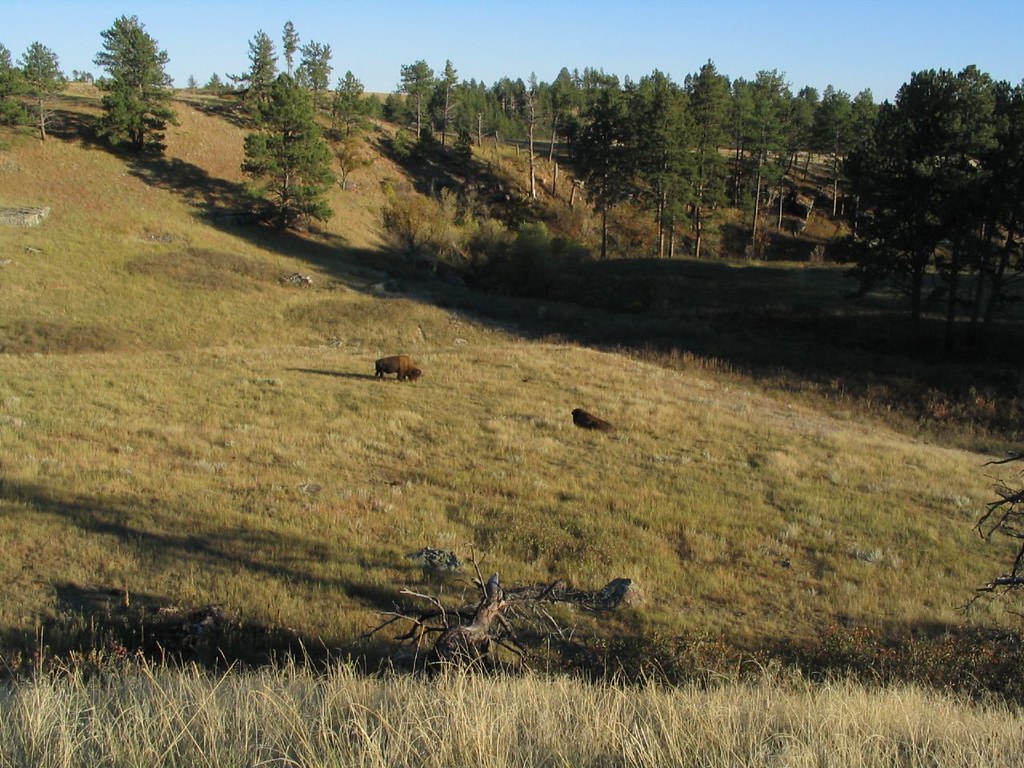
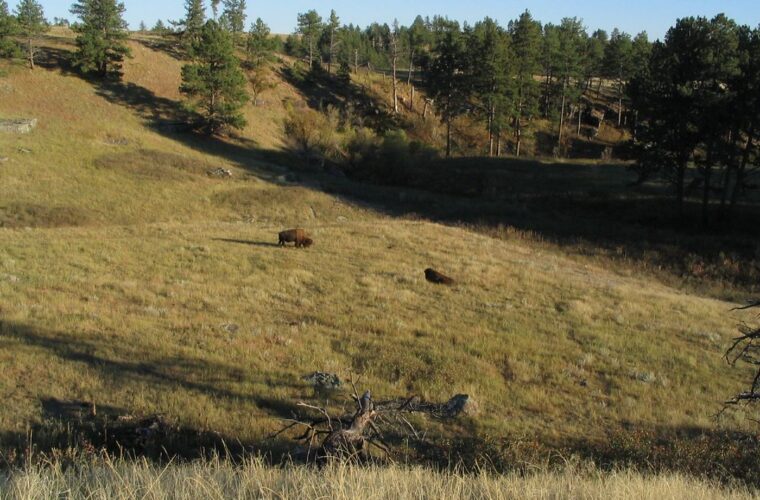
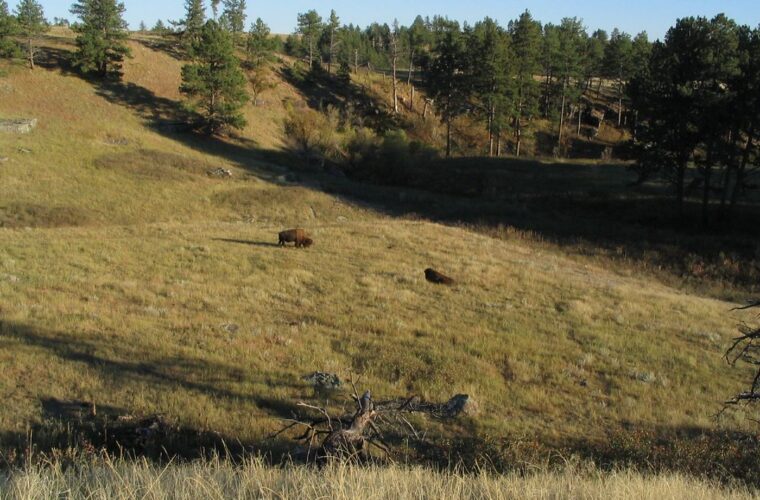
Photo: Ken Lund via Flickr (CC BY-SA 2.0)
A Wind Cave National Park Itinerary works best when it treats the park as two connected landscapes: a maze of calcite passages beneath the Black Hills and roughly 33,000 acres of mixed grass prairie, ponderosa pine woodland, and rolling ridges above it. Plan time for both. The cave contains more than 150 miles of surveyed passage and an extraordinary concentration of boxwork, while the surface supports one of the country’s most visible herds of free ranging bison.
Our team recommends building a full day around a morning cave tour, a midday drive through the wildlife-rich southern grasslands, and a late afternoon prairie hike when bison, pronghorn, deer, and birds are easier to spot. This guide explains how the park is laid out, where to look for wildlife, which trails add useful habitat variety, and how conditions change from spring through winter.
Start with the park’s underground and aboveground geography
The visitor center sits at the transition from forest to prairie
Wind Cave National Park lies in southwestern South Dakota, about 20 miles south of Custer and roughly an hour’s drive from Rapid City. The visitor center and cave entrance sit near the park’s northern end, where ponderosa pine-covered slopes meet open prairie. This is the practical starting point for cave tours, maps, current road information, and ranger advice on bison locations. The park’s main paved route, U.S. Highway 385, runs north to south through the western side of the unit, while State Highway 87 crosses the northern section toward Custer State Park.
The surface landscape is part of the southern Black Hills, with elevations rising from grassland valleys to ridges above 5,000 feet. Limestone, sandstone, and shale layers shape the terrain, but the cave developed below in Mississippian-age Pahasapa Limestone. Rainwater entered cracks in the limestone, then slow dissolution and later mineral deposition formed the intricate passages visitors see today. Wind Cave is named for the persistent movement of air through its natural entrance, caused by differences in air pressure between the cave and surface.
Reserve the cave portion of the day first
All cave access is by ranger-guided tour. Tour offerings commonly include an introduction to the cave’s decorated rooms, longer routes through tighter passageways, and more strenuous options involving substantial stair climbing and uneven terrain. The temperature underground remains close to 53 degrees Fahrenheit throughout the year, so bring a light layer even during a hot July afternoon. Cave tours are often the limiting element in a one-day visit because capacity is finite and schedules vary by season.
Arrive early enough to collect tickets, use the exhibits to understand the cave’s geology, and identify the day’s most appropriate tour before committing to a hiking loop. People with limited mobility, claustrophobia, heart concerns, or difficulty with stairs should discuss the route carefully with park staff. Photography rules, tour availability, entrance procedures, and fees can change, so confirm current details on the official park site before traveling.
What boxwork looks like underground
Boxwork is Wind Cave’s defining feature. Instead of the long hanging stalactites many people expect, it forms thin blades of calcite that project from walls and ceilings in a honeycomb pattern. The calcite veins formed first, then the softer surrounding limestone eroded away as passages developed. In some rooms, boxwork covers nearly every surface. Under electric lights, the mineral ribs cast small shadows and make the ceiling appear assembled from thousands of irregular compartments.
Build a practical route around prairie habitat and short trails
Use the southern roads for the strongest wildlife viewing
After the cave tour, drive south on Highway 385 and use the park’s interior roads to scan broad valleys, low ridges, and grazing areas. Bison are often most visible in open grasslands, particularly around the southern and central portions of the park. Pronghorn favor the same expansive terrain but are easier to miss because their tan coats blend into dry grasses. Elk tend to use wooded draws and the edges of pine forest, especially near dawn and dusk. White-tailed deer often appear in brushy drainages, while mule deer are more likely on open slopes and broken ground.
Wind Cave protects one of the largest remaining mixed grass prairie landscapes in the National Park System. Big bluestem, little bluestem, western wheatgrass, needlegrasses, and grama grasses create a mosaic rather than a uniform lawn. Prairie dogs keep parts of the grassland short through grazing and burrowing, creating habitat used by burrowing owls, badgers, and black-footed ferrets. The ferrets are extremely difficult to see and are generally active at night, but prairie dog towns remain valuable places to stop, listen, and watch for raptors.
Choose a trail that adds habitat, not just mileage
For a short introduction to the prairie, Prairie Vista Trail is a useful option near the visitor center. This approximately 1.5-mile loop crosses open grassland and gives walkers a good chance of seeing meadowlarks, ground squirrels, and distant bison. Rankin Ridge Trail, a one-mile loop farther south, climbs through ponderosa pine to a former fire tower. The summit reaches about 5,000 feet and provides a broad view over the park’s grasslands, forested ridges, and the neighboring Black Hills.
Hikers with more time can use the Lookout Point Trail, roughly 4.6 miles round trip, for a longer walk through open prairie and wooded slopes. The trail begins near the visitor center area and rises to an overlook, making it a better choice in cool morning conditions than during summer heat. Carry more water than the distance suggests. Prairie trails provide little shade, and the region’s high elevation, wind, and dry air can increase dehydration quickly.
| Trail | Distance | Primary habitat | Best wildlife possibilities |
|---|---|---|---|
| Prairie Vista Trail | About 1.5 miles, loop | Mixed grass prairie | Bison, pronghorn, meadowlarks, prairie dogs |
| Rankin Ridge Trail | About 1 mile, loop | Ponderosa pine and ridge top | Deer, wild turkeys, forest birds, raptors |
| Lookout Point Trail | About 4.6 miles, round trip | Prairie, draws, pine woodland | Elk, deer, hawks, grassland birds |
Move through bison country with room to spare
Bison can look stationary until they decide to move. An adult bull can weigh close to 2,000 pounds, run far faster than a person, and react strongly when surprised, crowded, or separated from the herd. Remain in your vehicle when animals are near the road, never walk toward calves, and choose another trail if a herd is occupying the route. Give every animal enough space to continue feeding, crossing, or resting without changing its behavior.
- Use binoculars or a long lens rather than approaching for a closer photograph.
- Stay on established trails, especially near prairie dog towns and fragile grassland soils.
- Keep food secured, since smaller mammals may become accustomed to roadside stops.
- Watch the sky as well as the grass, since golden eagles, red-tailed hawks, and other raptors hunt over open country.
- Turn around during thunderstorms, as exposed ridges and prairie offer little lightning protection.
Match wildlife expectations to the season
Spring brings movement, flowers, and muddy roads
April through June is a productive period for observing animal behavior. Bison calves are typically born in spring and show a reddish coat that has earned them the informal name “red dogs.” Pronghorn fawns arrive later in the season, usually in late spring or early summer. Grasslands begin to green after snowmelt, and migratory birds return to nest in the prairie and woodland edges. Spring weather remains variable, with cold mornings, strong winds, rain, and occasional late snow all possible.
Roadside wildlife viewing is especially useful in spring because wet trails can become slick, and intermittent rain may reduce visibility on open ground. Look across broad flats early in the day, then shift attention to pine edges and sheltered draws as the sun rises. Keep in mind that newborn animals need space. A calf lying alone in vegetation is often being attended by its mother from a distance, so visitors should never attempt to investigate or “rescue” it.
Summer requires an early and late schedule
June through August brings long daylight hours, active birds, flowering prairie plants, and warmer temperatures. Bison and pronghorn commonly feed in the cooler hours, then rest during midday heat. Start a trail near sunrise, use the middle of the day for the cave or visitor center exhibits, and return to the roads or overlooks later in the afternoon. The cave’s constant cool temperature makes it particularly useful when surface temperatures rise.
Standing on Rankin Ridge in late afternoon, you can feel the wind move through the pine needles while heat lifts from the grasslands below. The prairie spreads in long folds toward the horizon, broken by dark cattle-sized shapes of bison and narrow lines of creekside vegetation. Meadowlarks carry across the open ground, but traffic noise fades quickly once you leave the main road. That wide visibility is useful for wildlife watching, though it also reveals how quickly a thunderstorm can build across the Black Hills.
Autumn and winter reward patient observers
September and October often bring cooler hiking conditions and increased elk activity during the rut. Listen for bugling in the early morning or near sunset around wooded slopes and meadow edges, but do not approach calling animals. Bison remain visible year-round, and autumn grasses turn tan and copper as frost becomes more frequent. Winter visits are quieter, with snow emphasizing tracks and animal movement corridors along roads, drainages, and south-facing slopes.
| Season | Species and activity to watch for | Most useful habitat | Planning note |
|---|---|---|---|
| Spring | Bison calves, migratory birds, active prairie dogs | Open prairie and prairie dog towns | Prepare for mud, wind, and rapid temperature changes |
| Summer | Pronghorn, grassland birds, bison herds | Prairie at dawn and late afternoon | Hike early and use cave time during midday heat |
| Autumn | Elk rut activity, bison, migrating raptors | Pine edges, meadows, ridge overlooks | Listen from a distance and expect cool mornings |
| Winter | Bison, deer, elk tracks, raptors | Road corridors, sunny slopes, wooded draws | Allow extra driving time for snow and ice |
Read the prairie as a living habitat
Prairie dog towns support far more than prairie dogs
Black-tailed prairie dogs are among the park’s most influential animals because their grazing and digging change the structure of the grassland. Their clipped vegetation creates open sightlines for predators, while their burrows offer shelter to burrowing owls, badgers, snakes, insects, and the endangered black-footed ferret. Pause at a safe roadside pullout near an active town and listen for the colony’s sharp alarm calls. A sudden chorus often means a hawk, coyote, or human has entered their field of view.
Morning is the most productive time to watch prairie dog behavior. Adults stand upright near burrow entrances, juveniles chase one another, and individuals carry dry stems for nest material. Do not walk into a colony or place food near burrows. The soil contains extensive tunnel systems, and close visitors can force animals underground for long periods, reducing the time they have to feed and watch for predators.
Follow the edges between grassland and pine
The most productive wildlife areas are often transition zones rather than the center of a meadow. Ponderosa pine stands provide shade, winter cover, and bedding areas for elk and deer, while nearby grasslands supply forage. Drainages lined with shrubs or deciduous trees also concentrate insects, moisture, and cover. Scan these edges slowly from legal roads and overlooks, particularly during the first two hours after sunrise and the final two hours before sunset.
Wind Cave’s mixed grass prairie developed under recurring grazing, drought, fire, and seasonal weather shifts. Bison crop grasses unevenly, creating patches of short vegetation beside taller stands that shelter insects and ground-nesting birds. Their wallows, shallow depressions made by rolling bison, can temporarily hold rainwater and create different plant conditions from the surrounding turf. This variety is why a short drive through the park can reveal very different wildlife activity from one valley to the next.
What to notice beyond the large mammals
Look for western meadowlarks singing from fence posts or low shrubs, horned larks moving across bare ground, and turkey vultures circling on warm air currents. In late spring and summer, flowering plants such as coneflowers, asters, and prairie clovers attract native bees and butterflies. These smaller observations help explain the food web beneath the more obvious bison and elk sightings. A quiet five-minute stop can reveal more than a hurried drive with frequent door slams and roadside crowding.
Photograph wildlife without changing its behavior
Use distance as the first camera setting
A useful wildlife photograph shows an animal behaving naturally: grazing bison with their herd, pronghorn moving across open ground, or an elk feeding along a wooded draw. If an animal stops feeding, raises its head repeatedly, changes direction, or walks away because of your presence, you are too close. Step back, return to your vehicle, or choose another location. Long lenses, binoculars, and a stable window mount are more useful than approaching on foot.
Pronghorn deserve particular care because they rely on speed and open visibility rather than dense cover. They can detect movement at long distances, and forcing them to run uses energy needed for feeding, reproduction, and surviving severe weather. Keep your vehicle fully out of travel lanes, avoid stopping around blind curves, and never position people on both sides of a herd. Wildlife needs a clear route away from visitors.
Keep roads and trails safe for everyone
Roadside viewing works best when one person watches for traffic while another scans with binoculars. Bison and deer may cross pavement with little warning, especially in low light. Drive slowly through open range, leave extra stopping distance behind other vehicles, and resist joining a cluster of cars that blocks the roadway. A traffic jam around an animal can create more stress than a single respectful observer.
On foot, carry a map, water, sun protection, and a light insulating layer. Cell service can be unreliable in parts of the Black Hills, and changing weather can make an exposed trail feel much colder than the forecast suggests. If a bison herd occupies the route ahead, do not attempt to thread between animals or wait nearby for a calf to move. Turn around and select another trail or driving route.
A low-impact wildlife viewing checklist
- Watch from your vehicle or from an established trail rather than walking into open grassland.
- Use binoculars first, then decide if a camera lens provides enough reach.
- Keep voices low near prairie dog towns, wooded draws, and active bird habitat.
- Do not use calls, food, drones, or flash photography to provoke a response.
- Record the location only generally when photographing sensitive species, especially nesting birds or rare mammals.
- Leave gates, vegetation, rocks, and animal bones where you find them.
Frequently Asked Questions
How many days should I allow for Wind Cave National Park?
One full day covers a cave tour, a scenic drive through the prairie, and one short to moderate hike. Two days provide better odds for dawn and dusk wildlife viewing, especially if weather or animal movement limits sightings on the first day.
Are dogs allowed on trails in Wind Cave National Park?
Pets are generally restricted from park trails and may not enter the cave. They must be controlled in areas where pets are permitted, so travelers should review the park’s official pet rules before arriving.
Is Wind Cave National Park suitable for children?
Families can combine visitor center exhibits, a cave tour appropriate to the child’s age and mobility, short prairie walks, and wildlife viewing from the vehicle. Parents should evaluate cave tour stair counts and passage conditions before choosing a tour.
Can I see bison from my car?
Yes. Bison are often visible from park roads in open grassland, but sightings are never guaranteed. Remain inside your vehicle when animals are close and do not stop in a way that obstructs traffic.
What is the best month to see elk?
September and October are especially useful because bull elk become more vocal during the rut. Listen from roads or designated viewing areas near meadow and forest edges, and keep a substantial distance from any calling animal.
Put the day together with wildlife timing in mind
Use morning for movement and afternoon for observation
A strong Wind Cave National Park Itinerary begins with a slow drive through grassland before the day warms, followed by a scheduled cave tour or visitor center stop. Early light makes it easier to see pronghorn and deer against the prairie, while cooler temperatures encourage bison to feed and travel. After the underground portion of the day, use the warmer hours for a shaded pine trail, interpretive exhibits, lunch, or a leisurely drive through habitat you missed in the morning.
Return to open country late in the day with enough time to watch without rushing toward an exit. Wildlife viewing improves when visitors stop treating every sighting as a checklist item. Spend ten or fifteen minutes scanning one broad valley, looking from the foreground grasses to distant ridges. That approach reveals changing animal behavior, raptors riding thermals, and the layered pattern of prairie, draws, and pine that supports the park’s wildlife.
Leave room for the unexpected
Wind Cave rewards flexible plans. A bison herd may occupy a trailhead, rain may make a prairie hike uncomfortable, or fog may obscure a ridge overlook. Keep one short walk and one driving route in reserve. The cave remains a dependable anchor because its temperature and conditions are stable, while the surface portion of the park changes with weather, light, and the movements of free-ranging animals.
Bring patience along with your camera and trail gear. The best observations often come from slowing down: a meadowlark calling from a grass stem, a pronghorn herd cresting a low rise, or bison reshaping the prairie through the ordinary work of grazing. Those moments make the park’s geology, grassland ecology, and wildlife feel connected rather than separate stops on a map.
Make room for both cave and prairie
Wind Cave National Park works best as a place to observe systems at two scales. Underground, boxwork and limestone passages reveal the slow mineral processes that formed one of the world’s longest caves. Aboveground, bison, prairie dogs, elk, birds, grasses, and pine woodland show how grazing, weather, fire, and topography shape the southern Black Hills.
Plan the cave tour around its physical demands, then use dawn and late afternoon for quiet wildlife viewing. Choose trails according to habitat, maintain distance from every animal, and allow weather to guide the pace of the day. With that structure, visitors can leave with a clearer understanding of why this protected prairie remains important, and with a day that respects the animals living across it.
Want to keep exploring? Browse all our Wind Cave guides and articles for more trip-planning tips and ideas.
Gear & Essentials
Tell us about your trip and we will add what else you will want:
The basics
Worth having in the car whatever the park.
For this trip
As an Amazon Associate we earn from qualifying purchases, at no extra cost to you.