

Wind Cave National Park Travel Guide: Cave Tours, Wildlife, and Scenic Drives
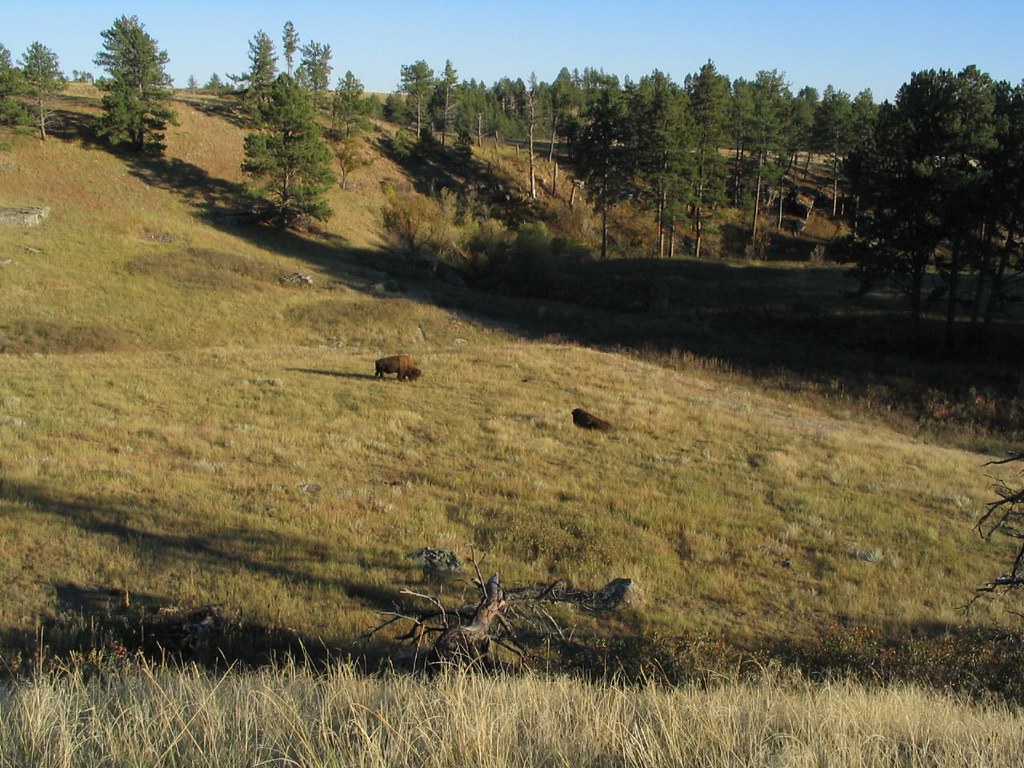
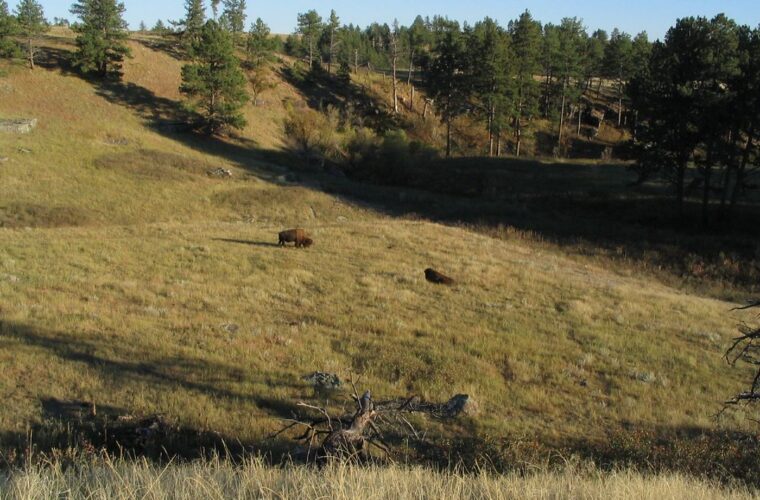
Photo: Ken Lund via Flickr (CC BY-SA 2.0)
Our Wind Cave National Park Travel Guide begins with the park’s defining contrast: more than 160 surveyed miles of cave passages lie beneath 34,000 acres of mixed grass prairie and ponderosa pine forest. Guided cave tours reveal dense calcite boxwork underground, while surface roads and trails provide reliable opportunities to see bison, elk, pronghorn, prairie dogs, coyotes, and raptors.
Wind Cave sits in the southern Black Hills of South Dakota, about 11 miles north of Hot Springs. Its compact road network makes cave tours, wildlife watching, short hikes, and scenic drives practical in one or two days. The key is matching each activity to the right time. Cave tours require advance planning, while animals are easiest to find during the cool hours around sunrise and sunset.
Understanding the park above and below ground
Wind Cave became a national park in 1903, making it the first national park created specifically to protect a cave. Its surface landscape preserves an unusually intact meeting point between the Black Hills and the Great Plains. Elevations range from roughly 3,600 feet along lower drainages to 5,013 feet on Rankin Ridge, creating several distinct wildlife habitats within a relatively small area.
A compact cave beneath rolling prairie
Most known passages occupy a small footprint beneath the visitor center area, yet they form one of the world’s densest mapped cave networks. The cave developed primarily in Mississippian age Pahasapa Limestone, deposited in a shallow sea roughly 350 million years ago. Water later dissolved the limestone along fractures, leaving interconnected passages, chambers, and narrow fissures.
Wind Cave is especially important for its boxwork, thin calcite fins that cross cave ceilings and walls in honeycomb patterns. Calcite filled fractures before the surrounding limestone dissolved. The harder veins remained in place as the softer rock disappeared, producing formations that are far less common than stalactites and stalagmites.
Roads connect the main habitats
US Highway 385 crosses the park from north to south and provides access to the visitor center, cave tour area, Rankin Ridge, and broad prairie near the southern boundary. South Dakota Highway 87 crosses the northwestern corner through higher ponderosa pine country. Unpaved NPS roads 5 and 6 reach the quieter eastern grasslands, including prairie dog habitat and the Boland Ridge area.
Allow extra time on gravel roads because bison frequently stand on or beside the roadway. Heavy rain or snow can also make unpaved sections rough. Fuel, restaurants, and full visitor services are outside the park, so our team recommends arriving with a full tank, drinking water, food, and clothing for fast weather changes.
Planning a Wind Cave tour
All public access to the cave is through ranger guided tours. Routes, schedules, reservation systems, fees, and tour availability can change with staffing or maintenance, so confirm current details on the official park site before building the rest of the day around a particular departure.
How the main tour styles differ
Tour names and availability vary, but standard routes generally range from shorter introductory walks to longer trips involving several hundred stairs. Introductory tours emphasize boxwork and basic cave geology. Longer routes enter larger rooms, descend farther, and show a greater variety of passage shapes. Specialized candlelight or crawling tours may be offered under limited conditions and require greater mobility.
| Tour style | Best suited to | Typical conditions |
|---|---|---|
| Short introductory route | First visits and tighter schedules | Paved passages, stairs, electric lighting |
| Longer developed route | Visitors seeking more geology and distance | More stairs, extended underground time |
| Specialty tour | Experienced or adventurous visitors | Limited lighting, tighter spaces, added physical demands |
What conditions feel like underground
The cave remains near 54 degrees Fahrenheit throughout the year. Summer visitors often notice the temperature change immediately after leaving hot prairie air. Passage floors may be damp, ceilings can feel close, and stairways create more exertion than the tour distance suggests. A light jacket and secure walking shoes are useful even in July or August.
At one of the boxwork covered ceilings, the guide’s light catches thin calcite blades crossing overhead like irregular compartments. Voices carry along the stone passage, while the air feels cool and almost motionless against exposed hands. The confined scale makes the cave’s mapped extent difficult to grasp, especially knowing that passageways continue in several directions beyond the developed route.
Where to look for Wind Cave wildlife
The park’s large mammals are free ranging, and their locations shift with forage, water, temperature, and human activity. Open grasslands support bison and pronghorn, forest edges attract elk and deer, and prairie dog colonies create concentrated hunting areas for coyotes, badgers, hawks, and endangered black footed ferrets.
Prairie dog towns and the eastern grasslands
Prairie dogs and their predators
Black tailed prairie dogs are active during daylight and easiest to observe around established colonies along the eastern park roads. Look for clipped vegetation, conical burrow mounds, and animals standing upright while giving sharp alarm calls. Burrows aerate the soil and provide shelter for insects, snakes, burrowing owls, and other grassland species.
Black footed ferrets prey heavily on prairie dogs and use their burrows, but sightings are rare because ferrets are nocturnal. Coyotes and badgers are more realistic possibilities. A badger digging at the edge of a colony may throw soil behind it rapidly, while coyotes often pause and listen before pouncing on rodents hidden in grass.
Bison on open prairie
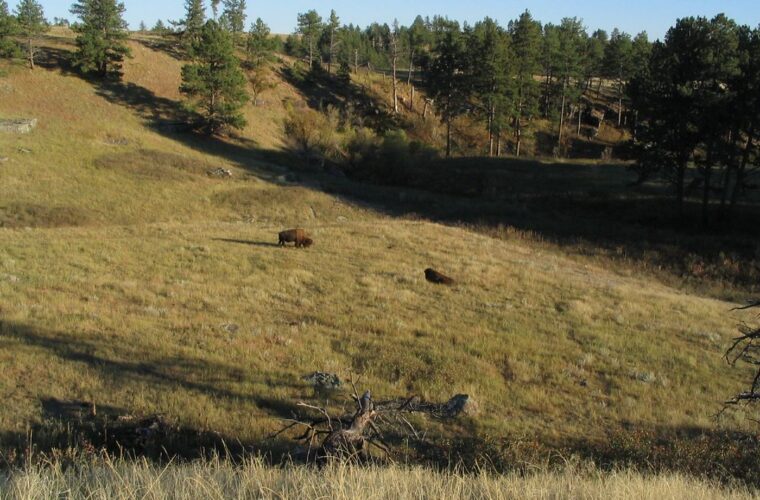
Bison commonly use the grasslands beside Highway 385, NPS 5, and NPS 6. Wind Cave received animals in 1913 as part of an early federal effort to restore a species that had nearly disappeared from the Plains. Today the herd plays a central ecological role by grazing grasses, creating wallows, carrying seeds, and opening patches of short vegetation used by prairie dogs and ground feeding birds.
Pine ridges, canyons, and forest edges
Elk often remain near ponderosa pine cover during daylight, then move into meadows near dusk. Rankin Ridge, Elk Mountain, and the forest openings along Highway 87 are productive areas for listening and scanning. During the autumn rut, bull elk bugles can travel considerable distances through the valleys, particularly around sunrise.
Mule deer favor broken slopes and open woodland, while white tailed deer are more closely associated with drainages and denser vegetation. Pronghorn usually remain in lower, open country where long sightlines help them detect predators. Boland Ridge is especially useful because it overlooks broad grasslands with fewer trees blocking the view.
Seasonal timing for animals and birds
Wildlife viewing changes substantially through the year. Dawn and the final two hours before sunset are generally most productive in warm weather. During cold, windy periods, bison and elk may remain active well into the day, particularly on sunny slopes sheltered from prevailing winds.
Species and viewing areas by season
| Season | Wildlife highlights | Productive areas |
|---|---|---|
| Spring | Bison calves, prairie dog activity, migrating raptors and songbirds | Southern prairie, NPS 5, Wind Cave Canyon |
| Summer | Bison herds, pronghorn, prairie dogs, soaring hawks | Highway 385 grasslands, Boland Ridge, eastern roads |
| Autumn | Elk rut, active coyotes, migrating birds | Elk Mountain, Rankin Ridge, forest meadow edges |
| Winter | Bison in open grassland, deer near cover, visible animal tracks | Plowed highways, southern prairie, sheltered drainages |
Safe and responsible viewing
Bison can accelerate quickly and may react to people long before they appear agitated. Stay at least 25 yards from bison, elk, deer, and pronghorn, and at least 100 yards from predators. If an animal changes direction, stops feeding, raises its head repeatedly, or watches you continuously, increase the distance.
- Use binoculars or a telephoto lens rather than approaching for a closer image.
- Remain inside the vehicle when bison occupy a road shoulder or block traffic.
- Never stand between a cow and calf, especially during the spring calving period.
- Keep food secured and never feed prairie dogs or other wildlife.
- Avoid surrounding an animal with multiple vehicles or blocking its route across a road.
- Watch prairie dog colonies from established roads and pullouts to avoid crushing burrow entrances.
Following water, forage, and travel corridors
Wind Cave has no large lake or permanent river, so wildlife concentrates around small drainages, seasonal pools, and green vegetation that retains moisture. Beaver Creek, Highland Creek, and Wind Cave Canyon function as movement corridors between prairie and pine cover. Scan these lower areas early in the morning, especially after dry periods when surrounding slopes have cured to brown.
Build a slow eastern prairie circuit
For a wildlife focused drive, combine Highway 385 with NPS 5 and NPS 6, allowing at least two hours for stops. The gravel roads cross prairie dog colonies, rolling bison range, and elevated viewpoints around Boland Ridge. Drive slowly enough to inspect fence lines and distant ridges, where pronghorn often appear first as pale shapes against darker grass.
Use pullouts without creating a wildlife jam
Choose established pullouts before raising binoculars or a camera. Stopping in the travel lane restricts animal movement and blocks vehicles that may need to retreat from approaching bison. Turn off the engine during longer observations. Reduced vibration helps with telephoto photography, and the quieter setting makes prairie dog alarm calls, meadowlarks, and distant elk bugles easier to hear.
Walk between habitat zones
The 1.8 mile one way Wind Cave Canyon Trail follows an old road between limestone walls and open grassland, creating good habitat for deer, raptors, and songbirds. Lookout Point Trail crosses mixed grass prairie and descends toward Beaver Creek, while the 1 mile Rankin Ridge loop reaches the park’s highest point at 5,013 feet. Morning hikers often encounter fewer vehicles and calmer winds.
Fieldcraft for better wildlife observations
Our Wind Cave National Park Travel Guide recommends scanning before walking away from the vehicle. Bison can disappear behind surprisingly low ridges, and elk standing inside ponderosa pine shade may be nearly invisible. Search with unaided eyes first, then use binoculars to inspect dark tree lines, exposed hilltops, and patches of unusually short grass around prairie dog colonies.
Photography without changing behavior
A 300 mm or longer lens provides useful reach for large mammals, while binoculars in the 8×42 range balance magnification with a wide field of view. Photograph from an angle that leaves the animal a clear escape route. Calling, whistling, playing recorded bird sounds, or following an animal parallel to the road can interrupt feeding and waste energy needed for winter or reproduction.
- Use a beanbag or window mount for sharp images from inside a vehicle.
- Keep camera bags closed because prairie dust quickly reaches lenses and sensors.
- Set a faster shutter speed for running pronghorn, flying raptors, and active prairie dogs.
- Pack neutral clothing, sun protection, and a wind resistant outer layer.
- Record observations only after leaving the immediate area, rather than lingering beside an animal.
Read signs before the animal appears
Fresh bison dung, flattened wallows, and broad tracks indicate recent herd use. Prairie dog alarm calls often reveal a coyote, badger, or raptor before visitors see it. In winter, inspect snow beside drainages for paired deer tracks, coyote prints in a straight line, and wide bison trails connecting exposed feeding areas with sheltered slopes.
Frequently Asked Questions
What is the best wildlife drive in Wind Cave National Park?
NPS 5 and NPS 6 provide access to the quiet eastern prairie and Boland Ridge area. Combine them with Highway 385 for a varied route through bison range, prairie dog habitat, and open pronghorn country.
How much time should I allow for wildlife watching?
Set aside two to three hours for a slow surface drive. A cave tour, wildlife circuit, and short trail can fill one complete day without requiring long drives between activities.
Can children safely watch wildlife here?
Yes, provided children remain close to adults and observe large mammals from the required distance. Prairie dog colonies are especially engaging because activity is visible during daylight from roads and pullouts.
Are dogs allowed on park trails?
Pets are limited to designated developed areas and specific pet friendly trails, including Prairie Vista and the Elk Mountain Campground Trail. They are excluded from the cave and most backcountry trails, and must remain leashed.
Can I see black footed ferrets during a daytime visit?
A daytime sighting is highly unlikely because black footed ferrets are nocturnal and spend much of their time underground. Their prairie dog habitat remains worth visiting for badgers, coyotes, burrowing owls, and other grassland wildlife.
Bringing the day together
The strongest plan pairs a scheduled cave tour with surface exploration during cooler hours. Use the middle of the day underground, then drive the eastern roads or walk Wind Cave Canyon as temperatures fall. This sequence matches animal activity while reducing the chance that a long wildlife stop causes you to miss a cave departure.
Bring binoculars, water, layers, and enough fuel to explore without rushing. Watch drainages, forest margins, prairie dog colonies, and distant ridgelines rather than concentrating only on animals beside the road. That patient approach reveals how bison grazing, prairie dog burrows, predators, fire, and limited water shape the living prairie above Wind Cave’s extensive underground passages.
Want to keep exploring? Browse all our Wind Cave guides and articles for more trip-planning tips and ideas.
Gear & Essentials
Tell us about your trip and we will add what else you will want:
The basics
Worth having in the car whatever the park.
For this trip
As an Amazon Associate we earn from qualifying purchases, at no extra cost to you.