






Everglades National Park and Biscayne National Park: How to Visit Both on One Trip
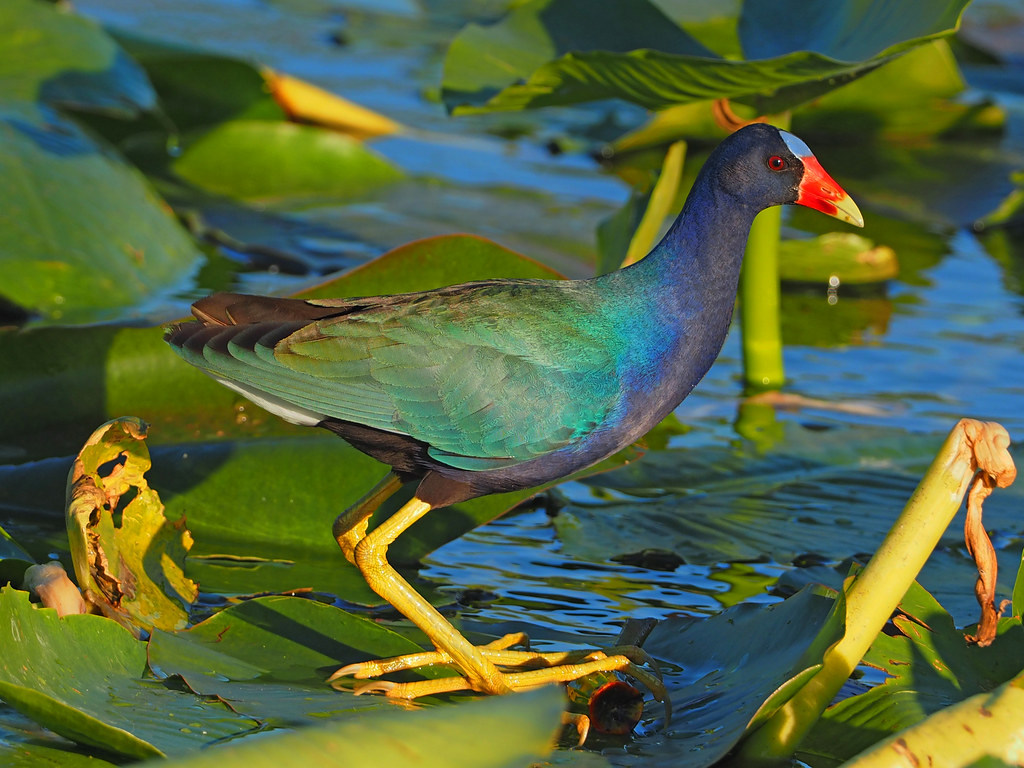
Photo: Judy Gallagher via Flickr (CC BY 2.0)
Pairing Everglades National Park Biscayne National Park on one South Florida trip works because their primary visitor areas sit roughly 20 miles apart, yet they protect remarkably different landscapes. The Everglades experience centers on freshwater sloughs, sawgrass prairie, wildlife-rich boardwalks, and the mangrove coast. Biscayne is about 95 percent water, with islands, seagrass beds, mangrove shorelines, and part of the Florida Reef accessible mainly by boat. Our team recommends treating the parks as separate full-day experiences rather than squeezing both into a single sightseeing loop. Three days provides a practical minimum: one day along the Everglades main park
Our team recommends treating the parks as separate full-day experiences rather than squeezing both into a single sightseeing loop. Three days provides a practical minimum: one day along the Everglades main park road, one day on Biscayne Bay, and one flexible day for Shark Valley, paddling, weather delays, or southern Miami. The plan below explains where to base yourself, which entrances connect logically, and how South Florida’s seasons affect both parks.
Why an Everglades National Park and Biscayne National Park trip works
Two parks protect one connected watershed
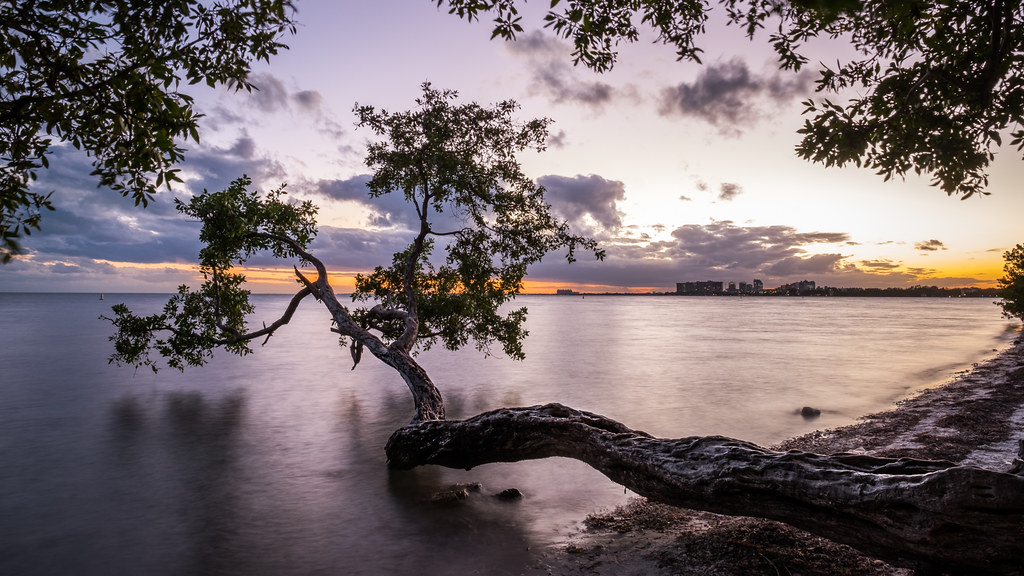
Water historically flowed south from Lake Okeechobee through the Everglades before reaching Florida Bay and the coastal waters surrounding Biscayne. Roads, canals, levees, and urban development altered that movement, but visiting both parks still reveals the watershed’s progression. In Everglades National Park, broad freshwater sloughs cross nearly level limestone. Farther east, Biscayne’s shallow bay supports seagrass meadows, mangrove nurseries, coral limestone islands, and offshore reefs.
Both parks sit only a few feet above sea level, so tiny elevation changes determine which plants grow where. Sawgrass tolerates seasonally flooded marl prairie, cypress occupies slightly deeper freshwater pockets, and mangroves dominate tidal margins. Biscayne’s keys represent the northernmost Florida Keys, while its offshore reef tract belongs to the same geological and ecological system extending southwest toward Key West.
Land access and water access require different plans
Everglades visitors can see substantial habitat from roads and short trails. The 38-mile park road from the Ernest F. Coe entrance ends at Flamingo on Florida Bay, passing Royal Palm, Pinelands, Pa-hay-okee, Mahogany Hammock, and freshwater-to-estuarine landscapes. Biscayne has no sightseeing road through its islands. Convoy Point, home to the Dante Fascell Visitor Center, provides bay views and shoreline access, but reaching Boca Chita Key, Elliott Key, or offshore reefs requires a boat excursion or private vessel.
What each park contributes
- Everglades: dependable land-based wildlife viewing, boardwalks, cycling at Shark Valley, canoe routes, and a visible transition from freshwater marsh to mangrove coast.
- Biscayne: boating, snorkeling, paddling, island history, coral reefs, shipwrecks, and open-water views unavailable from the mainland shoreline.
- Combined trip: a fuller understanding of how freshwater flow, Florida Bay, Biscayne Bay, the Keys, and the reef tract interact.
Choose the right gateways for Everglades National Park and Biscayne
Use Homestead or Florida City as the practical base
Homestead and Florida City sit between Biscayne’s mainland access point and the Everglades entrance near the Coe Visitor Center. From this base, travelers avoid repeatedly crossing metropolitan Miami and can reach either park early. The area also provides access to grocery stores, fuel, restaurants, and roads leading toward the Upper Florida Keys. Staying in central Miami adds dining and cultural options but can turn a simple park transfer into a traffic-dependent commute.
The main Everglades entrance lies west of Homestead on State Road 9336. Biscayne’s Dante Fascell Visitor Center is east near Convoy Point. These roads do not connect through parkland, but the drive between them is straightforward through the agricultural landscape around Homestead. Build extra time into any journey involving Miami during weekday commuting periods.
Do not confuse the three Everglades entrances
Everglades National Park has three principal access areas, and no internal road connects all three. The Homestead entrance serves Royal Palm and Flamingo. Shark Valley is reached from the Tamiami Trail west of Miami. The Gulf Coast entrance is in Everglades City, far to the northwest and poorly suited to a short Biscayne pairing. Entering the wrong destination into navigation software can cost several hours.
| Route | Approximate distance | Typical planning time | Best use |
|---|---|---|---|
| Convoy Point to Ernest F. Coe entrance | About 20 miles | 30 to 40 minutes | Transfer between parks |
| Ernest F. Coe entrance to Flamingo | 38 miles | 45 to 60 minutes without stops | Full Everglades road day |
| Homestead to Shark Valley | About 55 miles | 75 to 90 minutes | Cycling or tram-focused day |
| Homestead to Everglades City | About 85 miles | Close to 2 hours | Separate Gulf Coast extension |
Check operations once, before fixing the itinerary
Boat trips are central to a rewarding Biscayne visit, while guided paddles, tram operations, entrance charges, and seasonal services can affect the Everglades schedule. Reserve any desired boat excursion before arranging the rest of the day, then confirm current fees, departure locations, hours, permits, and closures on the official park sites. Wind or thunderstorms can cancel water-based activities even when mainland areas remain open.
How many days to spend in Everglades National Park and Biscayne
Three days gives both parks adequate time
A three-day schedule protects the Biscayne boat day from becoming the trip’s single point of failure. Assign the clearest, calmest forecast to Biscayne. Use another day for the Everglades road from Royal Palm to Flamingo, allowing time for short walks and wildlife stops. Keep the third day for Shark Valley, a rescheduled boat outing, or a paddle launched from one of the parks’ established access areas.
- Day one: Enter near Homestead, walk the Anhinga Trail, continue through the Everglades to Flamingo, and stop at overlooks and short trails along the return drive.
- Day two: Take a Biscayne boat excursion selected for snorkeling, island access, maritime history, or wildlife viewing.
- Day three: Visit Shark Valley, paddle in either park, or hold the day as a weather buffer.
Two days requires disciplined priorities
With two days, skip Everglades City and give each park one full day. At Everglades, concentrate on the Homestead corridor rather than adding Shark Valley. At Biscayne, choose a boat activity in advance because standing at Convoy Point alone reveals only the edge of a predominantly marine park. Travelers who cannot take a boat can still walk the waterfront and paddle sheltered mangrove margins, but they will not reach the outer keys or reef.
Trying to visit both parks in one day usually reduces Biscayne to a visitor-center stop and Everglades to one boardwalk. If one day is unavoidable, walk Royal Palm’s 0.8-mile Anhinga Trail early, then continue to Convoy Point for a prebooked afternoon water activity. This sequence works only when departure times, daylight, traffic, and weather align.
Plan your Everglades National Park Biscayne itinerary by season
Dry season favors wildlife viewing and comfortable walking
From roughly November through April, lower humidity, reduced rainfall, and cooler temperatures make land-based exploration easier. As water levels fall, fish and other aquatic animals concentrate in sloughs and ponds, drawing alligators, anhingas, herons, egrets, and wood storks. This is generally the busiest period, particularly around late December, spring school breaks, and winter weekends.
On the Anhinga Trail, the paved surface and boardwalk pass directly above the Taylor Slough ecosystem. Limestone and marl feel hard underfoot, while sawgrass stretches low and flat beneath an enormous sky. In the dry months, splashing gar, croaking herons, and the sudden slap of an alligator entering the water carry across the open marsh. Shade is limited, and the reflected sun makes this short walk feel hotter than its mileage suggests.
Wet season changes the daily timetable
May through October brings heat, high humidity, frequent afternoon thunderstorms, and heavier mosquito activity. Water spreads across the Everglades, dispersing wildlife over a broader area. Biscayne’s water can be beautifully clear on calm mornings, but lightning, wind, tropical systems, and rough seas may disrupt boating. The Atlantic hurricane season officially runs from June through November, with the greatest regional risk generally later in summer and early autumn.
During warmer months, schedule exposed trails and paddling near sunrise, carry more drinking water than the mileage seems to require, and keep dry clothing protected inside a waterproof bag. A useful contingency plan pairs an early outdoor activity with an afternoon option in Homestead or Miami. Never shelter beneath an isolated tree, on an observation platform, or in an open boat when thunder is audible.
Build each park day around one fixed activity
Set one immovable anchor each morning, then arrange shorter stops around it. In the Everglades, that anchor might be sunrise at Royal Palm or a scheduled Flamingo boat trip. In Biscayne, it should be the boat departure because missing check in can eliminate access to the islands or reef for the day. Pack food and fill water containers before leaving Homestead, since backtracking for supplies wastes the cooler morning hours.
Order the Everglades stops by habitat
Begin at Royal Palm, when birds and alligators are active and the Anhinga Trail is less crowded. Continue south to the 0.4 mile Gumbo Limbo Trail, then Pa-hay-okee Overlook for an elevated view across Shark River Slough. Mahogany Hammock’s 0.5 mile boardwalk enters a darker hardwood island with gumbo limbo trees, air plants, and the largest living mahogany tree in the United States. Finish at Flamingo, where Florida Bay replaces freshwater marsh.
Leave margin around the Biscayne departure
Reach Convoy Point well before the operator’s required check in time. Boats may load equipment, verify passenger information, and provide safety instruction before leaving the dock. Avoid scheduling a restaurant reservation or flight immediately after the expected return. Wind, wildlife sightings, and slower travel across choppy water can alter timing. If snorkeling, arrive already wearing a swimsuit beneath sun protective clothing so preparation does not consume excursion time.
Select the right Biscayne water experience
Biscayne activities reach different environments, so choose by objective rather than by trip length alone. Boca Chita Key combines bay travel with a short island visit and views of its ornamental lighthouse. Elliott Key, the park’s largest island, provides hardwood forest and shoreline access. Offshore snorkeling reaches coral communities and maritime sites, while sheltered paddling stays closer to mangroves and shallow seagrass habitat.
Compare activities before reserving
Open water trips are most sensitive to wind and waves. Mangrove paddles generally provide more shelter, although tides and thunderstorms still matter. Travelers prone to seasickness should discuss conditions with the operator and take any preferred medication early enough to work before departure. Snorkeling also requires comfort breathing through a mask while floating beyond standing depth.
| Activity | Primary environment | Preparation priority |
|---|---|---|
| Island boat trip | Biscayne Bay and a developed key | Sun protection and walking shoes |
| Reef snorkeling | Offshore reef tract | Swimming confidence and secure gear |
| Mangrove paddle | Sheltered shoreline and shallow bay | Waterproof storage and insect protection |
| Maritime history trip | Shipwreck or navigation sites | Weather tolerance and attentive footing |
Protect the reef and seagrass
Coral is living tissue that can be damaged by a hand, fin, anchor, or loose equipment. Maintain buoyancy above the reef, secure camera straps, and never stand on coral. Around shallow flats, propellers and paddles can scar seagrass beds that shelter juvenile fish, queen conch, and sea turtles. Private boaters should use marked channels and available mooring systems rather than dropping an anchor into coral or vegetation.
Pack for two very different environments
An Everglades National Park Biscayne itinerary combines exposed boardwalks, humid forest, open boats, salt spray, and intense reflected sunlight. Cotton clothing stays wet after rain or snorkeling, so lightweight synthetic layers are more comfortable. Keep electronics, identification, and dry clothing inside a sealed waterproof bag. A small soft cooler is easier to manage than a rigid model when moving between a vehicle, dock, and boat.
Use one compact checklist
- Two reusable water containers per person, plus electrolyte replacement for hot days
- Broad brimmed hat, sunglasses with a retainer, and long sleeved sun protective clothing
- Mineral based sunscreen and insect repellent applied according to label directions
- Closed shoes for boardwalks and islands, plus separate footwear suitable for water
- Waterproof pouch for keys, medication, identification, and a backup phone battery
- Binoculars for wading birds, crocodiles, manatees, and distant marine wildlife
Keep wildlife encounters controlled
Alligators commonly rest beside freshwater trails, while American crocodiles inhabit saltier coastal areas around Flamingo and Biscayne Bay. Give either species substantial space and never place yourself between an animal and the water. Do not feed wildlife or hold food where birds can grab it. Manatees and sea turtles should be observed without pursuit, touching, or blocking their route to the surface.
Prepare a weather replacement plan
If wind cancels a Biscayne excursion, move the Everglades road day into that forecast window and ask about the next available departure. If thunderstorms affect both parks, avoid exposed overlooks, shorelines, kayaks, and open boats. Use the interruption for nearby indoor stops or trip supplies, then reassess conditions later. A flexible third day prevents one marine cancellation from reducing Biscayne to a brief mainland visit.
Bring your Everglades National Park and Biscayne trip together
The strongest itinerary assigns a full day to the Homestead entrance corridor, a full day to Biscayne’s waters, and a third day to Shark Valley, paddling, or weather recovery. Reserve the Biscayne activity first, stay south of central Miami when park access is the priority, and keep the Everglades entrances clearly separated in navigation. This structure reduces driving while preserving time for wildlife and habitat changes.
Pack for heat, water, insects, and sudden storms, then let conditions determine the order of days. Everglades National Park and Biscayne National Park reveal connected parts of South Florida’s watershed, from freshwater sloughs and marl prairie to mangrove coast, seagrass beds, islands, and coral reef. Thoughtful timing makes both landscapes accessible within one trip without treating either park as a quick stop.
Want to keep exploring? Browse all our Everglades guides and articles for more trip-planning tips and ideas.
Gear & Essentials
Tell us about your trip and we will add what else you will want:
The basics
Worth having in the car whatever the park.
For this trip
Traveling with kids
Bringing a pet
RVing
Backcountry
Winter conditions
On the water
Photography
Accessibility
As an Amazon Associate we earn from qualifying purchases, at no extra cost to you.