
Denali National Park: The Perfect Weekend Itinerary
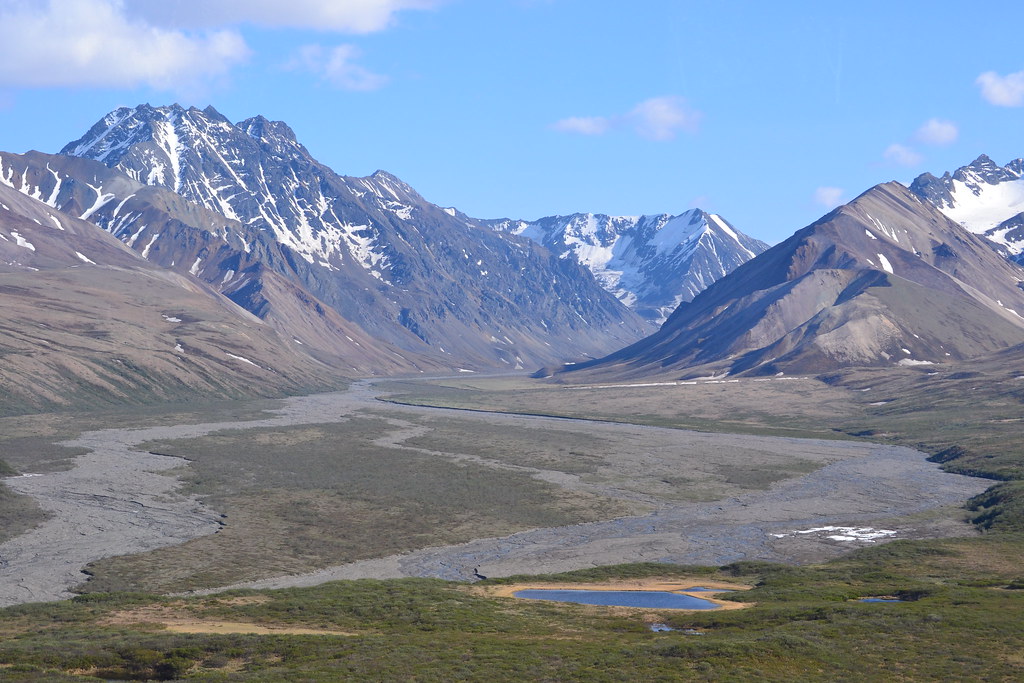
Photo: larrywkoester via Flickr (CC BY 2.0)
Our Denali National Park Perfect plan starts at dawn beside Horseshoe Lake, where cool air settles over the water and a beaver lodge breaks the reflection of the spruce-covered ridges. Gravel shifts underfoot on the lakeshore, loons carry across the basin, and the steep climb back toward the park entrance quickly warms cold hands.
A productive weekend requires two nights near the park entrance and careful use of the park bus system. Denali encompasses roughly six million acres, while its single road provides the main visitor corridor into the Alaska Range. This itinerary uses Friday evening for orientation, Saturday for the deepest available road journey, and Sunday for a trail before returning toward Anchorage or Fairbanks.
Denali National Park: The Perfect Weekend Itinerary at a Glance
The sequence matters because the park road bus consumes most of a day and operates on a reservation-based schedule during the primary visitor season. Placing that excursion on Saturday leaves Friday for arrival delays and Sunday for an activity with flexible timing. It also avoids attempting a strenuous hike before several hours on a bus, where muddy footwear, wet clothing, and tired legs become uncomfortable.
Why Two Nights Are the Practical Minimum
Travelers driving from Anchorage should allow roughly 4.5 to 5 hours for the approximately 240-mile trip on the Parks Highway, excluding stops. Fairbanks is about 120 miles from the entrance, usually a 2 to 2.5-hour drive. Construction, RV traffic, wildlife, and photography stops can lengthen either journey. Arriving Friday by midafternoon creates enough time to check in, visit the entrance area, and complete a short hike before dinner.
Weekend Route and Time Commitments
| Day | Main stop | Primary highlight | Travel commitment |
|---|---|---|---|
| Friday | Park entrance and Riley Creek area | Visitor orientation and Horseshoe Lake | Arrival drive plus 10 to 15 minutes of local travel |
| Saturday | Denali Park Road | Wildlife viewing and Alaska Range scenery | Most of the day aboard a park bus |
| Sunday | Savage River or Mount Healy area | Half-day hike before departure | Flexible morning, followed by the return drive |
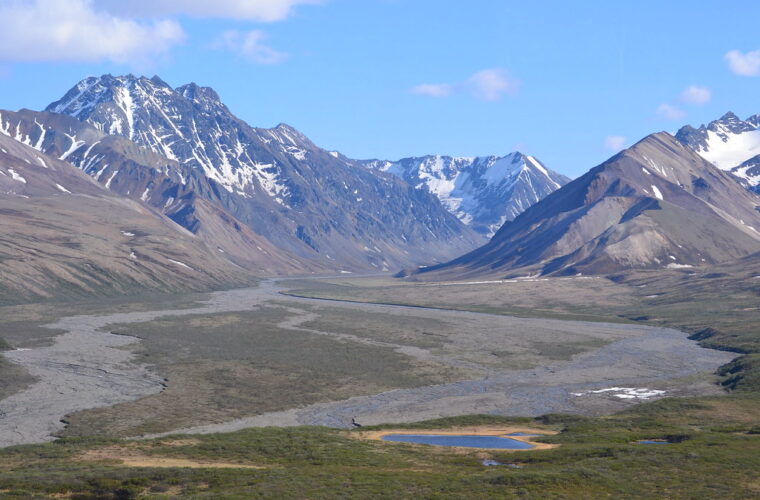
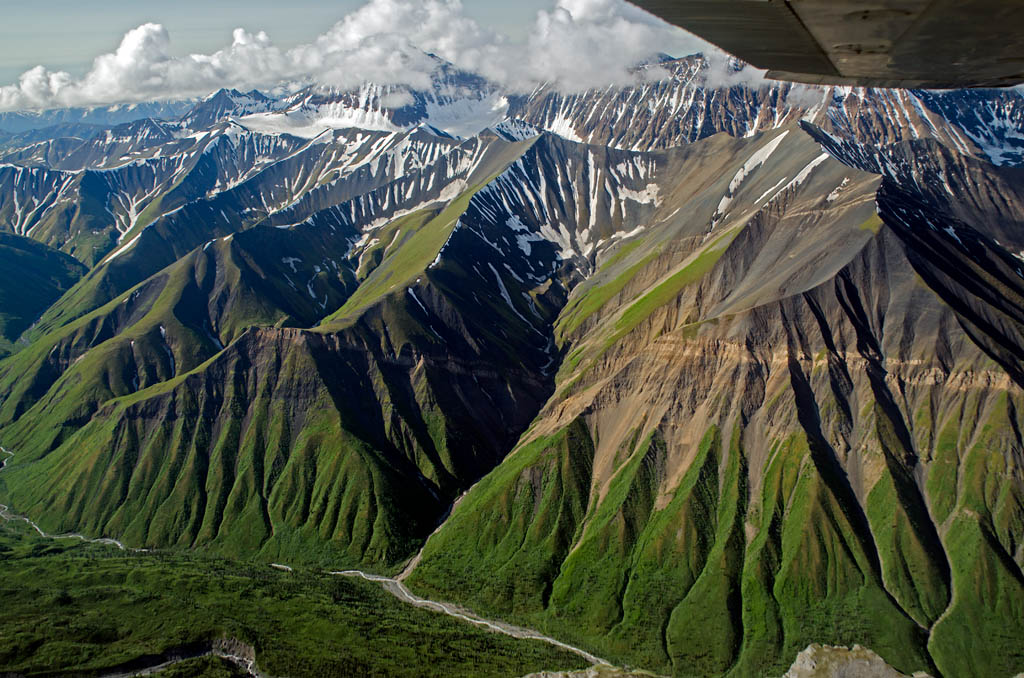
Mount Denali, at 20,310 feet, is often hidden by cloud even when conditions around the entrance are clear. The itinerary therefore prioritizes the landscape and wildlife rather than making a mountain sighting the measure of success. Braided rivers, glacial valleys, tundra, Dall sheep habitat, and possible sightings of caribou, moose, bears, or wolves justify the road journey regardless of visibility.
How Access Shapes a Denali National Park Perfect Plan
Denali has one principal road extending west from the Parks Highway. Private vehicles can generally travel only through the entrance district and as far as Savage River during the main summer season. Farther travel depends on park buses and the portion of road currently open. Landslide work near Pretty Rocks has altered access in recent years, so confirm current road limits, bus destinations, reservations, fees, and operating dates on the official park site.
Choosing Between Transit and Narrated Buses
Transit buses suit independent visitors who want flexibility to disembark where permitted and board a later vehicle with available space. Narrated tour buses provide structured interpretation and a defined turnaround, which is useful for a first visit or for travelers uncomfortable planning a largely trail-free outing. Bus windows open for photography, but dust can enter on dry days. Keep warm layers, rain protection, food, and binoculars accessible rather than buried beneath the seat.
Reserve the Longest Trip Your Weekend Can Support
Choose a Saturday departure that travels as far into the currently open corridor as your stamina allows. Habitat changes noticeably with distance: dense white spruce around the entrance gives way to open tundra, river bars, and broad slopes where animals are easier to spot. Drivers typically pause for visible wildlife, although sightings are never guaranteed. Early departures also provide softer light and leave more recovery time that evening.
Arriving by Car or Train
A car provides the easiest access to lodging in Healy, groceries, and trailheads near the entrance. The seasonal passenger train stops close to the visitor district, but its timetable can consume much of an arrival or departure day. Rail travelers should choose lodging with practical station transportation and avoid assuming that every entrance-area service is walkable with luggage. Spring road access develops incrementally, as illustrated by our report on the seasonal opening of Denali Park Road to Teklanika.
Where to Sleep, Eat, and Resupply
The best base depends on whether convenience or price matters more. Staying near the park entrance reduces morning travel before an early bus. Healy, a small community north of the park, generally provides a broader range of cabins, roadside lodging, groceries, and fuel, but requires extra driving each day. Campers can consider developed park campgrounds, although access rules differ and some locations require bus transportation or minimum stays.
Entrance Area Versus Healy
The commercial area near the entrance is often called Nenana Canyon. Its steep-sided location along the Nenana River places travelers close to park transportation and visitor facilities, making it efficient for a two-night stay. Healy lies about 11 miles north and works better for travelers who want a kitchen, larger grocery runs, or a quieter setting away from the busiest visitor corridor. Friday evening traffic can make that short distance slower than expected.
Fuel, Food, and Connectivity
- Fuel: Fill the tank before the Saturday bus day and before leaving for long drives toward Anchorage or Fairbanks.
- Bus food: Carry a complete lunch, substantial snacks, and water. Food availability disappears once the bus moves beyond the entrance district.
- Weather protection: Pack a waterproof shell, insulating layer, hat, and gloves, even in midsummer. Wind across open tundra can feel markedly colder than conditions near lodging.
- Connectivity: Download maps, reservations, and lodging directions in advance. Mobile coverage weakens quickly inside the park.
- Wildlife viewing: Bring binoculars of at least 8x magnification. Animals viewed safely from the road may appear as small shapes against enormous slopes.
Friday Arrival for the Perfect Denali National Park Weekend
Plan to reach the entrance by midafternoon. Begin with the main visitor area to understand road access, trail conditions, and wildlife closures, then locate the exact bus boarding point needed the following morning. Denali’s entrance sits within boreal forest at roughly 1,700 feet, far below the alpine terrain reached farther west. Mosquito activity can be intense from June into July, particularly around standing water and sheltered forest.
Horseshoe Lake as the First Hike
The Horseshoe Lake Trail is an effective arrival walk because its trailhead is near the entrance and the route is approximately 2 miles round trip. The path descends about 250 feet through spruce forest to an oxbow-shaped lake beside the Nenana River. Beaver dams, gnawed trees, waterfowl, and occasional moose sign provide an immediate introduction to the park’s low-elevation ecology. Save energy for the climb back to the trailhead.
Alternative for a Late or Wet Arrival
If weather or timing rules out Horseshoe Lake, use the entrance-area paths around Riley Creek and the visitor facilities instead. These shorter walks help identify bus stops and reduce the chance of a rushed Saturday departure. Prepare the next day’s lunch, fill water bottles, charge camera batteries, and place rain gear at the top of the daypack before sleeping.
Saturday: Read the Park Road as a Wildlife Corridor
Board with everything needed until the bus returns, then treat the outward journey as the main event rather than waiting for a single viewpoint. The road follows several ecological zones, beginning in spruce forest before crossing river valleys and increasingly open tundra. Scan willow thickets for moose, gravel bars for wolves, and high pale slopes for Dall sheep. Grizzly bears often appear as moving dots well before their shape becomes obvious, so use binoculars to investigate unusual patches of color.
Understand What You Are Seeing
The Teklanika and East Fork rivers occupy broad beds because glacial streams divide repeatedly around shifting gravel bars. Farther west, historic road destinations include Sable Pass, Polychrome Pass, and the Toklat River, although construction limits may place some beyond the weekend’s reachable corridor. Polychrome’s reds, yellows, and grays come from volcanic rocks altered by heat and groundwater. These exposed slopes also make distant animals easier to detect than they are among the entrance forest’s black spruce.
Separate Essential Stops From Optional Detours
- Prioritize: Every scheduled rest stop, open tundra view, and wildlife pause offered during the bus journey.
- Use extra time for: A short walk from an approved drop off point, provided you understand where and how to reboard.
- Skip when tired: An evening hike after returning. Wildlife observation requires sustained concentration, and an early bus departure makes Saturday long.
Keep Saturday Evening Simple
Return to the same entrance area or Healy lodging for the second night rather than changing accommodations. A room transfer wastes the evening and complicates luggage storage during the bus trip. Use the remaining daylight for dinner, drying damp layers, and reorganizing for Sunday. If energy remains, walk a short section of the Roadside Trail between the visitor district and sled dog area instead of committing to another steep route.
Build Sunday Around Fitness, Weather, and Departure Direction
Sunday’s flexible schedule protects the Denali National Park Perfect weekend from poor visibility or Saturday delays. Travelers returning to Fairbanks can usually devote a longer morning to hiking because their drive is shorter. Anyone bound for Anchorage should start early and establish a firm turnaround time. The Parks Highway includes slow sections, limited passing opportunities, and tempting stops, including Broad Pass and viewpoints near the Alaska Range.
Choose One Trail, Not Several
Mount Healy provides the strongest workout near the entrance, while Savage River offers a shorter walk in more open terrain. The Savage Alpine Trail requires transportation planning because it connects separate trailheads. Strong winds and low cloud can make its exposed ridge unpleasant even when the entrance feels calm. Compare the realistic commitments before deciding:
| Trail | Distance | Elevation and terrain | Travel from entrance |
|---|---|---|---|
| Savage River Loop | About 2 miles round trip | Mostly gentle river corridor | Roughly 30 to 40 minutes each way |
| Mount Healy Overlook | About 5.4 miles round trip | Approximately 1,700 feet of gain | Minimal local travel |
| Savage Alpine Trail | About 4.1 miles one way | Approximately 1,500 feet of gain | Requires a trailhead transfer |
Rewrite the Schedule for the Season
Late May can bring lingering snow, muddy tread, and partially developed park road access. June has extremely long daylight and active nesting birds, along with abundant mosquitoes. July generally provides the warmest conditions but also the greatest demand for buses and rooms. By late August, dwarf birch and bearberry turn red across the tundra, nights become colder, and daylight contracts quickly. September can deliver clear air and fresh snow, but many seasonal transportation and lodging services begin closing.
Use an Entrance Based Plan Outside Bus Season
When buses are not operating, replace the deep road day with entrance trails, ranger programs when available, and driving only as far as conditions permit. Winter visitors should expect packed snow, severe cold, and very limited daylight. Snowmobile access also depends on adequate snow cover, as explained in our report about seasonal snowmobile closures in Denali.
Gear & Essentials
Tell us about your trip and we will add what else you will want:
The basics
Worth having in the car whatever the park.
For this trip
Traveling with kids
Bringing a pet
RVing
Backcountry
Winter conditions
On the water
Photography
Accessibility
As an Amazon Associate we earn from qualifying purchases, at no extra cost to you.
Make Two Nights Count on Your Perfect Denali National Park Itinerary
The most reliable weekend uses Friday for orientation and Horseshoe Lake, Saturday for the longest practical park road experience, and Sunday for one carefully chosen hike. That order protects the reservation dependent activity, limits unnecessary driving, and leaves room to respond to rain, wind, or low cloud. Staying in one place both nights also keeps an already compressed schedule from becoming a sequence of checkouts and luggage transfers.
Success here comes from matching the plan to Denali’s scale. Carry a full day’s supplies on the bus, watch entire hillsides through binoculars, and choose Sunday’s trail according to the weather rather than ambition alone. Denali may withhold its highest summit, but the braided rivers, tundra wildlife, boreal forest, and Alaska Range foothills still fill a weekend with experiences specific to this immense northern park.
Want to keep exploring? Browse all our Denali guides and articles for more trip-planning tips and ideas.