How to Plan a Kenai Fjords National Park Boat Tour and Wildlife Adventure
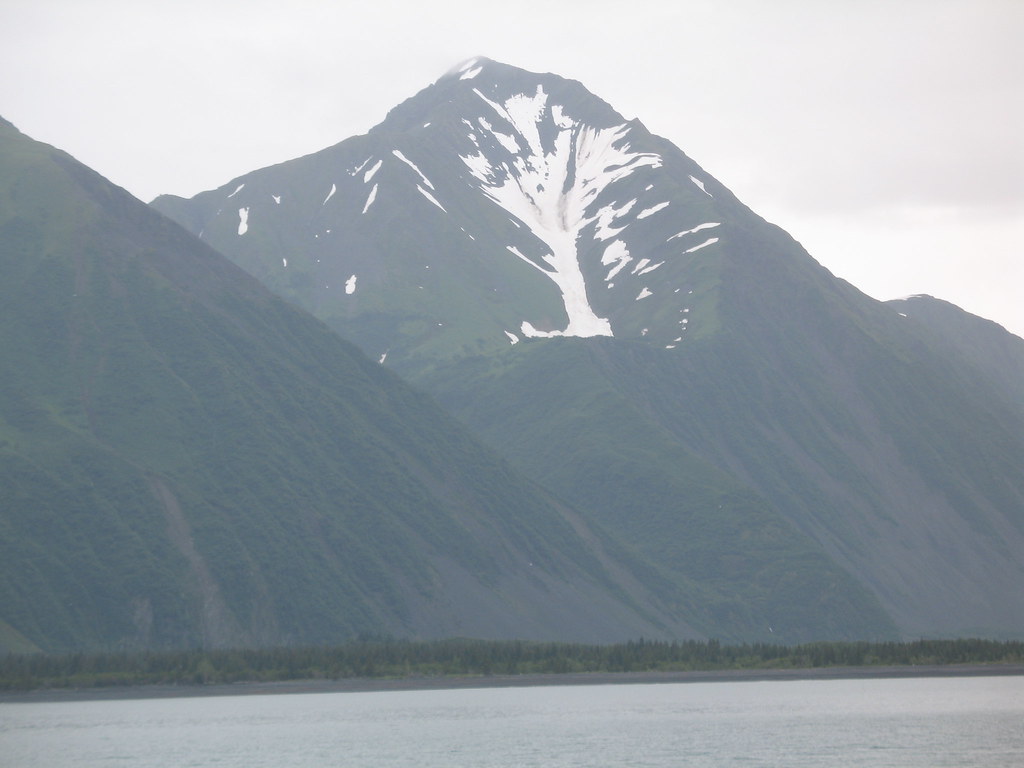
Photo: dmcdevit via Flickr (CC BY-SA 2.0)
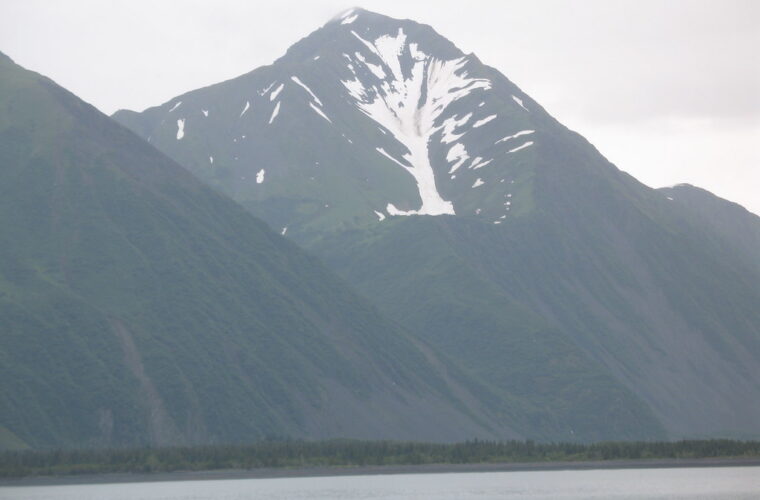
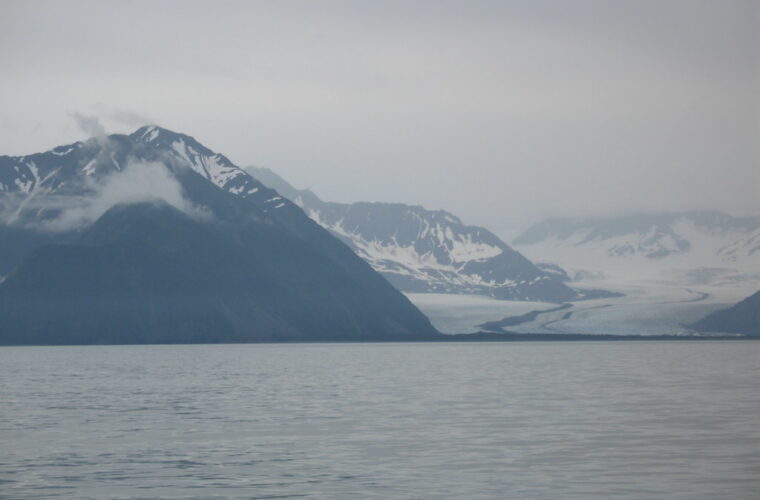
Learning how to plan a Kenai Fjords National Park boat tour begins with a counterintuitive fact: much of the park cannot be reached by road or trail. The Harding Icefield, coastal mountains, and tidewater glaciers turn the Gulf of Alaska shoreline into a maze of steep fjords, so a boat is the primary way to see the park’s marine wildlife and glacier-carved coast.
Most cruises leave Seward’s small-boat harbor, roughly 126 road miles south of Anchorage, then travel through Resurrection Bay toward Aialik Bay, the Chiswell Islands, or Northwestern Fjord. The route determines how much time you spend in protected bay water, exposed Gulf of Alaska swells, wildlife habitat, and active glacier country.
Start with the park’s marine geography
Kenai Fjords National Park covers approximately 670,000 acres around the Harding Icefield and the deeply cut coastline west of Seward. Nearly 40 glaciers flow from the icefield, including tidewater glaciers that terminate in seawater. These glacial valleys continue below the surface, creating deep channels where cold, nutrient-rich water supports plankton, forage fish, seabirds, seals, and whales.
Seward is the practical gateway
Seward lies at the head of Resurrection Bay and is accessible from Anchorage by the Seward Highway. Allow about 2.5 to 3 hours without long stops, though summer construction, wildlife, and viewpoint traffic can extend the drive. Cruise departure times often make an overnight stay in Seward more practical than driving from Anchorage that morning. Check-in, parking, boarding procedures, tour lengths, and current park requirements vary, so confirm them on the official park site and with the tour operator.
Resurrection Bay provides a relatively protected opening to the trip. Sea otters may appear near the harbor and rocky shorelines, while bald eagles perch above coves. As boats approach Cape Resurrection, conditions can change quickly because the route meets open Gulf of Alaska water. Wind against ocean swell can produce short, closely spaced waves even on clear days.
The fjords are separate wildlife corridors
Aialik Bay is the principal destination for many full-day trips. Its protected arms lead toward Aialik Glacier and Holgate Glacier, with harbor seals commonly associated with floating ice and mountain goats sometimes visible on steep slopes. Longer routes may continue toward Northwestern Fjord, where retreating glaciers, exposed rock, and less boat traffic create a more remote setting.
The Chiswell Islands sit offshore within the Alaska Maritime National Wildlife Refuge. Their cliffs provide nesting habitat for black-legged kittiwakes, common murres, horned puffins, tufted puffins, and several cormorant species. Steller sea lions gather at established haulouts in this area, making the islands one of the region’s most dependable wildlife zones.
Choose a tour by route rather than advertised duration
A short cruise and a long fjord expedition provide fundamentally different experiences. Shorter outings concentrate on Resurrection Bay, where scenery and wildlife can be productive but tidewater glacier access is limited. Full-day cruises cross more exposed water and reach the park’s glacier-lined fjords. Small-vessel trips may spend longer observing individual animals, while larger vessels generally provide more indoor space and stability.
Compare the main boat-tour patterns
| Tour pattern | Typical area | Strongest features | Main tradeoff |
|---|---|---|---|
| Half-day bay cruise | Resurrection Bay and nearby coast | Sea otters, eagles, coastal geology, shorter time afloat | Usually does not reach the major tidewater glaciers |
| Full-day fjord cruise | Chiswell Islands and Aialik Bay | Seabird colonies, sea lions, whales, harbor seals, active glaciers | More exposure to ocean swell |
| Extended small-vessel trip | Aialik Bay, Northwestern Fjord, or less-visited coves | Flexible observation time and access to quieter water | Higher cost and fewer indoor facilities |
Decide how much motion and weather exposure you can tolerate
The roughest segment is commonly the crossing outside Resurrection Bay near Cape Resurrection and the Chiswell Islands. Travelers prone to seasickness should choose a larger vessel, sit near the center on a lower deck, eat a light meal, and begin any preferred motion-sickness treatment according to its instructions. Waiting until nausea begins is often too late.
Weather protection matters even in midsummer. Air flowing off glaciers can feel sharply colder than conditions in Seward, and spray reaches exterior decks during windy crossings. Pack clothing that can be added quickly rather than relying on one heavy coat.
- A waterproof shell with a hood
- A warm fleece or insulated mid-layer
- A close-fitting hat and light gloves
- Rubber-soled shoes with secure traction
- Binoculars in the 8x or 10x range
- A dry bag or sealed pouch for electronics
- Sun protection, since glare reflects from water and ice
Look for wildlife by habitat, not by checklist
Wildlife sightings become easier to interpret when you understand where animals feed, rest, and breed. Captains often investigate circling birds, current lines, and groups of other vessels because those clues can indicate schooling fish or feeding whales. Glacier fronts attract a different community from offshore islands, and wooded coves favor different species again.
Open water holds whales and porpoises
Humpback whales enter the region primarily to feed on krill and schooling fish. Watch for blows, dark backs, and flukes around the mouth of Resurrection Bay, the Chiswell Islands, and entrances to Aialik Bay. Orcas also travel through these waters, sometimes in family groups. Dall’s porpoises may approach a moving boat and ride its pressure wave, while fin and minke whales are less predictable.
Bird activity can reveal feeding whales before a blow is visible. Kittiwakes, gulls, and shearwaters gathering tightly over one patch of water often indicate prey near the surface. Keep scanning beyond the birds because a whale may surface hundreds of feet from the center of the feeding activity.
Cliffs and rocky islands support dense colonies
The Chiswell Islands combine narrow ledges, sea caves, and steep rock walls that offer protection from many land predators. Puffins nest in crevices or burrows, common murres crowd bare ledges, and Steller sea lions use exposed rocks as haulouts. Sea lions can be heard before they are clearly visible, especially when wind carries their calls across the water.
Harbor seals favor quieter coves and floating glacier ice. Unlike the much larger Steller sea lion, a harbor seal has no external ear flaps and often rests alone or in loose groups. Boats must give hauled-out and ice-resting animals space because repeated disturbance forces them into cold water and wastes energy needed for nursing and molting.
Glacier fronts create a cold, shifting habitat
Near Aialik Glacier, the water often changes color as suspended glacial sediment turns it gray-green. Ice fragments knock softly against the hull, cold air drains down the valley, and the glacier’s face fills the head of the fjord. A calving event may begin as a crack like distant thunder, followed seconds later by falling ice and a rolling wave. The delay helps convey the glacier’s scale and the safe distance the vessel maintains.
Mountain goats may appear as white specks on cliffs above Aialik Bay, where steep terrain reduces exposure to predators. Black bears occasionally forage along lower shorelines, particularly where vegetation meets the tide zone. Binoculars are essential because responsible vessels cannot approach land closely enough to turn these sightings into guaranteed encounters.
Match the trip to the wildlife season
The main boat-tour season generally runs from spring into early fall, but wildlife behavior changes across that period. Migratory whales and seabirds build in number during late spring, nesting colonies become busiest in early summer, and late summer can bring concentrated feeding activity. Fog, rain, wind, and rough water remain possible throughout the operating season.
| Period | Likely highlights | Conditions to expect |
|---|---|---|
| May to mid-June | Returning humpbacks, active seabird colonies, snow-covered mountains | Cold decks, lingering snow, variable migration timing |
| Late June to July | Puffin nesting activity, sea lions, harbor seals, long daylight | Busy departures and rapidly changing coastal weather |
| August | Feeding whales, fledging seabirds, increased glacier melt and runoff | More rain and occasional late-season storms |
| September | Fewer boats, autumn color on lower slopes, continued marine wildlife | Shorter days and a greater chance of rough crossings |
May and June favor migration and nesting activity
Late spring provides long daylight and strong visual contrast between dark coastal rock and snow-covered peaks. Puffins return to breeding colonies, murres pack onto narrow ledges, and humpbacks arrive from lower-latitude wintering grounds. Individual arrival dates vary with ocean conditions and prey availability, so early-season visitors should value the complete ecosystem rather than depend on one target species.
July through September brings feeding and weather tradeoffs
July usually provides the broadest overlap of nesting seabirds, marine mammals, and accessible fjord routes. By August, juvenile birds begin leaving colonies and whales may feed intensively where currents concentrate fish. September can feel quieter on the water, but shorter daylight and stronger weather systems reduce scheduling flexibility. Build a spare day into an Alaska itinerary when a particular fjord route is a priority.
Read animal behavior before reaching for the camera
Feeding, resting, and defensive behavior provide better clues than species lists. A humpback repeatedly diving beneath circling kittiwakes may remain in one productive patch, while an orca group traveling in a straight line can cover several miles quickly. Harbor seals lying flat on ice are conserving energy. Raised heads, repeated glances toward the vessel, or movement toward the water indicate that an animal has become alert to the boat.
Follow the food web
Spring plankton growth supports krill and forage fish, including capelin, sand lance, herring, and juvenile pollock. Those fish draw murres, puffins, sea lions, and humpback whales into the same current lines. Tide rips around the Chiswell Islands and fjord entrances concentrate prey, so several species may feed within one small area. Binoculars help identify tight bird clusters before larger animals become visible.
Recognize nursery and resting habitat
Floating ice near tidewater glaciers gives harbor seals a platform with fewer terrestrial predators. Pups are generally born during late spring and early summer, making quiet observation especially important. Steller sea lions use established rocky haulouts, while puffins return repeatedly to nesting crevices with fish held crosswise in their bills. Repeated approaches by boats can interrupt nursing, resting, and chick provisioning even when animals do not immediately flee.
Photograph wildlife without disturbing it
A telephoto lens between 300mm and 500mm is more useful than asking a captain to move closer. Keep both eyes open while tracking whales because a second animal may surface outside the viewfinder. For glacier scenes, a wider lens in the 24mm to 70mm range captures the relationship between ice, mountains, and water. Protect equipment from spray with a rain cover rather than changing lenses on an exposed deck.
Use settings suited to a moving vessel
| Subject | Useful starting point | Practical cue |
|---|---|---|
| Flying puffin or murre | 1/1600 second or faster | Track the bird before pressing the shutter |
| Whale surfacing | 1/1000 second | Focus near the last blow or footprint |
| Seal on ice | 1/500 second | Expose for pale ice to preserve detail |
| Glacier face | 1/250 second or faster | Include the waterline to show scale |
Auto ISO and continuous autofocus compensate for vibration, changing light, and subject movement. Use burst mode selectively, then lower the camera and scan. A whale’s dive sequence often begins with several shallow breaths followed by an arched back and raised fluke. Learning that pattern produces better photographs than continuously aiming at empty water.
Keep the encounter animal led
Passengers should never pressure the crew to intercept wildlife or remain beside an animal that is changing direction to escape. Avoid shouting, feeding birds, or using playback calls. Federal rules prohibit launching or landing drones within national park boundaries, and aircraft can disturb seabird colonies and marine mammals. Responsible wildlife practice includes these simple habits:
- Keep hands, food, and loose equipment inside the vessel.
- Use optical zoom rather than leaning over rails.
- Leave resting animals enough space to remain settled.
- Follow crew instructions immediately near glaciers and wildlife.
- Record location notes after the encounter rather than blocking deck space.
Frequently Asked Questions
These practical questions often determine which cruise works best. When learning How to Plan a Kenai Fjords National Park trip, match the route to your group’s stamina, motion tolerance, and wildlife priorities rather than selecting solely by price.
How long should a Kenai Fjords boat tour be?
Allow a full day if tidewater glaciers, the Chiswell Islands, and varied marine wildlife are priorities. Shorter Resurrection Bay trips suit travelers with limited time or serious concerns about open-ocean motion.
Are boat tours suitable for children?
Many are, but several hours of cold wind, engine noise, and limited movement can be difficult for young children. Choose a vessel with indoor seating and bring warm layers, quiet activities, snacks, and any required child safety equipment.
Can dogs go on a wildlife cruise?
Pets are generally unsuitable for commercial wildlife cruises, and operator policies differ. Service-animal arrangements require advance discussion because vessels have narrow passages, exterior decks, and limited relief options.
Will I definitely see whales?
No wild species is guaranteed. Aialik Bay and the waters near the Chiswell Islands provide productive habitat, but prey distribution, migration timing, visibility, and sea conditions determine where whales appear each day.
Do I need a separate park permit?
Passengers on standard commercial cruises generally book through the operator rather than obtaining an individual boating permit. Review the National Park Service Kenai Fjords information when planning private boating, camping, kayaking, or other independent travel.
Build flexibility into the wildlife day
The strongest plan pairs a full-day route with an overnight stay in Seward and leaves room elsewhere in the itinerary for weather delays. Pack for cold spray, organize binoculars before departure, and keep essential medication accessible rather than inside checked luggage. Once aboard, use seabird activity, current lines, rocky haulouts, and floating ice to understand why wildlife gathers in particular places.
A successful Kenai Fjords trip also depends on restraint. Let the captain control distance, watch for changes in animal behavior, and photograph with enough reach to preserve undisturbed feeding and rest. That approach produces a richer view of the park’s connected system, from icefield sediment and plankton to forage fish, seabird colonies, seals, sea lions, and feeding whales.
Want to keep exploring? Browse all our Kenai Fjords guides and articles for more trip-planning tips and ideas.
Gear & Essentials
Tell us about your trip and we will add what else you will want:
The basics
Worth having in the car whatever the park.
For this trip
On the water
As an Amazon Associate we earn from qualifying purchases, at no extra cost to you.