





How to Visit Channel Islands National Park: Ferries, Hiking, Wildlife, and Essential Tips
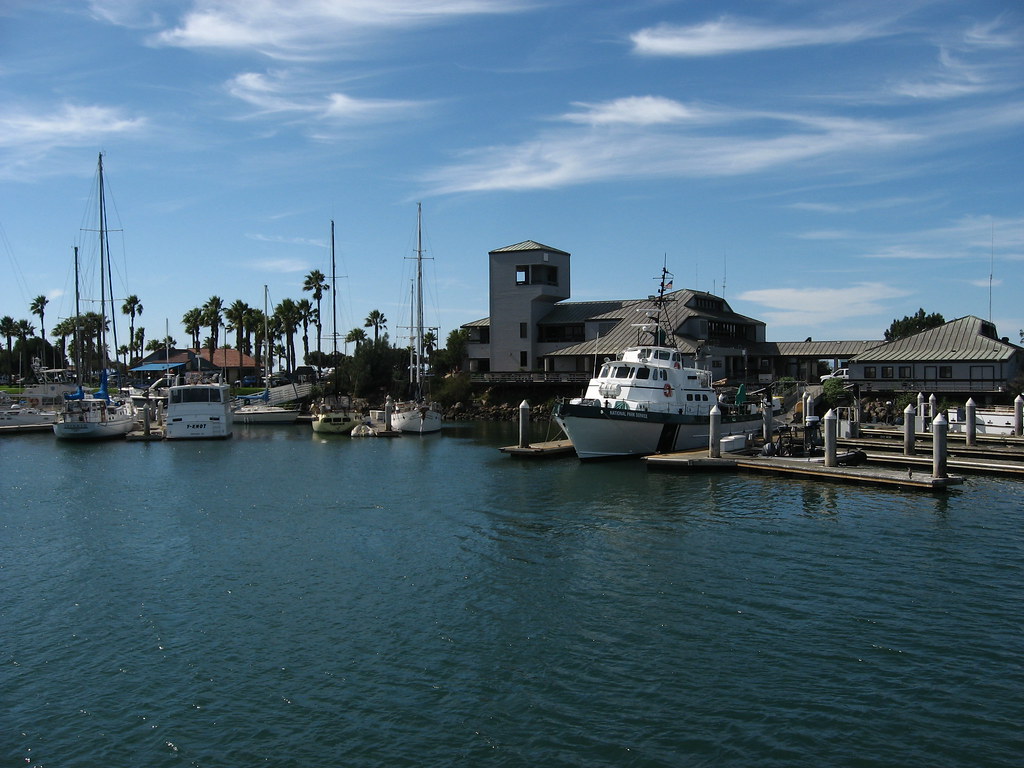
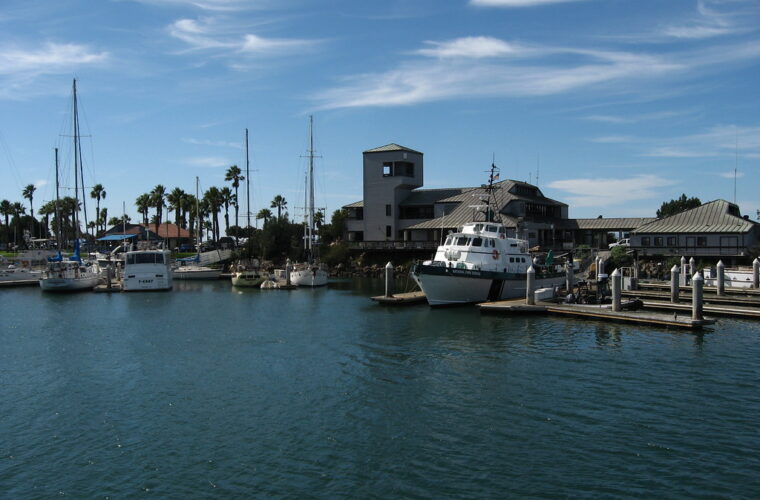
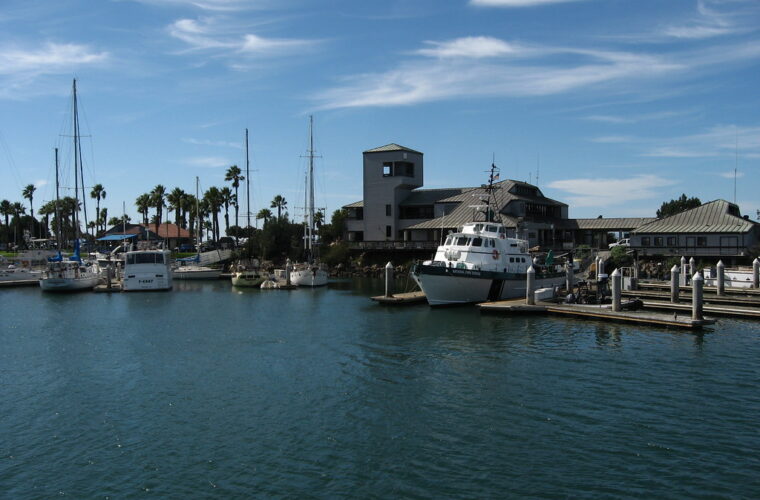
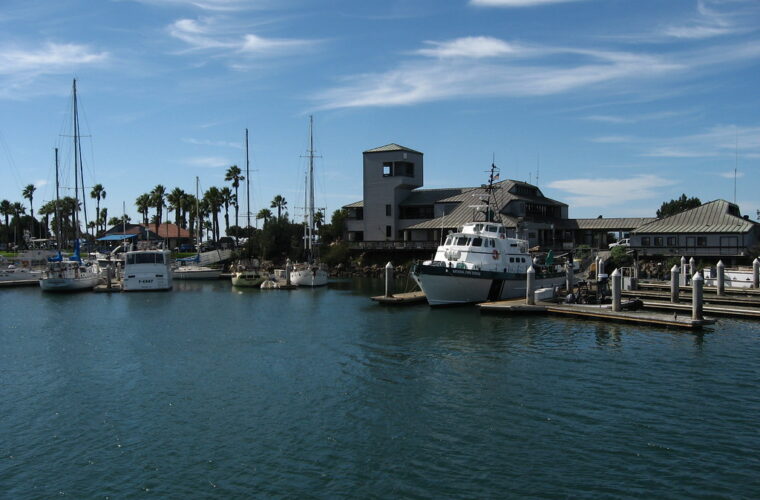
Photo: Ken Lund via Flickr (CC BY-SA 2.0)
How to Visit Channel Islands National Park becomes clear once you accept the park’s central fact: there are no roads, bridges, stores, or casual drive through stops on the islands. Reaching most trailheads requires a boat crossing from the Ventura area, and the return boat dictates when your hiking day ends. That constraint creates a rare kind of national park visit, one planned around tides, boarding times, wind, and the miles you can cover on foot.
The park protects five islands off the Southern California coast: Anacapa, Santa Cruz, Santa Rosa, San Miguel, and Santa Barbara. Most first visits focus on East Santa Cruz Island or Anacapa Island because regular concessioner boats serve them from Ventura Harbor. Santa Cruz is the largest California island, with long ridge walks, sea caves, endemic island foxes, and routes ranging from short bluff walks to full day hikes. Anacapa is smaller, steeper, and especially useful for visitors with limited time who want coastal views and seabird habitat.
Choose an Island That Matches Your Available Time and Hiking Ability
East Santa Cruz Island gives hikers the broadest range of routes
Boats arriving at Scorpion Anchorage on East Santa Cruz Island put visitors near the park’s most accessible trail network. From the pier, the main paths climb quickly away from the campground and shoreline toward open grassland, coastal sage scrub, and high bluffs. The island’s highest point, Devils Peak, reaches 2,450 feet, though the standard day hikes from Scorpion stay well below that elevation. Trails remain exposed for long stretches, and the rolling terrain produces more accumulated climbing than route maps sometimes suggest.
Scorpion Anchorage is the best choice for a first hiking centered visit because several routes begin from the same landing area. The short Cavern Point Loop reaches sea cliffs without consuming the day. The longer Smugglers Cove route crosses a ridge and drops to a secluded beach on the south side of the island. Scorpion Canyon provides a gentler inland option, though its character depends on recent rainfall. Spring grasses can be high and green, while late summer brings dry slopes and very little shade.
Anacapa Island works well for a shorter, stair heavy outing
Anacapa consists of three narrow volcanic islets separated by channels, with visitor landings on East Anacapa. The landing is memorable for practical reasons: passengers disembark at a dock below the island and climb roughly 150 stairs to the plateau. From there, a paved path travels across the island’s flat top toward Inspiration Point, the lighthouse area, and overlooks above Arch Rock. The main route is short, but the stairs, wind exposure, and uneven transfer between boat and dock can make it unsuitable for some travelers.
The island’s geology is visible in the dark basalt cliffs, remnants of volcanic activity beneath the sea millions of years ago. Anacapa’s cliffs also support nesting western gulls, Brandt’s cormorants, pelicans, and other seabirds. During nesting season, birds may occupy paths and low vegetation, so stay on designated walkways and give them room. The compact trail system makes Anacapa a strong choice for visitors who want marine wildlife and ocean views without committing to the longer mileage common on Santa Cruz.
Plan the Boat Crossing and Mainland Arrival Before Choosing a Trail
Use Ventura Harbor as the starting point for most visits
Island Packers is the authorized boat concessioner for most public trips to the islands, departing primarily from Ventura Harbor. Crossing times vary by island and sea conditions, but Anacapa and Scorpion Anchorage are commonly reached in about an hour, while Santa Rosa requires a much longer crossing. Boats can sell out far ahead for spring weekends, summer dates, and holiday periods. Reserve transportation before building an itinerary, then select a trail that fits the time between island arrival and the required return boarding.
Arrive early enough to park, collect any reserved tickets, organize gear, and hear the crew’s boarding instructions without rushing. Ventura Harbor has public parking, but parking arrangements and boat schedules are operational details that can change, so confirm current details on the official park site and with the concessioner when finalizing your trip. Bring all food, water, layers, and medications from the mainland. There are no restaurants or convenience stores at Scorpion Anchorage, and island drinking water availability should never be assumed for a day hike.
Expect a working boat landing rather than a conventional trailhead
At Scorpion Anchorage, visitors step from the boat onto a floating dock, then walk up a ramp to the pier and trail junctions. Loading and unloading depend on sea state, and the crew may ask passengers to move promptly while carrying their own bags. Keep hands free where possible, secure hats, and avoid packing loose items into open tote bags. People prone to motion sickness should take medication before departure according to its directions, rather than waiting until the crossing is underway.
Every island day trip has a firm pickup time. Return to the landing well before boarding, especially if you have hiked to Smugglers Cove or explored a route with several ridge climbs. Cell service can be inconsistent, and there is no practical way to arrange a late pickup from a distant beach or trail junction. Download maps before departure, carry a paper map as backup, and tell everyone in your group the turnaround time that protects your return boat.
Start With Trails That Fit the Boat Schedule
Scorpion Anchorage routes range from easy bluffs to a full day cove hike
The routes below begin at or near Scorpion Anchorage on East Santa Cruz Island. Distances are approximate and describe typical out and back or loop travel. Elevation gain matters here because many trails climb abruptly from sea level, descend into drainages, then regain the same ridge on the return. Plan your pace for exposed hills, loose soil, and the effect of sun or wind rather than relying only on mileage.
| Route | Approximate distance | Elevation gain | What to expect |
|---|---|---|---|
| Cavern Point Loop | 2 miles | About 300 feet | Coastal bluffs, broad ocean views, short steep sections |
| Scorpion Canyon Loop | About 4.5 miles | About 400 feet | Inland canyon, island fox habitat, rolling terrain |
| Potato Harbor | About 5 miles round trip | About 500 feet | High bluff trail and a sheltered cove viewpoint |
| Smugglers Cove | About 7.5 miles round trip | About 700 feet | Long exposed ridge, steep descent to a south shore beach |
Cavern Point Loop is the best first walk after landing
Cavern Point Loop leaves the Scorpion area and climbs west toward the island’s north coast, where uplifted terraces end abruptly at sea cliffs. The route offers a clear look across the Santa Barbara Channel and down toward sea caves carved into the shoreline. In spring, the slopes can hold coreopsis, giant coreopsis, and other seasonal wildflowers. In dry months, the same route is still straightforward to follow, but the dusty surface and lack of shade make water management more important.
At Cavern Point, the cliff edge drops into a broad field of moving water. Underfoot, the trail is firm but dry and pale, with low scrub brushing your calves in places. Wind carries the sharp smell of salt and seabird guano from the cliffs below, and the sound of surf arrives as a low, irregular boom long after waves disappear from view. Stay behind barriers and away from unstable edges, particularly when photographing sea caves or passing another group.
Smugglers Cove requires an early start and a disciplined turnaround
The Smugglers Cove trail climbs from the Scorpion Valley toward a ridge, then descends roughly 500 feet to the beach. The downhill portion feels easy on the way out, but the return climb arrives late in the day when water, daylight, and boat pickup time are more limited. The cove has historical associations with ranching and fishing activity, and its south facing shore often feels warmer and calmer than the north coast. Do not assume that conditions at the beach reflect conditions on the exposed ridge above it.
Pack for Wind, Sun, and a Self Sufficient Island Day
Carry more water and sun protection than the map suggests
Channel Islands weather is shaped by the Pacific, but cool marine air does not eliminate dehydration. Trails on East Santa Cruz commonly have little shade, and wind can mask how much fluid you are losing. A reusable bottle is essential, but longer hikes call for a meaningful water capacity rather than a single small bottle. Wear sun protective clothing, bring sunscreen, and use a hat that can be secured in gusts. Closed toe shoes with tread are useful on dusty slopes and loose rock.
- At least two liters of water per person for shorter walks, with more for longer exposed routes and warm days
- High calorie food that remains edible in a daypack, including salty snacks for warm conditions
- A windproof outer layer, even when the mainland forecast looks warm
- Offline maps, a paper map, and a fully charged phone carried in a protective case
- Motion sickness medication if needed, plus personal first aid supplies and required medications
- A sealable bag for all trash, since visitors must pack out food scraps and litter
Expect seasonal changes in grass, wind, and trail footing
Late winter through spring is generally the greenest hiking period, particularly after substantial rain. Wildflowers can appear across Santa Cruz Island’s grasslands, and migratory birds add activity to the coast. Rain also creates slick clay sections, and strong wind can make exposed ridges feel considerably colder than Ventura. Summer usually brings drier trails, clearer patterns for boat travel, and persistent afternoon wind. Fall can offer warm water and fewer visitors, while winter crossings may be rougher and weather cancellations become more likely.
Give endemic wildlife space on every trail
Island foxes are common around Scorpion Anchorage and along nearby trails. Santa Cruz Island foxes are a distinct subspecies, smaller than mainland gray foxes and found nowhere else. They may approach campsites or picnic areas in search of food, but feeding wildlife changes their behavior and harms the ecosystem. Keep every food item secured, including fruit peels and snack crumbs. Watch for island scrub jays in oak woodland and ravines, and scan offshore for California sea lions, harbor seals, common dolphins, and migrating gray whales in winter and spring.
Manage the Terrain, Weather, and Return Timing
Build a turnaround time into every route
On Santa Cruz Island, the return journey matters as much as the outbound hike. Set a turnaround time before leaving Scorpion Anchorage, then treat it as fixed even if you have not reached your intended viewpoint. Smugglers Cove is the route where this discipline matters most, since the final return includes a sustained climb from the beach before the walk back through Scorpion Valley. Add time for photographs, wildlife stops, water breaks, and the slower pace that often comes with wind on exposed ridges.
Stay on signed trails and avoid shortcutting switchbacks. Island soils are easily damaged, particularly on steep grassland slopes where thin vegetation holds loose sediment in place. Informal paths also lead hikers toward unstable cliff edges and into habitat used by nesting seabirds. A downloaded map helps at junctions, but it does not replace attention to trail markers, changing weather, and the time remaining before boat boarding.
Know the hazards that matter most on the islands
Heat, wind, steep terrain, and isolation create the most common hiking problems. A cool morning at Ventura Harbor can become a hot, dry afternoon on a south facing slope, while a marine wind can lower the effective temperature on Cavern Point or Potato Harbor. Pace conservatively during the first uphill mile, eat before you feel depleted, and turn around immediately if a member of your group develops dizziness, confusion, nausea, or muscle cramping.
Rattlesnakes occur on Santa Cruz Island, especially during warmer months. Watch where you place hands and feet around rocks, dense vegetation, and trail edges, and give any snake ample space to move away. Do not attempt to move, photograph closely, or harass wildlife. There is limited emergency access on the islands, so a minor ankle injury can become a major logistical issue when several miles separate you from the dock.
Extend the Visit With an Overnight Stay
Camping changes the hiking options on Santa Cruz Island
Camping at Scorpion Canyon gives visitors time to hike after the day boats leave and before the next morning’s arrivals. That extra window is useful for Cavern Point at lower light, a slower Scorpion Canyon walk, or a longer route that would feel rushed during a single ferry day. Campers still need to carry gear from the landing to the campground, so pack with the uphill walk, wind exposure, and limited carrying capacity in mind.
Use hard sided containers or other approved food storage methods when required, because island foxes are adept at investigating unattended packs and food scraps. Keep food, trash, toiletries, and scented items secured whenever you are away from camp. Foxes that obtain human food can lose their natural foraging patterns, and even a small amount of dropped snack food can attract animals to heavily used areas.
Reservations and permits require advance planning
Campgrounds and transportation operate through separate systems, so securing a campsite does not provide a boat ticket, and a ferry reservation does not guarantee overnight space. Weekend camping dates are commonly sought well ahead of spring and summer, particularly when wildflowers are active and sea conditions are favorable. Review the official park website for current campground reservation procedures, backcountry rules, and island specific restrictions before committing to travel dates.
Visitors planning Santa Rosa, San Miguel, or Santa Barbara Island should prepare for a more specialized trip than a standard Scorpion Anchorage day hike. These islands have fewer transportation opportunities, more limited services, and conditions that can affect access. San Miguel in particular has a history of military use and sensitive natural resources, so its visitor requirements may differ from those at Santa Cruz. Match the island to your experience level, available time, and comfort with remote travel.
Frequently Asked Questions
Do I need a reservation to visit Channel Islands National Park?
The park itself does not function like a drive up entrance gate, but most visitors need a reservation with the boat concessioner to reach an island. Camping and some specialized activities may require separate reservations or permits, so check the official park website before booking transportation.
Are dogs allowed on the Channel Islands?
Pets are not allowed on the islands, with limited exceptions for service animals. The restriction protects nesting seabirds, endemic island foxes, native plants, and other wildlife that evolved with few land predators.
How long should I plan for a Channel Islands day trip?
Plan on a full day from arrival at Ventura Harbor through return from the island. The boat crossing, unloading process, required boarding time, and hiking window make even a short trail day substantially longer than its on trail mileage suggests.
Can children hike on Santa Cruz Island or Anacapa Island?
Children who can manage uneven ground and follow safety instructions can enjoy both islands. Anacapa requires climbing about 150 stairs from the landing, while Santa Cruz offers more route choices but includes exposed slopes, steep sections, and no casual option to leave early.
What is the best month to see whales?
Gray whales are commonly seen in the Santa Barbara Channel during winter and spring migration, while blue whales and humpback whales are often associated with the warmer water period of summer into early fall. Sightings depend on migration timing and sea conditions, so no month guarantees wildlife encounters.
Finish the Day With a Plan That Leaves Margin
Learning how to visit Channel Islands National Park starts with choosing an island and trail that fit the ferry schedule, then allowing enough time for the realities of a remote coastal hike. For many first time visitors, East Santa Cruz provides the most flexible combination of regular boat access and trail options. Cavern Point Loop suits a shorter day, Potato Harbor adds a longer bluff walk, and Smugglers Cove rewards hikers who can manage a full day of exposed mileage and a demanding return climb.
Bring enough water for the route, protect yourself from sun and wind, keep food away from wildlife, and return to the landing well before boarding begins. Those simple decisions let the islands remain what they are: protected fragments of California shaped by ocean isolation, volcanic geology, rare species, and trails that begin only after the mainland has disappeared behind the boat.
Want to keep exploring? Browse all our Channel Islands guides and articles for more trip-planning tips and ideas.
Gear & Essentials
Tell us about your trip and we will add what else you will want:
The basics
Worth having in the car whatever the park.
For this trip
As an Amazon Associate we earn from qualifying purchases, at no extra cost to you.