Where to Stay Near Acadia National Park: Lodges, Campgrounds and Towns
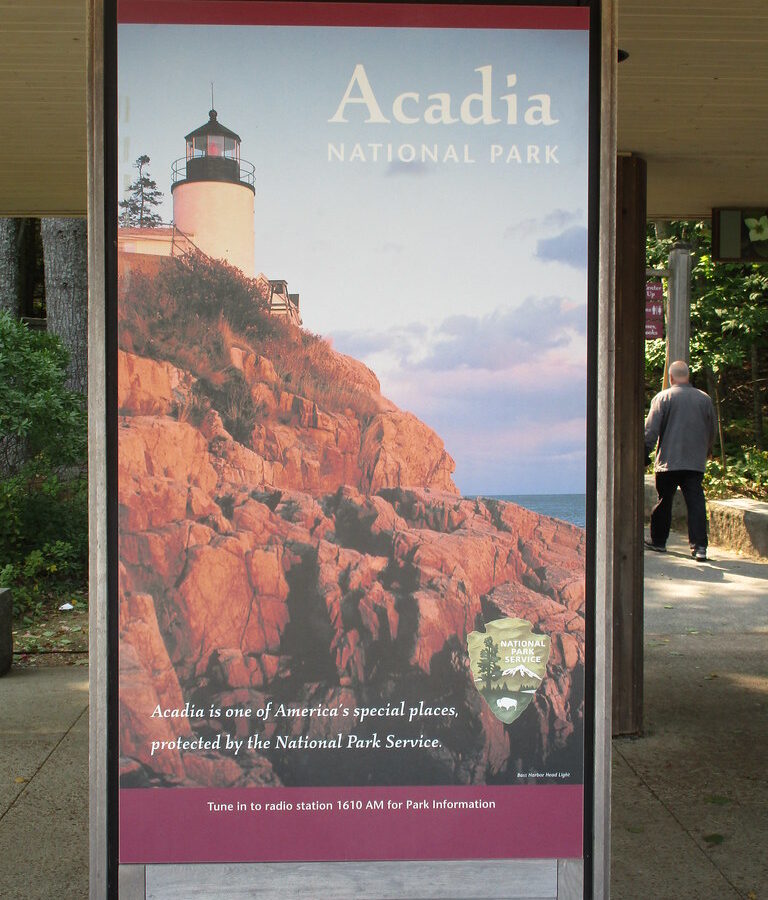
Photo: jaygannett via Flickr (CC BY-SA 2.0)
Where Stay Near Acadia is an important question because the national park has no traditional lodge, and its major districts are separated by water, peninsulas, and slow local roads. A room that looks close on a regional map can leave you 45 minutes from the trailhead you intend to use. The best base depends on whether your priorities are Bar Harbor restaurants, sunrise on Cadillac Mountain, quieter western Mount Desert Island, or the granite headlands of the Schoodic Peninsula. Most visitors stay on Mount Desert Island, which contains Cadillac Mountain, Jordan Pond, Sand Beach, the carriage roads, and many of Acadia’s best-known attractions.
Most visitors stay on Mount Desert Island, which contains Cadillac Mountain, Jordan Pond, Sand Beach, the carriage roads, and many of Acadia’s best-known hikes. Bar Harbor occupies the island’s northeast corner, while Southwest Harbor, Northeast Harbor, and Bass Harbor serve quieter sections. Schoodic Peninsula lies across Frenchman Bay and requires a substantial road transfer, so it works better as a dedicated base than as overflow lodging for Bar Harbor.
Where to Stay Near Acadia Begins With Understanding the Park Map
Mount Desert Island is divided into distinct travel zones
Acadia covers roughly 49,000 acres, but its protected land is interwoven with year-round communities and private property. Mount Desert Island is about 14 miles wide, and local roads funnel through a limited number of junctions. Bar Harbor gives the quickest access to the eastern side of the 27-mile Park Loop Road. Southwest Harbor and Bass Harbor sit closer to Seawall, Wonderland, Ship Harbor, and the Bass Harbor Head Light area.
The island’s granite ridges make direct routes uncommon. Cadillac Mountain rises 1,530 feet near the eastern side, while Somes Sound cuts deeply into the island between eastern and western communities. This long, narrow inlet forces drivers around its head. A short straight-line distance between Northeast Harbor and Southwest Harbor therefore becomes a longer road journey through Somesville or along the sound.
Match your lodging to the experiences you value most
Before booking, choose the two or three places you most want to reach early. Ocean Drive, Cadillac Mountain, and the Beehive Trail favor Bar Harbor or the eastern side of Mount Desert Island. Jordan Pond and the carriage roads are reasonably accessible from several island towns. Ship Harbor, Wonderland, and Acadia Mountain favor the western side. Schoodic Head and the Schoodic Loop Road favor Winter Harbor or peninsula camping.
- For first-time sightseeing: Choose Bar Harbor or nearby eastern Mount Desert Island.
- For hiking before crowds build: Stay close to the relevant trail corridor rather than choosing solely by room price.
- For quiet evenings and working harbors: Consider Southwest Harbor, Bass Harbor, or Winter Harbor.
- For camping: Select the campground by park district, since driving between districts can consume much of a day.
Where to Stay Near Acadia National Park: Lodges, Campgrounds and Towns at a Glance
How the principal bases compare
Drive times vary sharply with summer traffic, road work, and parking queues, so the figures below are planning ranges rather than promises. They show the practical relationship between each base and Acadia’s major zones. When evaluating a rental or inn, look at its exact location. A property using a Bar Harbor mailing address may sit several miles outside the walkable village center.
| Base | Best suited to | Typical access | Main tradeoff |
|---|---|---|---|
| Bar Harbor | First visits, dining, tours, eastern trails | About 10 to 20 minutes to key eastern entrances | Highest congestion and strong seasonal demand |
| Northeast Harbor | Carriage roads, Jordan Pond, quieter village stays | Central access to the island’s southeastern interior | Fewer evening choices than Bar Harbor |
| Southwest Harbor | Western peaks, Seawall, harbor atmosphere | Convenient for the island’s western half | Longer trip to Sand Beach and Ocean Drive |
| Bass Harbor | Nature trails, lighthouse area, simple rural stays | Closest town base for the island’s far southwest | Limited services and little nightlife |
| Winter Harbor | Schoodic Peninsula, cycling, low-key coastal days | Immediate access to Acadia’s mainland district | Roughly 45 road miles from Bar Harbor |
| Ellsworth | Lower-cost rooms, supplies, regional day trips | About 18 miles from central Bar Harbor | Daily traffic at the Mount Desert Island approach |
Hotel, inn, rental, or campsite
Bar Harbor has the broadest mix of full-service hotels, historic inns, motels, and vacation rentals. Smaller island villages lean toward inns, cottages, rental homes, and compact motels. Vacation homes can work well for families needing kitchens and laundry, but minimum stays and cleaning charges may erase the apparent savings on short visits. Travelers planning sunrise outings should also ask about overnight parking and quiet-hour access before booking.
Acadia’s campgrounds provide a closer connection to the landscape, but they do not function as central resorts. Blackwoods serves the eastern island, Seawall the western island, Schoodic Woods the peninsula, and Duck Harbor offers remote camping on Isle au Haut. Opening periods, reservation rules, vehicle limits, fees, and available facilities can change, so confirm current details on the official park site before structuring the trip around a campsite.
Bar Harbor and the Eastern Side of Mount Desert Island
Why Bar Harbor works for a first visit
Bar Harbor is the most practical base for travelers who want restaurants within walking distance and repeated access to the park’s eastern highlights. The village sits beside Frenchman Bay, immediately north of the Park Loop Road system. From here, visitors can reach Hulls Cove Visitor Center, Sieur de Monts, Sand Beach, Thunder Hole, and the Cadillac Mountain corridor without crossing the island.
Walking access changes the evening experience
A central room reduces dependence on scarce parking for meals, boat excursions, and waterfront walks. The Shore Path begins near the town pier and follows the bay past views of the Porcupine Islands. At low tide, the exposed gravel bar to Bar Island creates another walk from town, although visitors must carefully track the tide and return before the route is submerged.
What proximity to Ocean Drive feels like
On Ocean Path, pink granite presses through a thin mat of spruce roots while surf strikes the cliffs below. The air can feel several degrees cooler than it did in town, especially when fog moves off the Atlantic. Between Sand Beach and Otter Point, the path repeatedly opens onto broad water and steep rock shelves, then slips back beneath spruce and fir. Staying on the eastern side makes an early walk here realistic before roadside parking fills.
For seasonal planning beyond lodging, our overview of what to expect during spring and summer at Acadia explains how changing conditions affect outdoor days. Coastal fog, cool ocean winds, and wet granite can influence a trip even when the village forecast appears mild.
Where to Stay Near Acadia for Quieter Island Communities
Northeast Harbor and the central southern shore
Northeast Harbor suits visitors seeking a polished but restrained village base near Somes Sound, Jordan Pond, and the carriage-road network. The community lies close to Asticou and the southeastern side of Mount Desert Island, with practical road access toward Seal Harbor and the Park Loop Road. Lodging inventory is smaller than in Bar Harbor, so this area rewards early planning for summer and fall foliage dates.
Southwest Harbor and Bass Harbor
Southwest Harbor is the main service center on the island’s western side. It places hikers closer to Acadia Mountain, St. Sauveur Mountain, Flying Mountain, and the trails around Long Pond. The 2.5-mile Acadia Mountain loop climbs steep granite and reaches open views across Somes Sound, while the shorter Flying Mountain route provides a less demanding outlook over the sound’s southern entrance.
Farther south, Bass Harbor and Bernard have a working-waterfront character shaped by lobster boats, tidal coves, and small residential roads. These communities are convenient for Wonderland’s approximately 1.4-mile round trip and the roughly 2-mile Ship Harbor loop. Both trails cross spruce forest and granite shore, making them useful choices when clouds obscure higher summits.
Schoodic Peninsula Rewards a Separate Stay
Winter Harbor keeps the peninsula within easy reach
Schoodic Peninsula contains Acadia’s only substantial mainland section, reached from Winter Harbor rather than through Mount Desert Island. Its one-way loop follows roughly six miles of spruce-lined coast past Frazer Point, Schoodic Point, and Blueberry Hill. Staying nearby allows time to cycle the loop, explore the gravel bike paths, and watch waves break against broad granite ledges without treating the district as a rushed day trip from Bar Harbor.
Choose Schoodic for exposed coast and fewer commercial services
Schoodic Head rises 440 feet above the peninsula and can be reached by trails beginning near Blueberry Hill or the park campground. The summit is wooded, but openings along the routes reveal Mount Desert Island across Frenchman Bay. Schoodic Point provides the defining coastal experience. Ocean swells strike dark diabase dikes cutting through pale granite, and spray can reach well above the ledges during rough weather. Winter Harbor has basic dining and supplies, while larger shopping trips are better handled before arrival.
Where to Stay Near Acadia: Choosing Among the Park’s Campgrounds
Location should outweigh small differences in campsite style
Blackwoods works best for itineraries centered on Cadillac Mountain, Ocean Drive, and Bar Harbor. Seawall reduces morning travel for western island destinations, including Ship Harbor and Wonderland. Schoodic Woods supports peninsula hiking and cycling, while Duck Harbor requires a boat journey from Stonington and careful packing for a remote Isle au Haut stay. Travelers searching “Where Stay Near Acadia” should treat these as four distinct geographic choices rather than interchangeable places to sleep.
| Campground area | Best nearby experiences | Planning implication |
|---|---|---|
| Blackwoods | Ocean Path, Cadillac Mountain, eastern peaks | Best fit for a classic first-time itinerary |
| Seawall | Western peaks, tidal shores, Bass Harbor area | Expect longer drives to the eastern loop |
| Schoodic Woods | Schoodic Loop Road, cycling, Schoodic Head | Plan the peninsula as its own park district |
| Duck Harbor | Isle au Haut trails and remote coastline | Requires boat logistics and self-sufficient packing |
Prepare for coastal camping conditions
Even in midsummer, overnight temperatures near the water can fall well below warm daytime readings. Fog leaves tents and picnic equipment damp, while exposed campsites may receive persistent ocean wind. Pack a waterproof outer layer, insulated sleeping gear appropriate for cool nights, and sealed food storage. Island groceries become expensive when every meal is purchased near the park, so campers benefit from buying staples on the mainland and carrying a flexible meal plan.
- Bring a headlamp for early trail departures and dark campground roads.
- Use a groundsheet and reliable rainfly in wet coastal weather.
- Carry insect protection for wooded sites in late spring and summer.
- Keep food secured from raccoons, rodents, and other wildlife.
- Download maps before entering areas with inconsistent mobile reception.
Where to Stay Near Acadia National Park: Booking the Right Base
Check the details that affect early starts
A lodging address alone does not reveal how efficiently a property supports an Acadia itinerary. Ask where guests park, whether stairs separate the room from the entrance, and whether breakfast timing works with dawn departures. At rentals, verify the number of actual beds rather than relying on maximum occupancy. Families should also look for laundry access, outdoor space for wet footwear, and a kitchen capable of preparing trail meals instead of assuming every advertised kitchenette has full cooking equipment.
Use Ellsworth strategically rather than automatically
Ellsworth offers supermarkets, conventional hotels, and access to routes leading toward Bangor, Blue Hill, and the Schoodic region. It can suit late arrivals or travelers combining Acadia with a longer Maine road trip. Daily island visits require crossing the Trenton approach, however, where traffic can slow considerably during summer mornings. A useful compromise is spending the first or final night in Ellsworth while reserving the core park nights on Mount Desert Island or the Schoodic Peninsula.
Build the Stay Around Your Most Important Mornings
The strongest lodging choice follows the geography of the planned trip. Bar Harbor supports eastern Mount Desert Island and walkable evenings. Southwest Harbor and Bass Harbor shorten access to western trails and granite shoreline. Winter Harbor makes Schoodic’s headlands practical at quieter hours, while Ellsworth serves budget-conscious regional travel. Campers should apply the same logic, selecting the park district before comparing individual sites.
List your three highest-priority outings, locate them on the same map, and choose the base requiring the fewest cross-island drives. That simple exercise prevents a lower room rate from turning into hours in traffic. Acadia rewards early starts, flexible weather plans, and time spent within one district. The right place to stay protects all three, leaving more of each day for carriage roads, summit trails, working harbors, and the Atlantic coast.
Want to keep exploring? Browse all our Acadia guides and articles for more trip-planning tips and ideas.
Gear & Essentials
Tell us about your trip and we will add what else you will want:
The basics
Worth having in the car whatever the park.
For this trip
Traveling with kids
Bringing a pet
RVing
Backcountry
Winter conditions
On the water
Photography
Accessibility
As an Amazon Associate we earn from qualifying purchases, at no extra cost to you.