Zion National Park Camping Guide: Campgrounds, Reservations and Tips
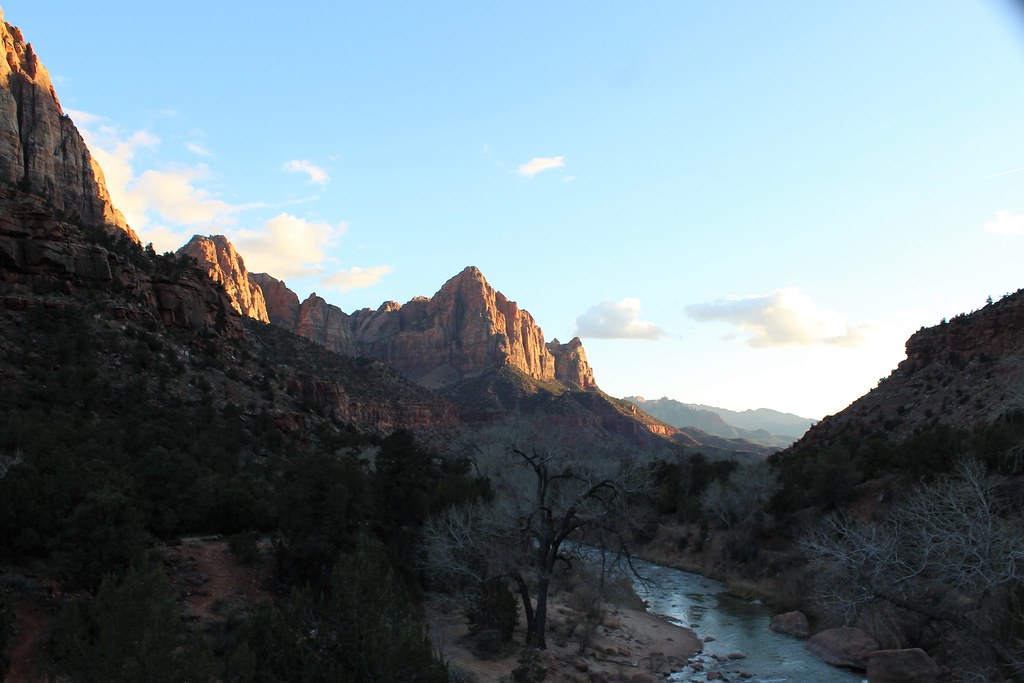
Photo: agcaddesigns.com Architectural Renderings via Flickr (CC BY 2.0)
Zion National Park camping places you beside the Virgin River at roughly 4,000 feet in Zion Canyon or high among ponderosa pines near 7,890 feet at Lava Point. Those settings produce very different trips: canyon campgrounds provide easy access to Springdale, the park shuttle, and famous trails, while Lava Point trades convenience for cooler temperatures, darker skies, and greater solitude.
Our guide explains how Watchman, South, and Lava Point campgrounds compare, which sites suit tents and recreational vehicles, how reservations generally work, and what equipment Zion’s heat, wind, dust, and wildlife require. Campground operations and booking procedures can change, particularly during construction or severe weather, so use the planning details below and confirm current availability, fees, opening dates, and reservation rules on the official park site.
Choosing the Right Zion National Park Camping Base
Canyon access versus high country solitude
Watchman and South campgrounds occupy the broad canyon floor near Zion’s south entrance. Both sit within walking distance of the Zion Canyon Visitor Center, where the Pa’rus Trail and shuttle system connect campers with the park’s principal destinations. Springdale is also close enough to reach on foot or by local transit, which makes groceries, restaurant meals, and replacement equipment easier to obtain than at most national park campgrounds.
Lava Point lies along Kolob Terrace Road in the park’s northern high country. Reaching Zion Canyon from there requires a long, winding drive, so it works poorly as a base for early starts at Angels Landing or The Narrows. It is better suited to visitors exploring Kolob Terrace, hiking near the West Rim, or escaping midsummer canyon temperatures. Freezing nights and snow arrive much earlier at this elevation.
Zion National Park Camping Guide to the Three Campgrounds
| Campground | Setting | Site character | Best suited to |
|---|---|---|---|
| Watchman | Virgin River near the visitor center | Developed loops, limited privacy, some electrical sites, no full hookups | First visits, shuttle access, trailers, and motorhomes |
| South | Canyon floor beneath sandstone cliffs | Tent and dry camping sites, mature trees in portions of the campground | Campers prioritizing canyon access and a traditional tent camping setting |
| Lava Point | Remote plateau at about 7,890 feet | Very small, primitive sites with restricted vehicle suitability | Tents, compact vehicles, cooler weather, and quiet nights |
None of Zion’s park campgrounds should be treated as a full service recreational vehicle resort. Sewer and water connections at individual sites are generally unavailable, and even electrical availability is limited to designated Watchman sites. Large rigs also face tighter site dimensions, turning constraints, and road restrictions. Measure the complete length of the vehicle and any tow equipment before selecting a site.
Zion National Park Camping at Watchman
Site layout, shade, and privacy
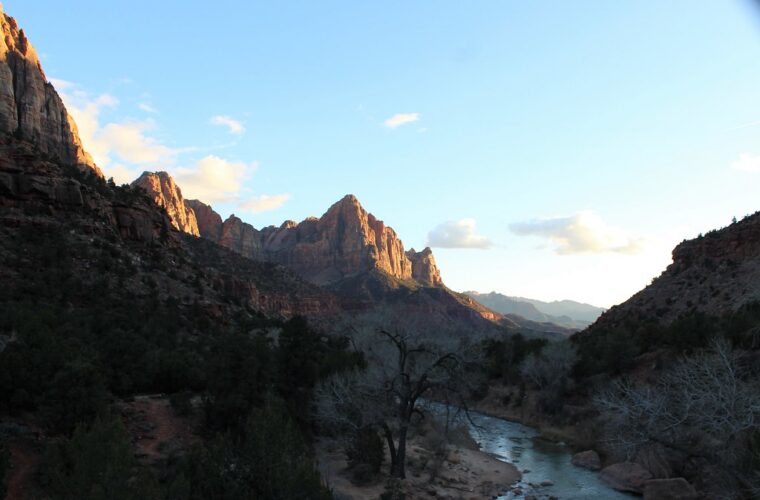
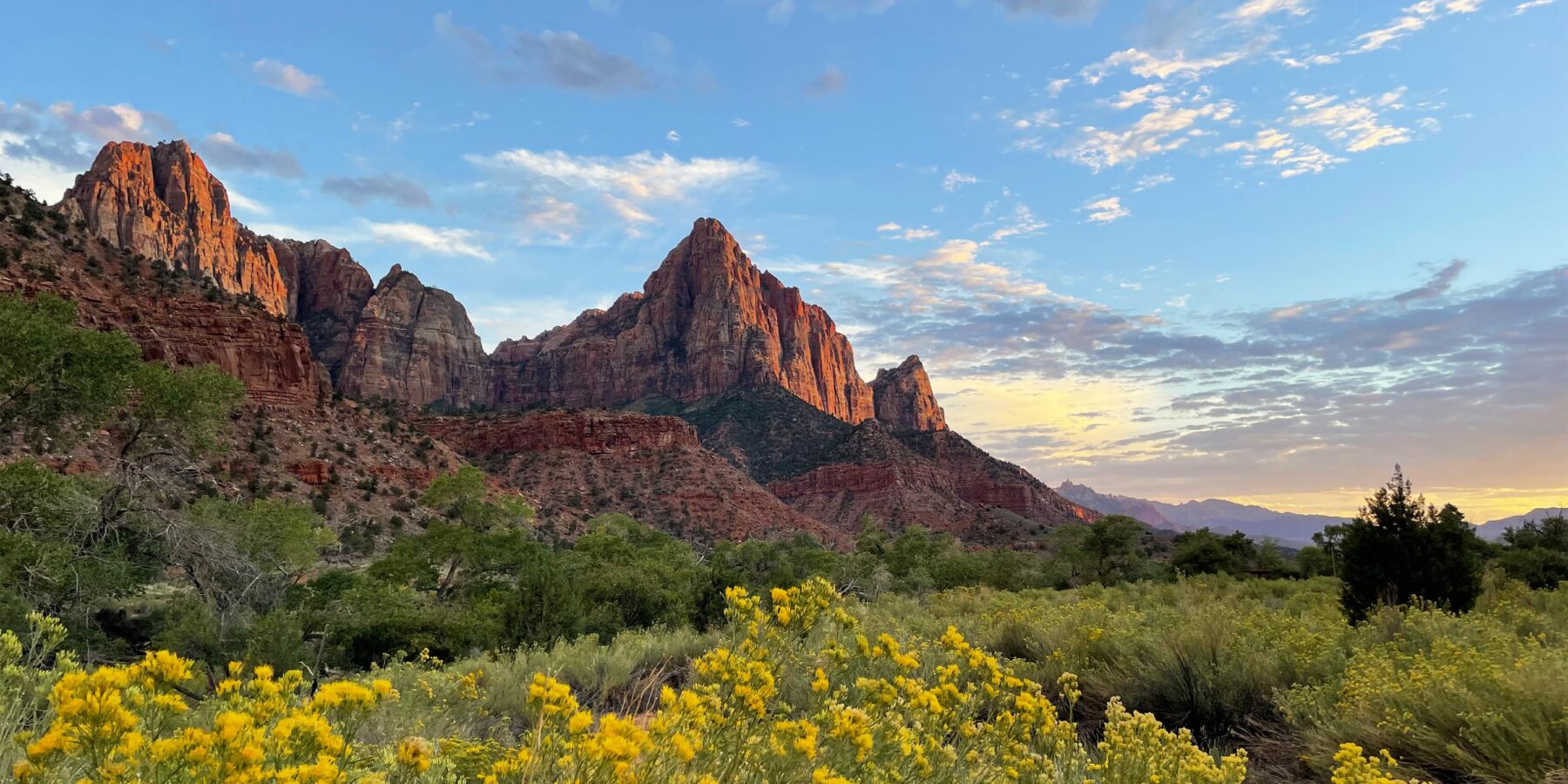
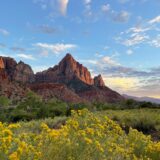
Watchman Campground occupies open ground between the Virgin River and the lower slopes of Watchman, a 6,545 foot Navajo Sandstone peak. Cottonwoods shade selected sites, but many pads remain exposed for much of the day. Closely spaced loops and open understory limit visual privacy. The advantage is location: campers can walk to visitor services, shuttle boarding areas, the river, and Springdale without moving their vehicle.
At sunset, the campground’s practical setting becomes its defining physical experience. Fine red dust shifts underfoot, cottonwood leaves rattle above the river, and heat stored in the canyon floor lingers after direct sunlight leaves the tents. The cliffs appear close enough to fill most of the sky. Morning light reaches different loops at different times, so an apparently shaded site can become intensely hot within an hour.
Selecting tent and recreational vehicle sites
Tent sites
Tent campers should study individual site photographs rather than relying only on the loop map. Pads vary in usable shape, distance from neighboring sites, vegetation, and afternoon exposure. A site near the river can feel cooler, but riparian areas also support insects and wildlife movement. Bring freestanding shelter, since compacted ground can make staking difficult, and use robust stakes where the pad permits them.
Electrical sites and larger vehicles
Watchman is the most practical in park choice for recreational vehicles because some sites provide electricity, reducing generator dependence in hot weather. Electrical service does not mean full hookups, and site length remains the critical booking detail. Slides, awnings, tow vehicles, and roadside vegetation can reduce usable space. Drivers should also account for the Zion Mount Carmel Tunnel restrictions if their route crosses the park toward the east entrance.
South Campground and Lava Point
South Campground’s canyon floor character
South Campground lies just beyond the entrance area beside the Virgin River. Its established cottonwoods can provide more broken shade than the most exposed portions of Watchman, although coverage varies sharply by site and season. The campground has historically served tents and dry camping vehicles without individual hookups. Rehabilitation projects and changing operating schedules can affect which loops or facilities are available.
The location supports car free exploration. The paved Pa’rus Trail runs for about 3.5 miles round trip between the visitor center area and Canyon Junction, following the river beneath Bridge Mountain and The Watchman. It is one of Zion Canyon’s easiest walks and allows bicycles and leashed pets, making it especially useful for an evening outing after camp setup.
Lava Point for small scale primitive camping
Lava Point contains only a handful of primitive sites in an open ponderosa pine and pinyon juniper forest. Its elevation keeps summer afternoons cooler than Zion Canyon, while nighttime temperatures can fall rapidly after sunset. The access road is narrow and unsuitable for longer recreational vehicles. Water, fuel, food, and other supplies should be obtained before climbing Kolob Terrace Road.
This campground also places visitors closer to high elevation trailheads. The West Rim Trail crosses a plateau of ponderosa forest before reaching dramatic views above Zion Canyon, while the Northgate Peaks Trail offers a shorter excursion through open woodland. Road conditions, wildfire activity, and lingering snow can limit access outside the main summer and early autumn period.
Zion National Park Camping Reservations: How They Work
Build the booking around a specific site
Zion campsites are generally booked through the federal reservation system, with availability released according to campground specific booking windows. Popular spring and autumn dates can disappear quickly after release. Before reservations open, create an account, record the total equipment length, identify acceptable loops, and save several individual site numbers. Flexible arrival days provide more options than repeatedly searching only Friday and Saturday nights.
- Choose between canyon access at Watchman or South and high country camping at Lava Point.
- Enter the complete tent count, vehicle length, trailer length, and occupancy.
- Inspect each site photograph, driveway angle, pad dimensions, and shade pattern.
- Check rules for generators, extra vehicles, pets, and food storage before payment.
- Save the confirmation offline because mobile service can weaken away from Springdale.
Plan for heat, cancellations, and full campgrounds
When preferred dates are unavailable, check for cancellations and search one night at a time before abandoning the trip. A shorter reservation can sometimes be combined with lodging or a private campground near Springdale, Rockville, Virgin, or Hurricane. Avoid arriving with the assumption that an empty looking site is available. It may belong to a camper arriving later that day or remain closed for operational reasons.
Pack for Heat, Wind, and Desert Ground
Build a sleep system for large temperature swings
Canyon campsites can remain hot well after sunset because sandstone and compacted soil release stored heat slowly. Use a tent with extensive mesh, a warm weather sleeping bag, and a breathable sleeping pad during summer. Spring and autumn require more insulation because clear, dry air allows temperatures to fall quickly overnight. At Lava Point, pack for near freezing conditions even when daytime forecasts appear mild. A sun shelter is useful on exposed sites, provided it fits entirely within the designated area.
Anchoring tents on compacted pads
Standard thin stakes often bend in Zion’s hard soil. Carry heavy steel stakes, a mallet, and extra guylines, but never attach lines to trees or campground structures. Sudden canyon gusts can lift an unsecured tent or shade canopy. Lower awnings whenever leaving an RV unattended. A footprint protects tent fabric from coarse sand, while a small brush keeps red grit from damaging zippers and sleeping pad valves.
Food, water, and wildlife control
Ravens, rock squirrels, ringtails, and rodents quickly exploit unattended food. Keep groceries, cooking equipment, trash, scented toiletries, and pet food secured in a vehicle or approved storage container whenever they are not being used. Summer campers should carry enough containers to avoid relying on a single water source during an outage or emergency. Useful additions include:
- Insulated water containers that can remain shaded inside the vehicle
- Electrolyte mix for hot hikes with sustained sweating
- A locking cooler or rigid food box
- Headlamps with a red light setting for campground use
- Dustproof bags for electronics and charging cables
Using Camp as a Trailhead
Walk directly to lower canyon trails
Watchman and South campers can reach the Watchman Trail without driving. The route covers about 3.3 miles round trip and gains roughly 368 feet to a bench overlooking the visitor center, lower Zion Canyon, and the Towers of the Virgin. It offers broad views without entering the shuttle corridor. Start near sunrise in warm weather because much of the climb crosses exposed slopes, and carry water even though the distance appears modest.
Plan major hikes around the shuttle
Camping near the visitor center simplifies early shuttle departures for Zion Lodge, The Grotto, Weeping Rock, and the Temple of Sinawava. The Narrows begins beyond the one mile Riverside Walk and requires preparation for cold water, slippery cobbles, flash floods, and changing river conditions. Angels Landing rises from the Grotto Trailhead via the West Rim Trail, with a permit required for the final chain assisted section. Carry the permit confirmation offline because reception is unreliable deeper in the canyon.
Match the Camping Season to Your Priorities
Conditions change sharply through the year
Spring and autumn generally provide the best balance of hiking temperatures and usable daylight, but cold fronts can bring rain or snow to higher terrain. Summer favors river walks and predawn starts, while exposed trails become hazardous during the hottest hours. Winter brings quiet campgrounds and clear views through leafless cottonwoods, although shorter days, icy trail sections, and freezing nights demand heavier equipment.
| Period | Primary advantage | Main camping challenge | Best preparation |
|---|---|---|---|
| March through May | Cool hiking weather and spring growth | Cold nights, rain, and variable river flow | Layered insulation and waterproof shelter |
| June through August | Long daylight and reliable high country access | Extreme canyon heat and monsoon thunderstorms | Shade, abundant water, and early starts |
| September through October | Milder afternoons and cooler nights | Busy weekends and rapid temperature changes | Flexible dates and a warm sleep system |
| November through February | Lower visitation and crisp visibility | Freezing nights, ice, and limited high elevation access | Cold weather gear and traction devices |
Account for flooding and summer heat
Monsoon thunderstorms can occur far upstream from the campground or trail where rain is falling. Never enter a narrow canyon when storms threaten its drainage, and move away from washes if water becomes muddy or begins rising. During summer, schedule strenuous climbs before direct sun reaches the trail. Heat illness can develop even close to camp, particularly after a long drive, poor sleep, or alcohol consumption the previous evening.
Essential Zion National Park Camping Tips for Your Trip
The strongest plan begins with location. Choose Watchman for electrical sites and immediate visitor center access, South for dry camping in the lower canyon, or Lava Point for primitive high elevation solitude. Match the selected site to the complete vehicle length, shade exposure, tent footprint, and nighttime temperature rather than booking solely by campground name.
Zion National Park camping also rewards preparation beyond the reservation itself. Secure food, anchor shelter for gusty weather, carry more water than a short itinerary appears to require, and organize major hikes around heat and transportation. With those details settled before arrival, camp becomes an efficient base for exploring the Virgin River corridor, Zion Canyon, and the quieter plateaus above it.
Want to keep exploring? Browse all our Zion guides and articles for more trip-planning tips and ideas.
Gear & Essentials
Tell us about your trip and we will add what else you will want:
The basics
Worth having in the car whatever the park.
For this trip
- Camp lantern Etekcity Camping Lanterns 4-Pack LED
- Camping hammock Wise Owl Outfitters Camping Hammock
- Camping pillow Hikenture Inflatable Camping Pillow
- Lighter & matches BIC Maxi Pocket Lighters 10-Pack
- Shelter tarp Amazon Basics Waterproof Multipurpose Camping Tarp
- Tent Camping Tent 2-4 Person Easy Setup
Traveling with kids
Bringing a pet
RVing
Backcountry
Winter conditions
On the water
Photography
Accessibility
As an Amazon Associate we earn from qualifying purchases, at no extra cost to you.