
Where to Stay Near Olympic National Park: Lodges, Campgrounds and Towns
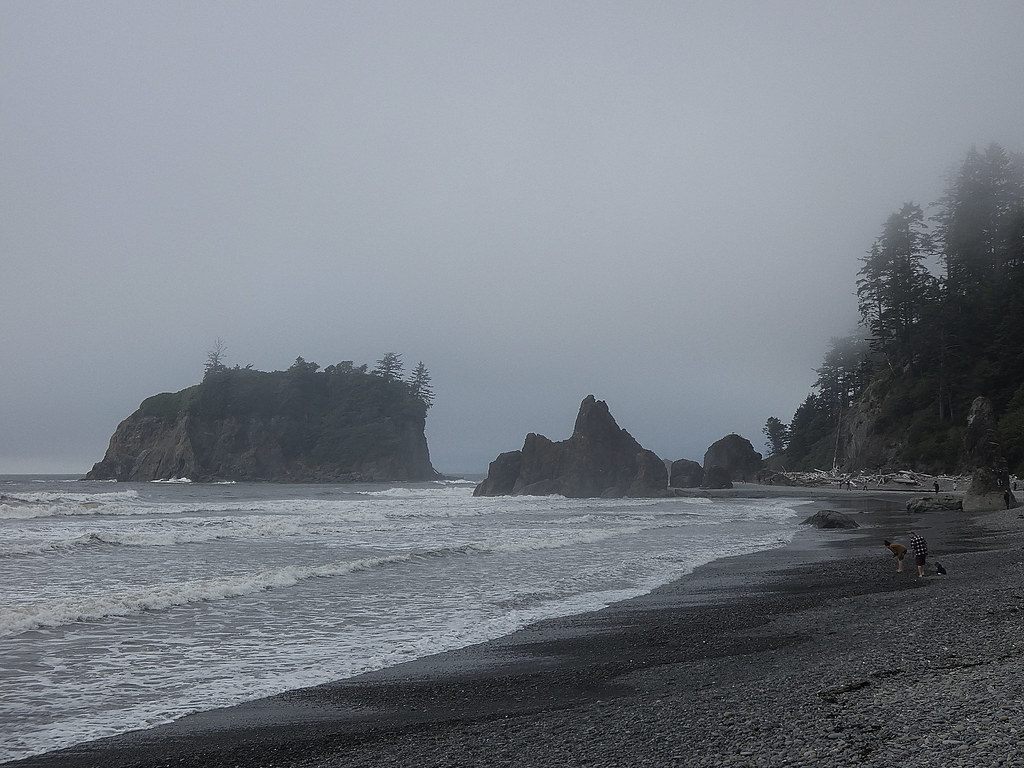
Photo: concrete&fells via Flickr (CC BY 2.0)
Deciding Where Stay Near Olympic National Park starts with accepting its unusual geography: Highway 101 circles the Olympic Peninsula, while no road crosses the park’s mountainous core. A room near Hurricane Ridge can be several hours from the Hoh Rain Forest, and a cabin at Lake Quinault is poorly positioned for an early walk on Rialto Beach. The right base depends on which landscape matters most, not which property appears closest to the park boundary. Our team recommends dividing a visit among the park’s northern mountains and lakes, western rain forests and beaches, and southwestern Quinault corridor. This guide
Our team recommends dividing a visit among the park’s northern mountains and lakes, western rain forests and beaches, and southwestern Quinault corridor. This guide explains how the gateway towns, historic lodges, roadside campgrounds, and remote accommodations fit together, including realistic driving times and the experiences each base makes easier.
Where to Stay Near Olympic National Park: Start With the Park’s Geography
Olympic National Park protects nearly one million acres, ranging from Pacific tide pools to Mount Olympus at 7,980 feet. Most developed destinations sit at the ends of spur roads branching from Highway 101. Hurricane Ridge is reached from Port Angeles, Lake Crescent from the northwestern highway corridor, and the Hoh Rain Forest by an 18 mile approach road east of Highway 101. Coastal units such as Rialto Beach and Ruby Beach occupy separate access corridors.
Why one hotel rarely works for the whole park
Driving around Olympic takes longer than a map suggests. Roads are mostly two lane, communities are spread out, and summer traffic can slow the approaches to Port Angeles, Lake Crescent, and the Hoh Rain Forest. Port Angeles to the Hoh visitor area generally requires about two hours without major delays. Lake Quinault to Hurricane Ridge can consume close to three hours each way, leaving little time for trails or overlooks.
A split stay becomes worthwhile on trips of four nights or longer. Two nights around Port Angeles or Lake Crescent pair well with Hurricane Ridge, Sol Duc, and the lake. Moving west to Forks, the Hoh corridor, or Kalaloch then reduces the drive to temperate rain forest and Pacific beaches. Travelers continuing south can add Quinault rather than backtracking around the peninsula.
Where to Stay Near Olympic National Park Depends on Your Priorities
| Primary area | Practical base | Best suited to | Main limitation |
|---|---|---|---|
| Hurricane Ridge | Port Angeles | Mountain viewpoints, day hikes, ferry connections | Long drive to the Hoh and southern beaches |
| Lake Crescent and Sol Duc | Lake Crescent corridor | Lake access, waterfalls, forest trails | Limited evening services |
| Hoh Rain Forest and northern coast | Forks or west side cabins | Hall of Mosses, Rialto Beach, Second Beach | Far from Hurricane Ridge |
| Kalaloch and Ruby Beach | Kalaloch corridor | Sunsets, tide pools, coastal walks | Few nearby shops and restaurants |
| Quinault Rain Forest | Lake Quinault | Old growth forest, waterfalls, quieter roads | Remote from northern park sites |
Where to Stay Near Olympic National Park: Immersive Park Lodges
Olympic’s lodge network follows the peninsula’s natural travel corridors. Lake Crescent Lodge occupies the north shore of a glacier carved lake about 20 miles west of Port Angeles. Sol Duc Hot Springs Resort lies deeper in the forest along the Sol Duc River road. Kalaloch Lodge overlooks the Pacific coast, while accommodations around Lake Quinault serve the park’s southwestern rain forest. Seasonal opening periods and room inventories vary, so confirm current lodging, campground, permit, and road details on the official park site.
Where to Stay Near Olympic National Park for Lake Crescent
Lake Crescent Lodge provides the strongest location for travelers concentrating on the northern park. The lake reaches depths of more than 600 feet, and its exceptionally clear water fills a basin excavated by glaciers. From this corridor, guests can walk the short Marymere Falls Trail, join the 11.2 mile Spruce Railroad Trail, or drive west toward the Sol Duc Valley without first returning to Port Angeles.
Standing beside Lake Crescent early in the morning, you feel cool air sliding off the forested slopes while small waves tap the gravel shore. The water changes from transparent green at your feet to deep blue farther out. Behind the lodge corridor, enormous Douglas firs and western hemlocks absorb road noise, making the lake feel more secluded than its Highway 101 access suggests.
Sol Duc and Kalaloch trade convenience for immersion
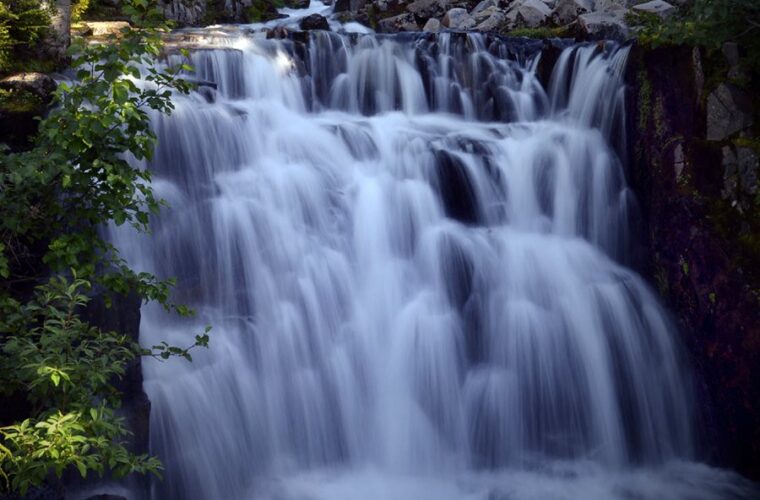
Sol Duc works best for travelers planning to hike to Sol Duc Falls, explore the river valley, or use the developed hot springs facilities when operating. The 1.6 mile round trip walk to the falls passes through dense forest before reaching a footbridge above several channels of plunging water. The resort’s spur road adds travel time, so it is less practical for repeated trips to Port Angeles or the coast.
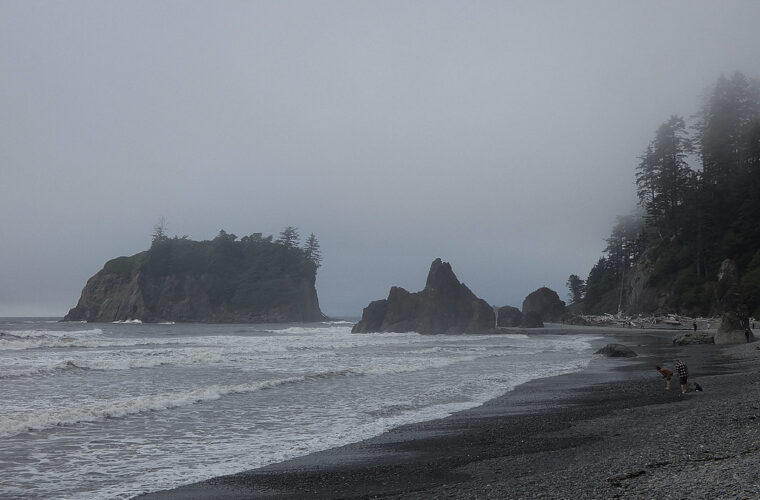
Kalaloch is the more strategic choice for Ruby Beach, Beach 4, and broad coastal sunsets. Its bluff top setting reduces the morning drive to nearby shore access points and places visitors near coastal spruce forest. Rooms and cabins here are isolated from substantial grocery stores and restaurant clusters. Arrive with fuel and essential food, especially when continuing south toward Lake Quinault.
Where to Stay Near Olympic National Park: Convenient Gateway Towns
Town lodging generally offers a wider range of prices, kitchens, pet policies, and last minute availability than park lodges. The tradeoff is daily driving. Port Angeles is the most complete northern gateway, Forks is the practical western hub, and the communities around Lake Quinault serve the southwest. Sequencing these towns clockwise or counterclockwise prevents repeated travel along the same stretches of Highway 101.
Port Angeles for Hurricane Ridge and the northern entrance
Port Angeles has the peninsula’s broadest concentration of hotels, vacation rentals, supermarkets, restaurants, and outdoor supplies. The Hurricane Ridge Road begins just south of town and climbs toward subalpine terrain, reaching elevations above 5,000 feet. Clear days reveal the Bailey Range, Mount Olympus, the Strait of Juan de Fuca, and Vancouver Island. Snow can affect this high road well beyond the coldest part of winter.
This base also works for day trips to Lake Crescent and the Elwha Valley. It is less efficient for the Hoh Rain Forest or wilderness beaches, especially when an itinerary requires sunrise, low tide, or an early trailhead arrival. Choose Port Angeles for two nights when mountains are a priority, then relocate west rather than treating it as an all purpose base.
Where Stay Near Olympic’s western rain forests and beaches
Forks sits near the junctions leading to the Hoh Rain Forest, La Push area, and northern wilderness coast. Rialto Beach is roughly 15 miles west, while the Hoh visitor area lies southeast by a combination of Highway 101 and the Hoh Road. The town provides practical services rather than a resort atmosphere, making it useful for travelers who need groceries, fuel, casual meals, laundry, and straightforward motel rooms.
Choose the coast when tides control the day
Cabins and vacation rentals around the western coastal corridors can save substantial driving when exploring Rialto Beach, First Beach, or the trail to Second Beach. Coastal lodging is especially useful for low tide visits because safe passage around some headlands depends on tide height. Salt air, wind, and persistent moisture are normal here, even when inland Forks is calm.
Where to Stay Near Olympic National Park: Campgrounds and Route Planning
Frontcountry camping places visitors inside forests and coastal corridors where commercial lodging is scarce. Major areas include Heart O’ the Hills near the Hurricane Ridge approach, Fairholme beside Lake Crescent, Mora near Rialto Beach, Hoh in the rain forest, Kalaloch above the Pacific, and several campgrounds in the Quinault region. Their settings differ sharply in temperature, exposure, road access, and distance from supplies.
Match the campground to the experience
- Heart O’ the Hills: useful for early access to Hurricane Ridge and services in Port Angeles.
- Fairholme: suited to paddling, lakeside time, and exploring the western Lake Crescent corridor.
- Mora: the strongest frontcountry position for Rialto Beach and the Quillayute River coast.
- Hoh: ideal for the Hall of Mosses, Spruce Nature Trail, and an early start on the Hoh River Trail.
- Kalaloch: exposed to coastal weather but well placed for beaches, tide pools, and sunsets.
Rain, food storage, and distance from supplies
Western campgrounds receive far more precipitation than sites near Port Angeles, which lies in the rain shadow of the Olympic Mountains. A waterproof shelter, groundsheet, dry clothing system, and ventilation matter even in summer. Campers should also secure food and scented items against wildlife, carry drinking water when availability is uncertain, and buy groceries before entering the Hoh, Sol Duc, Kalaloch, or Quinault corridors.
Remote Bases for Ozette and the Eastern Peninsula
Two corners require separate planning because they sit outside the usual Port Angeles, Forks, and Quinault circuit. Lake Ozette occupies the northwestern peninsula, reached by narrow roads through Clallam Bay or Sekiu. Staircase enters the park from the southeast near Lake Cushman and Hood Canal. Neither area works efficiently as a base for the park’s better known western attractions, but each can anchor a quieter overnight stop.
Stay near Lake Ozette for the wilderness coast
Ozette is the starting point for the 9.4 mile Ozette Triangle, which links Cape Alava and Sand Point by boardwalk trails and a rugged coastal segment. Nearby lodging is limited, so travelers commonly consider cabins around Lake Ozette or rooms in Sekiu and Clallam Bay. For travelers searching Where Stay Near Olympic, Ozette makes sense when coastal backpacking, birding, or tide dependent exploration outranks convenient dining and shopping.
Use Hood Canal communities for Staircase
Staircase provides access to the North Fork Skokomish River, the approximately 2 mile Staircase Rapids Loop, and longer routes into the southeastern Olympics. Lodging around Hoodsport, Lake Cushman, and the Hood Canal corridor shortens the approach. This base is particularly logical for visitors arriving from Tacoma or the southern Puget Sound region, although it remains several hours from the Hoh Rain Forest and Pacific beaches.
Season Changes the Best Place to Sleep
Olympic’s elevation range creates several climates within one itinerary. Port Angeles receives substantially less precipitation than the western rain forests because it lies northeast of the Olympic Mountains. Kalaloch, Forks, and the Hoh remain cooler and wetter, while Hurricane Ridge can retain snow after low elevation trails have entered spring. Lodging location should therefore follow the day’s elevation and expected weather rather than a single peninsula forecast.
Compare the seasonal tradeoffs
| Period | Best lodging strategy | Conditions to expect |
|---|---|---|
| Late spring | Town rooms with flexible mountain and forest options | Snow at higher elevations, wet western trails, strong waterfalls |
| Summer | Split stays booked near each priority zone | Longest daylight, busiest roads, drier camping conditions |
| Early autumn | Coastal or rain forest cabins paired with Port Angeles | Shorter days, cooler nights, increasing rainfall |
| Winter | Service rich gateway towns | Pacific storms, limited daylight, snow and road disruptions |
Coastal weather favors solid shelter
Autumn and winter storms can bring forceful wind, salt spray, falling branches, and prolonged rain to exposed coastal sites. A motel, lodge room, or cabin with reliable heat provides a practical advantage after several hours on Ruby Beach or Rialto Beach. Inland rain forest stays remain damp but are usually less exposed to direct ocean wind. Avoid parking beneath visibly damaged trees during stormy weather.
Build an Overnight Plan Around Early Starts
Morning positioning matters at the Hoh Rain Forest, Hurricane Ridge, and popular beaches. Staying nearby reduces traffic exposure and allows time for weather changes. A five night trip works well with two nights near Port Angeles, two near Forks or the Hoh corridor, and one near Kalaloch or Quinault. A seventh night can support Ozette, Sol Duc, or Staircase without compressing the main route.
Choose relocations that remove backtracking
Travel clockwise when arriving through Port Angeles and departing toward Aberdeen or Olympia. Reverse that sequence when entering from the south. Pack one small overnight bag separately so a single night move does not require unloading every suitcase. Fuel before leaving the larger towns, since the Hoh, Ozette, Sol Duc, and coastal spur roads add mileage without providing extensive roadside services.
Check the details that affect comfort
- Cooking: A kitchenette helps around Kalaloch, Ozette, and Quinault, where restaurant choices are dispersed.
- Drying space: Covered porches, entry areas, and bathroom ventilation help manage wet boots and rain gear.
- Vehicle access: Ask about parking when carrying kayaks, bicycles, or backpacking equipment.
- Connectivity: Download maps and reservation information before entering remote valleys.
- Arrival timing: Reach isolated accommodations before dark, when narrow forest roads are easier to navigate.
Campers should organize the same way. Keep rain layers, headlamps, food storage supplies, and dry sleeping clothes accessible rather than buried beneath other equipment. Coastal fog can reduce visibility well before sunset, while forest camps become dark early under western hemlock and Sitka spruce canopies. A planned arrival leaves enough daylight to identify hazards and establish a weatherproof campsite.
Where to Stay Near Olympic National Park to Make the Most of Your Time
The best Olympic accommodation is the one that places the next morning’s objective within easy reach. Port Angeles serves Hurricane Ridge, Lake Crescent supports the northern forest corridor, Forks connects the Hoh with the northern coast, and Kalaloch or Quinault handles the southwestern peninsula. Ozette and Staircase deserve separate nights when those remote landscapes are central to the trip.
Our practical recommendation is to split stays once an itinerary reaches four nights. Match each overnight stop to one or two nearby landscapes, stock up before remote corridors, and account for rain, snow, tides, and limited daylight. That approach converts hours of repeated Highway 101 driving into time beside alpine ridges, old growth forest, glacier carved lakes, and the Pacific coast.
Want to keep exploring? Browse all our Olympic guides and articles for more trip-planning tips and ideas.
Gear & Essentials
Tell us about your trip and we will add what else you will want:
The basics
Worth having in the car whatever the park.
For this trip
Traveling with kids
Bringing a pet
RVing
Backcountry
Winter conditions
On the water
Photography
Accessibility
As an Amazon Associate we earn from qualifying purchases, at no extra cost to you.