
Acadia National Park Camping Guide: Campgrounds, Reservations and Tips
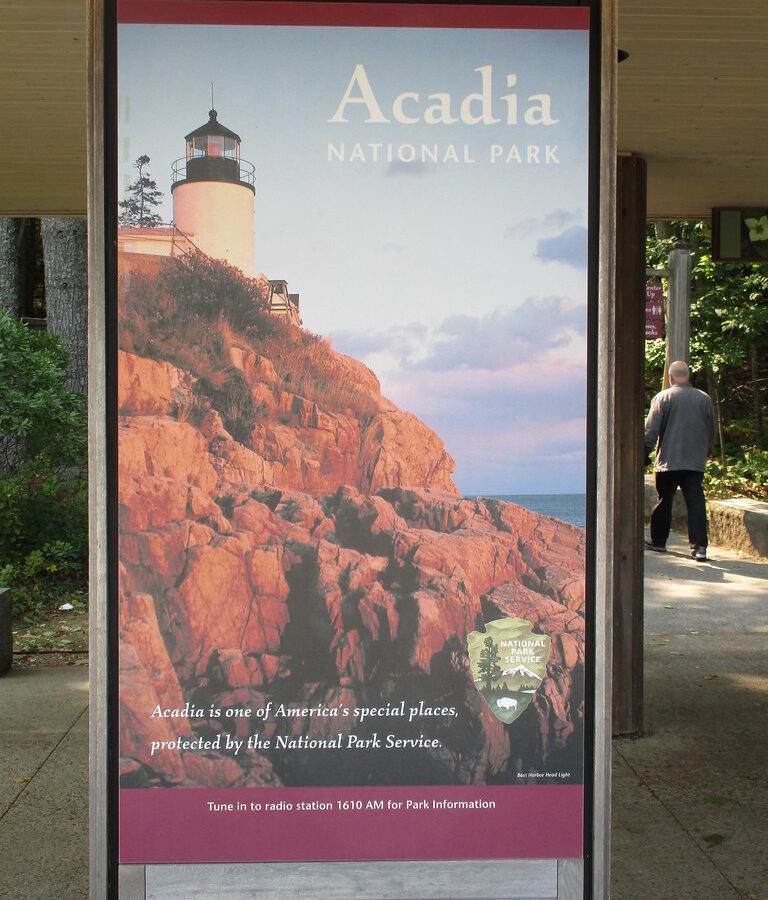
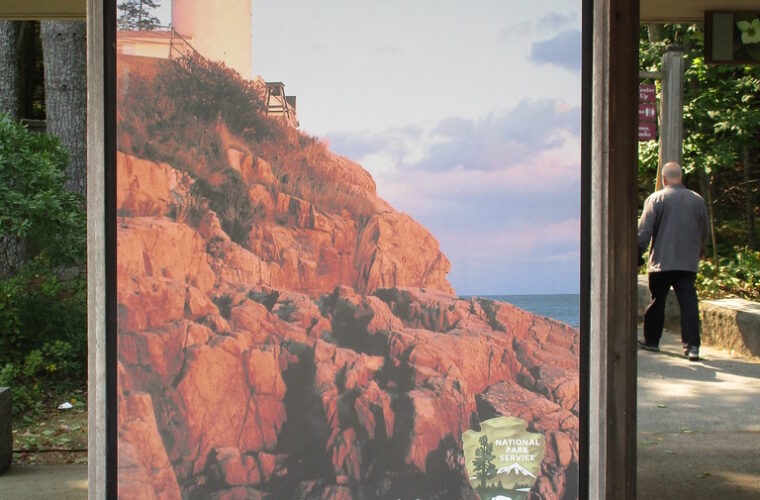
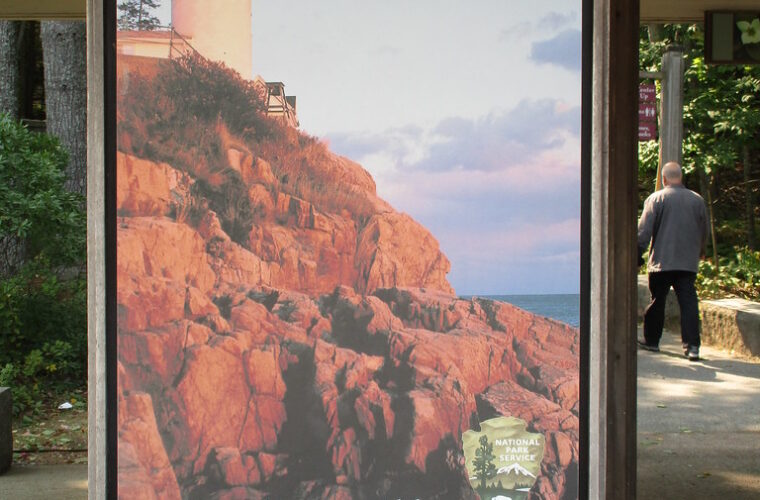
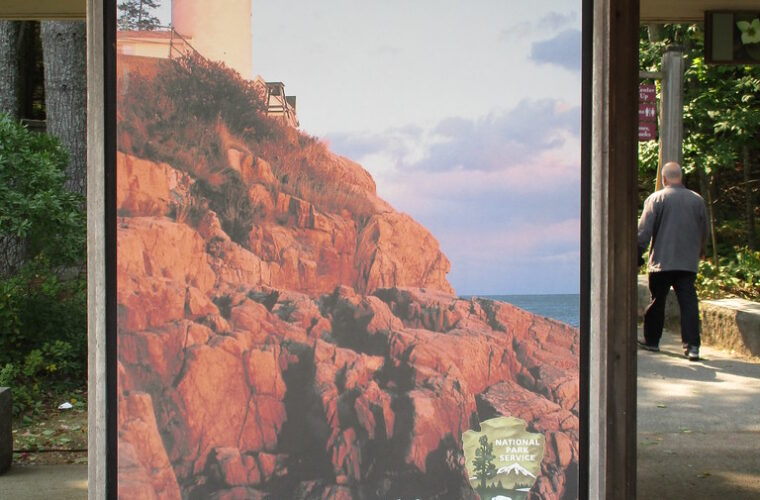
Photo: jaygannett via Flickr (CC BY-SA 2.0)
Acadia National Park camping begins early at Blackwoods, when spruce needles soften each footstep and the Atlantic surf carries through the trees before sunrise. A short path leads from the campground toward the pink granite shoreline, where cool salt air meets stone warmed by the first light. The wooded campsites feel sheltered, but the ocean remains close enough to hear when the wind turns inland.
Acadia has four National Park Service camping areas, each serving a different kind of trip. Blackwoods and Seawall occupy Mount Desert Island, Schoodic Woods provides a quieter base on the Schoodic Peninsula, and Duck Harbor offers primitive island camping on Isle au Haut. Sites are limited, dispersed camping is prohibited, and choosing the right campground matters because summer traffic can make short map distances surprisingly slow.
How Acadia National Park Camping Is Organized Across Campgrounds
Mount Desert Island contains Acadia’s best known destinations, including Cadillac Mountain, Jordan Pond, Sand Beach, Thunder Hole, and most of the historic carriage road network. Blackwoods provides the most convenient park campground for these locations. Seawall lies on the island’s quieter western side, better known for working harbors, granite shorelines, and trails around Long Pond and Echo Lake.
Schoodic Woods is approximately an hour by road from central Mount Desert Island, despite the two sections appearing close across Frenchman Bay. Duck Harbor requires a passenger ferry to Isle au Haut, followed by travel on foot. Campers should treat these as separate bases rather than interchangeable sleeping locations.
Acadia National Park Camping: Four Campgrounds, Four Distinct Settings
| Campground | Setting | Typical site character | Best suited to |
|---|---|---|---|
| Blackwoods | East side of Mount Desert Island, south of Bar Harbor | Closely wooded drive in sites without individual hookups | First visits and access to major island landmarks |
| Seawall | Southwest Mount Desert Island near a rocky natural seawall | Wooded tent and RV sites, generally without individual hookups | Quieter stays and western island exploration |
| Schoodic Woods | Schoodic Peninsula near Winter Harbor | Spacious tent, walk in, and RV options, including some utility equipped sites | Cycling, larger camping units, and lower traffic |
| Duck Harbor | Isle au Haut, reached by passenger ferry | Primitive three sided lean tos | Self sufficient campers seeking an island backcountry experience |
What the park does not allow
Acadia has no general backcountry camping zones where visitors can choose an undeveloped site. Sleeping in vehicles at trailheads, roadside pullouts, beaches, and picnic areas is also prohibited. Campers who cannot secure a park reservation need a legal commercial or municipal campground outside park boundaries rather than an improvised overnight location.
The park campgrounds prioritize compact sites within sensitive coastal forest. Large motorhomes, trailers with slide outs, and multiple vehicle setups require careful attention to each site’s listed dimensions. A campground may accept RVs while a particular site remains too short, narrow, or uneven for a given rig.
Acadia National Park Camping at Blackwoods and Seawall
Blackwoods and Seawall both sit beneath spruce, fir, birch, and maple, but they support different itineraries. Neither should be chosen simply by measuring the distance to Bar Harbor. Blackwoods favors the eastern park loop and early starts at popular trailheads. Seawall reduces exposure to that traffic and places campers closer to the western island’s quieter roads and villages.
Blackwoods for the main Mount Desert Island sights
Blackwoods lies about 5 miles south of Bar Harbor and close to the Park Loop Road corridor. Sand Beach, the Ocean Path, Jordan Pond, and Cadillac Mountain are practical early morning outings from here. The campground also has foot access toward the rocky coast, although campers must drive, cycle, or use seasonal public transportation to reach most major trailheads.
Sites are heavily wooded and generally compact, with limited visual separation in some loops. Tree cover moderates summer sun but keeps tents damp after rain and can make solar charging unreliable. Individual campsites do not provide RV hookups, so this campground works best for tents, vans, small trailers, and self contained rigs that fit the published site dimensions.
Seawall for a slower western island trip
Seawall is near Southwest Harbor and the natural granite formation from which the campground takes its name. It provides convenient access to Wonderland, Ship Harbor, Bass Harbor Head Light Station, Echo Lake, and trails leading toward Beech Mountain. Driving to Sand Beach or Jordan Pond requires crossing the island, where congestion can lengthen the trip considerably.
The campground includes wooded sites for tents and appropriately sized RVs, generally without individual hookups. Coastal fog and dense canopy often leave the ground cool and moist into late morning. Seawall suits campers willing to trade immediate access to the eastern highlights for quieter evenings and shorter drives to western island trailheads.
Choosing between the two island campgrounds
- Choose Blackwoods for a first Acadia visit centered on Ocean Path, Jordan Pond, Cadillac Mountain, and the eastern carriage roads.
- Choose Seawall for kayaking, western island hikes, Bass Harbor, and less time in Bar Harbor traffic.
- Check the site dimensions with the tow vehicle included. A trailer length alone does not show whether the complete setup fits.
- Expect shade at both and bring equipment that handles condensation, wet ground, and limited direct sunlight.
Schoodic Woods and Duck Harbor Offer Different Versions of Acadia
The mainland peninsula and offshore island reveal Acadia beyond Mount Desert Island. Schoodic exposes dark volcanic dikes cutting through pale granite along a wave battered coast. Isle au Haut combines low mountains, spruce forest, bogs, and remote shoreline with few visitor services. Both demand more deliberate planning than a standard Blackwoods stay.
Schoodic Woods for cycling and larger sites
Schoodic Woods connects directly to a network of crushed stone bike paths and hiking trails. The nearby Schoodic Loop Road follows roughly 6 miles of exposed shoreline before reaching Schoodic Point, where waves can break forcefully across broad granite ledges. Campers can explore much of the peninsula without repeatedly loading bicycles onto a vehicle.
The campground has a broader mix of tent, walk in, group, and RV sites than the Mount Desert Island campgrounds. Some RV sites provide electrical service, and site layouts tend to feel more open. Utility details vary by site, so campers must read the individual listing rather than assuming every space in a loop has the same connections.
Duck Harbor for a primitive island stay
Duck Harbor Campground has five primitive lean tos on Isle au Haut. Reaching them involves a passenger ferry with limited room for baggage, followed by travel from the landing to camp. There are no roads connecting Isle au Haut to the mainland, and private vehicles cannot be brought to the island.
Campers must plan around ferry baggage rules, potable water needs, food storage, rain exposure, and the absence of nearby retail services. Trails lead into the Acadia portion of Isle au Haut, including routes toward Duck Harbor Mountain and the island’s rugged southern coast. Mud, exposed roots, and wet granite make mileage slower than equivalent distances on maintained carriage roads.
Acadia National Park Camping Reservations and Booking Strategy
Acadia’s park campgrounds operate through advance reservations rather than relying on open space after arrival. Summer weekends and fall foliage dates can fill soon after inventory becomes available. Blackwoods usually attracts the strongest demand because of its location, while the small number of Duck Harbor shelters makes island availability especially limited.
How the rolling booking window works
Standard campground inventory has commonly been released through Recreation.gov on a rolling basis, typically two months before the arrival date. Duck Harbor follows a more specialized reservation process because capacity is extremely limited. Opening dates, fees, stay limits, campground seasons, utility availability, and release times can change, so confirm current details on the official park site before arranging transportation.
An Acadia National Park camping booking checklist
- Choose the campground according to the places you intend to visit, not merely the first available site.
- Measure the complete vehicle and camping setup, including trailer tongue, tow vehicle, bike rack, and slide outs.
- Review the site surface, parking orientation, maximum equipment size, and whether access requires carrying gear from a shared parking area.
- Create the reservation account before the booking date and save payment information in advance.
- Search flexible arrival days, especially Sunday through Thursday, when fewer visitors begin weeklong stays.
- Reserve ferry transportation separately for Isle au Haut and account for baggage restrictions.
- Treat any Cadillac Summit Road vehicle reservation as a separate requirement from the campground booking.
Why site details deserve close attention
Two sites in the same campground can differ substantially in slope, tent pad size, privacy, and maneuvering room. Photographs and driveway measurements are especially important for trailers because narrow roads and trees may limit turning space. Tent campers should distinguish drive in sites from walk in sites, where food, water, and equipment must be carried from parking.
Gear for Acadia’s Cool, Damp Coast
Acadia’s maritime climate makes moisture management the central packing problem. Fog can soak exposed fabric without measurable rain, while overnight condensation collects beneath sleeping pads and along tent walls. Choose a tent with a full rainfly, a bathtub floor, and enough ventilation to remain closed during wind driven rain. A footprint should fit beneath the tent without projecting beyond it, since exposed material funnels water under the floor.
Sleep systems and campsite equipment
Summer afternoons can feel warm, yet nights beside the Gulf of Maine often turn cool. A sleeping bag rated near 30 degrees Fahrenheit gives most three season campers a useful margin, especially during May, June, September, and October. Add an insulated sleeping pad rather than relying on a thick air mattress alone. Headlamps are preferable to handheld lights because campground roads, roots, and granite steps become difficult to see after sunset.
| Condition | Useful equipment | Reason |
|---|---|---|
| Fog and persistent rain | Full rainfly, waterproof storage bins, quick drying layers | Dense shade slows drying between storms |
| Cool nights | Insulated pad, 30 degree sleeping bag, warm hat | Coastal wind can make evening temperatures feel colder |
| Rocky or compact tent pads | Sturdy stakes, mallet, adjustable guylines | Thin stakes may bend or fail to hold in shallow soil |
| Ticks and mosquitoes | Repellent, long trousers, tick removal tool | Wooded sites and brushy trail edges support both |
| Limited direct sun | Charged power bank or vehicle charger | Forest canopy reduces portable solar performance |
Food storage and cooking in wet weather
Keep food, cooking equipment, scented toiletries, and rubbish secured whenever the site is unattended or campers are asleep. Raccoons, squirrels, mice, and gulls quickly exploit accessible supplies. A freestanding canopy can protect a cooking area where permitted, but never operate a stove inside a tent or enclosed shelter. Pack a stove windscreen approved for the specific model and maintain clearance from dry needles, roots, and fabric.
Building Days Around Each Campground
Efficient Acadia National Park camping pairs each overnight base with nearby trails. This reduces time spent in congested island traffic and makes early starts easier. Campers should also separate hiking days from long cross island sightseeing days. Parking areas at popular trailheads can fill early, while the Island Explorer transit network can reduce parking pressure when its seasonal routes and equipment policies suit the itinerary.
Short outings from Blackwoods and Seawall
From Blackwoods, the Ocean Path runs for roughly 2 miles between Sand Beach and Otter Point, passing Thunder Hole and Monument Cove. The Gorham Mountain loop adds granite ledges and open coastal views. Near Seawall, the Wonderland Trail covers about 1.4 miles round trip through spruce forest to tide pools, while the Ship Harbor Trail forms a roughly 1.3 mile loop around a narrow coastal inlet. Visit tide pools near low tide and keep off wet seaweed coated rock.
Exploring the Schoodic Peninsula and Isle au Haut
At Schoodic Woods, cyclists can connect campground paths with the peninsula’s bike network and one way loop road. Schoodic Head, the peninsula’s highest point at 440 feet, is reached by steep, root covered routes through spruce forest. At Schoodic Point, coarse granite feels rough underfoot until spray darkens it. Wind muffles conversation, waves strike the ledges below, and the open horizon makes the narrow forested peninsula suddenly feel exposed.
Duck Harbor campers can use the Western Head and Cliff trails to explore Isle au Haut’s southern shoreline. Distances look modest on maps, but bog bridges, roots, mud, and slick rock slow progress. Carry lunch, water treatment, navigation, and an insulating layer even on a half day outing. Ferry timing controls both arrival and departure, so the final day should avoid a route that leaves little margin for returning to the landing.
Seasonal Tradeoffs at the Campgrounds
Campground operating seasons do not cover the entire year, and the experience changes sharply within the available months. Spring brings cold soil, saturated trails, black flies, and water temperatures that remain dangerous despite mild air. Summer supplies the longest daylight and broadest transportation options, along with peak traffic. Autumn produces cooler sleeping weather and changing hardwood foliage, but daylight contracts quickly and seasonal services begin winding down.
Late spring and early summer
May and June favor campers prepared for temperatures that can drop into the 40s Fahrenheit at night. Black flies are often most noticeable from late May into June, especially away from windy shoreline areas. Trail closures can protect nesting peregrine falcons on steep cliff routes, and wet granite reduces traction. Review current conditions before choosing exposed hikes. Our guide to spring and summer at Acadia covers broader seasonal planning.
High summer and autumn
July and August offer warmer evenings, but humid air and afternoon thunderstorms reward an early trail start. September often combines cool nights with relatively warm ocean influenced days. Foliage color generally develops from late September into October, varying with elevation, species, and weather. Bring extra insulation late in the season, and avoid storing wet clothing in a sealed tent where condensation will increase overnight.
- Use a breathable rain shell rather than a heavy insulated coat during humid summer hikes.
- Carry traction conscious footwear for wet granite in every season.
- Keep a dry base layer sealed in a waterproof bag for camp.
- Plan shorter hiking days as autumn daylight decreases.
Planning a Successful Acadia National Park Camping Stay
The strongest campground choice follows the itinerary. Blackwoods serves the eastern Mount Desert Island landmarks, Seawall supports western island exploration, Schoodic Woods works well for cycling and spacious RV arrangements, and Duck Harbor requires a self sufficient island plan. Match the reservation to the complete dimensions of the camping setup, then organize each day around nearby trails rather than repeatedly crossing Mount Desert Island.
Prepare for shade, fog, cool nights, wet granite, insects, and limited drying conditions. A waterproof shelter, insulated sleep system, secure food storage, and flexible schedule solve most common campsite problems. With those details settled before arrival, camp becomes an efficient base for Acadia’s carriage roads, granite summits, spruce forests, and Atlantic shoreline.
Want to keep exploring? Browse all our Acadia guides and articles for more trip-planning tips and ideas.
Gear & Essentials
Tell us about your trip and we will add what else you will want:
The basics
Worth having in the car whatever the park.
For this trip
- Camp lantern Etekcity Camping Lanterns 4-Pack LED
- Camping hammock Wise Owl Outfitters Camping Hammock
- Camping pillow Hikenture Inflatable Camping Pillow
- Lighter & matches BIC Maxi Pocket Lighters 10-Pack
- Shelter tarp Amazon Basics Waterproof Multipurpose Camping Tarp
- Tent Camping Tent 2-4 Person Easy Setup
Traveling with kids
Bringing a pet
RVing
Backcountry
Winter conditions
On the water
Photography
Accessibility
As an Amazon Associate we earn from qualifying purchases, at no extra cost to you.