7 Best Spring Hikes in Yosemite National Park
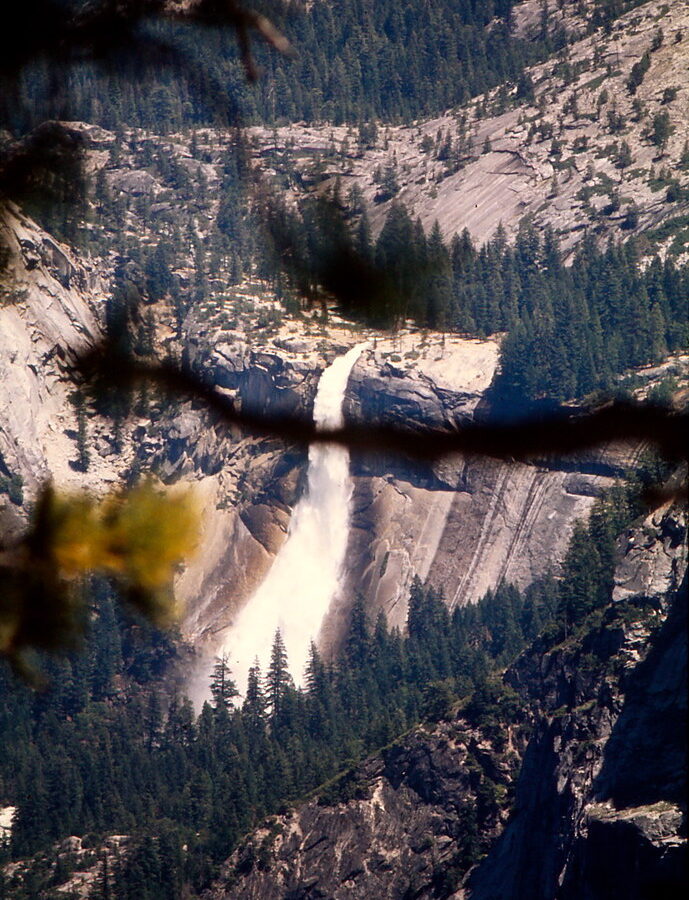
Photo: Ladycliff via Flickr (CC BY 2.0)
The Best Spring Hikes Yosemite offers feel especially immediate at the Vernal Fall Footbridge on a cool May morning, where spray hangs over the Merced River and granite steps vibrate faintly beneath the water’s roar. Upstream, snowmelt pours through a narrow channel of polished rock. The air beside the river can feel 10 to 15 degrees colder than the sunny forest traversed moments earlier.
Spring in Yosemite National Park generally stretches from March through June, but conditions vary sharply by elevation. Yosemite Valley sits near 4,000 feet, while Tioga Road crosses the Sierra Nevada at nearly 10,000 feet. A trail can be dry beside El Capitan and buried beneath snow near Glacier Point on the same day. Our overview explains when the seven hikes become practical, how runoff changes them, and which access restrictions affect a spring itinerary.
How the Best Spring Hikes in Yosemite Change by Month
Yosemite’s hiking spring follows snowmelt rather than the calendar. Lower elevations around Yosemite Valley, Wawona, and Hetch Hetchy open first. Trails above roughly 6,000 feet often retain snow, ice, flooded crossings, or fallen trees well after warm weather reaches the valley floor.
March and April Favor Lower Elevations
March often resembles winter above Yosemite Valley. Lower Yosemite Fall Trail and portions of the Valley Loop are usually the most straightforward choices because they remain near 4,000 feet and avoid prolonged high elevation exposure. Mirror Lake can also work when its approach is free of ice. Upper Yosemite Fall Trail, Chilnualna Falls Trail, and shaded sections of the Mist Trail may hold compacted snow that becomes slick after overnight freezes.
April brings longer afternoons and stronger runoff, but storms can still deposit substantial snow. South facing slopes dry faster than forested north facing terrain. Hetch Hetchy, at about 3,800 feet, often enters hiking season earlier than Yosemite’s high country, although waterfalls and creek crossings can become hazardous during rapid warming.
May and June Bring Peak Waterfall Conditions
May is frequently the strongest month for waterfall hiking. Yosemite Falls drops 2,425 feet in three main sections, while Vernal Fall and Chilnualna Falls carry snowmelt from broad watersheds above their trail corridors. Expect wet stone, cold spray, and louder water near bridges and cascades. Runoff can fluctuate daily as warm afternoons melt mountain snow.
By June, many valley trails are dry and days are warmer, but Tioga Road and Glacier Point Road may still be closed following deep winters. Mosquitoes emerge near Mirror Lake, meadows, and slow water. Waterfalls remain impressive after snowy winters, while low snowpack years can produce an earlier decline.
How the Best Spring Hikes in Yosemite Compare by Season
Spring combines powerful waterfalls with incomplete access. Summer opens the high country but adds heat and heavier trail traffic. Autumn brings stable weather and quieter paths, although many seasonal waterfalls shrink considerably. Winter creates solitude in Yosemite Valley while limiting conventional hiking to low elevation routes with manageable snow and ice.
A Season by Season Decision Table
| Season | Typical conditions | Crowd effects | Road and trail access | Best suited to |
|---|---|---|---|---|
| Spring | Cool mornings, variable storms, strong runoff, lingering snow | Moderate overall, busiest near waterfalls and holiday weekends | Valley and lower elevations accessible first, high roads may remain closed | Waterfalls, dogwood bloom, lower elevation day hikes |
| Summer | Warm valley days, dry trails, afternoon thunderstorms at elevation | Heaviest traffic, crowded parking areas and trailheads | Broadest access once Tioga Road and other seasonal routes open | High country hiking, backpacking, alpine lakes |
| Autumn | Cooler nights, generally dry terrain, reduced streamflow | Lower after early October | High roads remain available until significant snow arrives | Long day hikes, fall color, quieter granite routes |
| Winter | Snow, ice, short daylight, freezing nights | Light outside holidays | Seasonal road closures and limited high elevation access | Valley walks, snowshoeing, winter photography |
How Crowds Alter a Spring Hiking Day
Crowding concentrates around Yosemite Falls, Happy Isles, and the Mist Trail rather than spreading evenly across the park. Full parking areas can add walking distance before the hike begins, while narrow wet stairways above Vernal Fall slow movement in both directions. Starting early reduces congestion and provides firmer footing before meltwater and foot traffic soak exposed surfaces.
Hetch Hetchy and Wawona generally require more driving from Yosemite Valley, but they distribute hikers across longer routes. That tradeoff matters on short visits. A quieter trail can consume several additional hours once the round trip drive is included, especially when entering or leaving through winding mountain roads.
Access, Reservations, and Spring Trail Closures
Road status determines which hikes belong on the day’s plan. Yosemite Valley is the most reliable base for Lower Yosemite Fall, Mirror Lake, the Valley Loop, and the Mist Trail approach. Wawona provides access to Chilnualna Falls and Mariposa Grove, while Hetch Hetchy has a separate entrance and operating schedule.
Road Openings Do Not Follow Fixed Dates
Tioga Road and Glacier Point Road are cleared according to snow depth, avalanche conditions, road damage, and staffing. Their opening dates can vary by many weeks. None of our seven spring selections requires Tioga Road, which avoids building an itinerary around an uncertain trans Sierra crossing. Glacier Point access is also unnecessary for the routes covered here.
The Mariposa Grove arrival system changes seasonally. When its access road or shuttle is unavailable, reaching the grove may require an additional walk from the welcome area. Hetch Hetchy has controlled entry hours, and high water can temporarily close portions of the Wapama Falls route. Confirm current roads, reservations, permits, shuttle operations, and trail closures on the official park site before departure.
Day Hikes Versus Permit Controlled Routes
Ordinary day hiking on these seven routes generally does not require a wilderness permit. Overnight travel does, and Half Dome requires a separate permit when the cables are installed. The Half Dome summit is excluded from this list because spring cable status, snow, and exposed terrain make it a poor general recommendation for a seasonal day hiking guide.
Yosemite sometimes requires advance entrance reservations during selected periods. Those policies can affect visitors staying outside the park even when the chosen trail needs no hiking permit. Lodging and campground reservations follow separate systems, and popular spring weekends often fill far ahead of arrival.
Choosing Among the 7 Best Spring Hikes in Yosemite National Park
The strongest choice depends on runoff tolerance, elevation gain, available daylight, and driving time. Waterfall volume alone should not decide the route. A trail beside a swollen river may be spectacular but unsuitable for children, hikers uncomfortable on wet steps, or anyone carrying footwear without reliable traction.
The 7 Best Spring Hikes in Yosemite at a Glance
| Hike | Approximate distance | Elevation gain | Primary spring feature |
|---|---|---|---|
| Lower Yosemite Fall Trail | 1 mile loop | About 50 feet | Close view of Lower Yosemite Fall |
| Mirror Lake | About 2 miles round trip to the lake | About 100 feet | Seasonal water and views beneath Half Dome |
| Mist Trail to Vernal Fall Footbridge | 1.6 miles round trip | About 400 feet | Merced River and Vernal Fall |
| Valley Loop Trail | Up to 11.5 miles for the full loop | Mostly gentle | Meadows, riverbanks, and granite walls |
| Wapama Falls | About 5 miles round trip | About 500 feet | Waterfalls beside Hetch Hetchy Reservoir |
| Chilnualna Falls | About 8.2 miles round trip | About 2,400 feet | Powerful cascades above Wawona |
| Upper Yosemite Fall | About 7.2 miles round trip | About 2,700 feet | High views and the top of Yosemite Falls |
A Practical Selection Checklist
- Choose Lower Yosemite Fall for limited time, modest mobility demands, or a first afternoon in the valley.
- Choose Mirror Lake for reflections, easy grades, and close views of Half Dome’s base.
- Choose the Vernal Fall Footbridge for maximum waterfall impact without climbing to the fall’s exposed upper brink.
- Choose the Valley Loop when flexible mileage and multiple turnaround points matter.
- Choose Wapama Falls for lower elevation hiking away from Yosemite Valley’s busiest corridor.
- Choose Chilnualna Falls for a sustained climb and a quieter Wawona trailhead.
- Choose Upper Yosemite Fall for a strenuous full day with roughly 2,700 feet of climbing.
Match the Best Spring Hikes in Yosemite to Trail Conditions
Wet Stone Changes the Difficulty
Granite becomes unusually slick when coated with waterfall spray, fine sand, or ice. This matters most on the Mist Trail corridor and around Wapama Falls, where runoff can reach bridges and paved surfaces. Shoes with a defined rubber tread provide better control than smooth casual footwear. Trekking poles help on the descent from Upper Yosemite Fall and Chilnualna Falls, although they should never replace three points of contact on steep steps.
Snow and Ice Linger Above the Valley
Upper Yosemite Fall climbs through shaded forest before reaching exposed terrain near the rim at roughly 6,500 feet. Snow can persist near the top after the lower switchbacks have dried. Turning around at Columbia Rock, about 1 mile from the trailhead, still provides a broad view across Yosemite Valley toward Half Dome. That option avoids committing to the colder, steeper upper section when ice or cloud cover makes the full ascent unreasonable.
Cold water deserves equal attention. Yosemite’s spring rivers are fed by snowfields, and immersion can quickly impair movement and judgment. Stay behind railings, keep children close beside fast water, and avoid stepping onto wet rocks for photographs. Mirror Lake’s seasonal shoreline and the Merced River’s gravel bars can change as flow rises, so established paths provide the safest route.
Build a Spring Day Around Distance and Daylight
A One Day Yosemite Valley Plan
For one day, begin with Lower Yosemite Fall before the approach becomes busy, then connect portions of the Valley Loop through Cook’s Meadow and along the Merced River. Save the Vernal Fall Footbridge for late morning if temperatures began below freezing. This sequence allows shaded pavement and stone to soften gradually while placing the easiest walk first. Mirror Lake can replace the footbridge when wet steps, fatigue, or young children favor gentler terrain.
A Two Day Plan With a Quieter Second Hike
Use the first day for Yosemite Valley and reserve the second for either Wawona or Hetch Hetchy. Chilnualna Falls suits hikers prepared for sustained climbing, while Wapama Falls provides lower total ascent beside a reservoir framed by Kolana Rock. Avoid combining those areas in one day. The road connection consumes valuable hiking time, and Hetch Hetchy access does not function like an unrestricted through route.
Carry for Rapid Weather Changes
- Rain shell: Waterfall spray can soak cotton clothing even under clear skies.
- Warm layer: Shaded canyons remain cold during early starts and after storms.
- Traction: Carry suitable traction devices when recent reports mention packed snow or ice.
- Water and food: Long climbs expose hikers to sun well above the cooler valley floor.
- Offline map: Granite walls and narrow canyons can interfere with mobile reception.
- Headlamp: Upper Yosemite Fall and Chilnualna Falls frequently take longer than their mileage suggests.
Daylight expands rapidly through spring, from roughly 12 hours near the March equinox to almost 15 hours near the June solstice. Extra daylight supports longer hikes, but afternoon warmth also accelerates snowmelt and raises creek volume. Strenuous routes are best started early enough to complete exposed descents before fatigue and late day weather become factors.
Use Weather and Runoff to Make the Final Choice
After a Cold Storm
Choose Lower Yosemite Fall, the Valley Loop, or Mirror Lake after fresh snow reaches the rim. These routes remain comparatively low and provide easy turnaround options if shaded sections freeze. Upper Yosemite Fall can develop ice above Columbia Rock, while Chilnualna Falls may hold snow in forested gullies. Wait for direct observations from rangers or returning hikers before committing to a high endpoint.
During a Warm Snowmelt Cycle
Several warm days can produce stronger afternoon runoff even without rain. The Vernal Fall Footbridge remains an effective viewing point because it avoids the saturated staircase above the bridge. Wapama Falls requires greater caution because the route passes close to falling water near its turnaround area. Any closure barrier there reflects immediate water hazards and should define the end of the hike.
When Avoiding Crowds Matters Most
The Best Spring Hikes Yosemite visitors choose often cluster around three famous waterfalls. Quieter experiences come from timing and route design rather than mileage alone. Walk the western Valley Loop near Bridalveil Meadow, select Chilnualna Falls on a cool weekday, or visit Hetch Hetchy as a dedicated day trip. On busy mornings, hiking from an available valley parking area can be faster than repeatedly circulating near a preferred trailhead.
Choose the Best Spring Hike in Yosemite for Your Day
Spring rewards flexible planning. Select a primary route and one lower elevation alternative, then decide after checking overnight temperatures, recent precipitation, and observed trail conditions. Lower Yosemite Fall and the Valley Loop provide dependable flexibility. Vernal Fall, Wapama Falls, Chilnualna Falls, and Upper Yosemite Fall demand progressively closer attention to runoff, footing, climbing effort, and turnaround time.
The right hike also fits the wider itinerary. Visitors with one valley day gain more from combining short, connected walks than from losing hours to distant trailheads. Travelers with two or three days can give Wawona or Hetch Hetchy the time each deserves. That approach preserves the defining advantages of spring: cold clear mornings, forceful waterfalls, changing snow lines, and trails that reveal a different Yosemite with every gain in elevation.
Want to keep exploring? Browse all our Yosemite guides and articles for more trip-planning tips and ideas.
Gear & Essentials
Tell us about your trip and we will add what else you will want:
The basics
Worth having in the car whatever the park.
For this trip
Traveling with kids
Bringing a pet
RVing
Backcountry
Winter conditions
On the water
Photography
Accessibility
As an Amazon Associate we earn from qualifying purchases, at no extra cost to you.