Yosemite National Park in Fall: What to Expect and What to Do
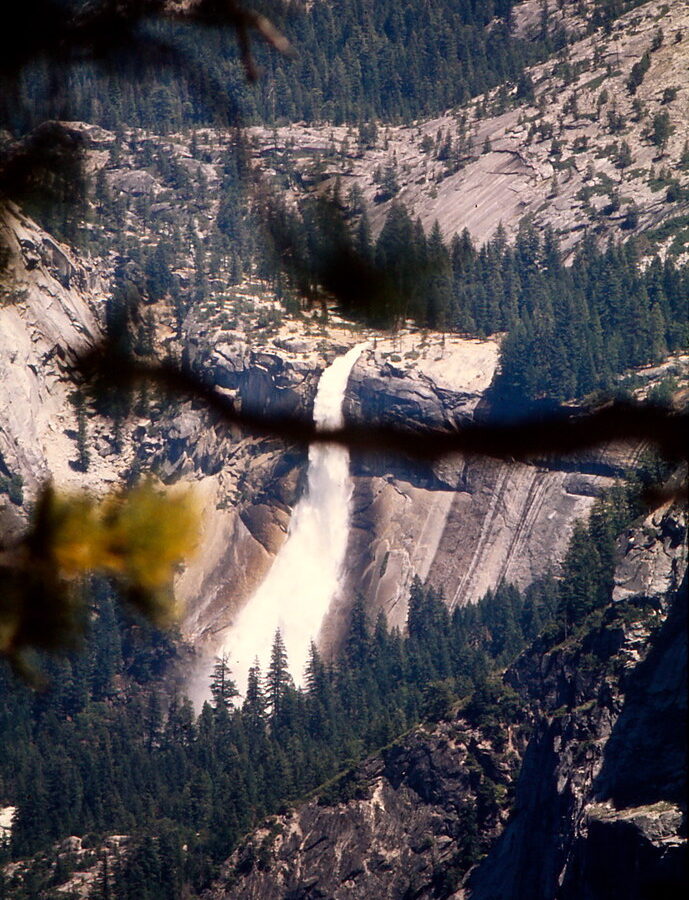
Photo: Ladycliff via Flickr (CC BY 2.0)
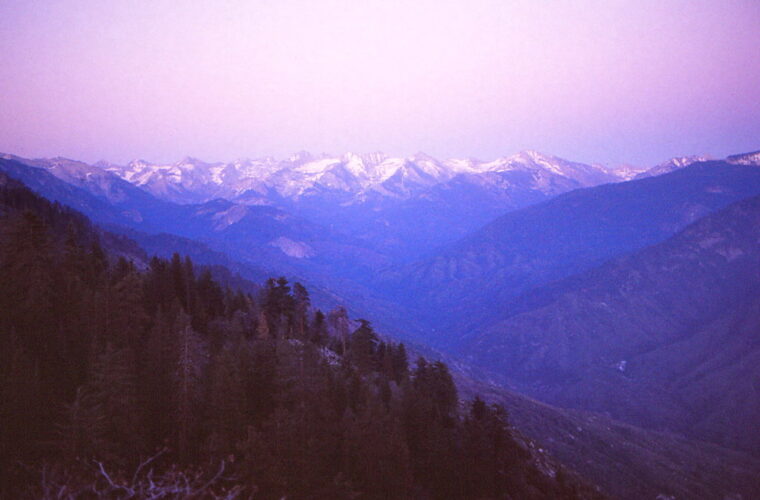
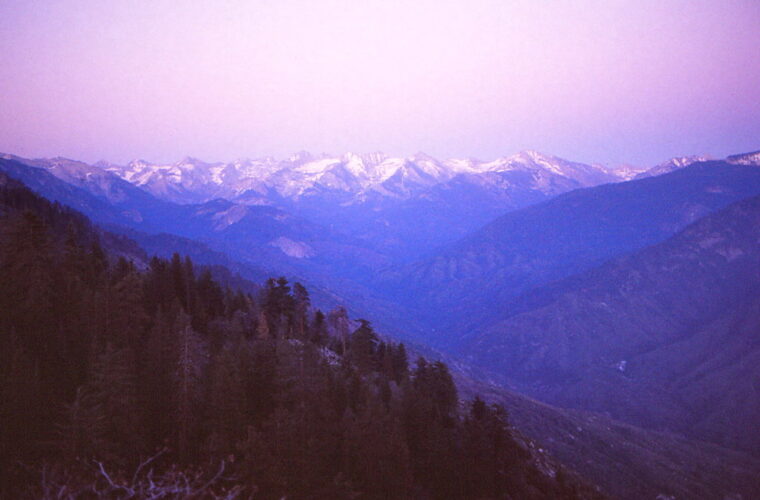
Yosemite National Park fall often surprises visitors because autumn color is secondary to the season’s larger transformation. Waterfalls shrink, high-country roads approach their winter closures, nights turn cold, and summer crowds recede unevenly. Yosemite Valley remains busy on pleasant weekends, while Tuolumne Meadows can feel nearly empty before the first major snowstorm closes Tioga Road. Fall generally spans September through November, but elevation matters more than the calendar. Yosemite Valley sits near 4,000 feet, Glacier Point rises to 7,214 feet, and Tioga Pass reaches 9,945 feet. A mild afternoon beneath El Capitan can coincide with freezing temperatures and fresh snow at higher elevations.
Fall generally spans September through November, but elevation matters more than the calendar. Yosemite Valley sits near 4,000 feet, Glacier Point rises to 7,214 feet, and Tioga Pass reaches 9,945 feet. A mild afternoon beneath El Capitan can coincide with freezing temperatures and fresh snow along the Sierra crest. Planning well means choosing a fall period that matches your priorities, then building flexibility around weather and road access.
Why Yosemite National Park in Fall Feels Different
Autumn color appears in pockets, not across entire mountainsides
Yosemite’s forests are dominated by evergreen species, including ponderosa pine, incense cedar, sugar pine, white fir, and lodgepole pine. Fall color comes from scattered black oaks, bigleaf maples, dogwoods, cottonwoods, and willows. Yosemite Valley usually produces the most accessible displays around Cook’s Meadow, Sentinel Meadow, the Merced River, and the lower reaches of Yosemite Falls. Pacific dogwoods can turn pink or red, while black oaks develop yellow and bronze leaves beneath the granite walls.
Color timing varies by species, elevation, drought stress, and overnight temperatures. Higher elevations can show yellowing willows and meadow grasses in September, while many Valley oaks hold their leaves into late October or November. Visitors expecting a single peak-color week should instead plan for a progression. Wind or an early storm can strip leaves quickly, especially from exposed cottonwoods along the Merced River.
Water, light, and wildlife follow seasonal rhythms
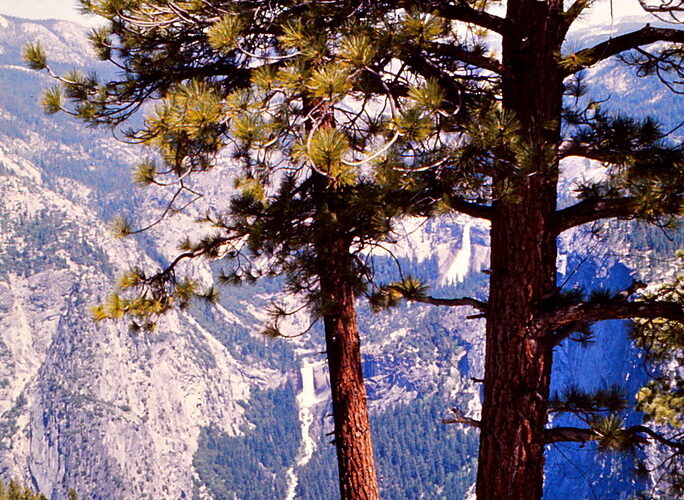
Yosemite Falls, which drops 2,425 feet in three stages, is commonly reduced to a thread or becomes dry by fall. Bridalveil Fall usually retains some flow, although its volume can be modest. Vernal and Nevada falls continue running, but neither resembles its forceful spring condition. Lower water exposes polished granite, boulders, and quiet pools along the Merced, creating clearer reflections when wind is light.
Shorter days lower the sun’s angle, keeping portions of Yosemite Valley cool even during mild weather. Mule deer become more visible around meadows, and black bears remain active while seeking calories before winter. Keep food and scented items secured according to park rules, including during daytime stops. Never approach wildlife for photographs, and use a telephoto lens rather than changing an animal’s behavior.
Yosemite National Park Fall: What to Expect Month by Month
How the seasonal windows compare
Fall does not arrive everywhere at once. September often functions like a cooler extension of summer, October brings the strongest balance of color and access, and November introduces winter conditions without a reliable winter snowpack. The table below compares the periods most visitors consider when choosing dates.
| Period | Crowds | Typical conditions | Road and trail access | Best suited to |
|---|---|---|---|---|
| Early September | Busy on weekends, quieter after summer holidays | Warm Valley afternoons, cold high-country nights, possible smoke | Broadest fall access, with high roads usually open | Tuolumne Meadows, long hikes, climbing, backpacking |
| Late September to mid October | Moderate, with weekend congestion in Yosemite Valley | Crisp mornings, mild afternoons, increasing storm risk | Most major areas commonly accessible, weather permitting | Balanced sightseeing, hiking, photography, early color |
| Late October | Light on weekdays, moderate on fair-weather weekends | Freezing nights possible, first significant snow may arrive | Tioga Road and Glacier Point Road become uncertain | Valley color, shorter hikes, quieter viewpoints |
| November | Generally low outside holiday periods | Cold rain in the Valley, snow and ice at elevation | High-country roads often closed or subject to sudden closure | Valley walks, photography, flexible road trips |
September preserves access to the high country
September is usually the strongest choice for hikers who want Tuolumne Meadows, Tenaya Lake, Cathedral Lakes, or trails near Tioga Pass. The 8 mile round trip to Cathedral Lakes begins near 8,600 feet and climbs through lodgepole forest toward granite basins below Cathedral Peak. Cold mornings are normal, even when Yosemite Valley reaches comfortable afternoon temperatures. Afternoon thunderstorms become less frequent than in midsummer, but exposed ridges still require careful weather judgment.
October provides the broadest mix of fall experiences
October commonly offers cool hiking temperatures, developing Valley foliage, and lower weekday crowds. The 5 mile Valley Loop segment between Lower Yosemite Fall and El Capitan Meadow passes black oaks, riverbanks, and major cliff views without substantial elevation gain. At Cook’s Meadow, dry leaves scrape across the boardwalk underfoot while the granite face of Half Dome catches late light overhead. Once the sun drops behind the rim, the meadow cools abruptly and the evening air settles close to the ground.
November rewards flexible visitors
November can deliver clear skies and quiet trails, but itineraries should remain centered on Yosemite Valley and lower elevations. Rain in the Valley can fall as snow at Crane Flat, Badger Pass, or along roads approaching the park. Shaded trail surfaces may stay icy throughout the day. Carry traction when ice is forecast, and avoid treating a dry trailhead as evidence that upper switchbacks will also be dry.
Crowds, Weather, and Daily Life in Yosemite National Park in Fall
Where congestion remains after summer
Reduced visitation does not eliminate traffic at Yosemite’s main bottlenecks. Valley parking areas can fill on sunny October weekends, particularly around Yosemite Village, Curry Village, and popular trailheads. Arriving early reduces time spent circulating, but the better strategy is to park once and connect sights on foot, by bicycle where permitted, or by seasonal park transportation when operating. Short drives between viewpoints often consume more time than expected because Valley roads follow a one-way circulation pattern.
Glacier Point, Tunnel View, and the Mist Trail corridor also concentrate visitors around sunrise, sunset, and midday. Quieter alternatives include the western portion of the Valley Loop Trail, the Merced River near Cathedral Beach, and Wawona’s meadow paths. Solitude increases dramatically in Tuolumne Meadows after September, although fewer people also means less immediate assistance if weather changes or a hiking injury occurs.
Temperature swings require layered clothing
Yosemite Valley may experience pleasant daytime temperatures followed by near-freezing nights. Conditions change faster above 7,000 feet, where wind, shade, and snow cover can lower the effective temperature. Pack a moisture-wicking base layer, insulating fleece or down, a waterproof shell, gloves, and a warm hat. Carry these layers on day hikes rather than leaving them in the vehicle.
- For Valley walks: bring sun protection, a light insulating layer, and a rain shell.
- For Glacier Point: add gloves and a wind-resistant outer layer, especially near sunset.
- For Tioga Road hikes: carry winter-capable layers, a headlamp, and traction when ice is possible.
- For overnight trips: use a sleep system rated below the forecast low and protect water filters from freezing.
Road Access, Trail Changes, and Reservations During Yosemite National Park Fall
High-elevation roads can close with little warning
Tioga Road crosses the park between Crane Flat and Tioga Pass, connecting Yosemite Valley with Tuolumne Meadows and the eastern Sierra. It has no fixed fall closing date. Snow and ice determine when the road closes, and an early closure can remain in effect for winter. Glacier Point Road follows a similar weather-dependent pattern. Yosemite Valley and Wawona remain reachable through lower-elevation entrances, although tire chains may be required during storms.
A Tioga Road closure creates a major geographic divide. There is no short route through the park between Yosemite Valley and communities east of the Sierra once the pass closes. Detouring around the range can add several hours, depending on which lower pass remains open. Visitors combining Yosemite with Mono Lake, Lee Vining, or the eastern Sierra should avoid making a weather-sensitive crossing essential to a flight or fixed lodging reservation.
Trail infrastructure begins shifting toward winter
The Mist Trail can develop ice near Vernal Fall, particularly where spray wets shaded stone steps. The Four Mile Trail climbs roughly 3,200 feet from Yosemite Valley to Glacier Point and may close after hazardous snow or ice accumulates. Half Dome’s cables are generally removed for winter after the permitted hiking season, with timing influenced by conditions. Once the cables are down, the exposed final ascent is inappropriate for ordinary day hikers.
Book the parts that control the itinerary first
Park lodging commonly opens well in advance, while many campground reservations use release windows several months before arrival. Wilderness permits and Half Dome permits follow separate systems, and entrance reservation rules can change between seasons and years. Secure overnight lodging or camping before building a fixed hiking plan, then check road status, permit procedures, chain requirements, and seasonal transportation shortly before departure. Confirm current dates, fees, and reservation details on the official park site.
Choose Hikes That Fit the Remaining Daylight
Fall daylight contracts quickly at Yosemite’s latitude. Sunset occurs around 7:20 p.m. in mid September, near 6:15 p.m. in mid October, and before 5 p.m. after the November time change. Granite walls bring shade to parts of Yosemite Valley earlier than the published sunset. Start long climbs early, carry a headlamp for every hike, and set a turnaround time based on the slowest person in the group.
Use Valley trails when higher routes become uncertain
The 1.6 mile round trip to the Vernal Fall Footbridge gains roughly 400 feet and provides a practical half-day objective when upper trails are icy. Columbia Rock, reached by climbing about 1,000 feet over a 2 mile round trip on the Upper Yosemite Fall Trail, overlooks Half Dome and the Valley. Both routes have steep sections that can hold frost, so footwear with firm tread matters after cold nights.
Save exposed viewpoints for stable weather
When Glacier Point Road remains open and dry, Sentinel Dome and Taft Point offer short walks with broad views. The Sentinel Dome route is approximately 2.2 miles round trip, while the usual Taft Point route is similar in length. Taft Point has unguarded cliff edges and deep fissures near the viewpoint. Strong wind, ice, or low cloud can make either destination unsuitable, even when the trailhead pavement appears clear.
Lower-elevation alternatives
Mariposa Grove provides a forested option near the South Entrance. The Grizzly Giant Loop covers about 2 miles and passes the Grizzly Giant, California Tunnel Tree, and other mature giant sequoias. Access arrangements between the entrance area and grove can vary seasonally, but the grove’s lower elevation often makes it useful when Tioga Road destinations are no longer practical.
Build an Itinerary Around One Geographic Area
Yosemite covers nearly 1,200 square miles, and fall road conditions can magnify travel times. Grouping each day by area prevents unnecessary crossings of the park. A Valley day can combine Cook’s Meadow, Lower Yosemite Fall, El Capitan Meadow, and a section of the Valley Loop. If Glacier Point Road is open, give its overlooks a separate day rather than adding them between Valley stops.
A flexible two-day plan
- Day one: Walk the eastern Valley near sunrise, continue to Lower Yosemite Fall, then follow the Valley Loop toward El Capitan Meadow. Finish at Valley View or Tunnel View, allowing extra time before sunset.
- Day two with open high roads: Choose Tuolumne Meadows, Tenaya Lake, or Glacier Point according to weather and driving direction.
- Day two after snow: Remain at lower elevation with Mariposa Grove, Wawona, or another Valley hike.
Allow three days for weather recovery
A third day substantially improves a Yosemite National Park Fall trip because a passing storm can obscure viewpoints for hours while producing clear conditions the following morning. Reserve the most stable forecast for an exposed hike. Use rainy periods for short Valley walks, where clouds often separate around El Capitan, Cathedral Rocks, and Half Dome. Keep the final day geographically close to the entrance used for departure.
Decide Which Fall Window Matches Your Priorities
The best dates depend on the experience that matters most. High-country hikers gain more from September’s road access than from late autumn color. Photographers seeking black oaks along the Merced may prefer late October, accepting a greater chance of closed high roads. Visitors prioritizing quiet Valley paths can consider November, provided their plans tolerate rain, snow, and icy mornings.
Compare the practical tradeoffs
| Priority | Strongest period | Main advantage | Primary compromise |
|---|---|---|---|
| Tuolumne day hikes | September | Best probability of Tioga Road access | Limited Valley color and lingering crowds |
| Valley foliage | Mid to late October | Black oak, dogwood, and maple color | Shorter days and possible early snow |
| Low visitor density | November weekdays | Quieter paths and easier movement around the Valley | Reduced high-country access |
| Long climbing or hiking days | Early September | More daylight and generally dry trails | Warm afternoons and possible wildfire smoke |
Use a simple booking test
Choose September if crossing Tioga Pass or completing a high-elevation hike is central to the trip. Choose October if varied scenery, moderate temperatures, and developing foliage carry equal weight. Choose November if low crowds matter most and every planned activity has a lower-elevation substitute. In all three periods, avoid placing an essential Sierra crossing immediately before a flight or another reservation that cannot be moved.
Plan an Adaptable Yosemite National Park Fall Visit
Yosemite’s autumn rewards plans built around elevation, daylight, and weather rather than a rigid list of landmarks. September usually preserves the widest trail access. October balances Valley color with cooler hiking conditions. November creates the quietest experience while directing most visitors toward Yosemite Valley, Wawona, and other lower areas.
Select one primary objective and one weather-resistant alternative for each day. Pack for temperatures below the Valley forecast, keep a headlamp accessible, and avoid relying on high-country roads for time-sensitive travel. With those decisions made before arrival, changing conditions become manageable adjustments rather than reasons to lose an entire day.
Want to keep exploring? Browse all our Yosemite guides and articles for more trip-planning tips and ideas.
Gear & Essentials
Tell us about your trip and we will add what else you will want:
The basics
Worth having in the car whatever the park.
For this trip
Traveling with kids
Bringing a pet
RVing
Backcountry
Winter conditions
On the water
Photography
Accessibility
As an Amazon Associate we earn from qualifying purchases, at no extra cost to you.