Where to Stay Near Sequoia National Park: Lodges, Campgrounds and Towns
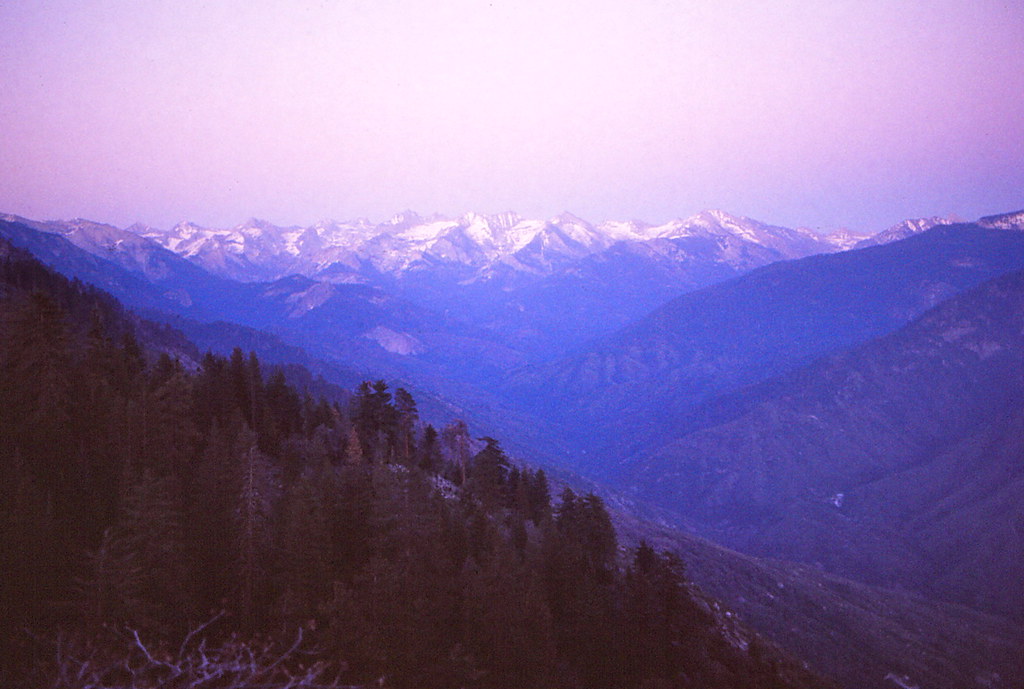
Photo: Ladycliff via Flickr (CC BY 2.0)
Choosing Where Stay Near Sequoia determines how much of your day goes to giant sequoias and how much goes to steep, winding mountain roads. Sequoia National Park rises from roughly 1,300 feet near the Ash Mountain Entrance to 14,494 feet on Mount Whitney, and lodging is scattered among foothill towns, high forest developments, and campgrounds separated by major elevation changes. Our team recommends choosing a base around one primary experience: Giant Forest and the General Sherman Tree, the quieter Grant Grove area in neighboring Kings Canyon National Park, or the foothills along the Kaweah River. This guide explains how those options compare.
Our team recommends choosing a base around one primary experience: Giant Forest and the General Sherman Tree, the quieter Grant Grove area in neighboring Kings Canyon National Park, or the foothills along the Kaweah River. This guide explains how those zones connect, which accommodations reduce daily driving, and where campers should look at different times of year.
How Where You Stay Near Sequoia National Park Shapes Your Trip
Two paved approaches serve the main developed areas. California Highway 198 enters Sequoia through Ash Mountain, while Highway 180 reaches Grant Grove from the west. Generals Highway links the two, passing Giant Forest, Lodgepole, and high ridges before reaching Kings Canyon National Park. There is no road crossing the Sierra Nevada through the park, so towns east of the mountains do not provide practical access to General Sherman or Giant Forest.
The Highway 198 and Ash Mountain Corridor
Three Rivers sits about 6 miles from Ash Mountain Entrance and provides the closest concentration of vacation rentals, motels, restaurants, and groceries on the south side. From the entrance, Generals Highway climbs approximately 5,000 vertical feet to Giant Forest through tight curves and exposed slopes. The drive from Three Rivers to Giant Forest commonly takes about an hour, even though the map distance is only around 30 miles.
Partway up, the road shifts from dry blue oak woodland into incense cedar, white fir, ponderosa pine, and giant sequoia forest. Through an open window, warm chaparral air gives way to cool resin scented shade. At Giant Forest, boots land on reddish sequoia duff, traffic noise softens among massive trunks, and the scale of the trees becomes apparent only when people on the Congress Trail shrink beside their bases.
Where to Stay Near Sequoia for Grant Grove
Highway 180 is the more direct route for visitors arriving from Fresno and the northern San Joaquin Valley. It enters Kings Canyon National Park near Big Stump and reaches Grant Grove, where the General Grant Tree stands along a roughly one third mile paved loop. Giant Forest lies about 28 winding miles south on Generals Highway, a drive that often requires close to an hour.
| Base area | Approximate elevation | Best access | Main tradeoff |
|---|---|---|---|
| Three Rivers | About 800 to 1,200 feet | Ash Mountain and the foothills | Long climb to Giant Forest |
| Wuksachi area | About 7,200 feet | Giant Forest and Lodgepole | Limited dining and lodging inventory |
| Grant Grove | About 6,500 feet | General Grant Tree and Highway 180 | Farther from Moro Rock and General Sherman |
| Visalia | About 330 feet | Full city services | Substantial daily driving |
Where to Stay Near Sequoia Inside the Parks
Sleeping inside the park protects the first and last hours of the day, when parking is easier and forest trails are quieter. It also reduces repeated travel on Generals Highway. The tradeoffs are fewer food choices, limited mobile service, and seasonal operations at some facilities. Room availability, campground opening dates, road restrictions, and reservation rules change, so confirm current details on the official park site before booking.
Wuksachi Lodge for Giant Forest Access
Wuksachi is the principal hotel style lodging within Sequoia National Park. Its high forest location is roughly 8 miles north of Giant Forest, making it the most convenient conventional lodging for the General Sherman Tree, the Giant Forest Museum, Crescent Meadow, and Moro Rock. The Congress Trail, a roughly 2.7 mile loop beginning near General Sherman, is particularly easy to visit early from this base.
At approximately 7,200 feet, Wuksachi experiences a mountain climate rather than the hot foothill conditions found in Three Rivers. Snow can affect roads from autumn into spring, while summer nights often require a fleece or light insulated layer. Guests should arrive with fuel and essential supplies already handled because shopping and dining choices inside the park are limited compared with gateway towns.
Lodgepole for Cabins and Camping Near the Sequoias
Lodgepole occupies the Marble Fork of the Kaweah River at roughly 6,700 feet, a short drive north of Giant Forest. Its campground places visitors close to the 3.4 mile round trip Tokopah Falls Trail, which follows a glacially carved granite canyon to a seasonal cascade. Water is strongest during snowmelt, while late summer exposes more polished granite and lowers the river substantially.
This area suits travelers who want direct trail access and accept a busier campground setting. Bears actively forage throughout the mixed conifer forest, so food, scented toiletries, coolers, and cooking equipment must be stored according to park rules. A vehicle does not function as acceptable food storage in every circumstance, making campground food lockers central to trip planning.
Grant Grove Lodging in Kings Canyon
Grant Grove contains lodge rooms, cabins, and nearby camping within walking or short driving distance of giant sequoia groves. It works especially well for itineraries combining Sequoia with the Kings Canyon Scenic Byway. The General Grant Tree, named the Nation’s Christmas Tree in 1926, is the grove’s focal point, while the longer North Grove Loop explores quieter stands of mature sequoias.
Visitors should distinguish Grant Grove from Cedar Grove. Grant Grove sits near the park entrance and remains connected to the western highway network. Cedar Grove lies deep in Kings Canyon at the end of Highway 180 and is reached by a long, seasonal mountain drive. It is poorly positioned for day trips to Giant Forest despite sharing the same national park name.
Where to Stay Near Sequoia: Town Bases and Lower-Elevation Campgrounds
Gateway towns offer larger rooms, kitchens, supermarkets, and more dining flexibility, but their usefulness depends on the park entrance. Three Rivers serves the south entrance, while Fresno and smaller Highway 180 communities serve Grant Grove. Visalia provides the broadest range of city services for the Highway 198 approach, although commuting from there sacrifices early trail time.
Three Rivers: Where to Stay Near Sequoia National Park
Three Rivers follows the forks of the Kaweah River below the Sierra foothills. Vacation rentals are common, and properties vary sharply in road access, shade, and distance from Highway 198. Travelers should check the actual map location rather than relying on a Three Rivers mailing address. A rental several miles up a narrow side road can add meaningful time to every park day.
Summer temperatures here regularly feel much hotter than conditions in Giant Forest because the town sits thousands of feet lower. That difference favors pools and riverside patios after a park day, but river access requires caution. Cold, swift snowmelt can make apparently calm sections hazardous in spring and early summer, particularly near smooth granite and constricted channels.
Campgrounds by Elevation and Season
Campground selection should follow expected nighttime temperatures and the part of the park being explored. The principal zones include:
- Potwisha: A low elevation foothill campground near the Middle Fork of the Kaweah River, useful during cooler months and convenient to Ash Mountain.
- Buckeye Flat: A foothill option reached from the Generals Highway corridor, with hot summer conditions and access limitations for larger vehicles.
- Lodgepole: A high elevation base near Giant Forest, Tokopah Falls, and central park services.
- Azalea: A Grant Grove campground suited to the General Grant Tree and northern park explorations.
- Cold Springs and Atwell Mill: Remote Mineral King campgrounds reached by a long, narrow mountain road, best for hikers focused on the high country rather than first-time sightseeing.
Match the Base to the Days You Have
A one-night stop calls for a different base than a three-day exploration. The slow mountain roads make hotel changes costly, especially when checkout, luggage, and parking consume the cool morning hours. Travelers asking where stay near Sequoia should first identify the farthest attraction on their itinerary, then choose lodging that avoids crossing the same high-elevation corridor each day.
One Night Focused on Giant Forest
For a short visit, Wuksachi or Lodgepole preserves the most sightseeing time. Arrive through Ash Mountain, explore Moro Rock or Crescent Meadow in the afternoon, then visit General Sherman early the following morning. Moro Rock’s stairway climbs more than 350 steps to a granite summit at 6,725 feet, where the Great Western Divide fills the eastern skyline. Parking access and transportation patterns around popular sites can vary, so build flexibility into the order of stops.
Two or Three Nights Across Both Parks
With several nights, divide the stay between the Giant Forest corridor and Grant Grove rather than commuting between them repeatedly. This arrangement supports an early Congress Trail walk, a separate Crescent Meadow visit, and time for the Kings Canyon Scenic Byway. The byway descends from Grant Grove toward the South Fork of the Kings River, passing broad views at Junction View before entering the deep granite canyon around Cedar Grove.
| Trip plan | Most efficient base | Useful second base |
|---|---|---|
| One night, giant trees | Wuksachi or Lodgepole | None |
| Two nights, southern highlights | Three Rivers or Wuksachi | None |
| Three nights, both parks | Giant Forest corridor | Grant Grove |
| High-country hiking | Mineral King campground | Three Rivers before or after |
Seasonal Conditions That Affect Lodging Choice
Elevation creates several climates within a single trip. Three Rivers can be hot and dry while snow remains around Giant Forest. Winter storms may require tire chains or cables on mountain roads, even for some four-wheel-drive vehicles. Summer removes most snow concerns but brings crowded trailheads, warm foothill nights, and occasional smoke from regional wildfires.
Late Spring and Early Summer
May and June often combine open foothill trails with lingering snow above 7,000 feet. Giant sequoia groves may have wet paths, icy shaded sections, and cold mornings while Potwisha experiences summerlike heat. High-country visitors should expect stream crossings to strengthen during snowmelt. Lodging near Giant Forest reduces driving after dark, when deer and black bears may appear along Generals Highway.
Autumn and Winter
September generally brings cooler nights and lower river flow, while October can shift quickly from clear weather to the first significant snow. Winter favors a high-elevation lodge for visitors prepared for chain controls and limited road access. A Three Rivers stay provides easier arrival conditions, but each park day begins with the long climb. Daylight is short, making an early departure especially important.
Details to Check Before Reserving
A promising room can still be a poor fit if the access road, kitchen setup, or parking arrangement conflicts with the trip. Mountain lodging descriptions sometimes use broad regional names, so verify the property on a map and compare it with the correct entrance. Mineral King, for example, branches from Highway 198 near Three Rivers but requires roughly 25 miles of narrow, winding travel before reaching the trailheads.
Questions for Lodges and Vacation Rentals
Ask precise questions before committing to a foothill rental or cabin. Mobile coverage weakens in canyons, and steep private roads can complicate late arrivals. Useful checks include:
- Is the property reached entirely by paved road?
- Does the room include air conditioning at foothill elevation?
- Are cooking facilities available, and what food storage rules apply?
- How far is the property from Highway 198 or Highway 180?
- Can the parking area accommodate the length of the vehicle?
Plan Food, Fuel, and Night Driving
Fill the fuel tank and buy specialty groceries before climbing into the park. Limited selection at high elevation makes dietary restrictions harder to manage, and backtracking adds substantial time. After sunset, Generals Highway demands slower driving because of sharp bends, darkness, and wildlife. Travelers prone to motion sickness should avoid scheduling dinner or check-in immediately after repeated trips along the steep Ash Mountain approach.
Choosing Where to Stay Near Sequoia With Confidence
The strongest choice follows geography. Stay around Wuksachi or Lodgepole for maximum time among the Giant Forest sequoias, choose Grant Grove for the General Grant Tree and Kings Canyon corridor, and use Three Rivers when space, kitchens, and lower-elevation services matter most. Visalia works best as an arrival or departure stop rather than a daily park base.
Reserve around the experience that matters most, then account for elevation, seasonal road conditions, and realistic mountain driving times. A well-positioned bed or campsite creates room for early forest walks, uncrowded overlooks, and safer travel before darkness. That planning choice often determines how much of Sequoia National Park you can actually experience.
Want to keep exploring? Browse all our Sequoia guides and articles for more trip-planning tips and ideas.
Gear & Essentials
Tell us about your trip and we will add what else you will want:
The basics
Worth having in the car whatever the park.
For this trip
Traveling with kids
Bringing a pet
RVing
Backcountry
Winter conditions
On the water
Photography
Accessibility
As an Amazon Associate we earn from qualifying purchases, at no extra cost to you.