Yosemite National Park Camping Guide: Campgrounds, Reservations and Tips
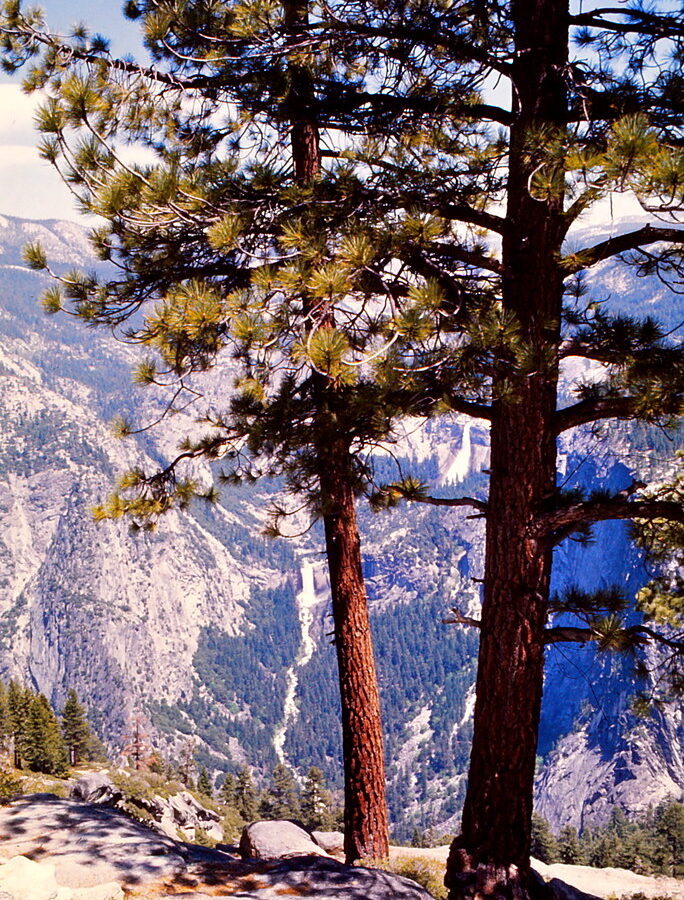
Photo: Ladycliff via Flickr (CC BY 2.0)
Yosemite National Park camping at Upper Pines begins before sunrise, when the Merced River sounds louder than the waking campground and granite walls emerge above the dark crowns of ponderosa pines. The ground feels cool and sandy underfoot, wood smoke hangs between the trees, and the first light reaches Half Dome long before it warms the valley floor.
Choosing a campsite requires more than finding an available date. Yosemite’s campgrounds range from approximately 4,000 feet in Yosemite Valley to about 8,600 feet at Tuolumne Meadows. Elevation controls nighttime temperatures, opening dates, vegetation, driving time, and access to trailheads. Our guide begins with the major campground areas, site styles, and reservation process.
Yosemite National Park Camping Areas and Campgrounds at a Glance
Yosemite has several distinct camping zones rather than one centralized campground complex. Yosemite Valley provides the easiest access to Half Dome, Yosemite Falls, and the Mist Trail. Wawona serves the southern park, while Hodgdon Meadow and Crane Flat work well for western approaches. Tioga Road campgrounds place campers near subalpine lakes, granite domes, and high-country trailheads.
Yosemite Valley campgrounds
Upper Pines, Lower Pines, and North Pines occupy the eastern valley near the Merced River at roughly 4,000 feet. Upper Pines is the largest and generally accommodates the broadest mix of tents and recreational vehicles. Lower Pines has open views toward Half Dome from parts of the campground, while North Pines sits between Tenaya Creek and the Merced River. Campsites are close together, with limited visual privacy during busy periods.
Camp 4 and its shared camping culture
Camp 4 sits west of Yosemite Valley Lodge near the base of Yosemite Falls. It is a tent-focused campground historically associated with climbers who developed routes on El Capitan and Yosemite’s other walls. Sites may be shared, and parking is separated from tents, so campers should expect to carry equipment. Its location is convenient for the Lower Yosemite Fall Trail, a roughly 1-mile loop, and the strenuous Upper Yosemite Fall Trail.
Campgrounds outside Yosemite Valley
Wawona Campground lies beside the South Fork of the Merced River near the park’s southern entrance. Hodgdon Meadow is near the Big Oak Flat entrance, while Crane Flat occupies a forested junction between Yosemite Valley and Tioga Road. These locations reduce congestion around camp, although visiting the valley requires additional driving. Mountain roads, wildlife crossings, and summer traffic make travel times less predictable than mileage suggests.
| Camping area | Approximate elevation | Setting and practical character | Best access |
|---|---|---|---|
| Yosemite Valley | 4,000 feet | Busy, shaded forest near major landmarks | Mist Trail, Yosemite Falls, El Capitan |
| Wawona | 4,000 feet | River corridor with warmer summer conditions | Mariposa Grove and southern Yosemite |
| Hodgdon Meadow | 4,900 feet | Dry mixed-conifer forest near a western entrance | Big Oak Flat Road and Hetch Hetchy turnoff |
| Crane Flat | 6,200 feet | Cooler forest at a central road junction | Tioga Road and Yosemite Valley |
| Tuolumne Meadows | 8,600 feet | High-elevation lodgepole forest and meadow country | Cathedral Lakes, Lembert Dome, Lyell Canyon |
Choosing a Yosemite National Park Camping Site for Your Tent or RV
Yosemite campsites are developed but generally simple. Individual sites commonly include a parking spur, picnic table, fire ring, and food-storage locker, although layouts and available facilities vary. Yosemite campgrounds do not provide electric, water, or sewer hookups at individual sites. Campers who need hookups should plan to stay outside the park and commute.
Yosemite National Park Camping for tents
Tent campers have the widest choice, including smaller and more primitive campgrounds along Tioga Road. Tamarack Flat, White Wolf, Yosemite Creek, and Porcupine Flat provide a quieter forest setting than Yosemite Valley. Some involve narrow roads, limited services, or sites that require carrying gear a short distance. Nighttime temperatures can approach freezing in the high country even when afternoons are warm.
RV length, parking spurs, and maneuvering room
RV suitability depends on the exact site rather than the campground name alone. Trees, boulders, angled parking spurs, and one-way loops can make a nominally adequate site difficult for a long trailer. Reservation listings identify maximum equipment lengths, but those figures may describe the parking pad rather than comfortable maneuvering space. Measure the tow vehicle and trailer separately, then compare both with the individual site description.
- Choose a site that explicitly accepts the full RV or trailer length.
- Study campsite photographs for trees beside the parking spur.
- Expect limited space for awnings and slide-outs in forested sites.
- Fill freshwater tanks before entering primitive campground areas.
- Plan battery capacity carefully because individual hookups are unavailable.
How Yosemite National Park Camping Reservations Work
Demand is highest for Yosemite Valley from spring through autumn and for high-country campgrounds after Tioga Road opens. Most reservable inventory is released through the federal reservation system in scheduled batches, often months before arrival. Release dates, first-come camping, entrance requirements, fees, and campground operating seasons can change, so confirm current details on the official park site before booking transportation or nonrefundable lodging.
The typical booking window
Yosemite has traditionally released many campground reservations in monthly blocks, up to about five months ahead, at a specified Pacific Time release. Popular valley sites can disappear within minutes. Create an account in advance, save traveler information, and identify several acceptable sites before the release begins. A flexible weekday arrival usually gives better odds than targeting Friday or Saturday.
A practical reservation sequence
- Select two or three campground areas based on elevation and planned activities.
- Check RV dimensions, occupancy limits, and vehicle limits for individual sites.
- Prepare several arrival dates rather than relying on one weekend.
- Log in before the release time and open only the dates you can complete quickly.
- Read the confirmation carefully for check-in rules, food storage, and entry instructions.
Cancellations and separate park-entry rules
Cancelled campsites return to the reservation system, making repeated searches worthwhile in the weeks before a trip. Search one or two nights at a time because shorter openings appear more often than weeklong stays. A campground reservation may satisfy separate vehicle-entry requirements during the valid stay, but it does not automatically cover unrelated dates before or afterward. The name on the reservation and photo identification may also be checked at entry.
Location Tradeoffs That Affect the Entire Trip
A campsite near the correct trail network can save hours of driving. Yosemite Valley is about 7 miles long, yet congestion and restricted parking can slow movement considerably. Campers near Upper Pines can walk directly toward Happy Isles for the Mist Trail, which reaches Vernal Fall Footbridge after approximately 0.8 mile and climbs to the top of Vernal Fall in roughly 1.5 miles.
Valley convenience versus space and quiet
Valley campgrounds place campers beneath granite walls formed from intrusive igneous rock and later sculpted by glaciers. They also bring road noise, neighboring campsites, and active bear-management rules. North Pines and Lower Pines can feel more open near the river, while Upper Pines extends deeper into the forest. None should be selected for seclusion during peak periods.
High-country access along Tioga Road
Tuolumne Meadows and nearby primitive campgrounds shorten the approach to Cathedral Lakes, Tenaya Lake, Lembert Dome, and the John Muir Trail through Lyell Canyon. The drive from Yosemite Valley to Tuolumne Meadows covers roughly 55 miles and commonly takes at least 90 minutes without major delays. Tioga Road closes seasonally because deep snow accumulates across the Sierra crest, so these campgrounds serve primarily as summer and early autumn bases.
Yosemite National Park Camping Gear and Food Storage Tips
Yosemite bears have learned to recognize coolers, food bags, and scented products. Store food, beverages, cookware, toiletries, trash, and empty containers inside the campsite food locker whenever they are unattended. A locked vehicle is not an acceptable overnight substitute. Keep the locker latched even while cooking, and remove all food when leaving. Ravens and ground squirrels also exploit open boxes, so daytime organization matters as much as nighttime storage.
Build a weather-ready camp
Granite and sandy soil can make tent staking difficult. Bring sturdy stakes, extra guylines, and a freestanding tent that remains stable when only some anchors penetrate the ground. Afternoon thunderstorms develop quickly at higher elevations, particularly near Tuolumne Meadows. A waterproof rain shell, insulating layer, and dry storage bag belong in every daypack. At lower elevations, warm summer afternoons make a shade canopy useful where the site layout permits one.
Cooking, water, and essential equipment
A propane stove provides reliable cooking when damp wood or fire restrictions make a campfire impractical. Treat campground spigots as the primary water source where available, and carry enough containers to reduce repeated trips. Primitive campgrounds may require greater self-sufficiency. A complete Yosemite National Park camping kit should include:
- A headlamp for walking between campsites and restrooms after dark
- A water filter for backcountry trips, rather than routine campground use
- Sun protection rated for sustained exposure at high elevation
- A sleeping bag appropriate for temperatures near freezing in the high country
- Closed containers that fit easily inside the provided food locker
Walks and Day Trips From Camp
Camp location should shape the daily itinerary. Starting on foot avoids searching for parking and allows an earlier trail departure. Valley campers can connect with pedestrian paths and seasonal transportation serving Happy Isles, Yosemite Village, and trailheads farther west. High-country campers gain direct access to cooler terrain, but must account for thinner air, exposed granite, and thunderstorms that often favor an early turnaround.
Routes from Yosemite Valley
From the eastern valley campgrounds, walkers can reach Mirror Lake beneath the face of Half Dome or continue onto the loop through Tenaya Canyon. The Valley Loop Trail connects meadows, El Capitan, Bridalveil Fall, and riverside forest, with options for shorter segments. For a demanding climb, the Four Mile Trail rises from the valley floor to Glacier Point, gaining roughly 3,200 feet over 4.8 miles one way.
Routes from Wawona and the high country
Wawona campers are positioned for Mariposa Grove, home to giant sequoias including the Grizzly Giant and California Tunnel Tree. Near Tuolumne Meadows, the Cathedral Lakes Trail climbs toward two granite-rimmed lakes beneath 10,940-foot Cathedral Peak. The mostly gentle route through Lyell Canyon follows the Tuolumne River and works well for a shorter out-and-back walk. Carry water on every route because streams can shrink considerably by late summer.
Seasonal Yosemite National Park Camping Tips
Yosemite Valley commonly supports camping across a much longer season than the high country. Spring brings powerful waterfalls and cool nights, but snow can remain on higher trails. Summer provides the broadest geographic access and the greatest crowding. Autumn brings colder evenings, shorter daylight, and fewer mosquitoes. Winter camping demands equipment for freezing temperatures, icy roads, and storms that can temporarily complicate travel.
| Season | Primary advantages | Conditions to plan for |
|---|---|---|
| Spring | Peak runoff, mild valley hiking temperatures | Snow above the valley, wet campsites, cold nights |
| Summer | High-country access, long daylight | Heat in lower areas, mosquitoes, thunderstorms, heavy demand |
| Autumn | Cooler hiking, clearer nights, reduced insects | Early freezes, shorter days, possible seasonal closures |
| Winter | Quiet valley landscapes and snow views | Chain controls, limited campground choice, freezing conditions |
Spring and summer planning
Spring runoff raises the Merced River and keeps waterfall corridors damp, so waterproof footwear is useful even when the campground is dry. By midsummer, exposed valley campsites can become hot during the afternoon. High-country nights remain cool because dry Sierra air loses heat quickly after sunset. Mosquito pressure is usually greatest near meadows and standing water soon after snowmelt, making a head net valuable around Tuolumne Meadows.
Autumn and winter preparation
September often combines open high-country roads with colder nights, although the first significant storm can change conditions abruptly. After Tioga Road closes, access across the Sierra ends and campers must approach from western routes. Winter visitors should carry tire chains when required, protect water containers from freezing, and choose sleeping systems conservatively. Wood smoke, generator use, and quiet-hour rules also affect neighboring sites more noticeably when cold weather keeps campers close to camp.
Plan the Campsite Before the Sightseeing
A successful Yosemite camping trip begins with the correct elevation, equipment size, and trail access. Select several acceptable campgrounds before reservations open, verify the individual parking spur, and build each day around nearby paths or trailheads. Pack for large temperature swings, secure every scented item, and expect limited privacy in Yosemite Valley. Those decisions prevent the most common problems after arrival.
Once the reservation is secured, organize meals around the food locker, prepare for changing Sierra weather, and leave driving out of the busiest parts of the itinerary where possible. Valley sites favor landmark access, Wawona supports southern exploration, and Tioga Road campgrounds serve high-country hikers. Matching the campsite to the season and intended activities turns limited campground availability into a workable, efficient trip.
Want to keep exploring? Browse all our Yosemite guides and articles for more trip-planning tips and ideas.
Gear & Essentials
Tell us about your trip and we will add what else you will want:
The basics
Worth having in the car whatever the park.
For this trip
- Camp lantern Etekcity Camping Lanterns 4-Pack LED
- Camping hammock Wise Owl Outfitters Camping Hammock
- Camping pillow Hikenture Inflatable Camping Pillow
- Lighter & matches BIC Maxi Pocket Lighters 10-Pack
- Shelter tarp Amazon Basics Waterproof Multipurpose Camping Tarp
- Tent Camping Tent 2-4 Person Easy Setup
Traveling with kids
Bringing a pet
RVing
Backcountry
Winter conditions
On the water
Photography
Accessibility
As an Amazon Associate we earn from qualifying purchases, at no extra cost to you.