Stargazing in Yosemite National Park: When and Where to See the Night Sky
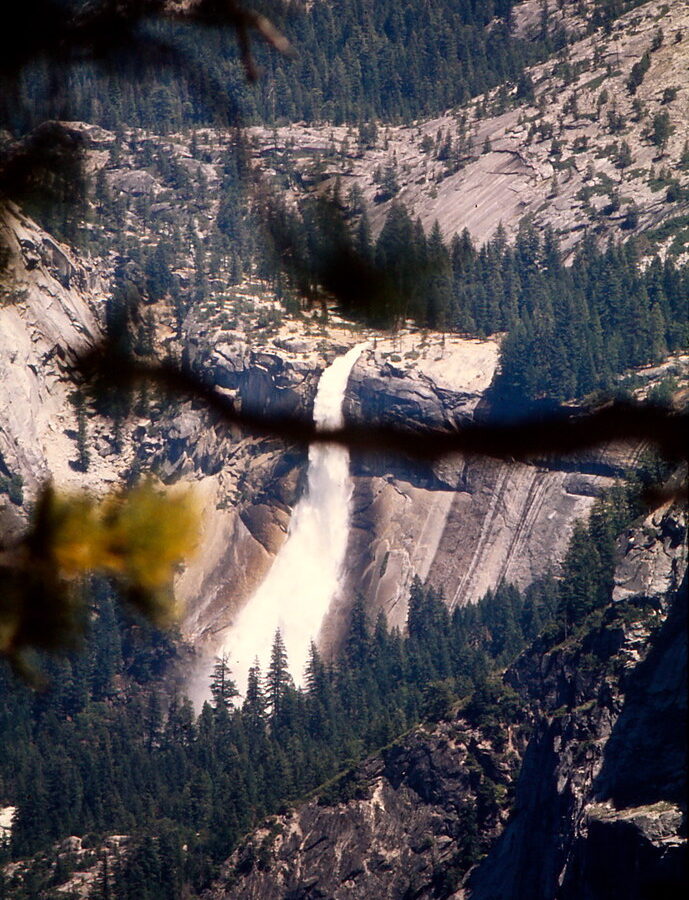
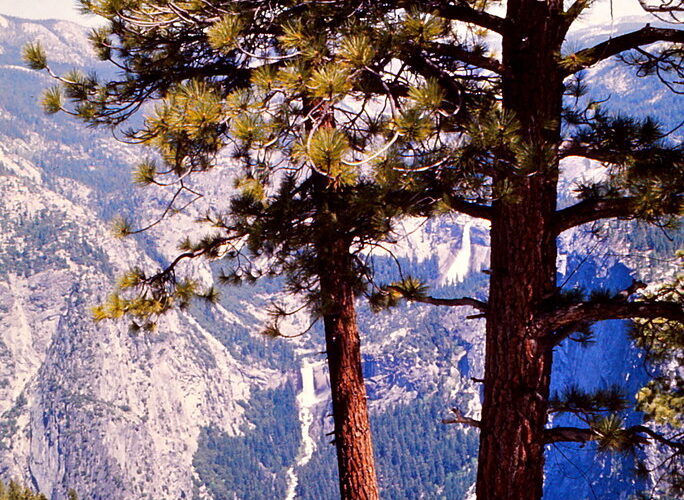
Photo: Ladycliff via Flickr (CC BY 2.0)
Stargazing Yosemite National Park adventures come into focus at Glacier Point, where the last warmth leaves the granite and Half Dome becomes a black silhouette beneath the Milky Way. At 7,214 feet, the air cools quickly after sunset. Footsteps scrape across exposed rock, conversations fade, and the sky appears deeper as your eyes adjust. From this elevated perch, the scale is unusual: Yosemite Valley lies more than 3,000 feet below, while the Sierra crest forms a jagged eastern horizon. Successful night-sky viewing here depends on elevation, moon phase, road access, smoke, and the shape of the surrounding terrain.
Successful night-sky viewing here depends on elevation, moon phase, road access, smoke, and the shape of the surrounding terrain. Yosemite Valley provides easy orientation and dramatic foregrounds, Glacier Point opens a broad southern sky, and the Tioga Road corridor reaches darker high-country basins above 8,000 feet. Our guide explains when to go, how to choose among those zones, and what changes after the park’s daytime crowds disperse.
Why Stargazing in Yosemite National Park Feels So Unique
Yosemite covers nearly 1,200 square miles across the central Sierra Nevada, creating substantial distance between many viewpoints and major urban light sources. Elevation also helps. Popular observing areas range from roughly 4,000 feet in Yosemite Valley to nearly 10,000 feet near Tioga Pass, placing high-country visitors above some of the dust and atmospheric haze found at lower elevations.
Granite Cliffs Frame the Sky
Yosemite’s defining granite formed underground from slowly cooled magma and was later exposed by uplift, erosion, and repeated glaciation. At night, formations such as Half Dome, El Capitan, Cathedral Rocks, and Sentinel Rock become recognizable silhouettes. These foregrounds help with composition and orientation, although the same cliffs can conceal stars near the horizon. Yosemite Valley is therefore strongest for overhead constellations, planets, and framed photographs rather than uninterrupted horizon-to-horizon viewing.
Elevation Improves Clarity but Changes Conditions
Glacier Point and the Tioga Road high country usually provide broader sightlines and less localized glare than the developed portions of Yosemite Valley. Higher elevations can also produce sharper transparency when the atmosphere is dry. The tradeoff is temperature. Even after a warm summer afternoon, exposed overlooks can become cold enough for a hat and insulated layer. Wind increases the chill and can shake lightweight tripods.
When to Plan Your Stargazing Yosemite National Park Visit
The clearest night depends on more than the calendar. A dry, moonless night with low smoke usually matters more than the difference between two adjacent months. Seasonal access still shapes the experience because Glacier Point Road and Tioga Road cross terrain that receives deep Sierra snow. Yosemite Valley remains the most dependable year-round base, while the highest viewpoints generally become practical from summer into autumn.
Best Seasons for Stargazing in Yosemite National Park
| Period | Typical sky conditions | Best-suited areas | Main limitation |
|---|---|---|---|
| December through March | Long nights, crisp air, prominent Orion and winter stars | Yosemite Valley and lower western approaches | Snow, ice, storms, and closed high-elevation roads |
| April through June | Improving temperatures and a Milky Way core visible late at night | Valley viewpoints, with higher roads as they open | Uncertain snow access and rapidly changing weather |
| July through September | Warm evenings, strong Milky Way viewing, frequent clear spells | Glacier Point, Tuolumne Meadows, Tenaya Lake | Wildfire smoke, thunderstorms, and busy roads |
| October through November | Longer darkness, colder and often stable nights | Valley and accessible high-country locations | Early snow can close seasonal routes |
Use the Moon as a Planning Tool
A new moon provides the darkest background for the Milky Way, faint star clusters, and meteor watching. Full moonlight washes out dim stars but illuminates Half Dome and surrounding granite, which can improve landscape photography. Check moonrise and moonset rather than judging the entire night by lunar phase. A bright moon that rises after midnight may leave several excellent dark hours immediately after astronomical twilight.
Smoke, Clouds, and Mountain Weather
Summer thunderstorms often build during the afternoon and can persist after sunset, especially over the Sierra crest. Wildfire smoke may travel from distant incidents and reduce transparency even when no clouds are visible. A clear mountain forecast should therefore be paired with air-quality and smoke maps. Thin haze is particularly damaging near the horizon, while overhead planets and bright constellations may remain visible.
Understanding Yosemite National Park’s Stargazing Geography
The park’s observing areas follow three primary corridors. Yosemite Valley sits at about 4,000 feet and has the most recognizable granite scenery. Glacier Point Road climbs to overlooks above the valley’s south wall. Tioga Road crosses the high country past Olmsted Point, Tenaya Lake, and Tuolumne Meadows before reaching Tioga Pass at 9,945 feet.
Distances Are Longer After Dark
Glacier Point is about 30 road miles from Yosemite Valley, commonly requiring around an hour under good conditions. Tuolumne Meadows is roughly 55 road miles from the valley and usually takes at least 90 minutes without delays. Curves, wildlife, limited illumination, and unfamiliar junctions make both drives feel longer after midnight. Choose one observing zone for the evening rather than trying to combine distant viewpoints.
Road Access Determines the Best Location
Tioga Road and Glacier Point Road are seasonal, with opening and closing dates controlled by snowpack, plowing, storms, and repairs. Tire-chain rules can affect lower roads during winter weather. Parking arrangements, ranger programs, entrance requirements, and overnight access policies may also change, so confirm current details on the official park site before departure.
A Practical After-Dark Checklist
- Arrive before sunset to identify turns, trail edges, drop-offs, and the return route.
- Carry a headlamp with a red setting, plus a separate backup light.
- Bring insulating layers, even when the valley forecast appears warm.
- Download maps in advance because cellular coverage is inconsistent.
- Use a stable tripod and weighted camera bag where wind is exposed.
- Keep food secured according to park rules, including while observing near a vehicle.
- Avoid standing in roads or setting equipment on shoulders used by traffic.
Where to Start Stargazing in Yosemite National Park
The best location depends on the desired foreground, horizon, and amount of driving. First-time visitors usually benefit from starting in Yosemite Valley, where major formations remain visible in darkness and returning to lodging is simpler. Experienced observers seeking a broad sky generally favor Glacier Point or the high country when seasonal roads are open.
Yosemite Valley for Iconic Silhouettes
Cook’s Meadow and Sentinel Bridge
Cook’s Meadow provides an open central-valley position with views toward Half Dome, Yosemite Falls, and the surrounding walls. The mostly level paths simplify movement with a tripod, although trees and cliffs restrict low horizons. Nearby Sentinel Bridge places Half Dome above the Merced River, making it useful when moonlight or twilight provides enough illumination for a reflection. Stay on established paths to protect meadow habitat and avoid wet ground.
El Capitan Meadow
El Capitan Meadow faces the 3,000-foot granite wall of El Capitan and offers a strong western-valley foreground. The cliff blocks a large section of sky, but its vertical outline gives wide-angle photographs immediate scale. Vehicle headlights can interrupt dark adaptation along the adjacent road, so allow roughly 20 minutes for your eyes to readjust after traffic passes.
Glacier Point for the Broadest Signature View
Glacier Point combines a commanding southern and eastern outlook with direct views of Half Dome, Nevada Fall, Vernal Fall, and the high Sierra. Its elevation creates a much wider celestial field than the valley floor. The overlook also has abrupt edges and uneven granite nearby, making daylight arrival especially important. Taft Point offers dramatic cliffs along a 2.2-mile round-trip trail, but its fissures and unguarded drop-offs make it a poor choice for casual exploration in darkness.
Tenaya Lake and Tuolumne Meadows for High-Country Darkness
Tenaya Lake sits at 8,150 feet beneath polished granite domes, including Pywiack Dome and the slopes leading toward Tenaya Peak. Its open water can reflect bright stars when wind is calm. Farther east, Tuolumne Meadows spreads across a broad subalpine basin at about 8,600 feet, providing wider horizons than Yosemite Valley. Night temperatures here commonly fall far below daytime readings, and early-season snowbanks or late-season ice can remain after lower elevations are dry.
Best Yosemite Stargazing Locations for What You Want to See
Earth’s rotation and Yosemite’s steep terrain make timing as important as location. A constellation that clears Tuolumne Meadows may remain hidden behind Yosemite Valley’s southern wall for another hour. Use a planetarium app before leaving your lodging, set it to the intended viewpoint, and check the direction and altitude of the target. Objects above roughly 30 degrees generally escape the worst horizon haze and many terrain obstructions.
Follow the Milky Way Through the Night
The Milky Way’s bright central region near Sagittarius and Scorpius is best seen from late spring through early autumn. During midsummer, it becomes prominent in the southeast after darkness and rotates toward the south and southwest as the night progresses. Glacier Point provides a useful southern outlook, while Tenaya Lake can place the galactic band above granite and water. By October, the core sets earlier, but the fainter band through Cassiopeia remains visible overhead.
Plan Around Meteor Showers and Planets
The Perseids typically peak around August 12, with meteors appearing across the sky after the radiant in Perseus rises in the northeast. December’s Geminids can produce bright, slower meteors, although winter road access confines most visitors to lower elevations. Planets require different tactics. Jupiter and Venus remain conspicuous under moderate moonlight, while Saturn’s rings need a steady telescope, careful focus, and relatively calm air.
Quieter Places Beyond the Main Overlooks
Stargazing Yosemite National Park does not require joining the evening gathering at Glacier Point. Smaller high-country pullouts can provide dark skies, but headlights, narrow shoulders, and uneven ground complicate roadside observing. Select a legal parking area before sunset and move well away from traffic lanes. Forest clearings often provide better shelter from wind, although lodgepole pines can remove much of the horizon.
Olmsted Point and the Tioga Road Corridor
Olmsted Point, at approximately 8,300 feet, looks southwest across Tenaya Canyon toward the back of Half Dome. Glacial polish and scattered boulders create distinctive foregrounds, particularly under moonlight. The exposed rock can become slick with frost, and small changes in position may place visitors near steep terrain. Remaining close to established viewing areas offers a safer alternative to wandering across granite in darkness.
Wawona for a Lower-Elevation Alternative
Wawona lies near 4,000 feet along the park’s southern corridor. Open meadow edges provide more sky than the surrounding conifer forest, while the lower elevation can be useful when high-country roads are snowbound. The view lacks Glacier Point’s expansive Sierra horizon, but it reduces late-night driving for visitors staying near the south entrance. Respect nearby lodging, keep voices low, and prevent vehicle lights from sweeping across other observers.
Build a Safe and Effective Night Setup
Astronomical darkness begins after evening twilight ends, which can be well after 9 p.m. near the summer solstice. Allow another 20 to 30 minutes for full dark adaptation. White light resets that process almost immediately, so use the dimmest practical red light and cover bright screens. Place tripods where they cannot block paths, overlooks, or routes used by emergency vehicles.
Camera Settings That Provide a Starting Point
| Subject | Lens and exposure | Starting settings |
|---|---|---|
| Milky Way landscape | 14 to 24 mm, 10 to 20 seconds | f/1.8 to f/2.8, ISO 3200 to 6400 |
| Moonlit granite | Wide or normal lens, 2 to 10 seconds | f/2.8 to f/4, ISO 400 to 1600 |
| Star trails | Repeated 20 to 30 second frames | f/2.8 to f/4, ISO 800 to 1600 |
These values are starting points rather than fixed prescriptions. Use manual focus on a bright star, magnify the live-view image, and adjust until the star becomes the smallest possible point. Take a test frame and inspect the corners for trailing or blur. Combining many shorter exposures for star trails reduces sensor noise and preserves individual frames if headlights spoil part of the sequence.
Control Cold, Wildlife, and Navigation Risks
- Store snacks, scented toiletries, and food waste in an approved bear-resistant location.
- Carry spare batteries inside an inner pocket because cold reduces battery performance.
- Mark the vehicle or return junction on an offline map before walking away.
- Never approach bears, deer, coyotes, or other wildlife illuminated by a headlamp.
- End the session if thunder, strong wind, smoke, or freezing precipitation develops.
Black bears may move through meadows, campgrounds, and roadside areas after dark, while deer can enter the roadway with little warning. Drive below the posted limit when visibility demands it and scan both shoulders. Granite retains daytime warmth briefly, then cools rapidly; condensation may form on lenses as temperatures approach the dew point. A lens hood and microfiber cloth help, but electrical dew heaters provide better protection during long sequences.
Planning Your Stargazing Night in Yosemite National Park
Choose one corridor, identify the moonrise and astronomical-twilight times, and reach the viewpoint in daylight. Yosemite Valley works best for recognizable silhouettes and simple logistics. Glacier Point suits broad views toward Half Dome and the Sierra, while Tenaya Lake and Tuolumne Meadows provide high-elevation darkness when Tioga Road is accessible. A successful plan leaves enough time for dark adaptation without requiring a long, fatigued drive between distant zones.
Bring warm layers, offline navigation, two light sources, and a clear return plan. Then match the sky to the landscape: the summer Milky Way above Glacier Point, moonlit granite around Tenaya Lake, or winter constellations framed by Yosemite Valley’s walls. Careful timing and conservative nighttime movement produce better observations, sharper photographs, and a safer journey back after the final exposure.
Want to keep exploring? Browse all our Yosemite guides and articles for more trip-planning tips and ideas.
Gear & Essentials
Tell us about your trip and we will add what else you will want:
The basics
Worth having in the car whatever the park.
For this trip
Traveling with kids
Bringing a pet
RVing
Backcountry
Winter conditions
On the water
Photography
Accessibility
As an Amazon Associate we earn from qualifying purchases, at no extra cost to you.