Where to Stay Near Yosemite National Park: Lodges, Campgrounds and Towns
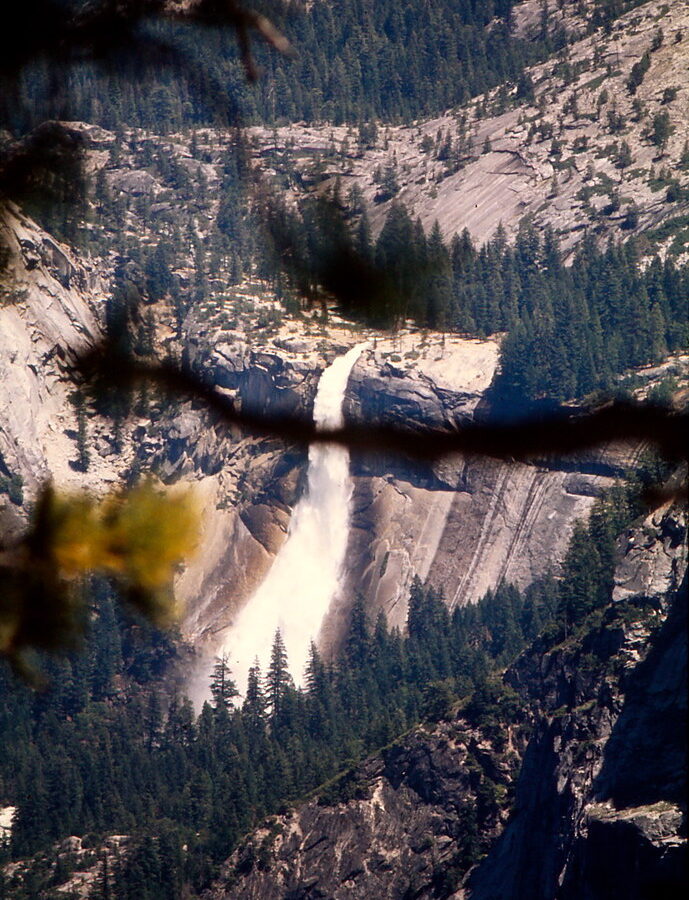
Photo: Ladycliff via Flickr (CC BY 2.0)
For travelers researching Where Stay Near Yosemite, the most important fact is that the park covers nearly 1,200 square miles and has five road entrances. A room described as “near Yosemite” may still sit 90 minutes from Yosemite Valley, where El Capitan, Half Dome, and Yosemite Falls dominate most first visits. Road choice matters as much as mileage because narrow canyon routes, winter closures, and summer congestion can substantially change drive times. Our guide sorts lodging by the experiences it serves best: sunrise beneath Yosemite Valley’s granite walls, walks among giant sequoias in Mariposa Grove, and summer access to Tuolumne.
Our guide sorts lodging by the experiences it serves best: sunrise beneath Yosemite Valley’s granite walls, walks among giant sequoias in Mariposa Grove, summer access to Tuolumne Meadows, or a lower priced base in a gateway town. It covers the principal in park lodges, established campgrounds and communities along highways 41, 120 and 140.
Where to Stay Near Yosemite: Start with the Park’s Geography
Yosemite Valley lies at roughly 4,000 feet in the park’s western interior, reached by mountain roads rather than a direct highway crossing. Glacier Point is on a separate road above the valley, while Wawona and Mariposa Grove occupy the southern corridor. Tioga Road crosses the high country past Tenaya Lake and Tuolumne Meadows before descending to Lee Vining, but snow generally closes this trans Sierra route from sometime in fall until late spring or early summer.
Where to Stay Near Yosemite Valley: Lodges and Campgrounds
Choose Yosemite Valley or El Portal if your priorities include the Mist Trail, Lower Yosemite Fall, Mirror Lake and early access to the trail toward Half Dome. Staying close also makes it easier to visit Tunnel View at quiet hours or watch evening light move across El Capitan. Wawona, Oakhurst and Groveland can work for valley trips, but they require repeated drives on curving roads with limited opportunities to pass.
Inside the valley, trailheads and viewpoints sit within a compact seven mile corridor. The free park transportation system commonly links lodging areas, campgrounds and major stops, although routes and operating periods change. Entrance reservation rules, campground openings, lodging operations, shuttle schedules and current fees should be confirmed on the official park site before committing to accommodation.
Entrances, Corridors and Realistic Drive Times
Highway 140 through Mariposa and El Portal follows the Merced River and reaches the Arch Rock Entrance without climbing to a high pass, making it the most dependable western approach during winter storms. Highway 41 serves Oakhurst, Wawona and the South Entrance. Highway 120 approaches Big Oak Flat from Groveland, while its eastern section over Tioga Pass reaches 9,945 feet and is seasonally closed.
| Base | Usual entrance or corridor | Approximate distance to Yosemite Valley | Typical drive without major delays |
|---|---|---|---|
| El Portal | Highway 140, Arch Rock | 16 miles | 30 minutes |
| Mariposa | Highway 140, Arch Rock | 44 miles | 70 to 80 minutes |
| Groveland | Highway 120, Big Oak Flat | 49 miles | 75 to 90 minutes |
| Oakhurst | Highway 41, South Entrance | 47 miles | 75 to 90 minutes |
| Lee Vining | Highway 120, Tioga Pass | 76 miles | About 2 hours when Tioga Road is open |
Where to Stay Near Yosemite National Park: Lodges and Campgrounds Inside the Gates
Sleeping inside Yosemite reduces commuting and places visitors close to trails before day traffic builds. The tradeoffs are limited inventory, strong demand and fewer dining choices than gateway towns provide. Lodging ranges from landmark hotel rooms to canvas tent cabins, while campgrounds extend from the oak woodland near 4,000 feet to subalpine sites above 8,000 feet.
Where to Stay Near Yosemite for the Right Location and Comfort
The park’s accommodations are geographically specialized. Yosemite Valley works best for waterfalls and granite landmarks. Wawona serves the giant sequoias and historic southern corridor. Seasonal high country lodging supports hiking near Tuolumne Meadows, where trails reach Cathedral Lakes, Glen Aulin and the Lyell Fork of the Tuolumne River.
Yosemite Valley Lodges and Tent Cabins
The Ahwahnee provides traditional hotel rooms in a 1927 National Historic Landmark near the valley’s eastern end. Yosemite Valley Lodge sits near the base of Yosemite Falls, while Curry Village offers cabins and canvas tent cabins beneath Glacier Point. Housekeeping Camp has open sided sleeping units beside the Merced River and appeals to visitors who plan to prepare simple meals.
At dawn near Curry Village, cool air settles beneath the cliffs and boots scuff over sandy paths scattered with pine needles. The granite face of Half Dome appears above the trees before direct sunlight reaches the valley floor. Water from the Merced River and seasonal falls softens traffic noise, and the scale of the walls becomes clear when hikers look nearly 4,800 feet upward toward Glacier Point.
Wawona and the High Country
Wawona Hotel is close to the South Entrance and roughly six miles from Mariposa Grove, home to more than 500 mature giant sequoias. White Wolf Lodge and Tuolumne Meadows Lodge are seasonal high country properties along Tioga Road. They suit hikers better than valley sightseers because traveling from Tuolumne Meadows to Yosemite Valley requires a long mountain drive even when the road is fully open.
Campgrounds for Valley, Forest and Alpine Access
Upper Pines, Lower Pines and North Pines place campers in Yosemite Valley near the Merced River and trail access. Camp 4 has deep ties to Yosemite climbing history and lies beneath the walls where generations of climbers developed techniques for El Capitan. Outside the valley, campgrounds such as Hodgdon Meadow, Crane Flat, White Wolf and Porcupine Flat serve quieter forest or high country itineraries.
- Best for first visits: Valley campgrounds minimize driving to Yosemite Falls, Happy Isles and El Capitan Meadow.
- Best for giant sequoias: Wawona area camping provides convenient access to Mariposa Grove and the Chilnualna Falls trail.
- Best for summer hiking: Tioga Road campgrounds shorten trips to Tenaya Lake, May Lake and Tuolumne Meadows.
- Essential bear practice: Store food, scented products and cooking equipment in the provided bear locker whenever they are unattended.
Where to Stay Near Yosemite: The Best Gateway Towns
Gateway towns provide broader choices in room type, groceries and restaurants, often at lower rates than accommodations inside the park. Each town commits the visitor to a particular entrance, so the itinerary should determine the base. El Portal favors Yosemite Valley, Oakhurst favors Wawona and Mariposa Grove, Groveland serves the northwest corridor, and Lee Vining is useful only when Tioga Road is open.
Western Bases Along the Merced River and Highway 120
El Portal is the closest substantial community outside Yosemite Valley. Its position in the Merced River canyon makes it practical for consecutive valley days, though services and lodging inventory are limited. Mariposa has more motels, vacation rentals, markets and restaurants, but the additional commute makes midday breaks impractical. Highway 140’s relatively low elevation gives both communities an advantage during periods when higher approaches receive snow.
Groveland and the Big Oak Flat Approach
Groveland is a historic Gold Rush town on Highway 120 west of the Big Oak Flat Entrance. It is well placed for visitors combining Yosemite Valley with the Hetch Hetchy area, where the 5 mile round trip trail to Wapama Falls crosses the top of O’Shaughnessy Dam. The approach to the valley descends through forest and the Merced River canyon, so map mileage understates the time required.
Southern and Eastern Gateways
Oakhurst offers the largest concentration of conventional lodging, supermarkets and traveler services near the South Entrance. It works especially well for Mariposa Grove, Wawona and the 8.2 mile round trip Chilnualna Falls Trail. Visitors focused on Yosemite Valley should account for the winding descent past Tunnel View, where summer traffic can slow considerably during the morning arrival period.
Lee Vining and the Tioga Pass Strategy
Lee Vining sits east of the Sierra near Mono Lake at about 6,780 feet. It gives summer visitors efficient access to Tioga Pass, Tuolumne Meadows and eastern Sierra trailheads, but it is a poor base for repeated valley sightseeing. Its practical season is controlled by Tioga Road, whose opening date depends on snowpack, avalanche work and road repairs rather than a fixed annual schedule.
Match the Bed to Yosemite’s Signature Days
The question “Where Stay Near Yosemite?” becomes easier when each night supports the following morning. A single western base works for a short valley visit, but longer trips benefit from changing locations. Moving once can replace several hours of backtracking, especially when an itinerary combines the Mist Trail with Mariposa Grove or the granite basins along Tioga Road.
Plan Valley Nights Around Early Starts
Hikers bound for Vernal Fall, Nevada Fall or Half Dome gain the most from sleeping in Yosemite Valley or El Portal. The Mist Trail begins at Happy Isles, and its stone steps become crowded after midmorning. Climbers and photographers also benefit from late access to El Capitan Meadow, where evening light reaches the 3,000 foot wall and climbers’ headlamps may appear after dark.
Use a Split Stay for Sequoias and High Country
For four or more nights, consider dividing the trip between the southern corridor and either the valley or Tioga Road. A Wawona or Oakhurst night supports an early Mariposa Grove visit, including the Grizzly Giant and California Tunnel Tree. A later high country night makes sunrise at Tenaya Lake and hikes to Cathedral Lakes practical without a predawn drive from the western gateways.
Season Changes the Best Lodging Zone
Yosemite’s elevation range creates several lodging seasons within one park. Snow can cover Tioga Road while wildflowers bloom along the Merced River, and nighttime temperatures in Tuolumne Meadows can approach freezing during otherwise warm summer weather. Choose accommodation based on the highest road and trail in the itinerary, rather than conditions reported for Yosemite Valley alone.
| Period | Most practical base | Main planning issue |
|---|---|---|
| Winter | Yosemite Valley or Highway 140 | Snow, ice and tire chain controls |
| Spring | Valley, El Portal or Mariposa | Peak waterfall flow and cool nights |
| Summer | Inside the park or a split stay | Heat at lower elevations and heavy traffic |
| Autumn | Valley or western gateways | Shorter daylight and possible early snow |
Winter and Spring Favor Lower Approaches
Winter visitors should prioritize Highway 140 lodging because the route climbs gradually beside the Merced River. Tire chains may still be required during storms, including on four wheel drive vehicles. Spring brings powerful runoff to Yosemite Falls and Bridalveil Fall, but Glacier Point Road and Tioga Road can remain closed long after the valley has become snow free.
Summer Opens the Alpine Corridor
Summer supports the widest lodging strategy because Tioga Road and Glacier Point Road are generally accessible after snow removal. Staying near Crane Flat or along the Highway 120 corridor helps connect Yosemite Valley with Tuolumne Meadows. By autumn, high country services wind down, nights lengthen and the first substantial snowfall can close alpine roads with little useful notice for a fixed itinerary.
Check the Details Before Booking
A Yosemite reservation should be evaluated as a transportation decision as well as a room purchase. Look for the exact property location on a map, since names using “Yosemite” may describe accommodations many winding miles from an entrance. Read cancellation terms carefully when traveling during snow season or when an itinerary depends on Tioga Road opening.
Questions for Lodges and Vacation Rentals
Kitchen access matters because restaurant choices narrow near the park boundary and late dinners may be difficult after a long hike. Vacation rental guests should verify parking capacity, road grade and winter access. For any property, check whether cooling is provided. Summer afternoons in El Portal, Mariposa and the Sierra foothills can be far warmer than conditions at Tuolumne Meadows.
Camping Requires a Different Packing Plan
Campers should prepare for cold nights, dusty sites and strict wildlife rules even during summer. Yosemite’s black bears readily investigate coolers, toiletries and cooking gear, so every scented item belongs in the site’s food locker. Useful equipment includes:
- A sleeping bag rated below the expected overnight low
- A headlamp for walking between the locker, tent and restroom
- Refillable water containers for camp and trail use
- A compact stove where cooking is permitted
- Layers suitable for rapid temperature changes after sunset
Where to Stay Near Yosemite to Maximize Your Time
The strongest lodging choice follows the itinerary. Yosemite Valley serves waterfall walks and early trail starts, Wawona supports the sequoias, and Tioga Road lodging unlocks the subalpine landscape around Tenaya Lake and Tuolumne Meadows. El Portal offers the shortest outside commute, while Mariposa, Groveland and Oakhurst exchange extra driving for broader supplies and room choices.
Start with the park zone you expect to visit most, then compare actual road routes rather than straight line distance. For a longer trip, one carefully planned lodging change can preserve hours for trails, overlooks and evening light. That approach turns the search for a room into a practical Yosemite plan, with each overnight positioned for the next day’s terrain.
Want to keep exploring? Browse all our Yosemite guides and articles for more trip-planning tips and ideas.
Gear & Essentials
Tell us about your trip and we will add what else you will want:
The basics
Worth having in the car whatever the park.
For this trip
Traveling with kids
Bringing a pet
RVing
Backcountry
Winter conditions
On the water
Photography
Accessibility
As an Amazon Associate we earn from qualifying purchases, at no extra cost to you.