Denali National Park and Kenai Fjords National Park: How to Visit Both on One Trip
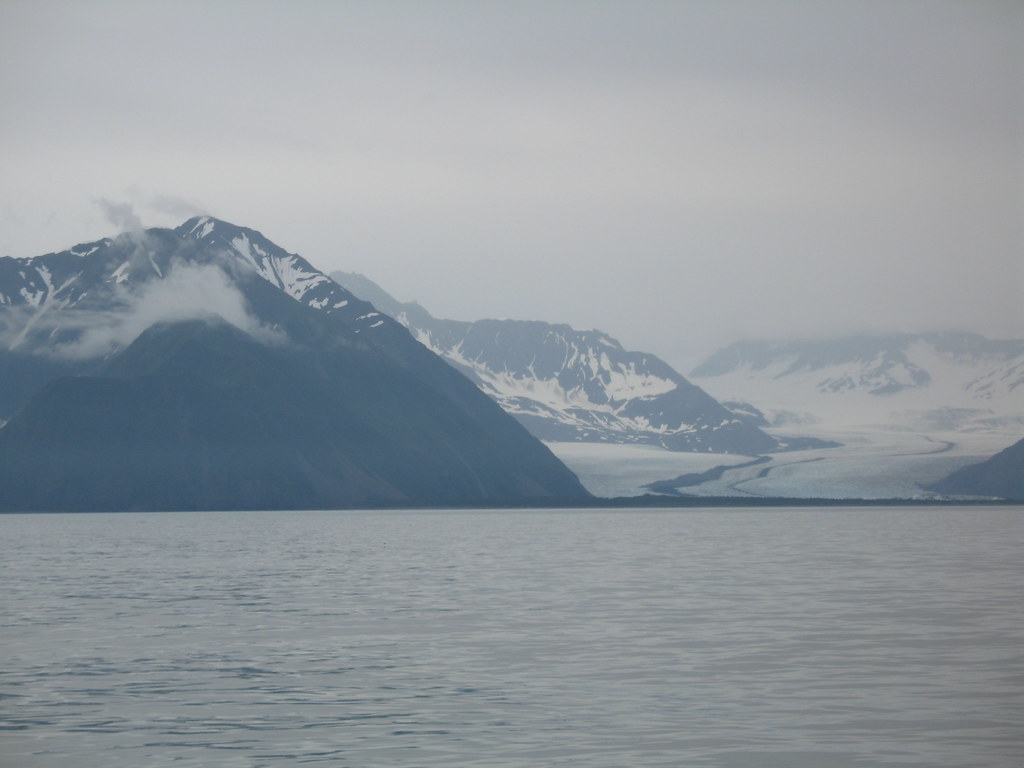
Photo: dmcdevit via Flickr (CC BY-SA 2.0)
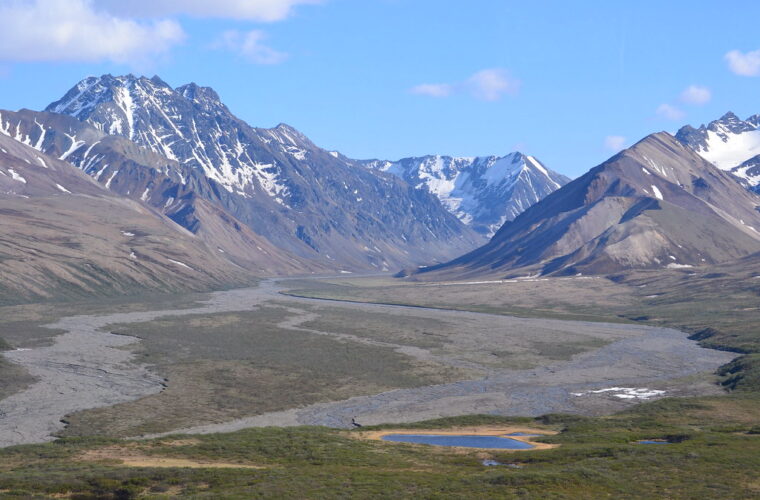
A Denali National Park Kenai trip can begin at dawn beside the braided Teklanika River, where cold air settles over gravel bars and spruce, then end several days later beneath the tidewater glaciers of Aialik Bay. In Denali, the scale arrives through long tundra valleys and distant ridgelines. In Kenai Fjords, the boat deck moves underfoot, salt spray hangs in the air, and falling ice can sound across the water seconds after a glacier calves.
Combining the parks requires deliberate routing because Denali lies north of Anchorage while Kenai Fjords is reached from Seward, south of the city. Anchorage forms the transportation hinge. Most travelers should allow seven to nine nights, reserve the activities that dictate their dates first, and treat the transfer between park regions as a full travel day.
Understanding a Denali National Park and Kenai Fjords National Park Trip
Why the two parks require different plans
Denali National Park and Preserve covers more than 6 million acres around 20,310-foot Denali, North America’s highest summit. Most first-time visits focus on the park entrance area and the 92-mile Denali Park Road. Summer private-vehicle access generally ends near Savage River at Mile 15, while park buses carry visitors farther into the interior as road conditions allow. The Pretty Rocks landslide has interrupted travel near Mile 45, so the exact reachable endpoint matters when choosing a bus excursion.
Kenai Fjords National Park protects part of the Harding Icefield, its outlet glaciers, and a deeply indented coastline shaped by ice. Seward is the practical base. Exit Glacier is the park’s road-accessible area, while Aialik Glacier, Holgate Glacier, marine wildlife colonies, and most fjords require a boat trip. Denali rewards time on a tundra bus route and short hikes near the entrance. Kenai Fjords requires coordinating marine weather, cruise departure times, and the roughly 12-mile trip from Seward to Exit Glacier.
How many days each park deserves
A workable itinerary needs at least six nights, although that version leaves little protection against rain, rough seas, wildlife delays, or low cloud over the Alaska Range. Seven to nine nights allows two useful days around Denali, two around Seward, and sensible travel time. With ten nights or more, travelers can add the Harding Icefield Trail, a longer coastal cruise, Talkeetna, or a weather buffer without reducing either park to a rushed stop.
| Trip element | Minimum useful allocation | Better allocation |
|---|---|---|
| Denali entrance area | 2 nights and 1 full day | 3 nights and 2 full days |
| Denali to Seward transfer | 1 full day by road | 1 night in Anchorage between rail segments |
| Seward and Kenai Fjords | 2 nights and 1 full day | 3 nights and 2 full days |
| Anchorage arrival or departure buffer | 1 night | 1 to 2 nights |
Choosing the Best Route Between Denali National Park and Kenai Fjords
Driving through Anchorage
The Denali entrance and Seward are approximately 365 road miles apart. Direct driving normally takes seven to eight hours before fuel, meals, construction, and scenic stops. The route follows Parks Highway to Anchorage, then Seward Highway along Turnagain Arm and through the Kenai Mountains. Allow nine hours if you want time to stop safely at established pullouts rather than watching the scenery through the windshield.
A rental car provides the most flexibility for reaching trailheads, adjusting around weather, and carrying hiking equipment. It also simplifies the Exit Glacier visit because the park road begins north of Seward. Reserve the vehicle early, especially if collecting it in Fairbanks and returning it in Anchorage. One-way availability and charges vary considerably. Current park-road access, bus reservations, cruise schedules, fees, and vehicle restrictions should be confirmed on the official park sites before booking.
Where an overnight break helps
Anchorage is the logical break if nobody in the group wants a long driving day. A split transfer also creates time for groceries, marine-sickness medication, and any equipment that was difficult to fly with. Talkeetna works as a stop between Anchorage and Denali, but it does not divide the Denali-to-Seward journey evenly because it remains north of Anchorage.
Visiting Denali National Park and Kenai Fjords National Park by Rail
The Alaska Railroad connects Anchorage with the Denali area and Seward, but the two routes operate as separate legs. Travelers generally need to pass through Anchorage and should plan an overnight there rather than assume a same-day connection. Rail travel removes the burden of driving, provides broad views from the Susitna River valley to Turnagain Arm, and works well for travelers using hotel transfers and organized park excursions.
The tradeoff is reduced flexibility. In Denali, lodging location matters because properties are spread along the highway near the park entrance. In Seward, passengers must coordinate station transfers, lodging, the harbor, and Exit Glacier transportation. Compare the complete trip cost, including transfers and excursions, rather than comparing only rail tickets with a rental-car rate.
Build the Itinerary Around Fixed Activities
Reserve the hardest days first
The longest Denali bus excursion and the Kenai Fjords boat trip should anchor the schedule. Both consume much of a day, and the coastal cruise is more exposed to wind and seas than a roadside activity. Place at least one night near each park before its major excursion. Arriving in Seward shortly before a morning cruise creates unnecessary risk from highway construction, delayed trains, or late flights.
- Choose the Kenai Fjords cruise date and decide between a shorter Resurrection Bay outing and a longer route reaching an active tidewater glacier.
- Select the Denali bus experience available for that season and road endpoint.
- Add a full transfer day between the park regions.
- Schedule Exit Glacier and shorter Denali hikes around those fixed activities.
- Keep the final night near the airport if the departing flight leaves early.
Denali National Park Kenai scheduling by activity
Allow a full day for Denali’s interior
Bus travel on Denali Park Road is slow because the gravel road crosses narrow slopes and wildlife sightings can halt traffic. Do not pair a substantial backcountry-style bus trip with a late-afternoon transfer south. Shorter entrance-area options include the approximately 2-mile Horseshoe Lake Trail and the Savage River Loop. The Savage Alpine Trail is about 4 miles one way with roughly 1,500 feet of climbing, and its point-to-point layout requires transportation planning.
Separate the cruise from the Harding Icefield hike
Longer Kenai Fjords cruises commonly occupy most of a day and can leave motion-sensitive passengers fatigued. Schedule the Harding Icefield Trail on another day. The route climbs about 3,500 feet over 8.2 miles round trip from the Exit Glacier area, passing cottonwood forest, alder, alpine meadows, and exposed rock before reaching views over the icefield. Snow can linger high on the trail well into summer, while rain makes roots and stone slick.
Match the trip to Alaska’s short operating season
June through August provides the broadest selection of buses, cruises, lodging, and rail service. June brings very long daylight and lingering snow at higher elevations. July often offers the warmest hiking conditions, along with mosquitoes in Denali’s wet tundra and forest. August brings darker nights, cooler temperatures, ripe berries, and a growing chance of fresh snow in the Alaska Range. Coastal rain remains possible throughout the season.
May and September can work for self-directed travelers, but limited transportation changes the character of the trip. Denali Park Road opens in stages as snow and ice recede, as illustrated by our report on the seasonal road opening to Teklanika. In Seward, shoulder-season visitors need to verify that their preferred marine trip operates on the chosen date before committing to lodging or rail tickets.
Pack for Tundra, Rainforest, and Open Water
The same suitcase must handle Denali’s dry, windy tundra and the cooler maritime conditions around Seward. Afternoon temperatures can differ sharply between the two regions, while a boat moving through Resurrection Bay creates sustained wind chill even when the harbor feels mild. Build each day around removable layers rather than one heavy coat. Cotton holds moisture against the skin, so wool or synthetic hiking clothing performs better during rain, spray, and steep climbs.
Use a layering system that fits both parks
Begin with a moisture-wicking base layer, add a fleece or light insulated jacket, and carry a waterproof shell with a functional hood. Waterproof overtrousers earn their space on exposed boat decks and the upper Harding Icefield Trail. Broken-in hiking shoes are adequate for maintained entrance-area paths, but boots with deeper tread provide better control on wet roots, mud, and lingering snow. Pack warm gloves and a close-fitting hat even during July.
| Item | Denali use | Kenai Fjords use |
|---|---|---|
| Waterproof shell | Wind and sudden tundra showers | Rain, spray, and boat-deck wind |
| Binoculars | Dall sheep, caribou, bears, and distant birds | Whales, puffins, sea lions, and glacier details |
| Dry bag or waterproof pouch | Protecting electronics during wet hikes | Protecting phones and cameras from spray |
| Trekking poles | Loose slopes and uneven tundra | Mud, roots, snow, and steep descents |
| Insect repellent | Mosquitoes near wetlands and forest | Occasional use around sheltered trails |
Prepare separately for the boat and trail
Take motion-sickness medication early enough to work before the vessel leaves Seward, following its label or a clinician’s advice. Keep lunch, medication, and spare layers accessible rather than buried under luggage. For hiking, carry water, calorie-dense food, navigation, first aid supplies, and bear spray where permitted. Bear spray cannot travel in airline luggage, and transportation operators may impose additional rules, so plan to obtain and dispose of it appropriately in Alaska.
Build Weather and Delay Contingencies Into the Trip
Low cloud can hide Denali for several days without preventing a productive park visit, while wind in the Gulf of Alaska can alter a cruise route or cancel a sailing. Protect the two experiences differently. Give Seward an additional night when a tidewater-glacier cruise is a priority. In Denali, focus on tundra, wildlife, and geology rather than making a mountain view the sole measure of success.
Know what to do when the marine forecast changes
If a cruise cannot reach Aialik Bay or another exposed fjord, ask whether the operator expects a protected Resurrection Bay route instead. Use a fully canceled day for Exit Glacier, provided the access road and trails are open, or explore Seward’s waterfront and coastal environment. Avoid moving the Harding Icefield hike automatically into heavy rain. The route’s upper slopes are exposed, and cloud can remove both visibility and useful terrain references.
Keep flexible options around Denali’s entrance
When an interior bus excursion changes, combine shorter trails near the entrance rather than attempting an improvised drive beyond the private-vehicle limit. Horseshoe Lake descends through spruce forest to a lake where beaver activity is often visible. The McKinley Station Trail follows approximately 1.6 miles between the visitor center area and Riley Creek, passing forest and historic remnants associated with the park’s early transportation corridor.
Avoid the mistakes that consume entire days
- Do not schedule a Seward cruise on the morning after a late flight into Anchorage.
- Do not assume every Kenai Fjords cruise reaches a tidewater glacier. Read the route description and duration carefully.
- Do not leave fuel stops, meals, and construction delays out of the Denali-to-Seward transfer plan.
- Do not place essential medication or rain gear in luggage stored beneath a bus or away from the boat cabin.
- Do not approach wildlife for photographs. Follow posted distances and instructions from rangers, drivers, and boat crews.
Recognize the Experience Maps Cannot Show
At the edge of the Harding Icefield
Near the upper trail viewpoint, the maintained path gives way to bare rock, lingering snow, and low alpine vegetation. The climb is evident in tired legs and damp clothing, while cold air drains from the ice. When cloud lifts, the Harding Icefield fills the horizon like a frozen plateau, with nunataks rising through its surface and outlet glaciers flowing into unseen valleys. Sound becomes sparse: wind across stone, dripping meltwater, and an occasional raven overhead.
Let conditions determine the final choice
That viewpoint is worth pursuing only when the group has the fitness, footwear, daylight, and weather window to return safely. A shorter walk to Exit Glacier’s overlooks still reveals how rapidly the glacier has retreated, with dated markers showing former ice positions along the approach. In Denali, the equivalent decision may mean choosing the Savage River Loop instead of the exposed Savage Alpine Trail when ridges are hidden by rain or strong wind.
Completing Your Denali National Park and Kenai Fjords Journey
A successful Denali National Park Kenai itinerary rests on three decisions: reserve the bus and marine excursion first, dedicate a full day to moving through Anchorage, and carry equipment suited to both alpine tundra and cold coastal water. Those choices preserve time for the experiences that define each park while reducing the risk that one delayed connection disrupts several reservations.
Keep one flexible day when the schedule permits, especially around Seward, and prepare useful alternatives before arriving. Denali can still deliver caribou, braided rivers, glacial valleys, and quiet forest when its namesake summit remains behind cloud. Kenai Fjords can still reveal ice-shaped terrain at Exit Glacier when rough water changes a cruise. Flexibility turns Alaska’s variable conditions into manageable planning decisions rather than lost days.
Want to keep exploring? Browse all our Kenai Fjords guides and articles for more trip-planning tips and ideas.
Gear & Essentials
Tell us about your trip and we will add what else you will want:
The basics
Worth having in the car whatever the park.
For this trip
Traveling with kids
Bringing a pet
RVing
Backcountry
Winter conditions
On the water
Photography
Accessibility
As an Amazon Associate we earn from qualifying purchases, at no extra cost to you.