
Denali National Park: The Perfect One-Day Itinerary
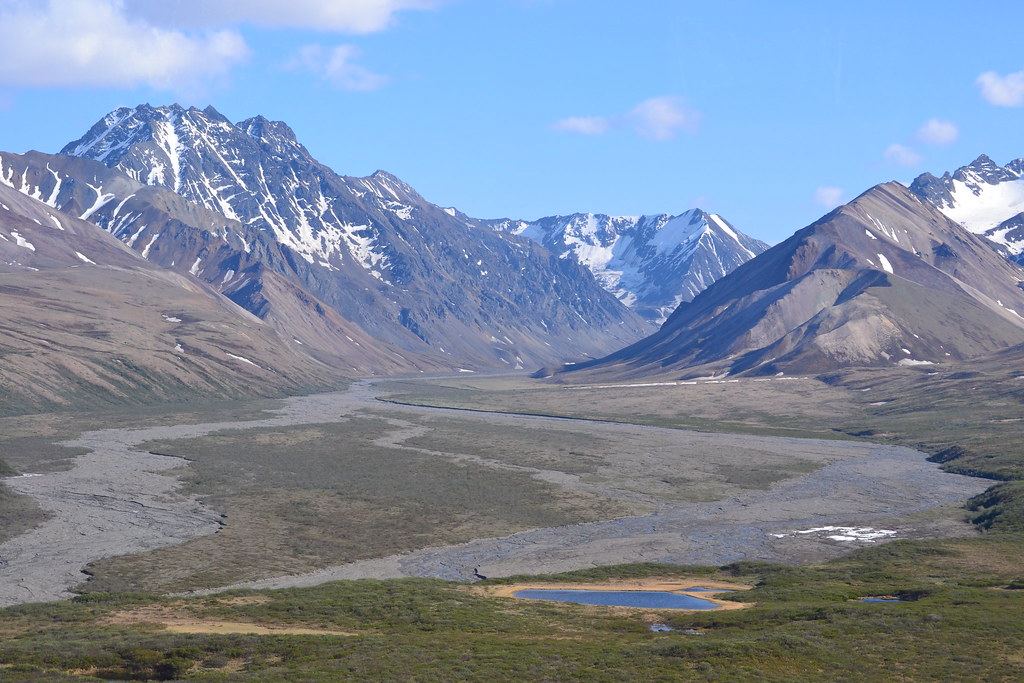
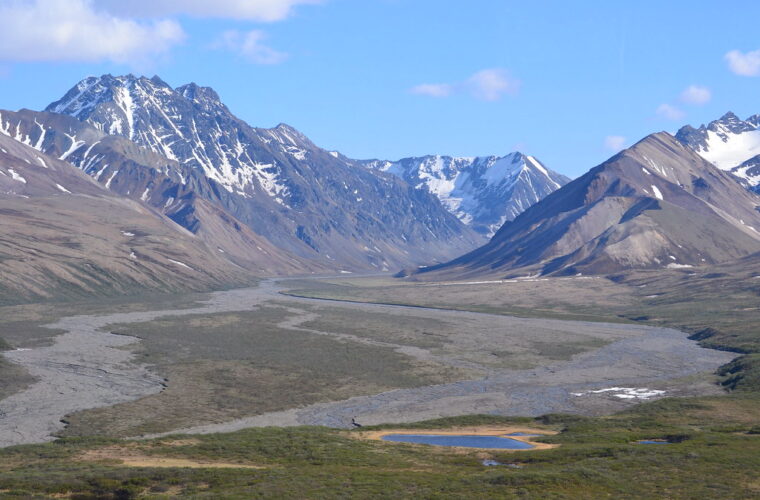
Photo: larrywkoester via Flickr (CC BY 2.0)
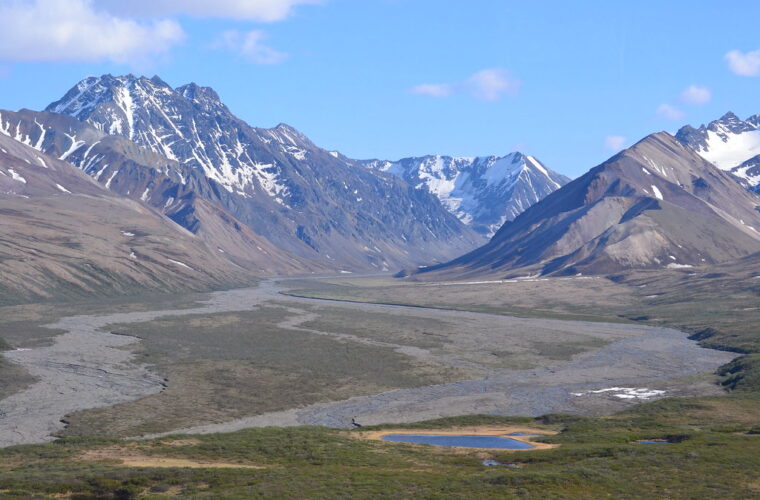
Our Denali National Park Perfect one-day plan starts just after sunrise at Mountain Vista, where frost can still silver the tundra in midsummer and the braided Savage River catches the first light beneath the Alaska Range. Gravel crunches underfoot, ground squirrels whistle from low willow, and the air feels several degrees colder than it did near the park entrance. When clouds lift, Denali rises 20,310 feet above sea level, a mass of ice and granite whose scale is difficult to judge from nearly 40 miles away.
A single day requires disciplined choices. Denali covers about six million acres, while its only road extends roughly 92 miles into the interior. Road restrictions and the ongoing closure around Pretty Rocks prevent a one-day visitor from reaching historic destinations such as Eielson Visitor Center and Wonder Lake. Our itinerary therefore combines an early transit bus journey with short hikes near the entrance corridor, placing the least flexible activity first and saving independent exploration for the afternoon.
Denali National Park: The Perfect One-Day Itinerary at a Glance
Why This Denali National Park Perfect Route Order Works
Begin with the earliest practical transit bus into the park. Wildlife tends to be active during the cooler morning, clouds often build around the Alaska Range later in the day, and bus departures are tied to fixed times. After returning, use your remaining daylight for Horseshoe Lake, Mountain Vista, or the Savage River area. Those stops are easier to shorten if wildlife sightings or road conditions delay the bus.
This plan assumes a visit during the main summer operating season and an overnight stay near the park entrance before the itinerary begins. Driving from Anchorage takes roughly five hours without lengthy stops, while Fairbanks is about two hours away. Attempting either drive on the same morning sacrifices the quietest hours, reduces bus choices, and leaves little margin for road construction or wildlife delays.
Denali National Park: The Perfect One-Day Itinerary, Stop by Stop
| Day | Stop | Highlight | Approximate drive or travel time |
|---|---|---|---|
| One day, early morning | Park entrance and bus departure area | Orientation, breakfast, packed lunch check | Allow 20 to 30 minutes from nearby lodging |
| One day, morning | Park Road transit bus | Taiga, tundra, braided rivers, possible wildlife | About 4.5 to 6 hours round trip, depending on the current turnaround |
| One day, early afternoon | Horseshoe Lake Trail | Lake shore, Nenana River views, beaver activity | About 2 hours on foot |
| One day, late afternoon | Mountain Vista or Savage River | Open tundra and Alaska Range views | 30 to 45 minutes by road from the entrance area |
| One day, evening | Entrance community | Dinner and overnight lodging | About 15 to 30 minutes from the final trail stop |
The essentials to arrange before arrival
Reserve the bus portion first, then build everything else around its departure. Bus destinations, operating dates, road access, reservations, fees, and departure locations can change, so confirm current details on the official park site. Do not assume that purchasing park admission also secures a bus seat. In the core summer period, popular morning departures can fill well before the travel date.
- Food: Carry breakfast, lunch, and high energy snacks. Food choices become scarce after leaving the entrance district.
- Fuel: Fill the vehicle outside the park. There are no public fuel stations along the interior Park Road.
- Water: Start with enough for the bus ride and an afternoon hike. Backcountry streams require treatment.
- Connectivity: Download tickets, maps, and trail information in advance. Cell coverage fades quickly beyond the entrance.
- Layers: Pack a waterproof shell, insulating layer, warm hat, and gloves, even when the entrance forecast appears mild.
Understanding Denali’s Road Before the Day Begins
Private vehicles and the Mile 15 boundary
During the principal visitor season, most private vehicles travel only as far as Savage River at approximately Mile 15. Beyond that point, buses control traffic and reduce disturbance along a narrow gravel road used by grizzlies, caribou, moose, and wolves. The restriction shapes every successful one-day visit. You cannot simply drive toward the best available mountain view when clouds clear.
The first 15 miles still cross several distinct landscapes. Dense white spruce and paper birch around Riley Creek gradually give way to shorter spruce, willow thickets, and open tundra near Mountain Vista. This transition reflects elevation, colder soils, wind exposure, and discontinuous permafrost. Even visitors who never board a bus can see the ecological boundary between interior boreal forest and the subarctic uplands.
The Pretty Rocks closure and realistic expectations
A slow moving landslide at Pretty Rocks, around Mile 45.4, severed the Park Road west of the East Fork area. The unstable slope lies in colorful volcanic and sedimentary terrain where thawing permafrost accelerated movement beneath the road. A major bridge project is intended to restore access, but the closure has removed Eielson, Thorofare Pass, and Wonder Lake from standard day trips while work continues.
This matters because older guidebooks often describe an eight to twelve hour bus excursion deep into the park. Current trips may turn around much earlier. The revised journey still reaches broad tundra habitat and river valleys, but it does not provide the classic Stony Hill view of Denali. Treat any mountain appearance as a weather dependent bonus rather than the organizing purpose of the day.
Denali National Park Perfect timing depends on scale
Distances along the Park Road take longer than highway mileage suggests. Buses travel slowly on gravel, stop for wildlife, and pause at rest areas. A bear beside the road can halt several vehicles while a driver waits for it to move safely away. Build at least one unscheduled hour into the afternoon rather than reserving dinner or another tour immediately after the expected return.
The Morning Bus Journey Into Denali
Choose a transit bus for flexibility
Transit buses are designed for transportation and wildlife viewing, with driver narration varying by trip. Tour buses generally provide a more structured interpretive program. For this itinerary, a transit option usually offers the best balance of time and access. Riders can observe the landscape without concentrating on a narrow road, and approved stops may allow hikers to disembark where regulations and current operations permit.
Remain on the same bus for the full out and back journey during a one-day visit. Getting off for an unplanned tundra hike introduces uncertainty because space on a later bus is not guaranteed. The roadside terrain also demands navigation skills, bear awareness, and comfort traveling without maintained trails. Save independent walking for the marked entrance-area trails in the afternoon.
Denali National Park: The Perfect One-Day Wildlife Strategy
Scan habitat instead of staring at the road
Look along willow margins for moose, open slopes for caribou, and gravel bars for grizzlies. Dall sheep appear as small white flecks on steep mountainsides, where their climbing ability helps them evade predators. Bring binoculars with an eight or ten power magnification. A phone camera rarely captures animals that are appropriately distant, while binoculars reveal movement long before the bus reaches a sighting.
Read the landscape around the animals
The braided Teklanika and East Fork rivers shift through broad gravel beds because sediment arrives faster than a single channel can carry it. Nearby ridges expose rocks deformed during the uplift of the Alaska Range, a process connected to the collision and subduction of the Pacific Plate beneath Alaska. These open river corridors also give travelers longer sightlines than the spruce forest near the entrance, improving the chances of spotting wildlife safely from the bus.
Use the Afternoon for Short, Predictable Trails
After the bus returns, choose trails that begin near the entrance road and require no complicated vehicle transfer. Keep rain gear and hiking shoes accessible rather than buried beneath luggage, then eat a quick snack before starting. A Denali National Park Perfect day leaves enough energy for deliberate walking, especially after several hours of sitting and scanning distant slopes from a bus.
Make Horseshoe Lake the primary afternoon hike
Horseshoe Lake Trail covers about 2 miles round trip and descends roughly 250 feet from the trailhead near the Denali Visitor Center. The path passes through spruce forest before reaching an oxbow shaped lake beneath Sugarloaf Mountain. Watch for gnawed trunks, dams, and lodges produced by beavers. The climb back to the trailhead is short but sustained, so allow extra time if the tread is muddy from recent rain.
Choose one final landscape rather than rushing both
Use the weather to select the last stop. Mountain Vista suits visitors who want an easy walk and a broad view toward the Alaska Range. Savage River provides a longer drive and a more enclosed valley experience. Starting a demanding route late in the day creates unnecessary pressure, particularly when rain, low cloud, or wildlife near the trail slows progress.
Mountain Vista or Savage River
The Mountain Vista Trail is an easy loop of about 0.6 mile across open tundra near Mile 13. Savage River Loop follows both banks for approximately 2 miles, crossing footbridges near the beginning and turnaround. The Savage Alpine Trail gains roughly 1,500 feet over about 4 miles and requires transportation planning between separate trailheads. Leave that strenuous traverse for a longer visit.
- Clear mountain: Select Mountain Vista for the most direct sightline.
- Low clouds: Choose Savage River, where cliffs and flowing water remain visually interesting.
- Limited mobility or time: Walk the short Mountain Vista loop.
- Heavy rain: Return to the entrance area and avoid exposed tundra.
Build Flexibility Into Food, Lodging, and Seasonal Plans
Pack the vehicle so dinner clothing, wet gear, and trail supplies remain separated. Store scented food securely whenever the vehicle is unattended, and never leave wrappers or crumbs beside a trail. Write down the lodging address and check in instructions before losing service. These small preparations prevent an evening delay from becoming a search for directions after restaurants and reception desks begin reducing service.
Sleep close enough to protect the itinerary
For the night before, choose a room, cabin, hostel, or campground in the entrance corridor or near Healy, about 11 highway miles north. Riley Creek Campground places campers closest to the visitor facilities, while lodging south along the Parks Highway can add meaningful morning travel. After the itinerary, stay locally again if fatigue is building. The highway toward Anchorage has long wildlife prone stretches, and darkness can arrive quickly outside midsummer.
Adjust the schedule to Denali’s operating season
Summer provides the broadest combination of bus access, maintained trails, and daylight. Spring brings lingering snow, muddy tread, and partially opened roads. Autumn color can peak from late August into early September, followed by rapidly shortening days and possible snow. Winter travel centers on the entrance area, where skis, snowshoes, and traction devices replace the bus based itinerary.
| Season | Likely conditions | Best one day adjustment |
|---|---|---|
| Late spring | Snow patches, wet trails, variable road access | Prioritize the open road corridor and lower elevation walks |
| Summer | Long daylight, rain, mosquitoes, busiest departures | Keep the early bus and carry insect repellent |
| Early autumn | Red tundra, colder nights, shorter daylight | Move the final hike earlier and carry warmer layers |
| Winter | Deep cold, snow cover, minimal road access | Plan an entrance area ski or snowshoe outing |
Complete Your Denali National Park Perfect One-Day Plan
The strongest itinerary anchors the morning around reserved transportation, then uses independent trails once the fixed schedule ends. Horseshoe Lake supplies a manageable forest walk, while Mountain Vista or Savage River adds tundra, river scenery, and a final opportunity to see the Alaska Range. Choosing only one late stop preserves the flexibility needed for wildlife delays and fast changing weather.
Arrive the previous evening, carry a full day of food and layers, and treat the mountain as a possible sighting rather than a guarantee. Denali rewards attention even when clouds hide its highest summit. Braided rivers, shifting vegetation, fresh animal tracks, and the transition from spruce forest to open tundra give a one day visitor a clear understanding of the park’s extraordinary scale.
Want to keep exploring? Browse all our Denali guides and articles for more trip-planning tips and ideas.
Gear & Essentials
Tell us about your trip and we will add what else you will want:
The basics
Worth having in the car whatever the park.
For this trip
Traveling with kids
Bringing a pet
RVing
Backcountry
Winter conditions
On the water
Photography
Accessibility
As an Amazon Associate we earn from qualifying purchases, at no extra cost to you.