Grand Teton National Park Camping Guide: Campgrounds, Reservations and Tips
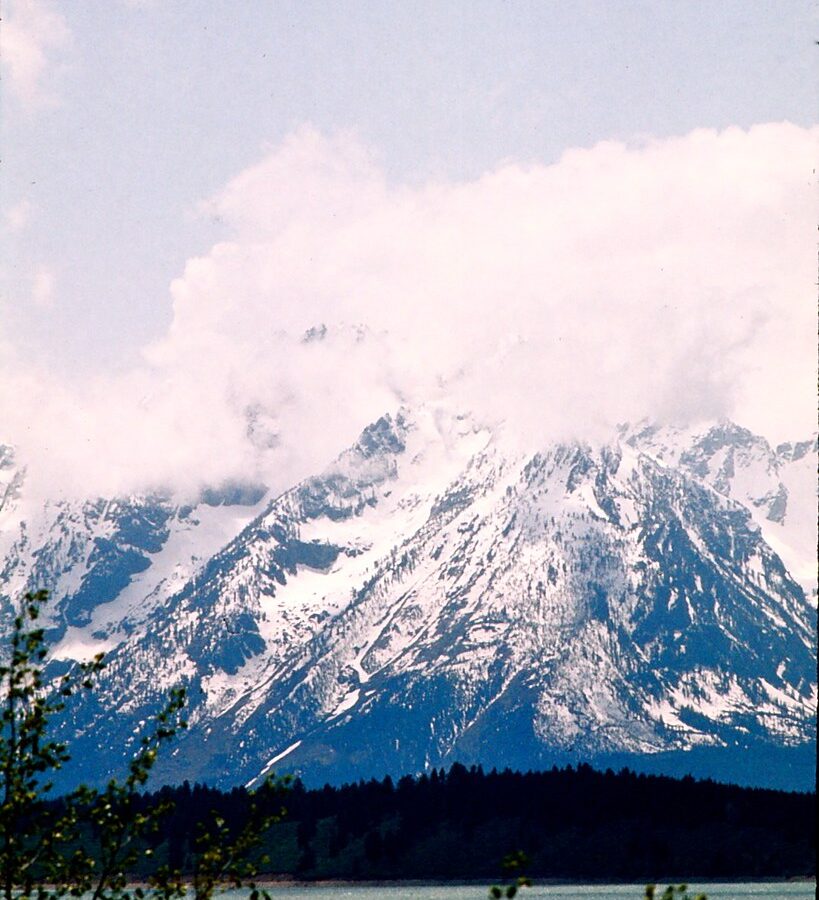
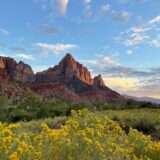
Photo: Ladycliff via Flickr (CC BY 2.0)
Grand Teton National Park has six developed camping areas spread across roughly 40 miles, from the sagebrush flats beside the Gros Ventre River to lodgepole pine forest near Jackson Lake. Their locations matter: a campsite near Jenny Lake puts you close to the central trail network, while Lizard Creek provides a quieter base near the park’s northern boundary.
Our Grand Teton National Park camping guide explains how those campgrounds differ, which sites suit tents and RVs, how reservations generally work, and what conditions to expect at elevations around 6,600 to 6,900 feet. Choosing carefully can save considerable driving because summer traffic and wildlife slow travel along Teton Park Road and US 89.
How Grand Teton National Park Camping Is Organized
Most developed campgrounds occupy the valley floor east of the Teton Range. The dramatic peaks are close, but campsites remain far below summits such as 13,775 foot Grand Teton. This elevation difference shapes the experience. Campgrounds often feel warm during sunny afternoons, while freezing nights and fresh snow may occur in the high country.
Sites range from compact tent pads at Jenny Lake to pull through RV spaces at Colter Bay RV Park. Standard campground sites typically provide a picnic table, fire ring, parking area, and access to shared facilities. Hookups, potable water availability, generator rules, vehicle limits, and food storage arrangements differ by campground and sometimes by loop.
Three Geographic Camping Zones
The southern zone centers on Gros Ventre Campground, east of the main mountain views and convenient to Jackson, Moose, and the airport. Central campgrounds at Jenny Lake and Signal Mountain reduce the drive to popular destinations such as Hidden Falls, Inspiration Point, Taggart Lake, and the scenic pullouts along Teton Park Road.
Colter Bay and Lizard Creek form the northern zone beside Jackson Lake. These campgrounds work well for boating, lakeshore walks, wildlife watching near Oxbow Bend, and day trips toward Yellowstone. They require longer drives to Moose and the park’s southern trailheads.
What Developed Camping Does and Does Not Include
Developed camping keeps visitors near roads and shared services, but it should not be confused with a full service resort stay. Cell reception can be weak, food storage rules are strict, and nighttime temperatures routinely fall well below daytime highs. Bears, foxes, elk, moose, and smaller animals move through occupied campground areas.
Backcountry camping follows a separate permit system and applies to sites reached by trail or boat. A developed campground reservation does not authorize an overnight stay in places such as Paintbrush Canyon, Garnet Canyon, or the campsites around Phelps Lake.
Grand Teton National Park Campgrounds Compared
Each campground has a distinct setting and practical purpose. Jenny Lake favors tents and early trail starts. Gros Ventre usually appeals to campers who want easier access to Jackson. Colter Bay provides the broadest range of camping formats, while Lizard Creek has a smaller, quieter footprint near the northern end of Jackson Lake.
| Camping area | Primary site types | Setting and shade | Best use |
|---|---|---|---|
| Gros Ventre | Tents and RVs, primarily dry sites with limited electrical options | Sagebrush, cottonwoods, and open views near the Gros Ventre River | Jackson access, larger vehicles, southern park exploration |
| Jenny Lake | Small tent sites | Lodgepole forest with substantial shade | Hikers, cyclists, compact tents, early starts |
| Signal Mountain | Tents and smaller RVs, with limited electrical sites | Wooded slopes above Jackson Lake | Central location, lake access, scenic driving |
| Colter Bay Campground | Tents and RVs, mostly dry camping | Lodgepole pine forest near Jackson Lake | Families, lake activities, northern park trips |
| Colter Bay RV Park | RV sites with full hookups | Dense forest near the Colter Bay developed area | RVs needing water, sewer, and electricity |
| Lizard Creek | Tents and moderate sized RVs, dry camping | Forest beside northern Jackson Lake | Quieter stays and access toward Yellowstone |
Jenny Lake and Signal Mountain
Jenny Lake Campground has compact sites intended for tents rather than RVs. Its chief advantage is location. The Jenny Lake Loop Trail, boat landing, and trails toward Cascade Canyon are close enough to reach without moving a vehicle. Space and privacy are limited, so large family tents and elaborate camp kitchens fit poorly.
At dawn, the ground beneath Jenny Lake’s lodgepole pines feels cold and hard through thin tent floors. Camp sounds carry between closely spaced sites, then fade as hikers leave for Cascade Canyon. Along the lakeshore, the air is colder than it was at camp, and the first sunlight strikes Teewinot Mountain long before it reaches the shaded trail.
Signal Mountain accommodates a broader mixture of tents and recreational vehicles. It sits farther north, near Jackson Lake and the road climbing Signal Mountain. The summit road reaches overlooks above the lake and Jackson Hole, though vehicle restrictions can apply on its narrow upper portion.
Colter Bay and Lizard Creek
Colter Bay Campground and the adjacent RV park serve different needs. The campground provides wooded sites for tents and RVs without relying on full hookups. The RV park is designed for travelers who need utility connections. Both provide access to the Colter Bay shoreline and the approximately 2 mile Lakeshore Trail.
Lizard Creek is smaller and removed from the busiest central corridor. Its location near the northern end of Jackson Lake shortens the trip toward Yellowstone’s South Entrance, but campers planning repeated hikes around Jenny Lake will spend considerably more time driving. Tree cover varies, and some sites are more exposed to lake wind.
Gros Ventre for Space and Southern Access
Gros Ventre Campground lies about 12 miles from Jackson in broad sagebrush country crossed by cottonwood lined waterways. Many sites feel more open than those in the pine forests around Jackson Lake. The campground is particularly useful for reaching Moose, Mormon Row, Antelope Flats, and the southern trailheads.
Moose frequently browse along the Gros Ventre River, while bison and pronghorn use nearby flats. Open terrain also means stronger sun and less dependable shade. Campers should bring their own shade structure only if it can be securely anchored against afternoon wind.
Grand Teton National Park Camping Reservations and Site Selection
Demand is highest from June through September, especially for Jenny Lake, electrical sites, and full hookup RV spaces. Reservations are generally released on a rolling basis months before arrival, but booking windows, stay limits, fees, opening dates, and reservation platforms can change. Confirm current details on the official park site before choosing travel dates.
A Practical Booking Sequence
- Choose the part of the park where most of your planned activities are located.
- Measure the complete length of your RV, tow vehicle, or trailer combination.
- Separate required features, such as electrical service, from preferences such as shade.
- Check the reservation release date for the exact arrival day.
- Review generator rules, food storage requirements, and cancellation terms before payment.
- Save an offline copy of the confirmation because reception may fail inside the park.
Match the Campsite to Your Equipment
Published vehicle limits refer to the space available at an individual site, not simply the trailer body. Include bumpers, bike racks, hitches, slide clearance, and the tow vehicle when evaluating fit. A site that technically accepts a trailer may leave little room for a second vehicle or outdoor living space.
Tent campers should compare pad dimensions with the tent’s actual footprint, including vestibules and guy lines. Jenny Lake’s compact pads reward small backpacking style tents. Gros Ventre and Colter Bay generally provide a wider range of layouts, although trees, sloping ground, and parking barriers still affect usable space.
Conditions That Shape a Comfortable Camp
Jackson Hole’s elevation produces large temperature swings. A July afternoon may feel hot in direct sun, followed by a night cold enough to require an insulated sleeping bag. Thunderstorms commonly build during summer afternoons, and brief hail, gusty outflow winds, or heavy rain can reach camp before distant peaks disappear behind cloud.
Food Storage and Wildlife
Grand Teton National Park is bear country, with both black bears and grizzly bears present. Food, rubbish, toiletries, cooking equipment, coolers, and scented items must be secured whenever they are unattended. A closed hard sided vehicle or an approved campground storage box is generally the practical solution.
- Cook away from the tent rather than inside it or beneath its vestibule.
- Wipe tables and stoves immediately after meals.
- Never keep snacks, toothpaste, pet food, or scented wipes in a tent.
- Dispose of wastewater according to campground instructions.
- Keep bear spray accessible while walking, rather than buried in a pack.
Gear for Cold Nights, Sun, and Storms
A three season tent with a complete rainfly suits most summer trips, provided it is firmly staked. Bring an insulated sleeping pad, warm hat, light gloves, rain shell, and layers that can handle temperatures near freezing. Campers arriving in May, early June, late September, or October should prepare for snow and frozen water containers.
High elevation sunlight is intense even when the air feels cool. Sunscreen, sunglasses, and a brimmed hat matter in open campgrounds such as Gros Ventre. A headlamp is preferable to a phone flashlight because uneven paths, wildlife, and rapid darkness make hands free lighting useful after sunset.
Arrange the Site for Space, Shelter, and Privacy
Site photographs and maps reveal details that length limits cannot. Look for the position of the tent pad relative to the fire ring, neighboring parking spurs, and campground roads. A site on the outside of a loop may have fewer immediate neighbors, while one near a shared path can receive steady foot traffic. In forested campgrounds, mature lodgepole pines provide shade but may limit awning clearance.
Make a Compact Tent Site Work
Place the tent entirely on the designated pad and route guy lines where they will not cross paths or cooking areas. A fitted groundsheet protects the floor from gravel and lodgepole needles without collecting rain beneath the tent. Keep chairs, coolers, and stoves consolidated near the table. This arrangement preserves walking room and makes securing food faster when everyone leaves camp.
Plan RV Clearance Before Unhitching
Leveling blocks are useful because paved or gravel spurs can slope toward drainage channels. Before extending slides or awnings, check for tree trunks, branches, picnic tables, and the neighboring site boundary. RV campers using dry sites should arrive with charged batteries and enough freshwater capacity for their stay. Utility conservation becomes especially important during cold nights, when furnaces can draw heavily from batteries.
Build Days Around Your Campground
Driving back and forth across Grand Teton National Park wastes the coolest hiking hours and increases the chance of encountering full trailhead parking. Group each day geographically. Campers near Jenny Lake can focus on the central lakes, while Colter Bay and Lizard Creek are better positioned for northern Jackson Lake, Oxbow Bend, and wildlife viewing along US 89.
Central Camp Adventures
From Jenny Lake, the full loop around the water covers approximately 7 miles and connects with the routes to Hidden Falls and Inspiration Point. Signal Mountain campers can combine a morning at String Lake with the level lakeshore path toward Leigh Lake. Paddlers should account for cold water, afternoon wind, and the limited swimming ability imposed by sudden immersion.
Northern and Southern Camp Plans
Colter Bay provides access to the roughly 10 mile Hermitage Point loop, which passes Heron Pond, Swan Lake, and several Jackson Lake viewpoints. Gros Ventre campers can pair sunrise at Mormon Row with the 7.1 mile Blacktail Butte Trail. A practical daily sequence is:
- Begin hiking or wildlife watching shortly after daylight.
- Return to camp or visit an indoor interpretive stop during afternoon storms.
- Cook before darkness makes food storage and cleanup harder.
- Use twilight for nearby overlooks rather than a long cross park drive.
Seasonal Camping Tradeoffs in Grand Teton National Park
The valley’s short camping season changes quickly at both ends. Snow can linger in shaded areas into early summer, while September nights regularly bring frost. July and August provide the most dependable access to higher trails, but they also bring heavier traffic, warmer tents, mosquitoes near wetlands, and afternoon thunderstorms.
| Period | Typical campground conditions | Best preparation |
|---|---|---|
| Late May through June | Cold nights, wet ground, lingering mountain snow, active mosquitoes | Insulated bedding, waterproof footwear, traction for snowy trails |
| July through August | Warm afternoons, busy roads, thunderstorms, higher trail access | Early starts, sun protection, rain layers, extra water |
| September into fall | Frost, shorter daylight, quieter trails, possible snow | Warmer sleeping system, gloves, flexible hiking plans |
Early Season and Snowbound Trails
Valley trails such as Taggart Lake may become accessible before alpine routes through Paintbrush Canyon or Garnet Canyon. Snow bridges, muddy tread, and swollen creek crossings can persist even when campsites are dry. Early season campers should select lower elevation alternatives and avoid assuming that warm weather at Jackson Lake means high passes are ready for ordinary hiking footwear.
Midsummer and Autumn
Midsummer rewards campers who shift demanding activity to morning and reserve afternoons for lakeshore walks or scenic stops. Autumn brings clearer air, yellow cottonwoods, and elk activity, but daylight contracts rapidly. Temperatures can fall below freezing overnight, affecting exposed hoses, water containers, batteries, and propane consumption. Pack for winter conditions even when the forecast shows mild daytime temperatures.
Choose a Camp That Supports the Trip
The strongest campground choice depends on where you will spend your days and how much infrastructure your equipment requires. Jenny Lake favors compact tent camping and immediate trail access. Signal Mountain balances a central position with mixed site types. Colter Bay supports northern exploration, Lizard Creek provides a quieter base, and Gros Ventre works well for southern park outings and visits to Jackson.
Reserve according to actual vehicle dimensions, study the individual site layout, and prepare for cold nights, wind, wildlife, and weak reception. Once camp is established, organize activities by region and start early. That approach reduces unnecessary driving and leaves more time for the lakes, trails, wildlife corridors, and mountain views that make camping in Grand Teton National Park worthwhile.
Want to keep exploring? Browse all our Grand Teton guides and articles for more trip-planning tips and ideas.
Gear & Essentials
Tell us about your trip and we will add what else you will want:
The basics
Worth having in the car whatever the park.
For this trip
- Camp lantern Etekcity Camping Lanterns 4-Pack LED
- Camping hammock Wise Owl Outfitters Camping Hammock
- Camping pillow Hikenture Inflatable Camping Pillow
- Lighter & matches BIC Maxi Pocket Lighters 10-Pack
- Shelter tarp Amazon Basics Waterproof Multipurpose Camping Tarp
- Tent Camping Tent 2-4 Person Easy Setup
Traveling with kids
Bringing a pet
RVing
Backcountry
Winter conditions
On the water
Photography
Accessibility
As an Amazon Associate we earn from qualifying purchases, at no extra cost to you.