Rocky Mountain National Park Camping Guide: Campgrounds, Reservations and Tips
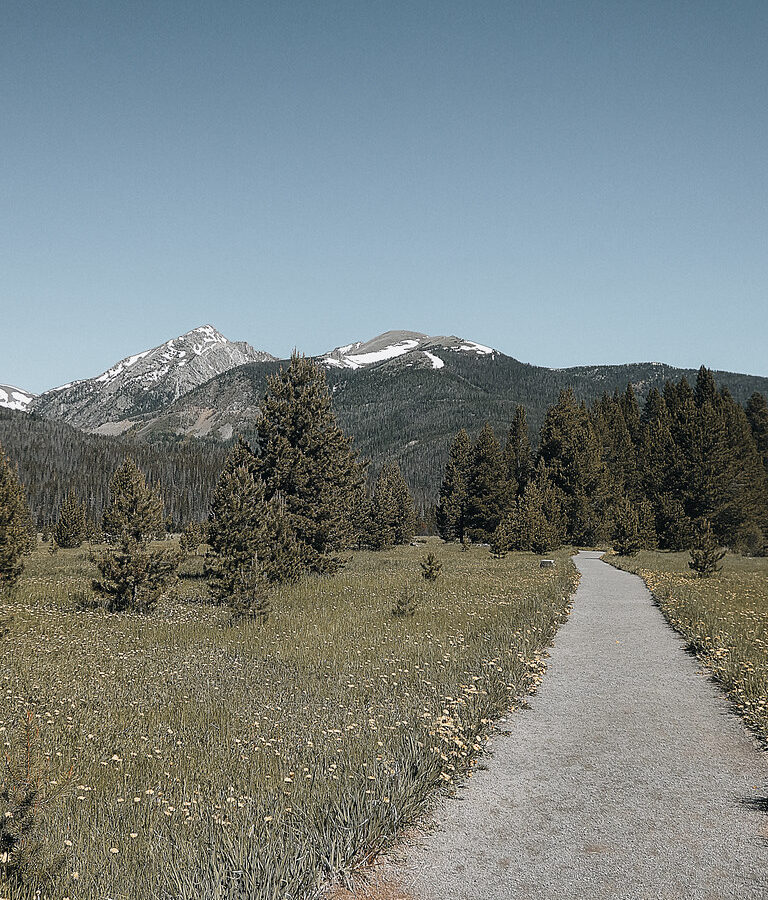
Photo: concrete&fells via Flickr (CC BY 2.0)
At dawn in Rocky Mountain National Park, Moraine Park can be cold enough to frost a tent fly while elk move through the meadow below Longs Peak. The ground feels hard underfoot, Steller’s jays call from the ponderosa pines, and the first sunlight reaches the Continental Divide well before it warms the campground. That combination of elevation, exposed terrain, and rapid temperature change defines camping here.
The park has five established campgrounds spread between the busier east side and the quieter Kawuneeche Valley on the west. None provides electric, water, or sewer hookups at individual sites. Choosing well depends on your vehicle, tolerance for wind and road noise, preferred trails, and ability to secure a reservation during the short summer season.
How Campgrounds in Rocky Mountain National Park Are Arranged
Rocky Mountain National Park covers 415 square miles divided by the Continental Divide. Trail Ridge Road connects the two sides when seasonal conditions permit, climbing to 12,183 feet near Fall River Pass. A campsite on the wrong side of the divide can add hours of driving, particularly when high-elevation roads are closed by snow.
East-side bases near Estes Park
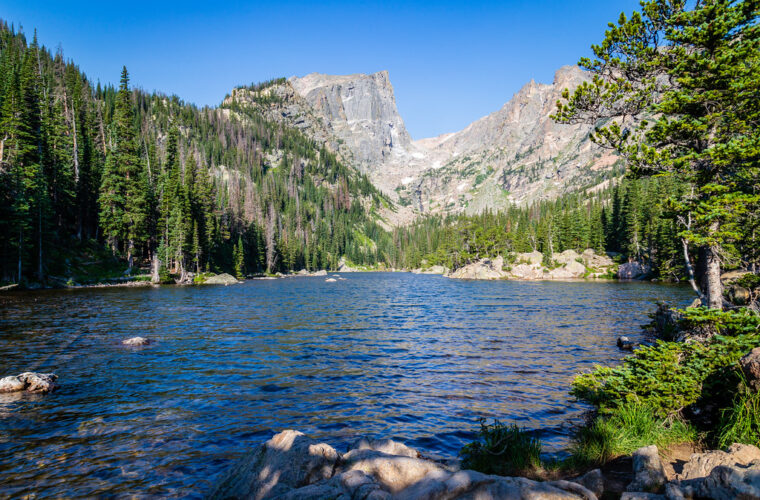
Aspenglen, Moraine Park, Glacier Basin, and Longs Peak campgrounds are reached from the east. Moraine Park and Glacier Basin provide the most convenient bases for Bear Lake Road destinations, including Alberta Falls, Mills Lake, Dream Lake, and Emerald Lake. Aspenglen sits near the Fall River Entrance, useful for visiting the Alluvial Fan and the eastern approach to Trail Ridge Road.
Longs Peak Campground lies south of the main Estes Park entrances at approximately 9,500 feet. Its small, tent-only sites serve climbers and hikers using the Longs Peak Trailhead. Campers attempting the Keyhole Route commonly leave before dawn, so expect headlamps, car doors, and quiet activity during the night.
The west-side option in Kawuneeche Valley
Timber Creek Campground is the park’s only developed campground west of the Continental Divide. It sits near the Colorado River at roughly 8,900 feet, with access to the Coyote Valley Trail, Holzwarth Historic Site, and west-side trailheads. Grand Lake is the nearest gateway community.
Extensive lodgepole pine mortality from mountain pine beetles changed Timber Creek’s character. Many sites have limited shade and privacy, but the open setting provides broad views toward the Never Summer Mountains. Moose are regularly seen in Kawuneeche Valley, especially around willow-covered wetlands, although sightings are never guaranteed.
Rocky Mountain National Park Campgrounds Compared
All five campgrounds occupy high-elevation environments, but their layouts differ substantially. Moraine Park combines meadow views with scattered trees, while Glacier Basin has a more open layout and expansive views of the Continental Divide. Aspenglen generally feels more enclosed because of its forested setting along Fall River.
| Campground | Approximate elevation | Best suited to | Setting and site character | Hookups |
|---|---|---|---|---|
| Aspenglen | 8,200 feet | Tents, small trailers, Fall River access | Pine forest, partial shade, generally compact sites | None |
| Glacier Basin | 8,500 feet | Bear Lake Road trips, RVs, organized groups | Open terrain, mountain views, limited natural screening | None |
| Moraine Park | 8,160 feet | First visits, wildlife viewing, Bear Lake Road | Meadow edge, mixed shade, varied privacy | None |
| Longs Peak | 9,500 feet | Tent campers, climbers, early trail starts | Cool forest, small sites, rustic layout | None |
| Timber Creek | 8,900 feet | West-side exploration, Grand Lake access | Open valley, little shade, mountain views | None |
What a developed site provides
A typical site has a parking spur, tent area, picnic table, and food-storage provision or access to shared wildlife-resistant storage. Restrooms and drinking water generally operate during the main camping season, but services can be reduced in colder periods. Campers should arrive prepared to contain wastewater and store every scented item securely.
Individual sites do not provide showers. Cell service is unreliable or absent, particularly in Moraine Park, Glacier Basin, and Kawuneeche Valley. Download maps, reservation details, and weather information before entering the park.
Tents, RVs, and group camping
Longs Peak is intended for tents, while the other developed campgrounds include a mixture of tent and RV sites. Parking spurs and turning space vary, so an RV’s total length matters more than the label attached to the campsite. Rocky Mountain roads also include tight curves, steep grades, and heavy summer traffic.
- Tent campers: Prioritize a level tent pad, wind protection, and distance from headlights or restroom paths.
- RV campers: Match the listed site dimensions to the full length of the tow vehicle, trailer, motorhome, and any slide clearance.
- Groups: Glacier Basin has traditionally contained designated group facilities, which are booked separately from standard family sites.
- Large rigs: Choose a site before entering the booking process, since only part of each campground can accommodate longer vehicles.
Rocky Mountain National Park Camping Reservations and Entry Rules
Summer demand is concentrated from late June through September, when Trail Ridge Road is usually open and most campground services are operating. Friday and Saturday nights disappear first, followed by holiday periods and weekends associated with fall elk viewing. A midweek stay generally produces better availability.
How the booking window works
Reservable campsites are sold through the federal recreation reservation system, commonly on a rolling window several months before arrival. Some inventory may be released closer to the stay date. Longs Peak has historically operated differently from the larger reservable campgrounds, so it should not be treated as a dependable overflow option.
- Create the reservation account before the booking date and save traveler and payment details.
- Filter by equipment type and total vehicle length before comparing individual sites.
- Select several acceptable site numbers rather than relying on one preferred campsite.
- Search for Sunday through Thursday arrivals or split a longer stay between campgrounds.
- Read cancellation and modification terms before paying, especially when combining consecutive reservations.
Camping reservations and timed entry
A campground booking and a timed-entry reservation serve different purposes. During periods when timed entry is used, a camping reservation may qualify as a service reservation for specified access, but the dates, entry times, and Bear Lake Road privileges depend on the current policy. Check campground opening dates, booking windows, fees, timed-entry treatment, fire rules, and operating services on the official park site before purchasing travel.
Keep an offline copy of the confirmation available at the entrance and campground. Arriving one day earlier than the reservation, entering a restricted corridor outside an authorized period, or holding a campsite that does not match the vehicle can disrupt an otherwise valid plan.
Choosing a Camping Season in the High Rockies
Elevation controls the camping calendar. Campgrounds around 8,000 to 9,500 feet remain substantially colder than Estes Park or communities along Colorado’s Front Range. Snow can occur during any month, afternoon thunderstorms are routine in summer, and nighttime temperatures often drop sharply after clear days.
Late spring and early summer
May and June bring lingering snowbanks, saturated tent pads, and cold nights. Trail Ridge Road may remain closed across the alpine tundra until plowing is complete, limiting travel between the east and west campgrounds. Lower trails can be muddy while routes above 10,000 feet still require traction, route-finding skills, or winter equipment.
July and August
These months provide the broadest trail access and the warmest average nights. They also bring the strongest reservation demand and a regular thunderstorm cycle. Hikers should plan exposed alpine routes for early morning because lightning often develops by afternoon. Heavy rain and small hail can reach camp with little warning.
September and early autumn
September usually offers cooler hiking weather, fewer biting insects, and elk activity around Moraine Park and Upper Beaver Meadows. Nights frequently approach freezing, and an early snowstorm can affect roads or close seasonal facilities. Bull elk can become aggressive during the rut, so campers should maintain substantial distance and keep food, coolers, and cooking equipment secured whenever they are unattended.
Gear That Earns Its Space at Elevation
A summer forecast for Estes Park does not describe conditions at Longs Peak or Timber Creek. Pack a sleep system rated at least 10 to 15 degrees colder than the predicted overnight low. A full coverage rain fly and a tent with a low wind profile handle exposed sites better than tall cabin tents, particularly around Glacier Basin and Timber Creek.
Rocky ground can bend lightweight stakes, while meadow edge campsites may have little protection from gusts. Bring several sturdy stakes, extra guylines, and a small mallet. Place a footprint entirely beneath the tent floor so rain cannot collect between the layers.
Sleep and clothing systems
Insulated sleeping pads matter because cold ground pulls heat from a sleeping bag. Choose a pad with an R value appropriate for near freezing conditions, then carry a warm hat, dry sleeping layers, and gloves even during July. Cotton clothing dries slowly after a thunderstorm, so synthetic or wool layers are more dependable.
Camp equipment matched to local conditions
| Condition | Useful equipment | Reason |
|---|---|---|
| Cold nights | Insulated pad and temperature rated sleeping bag | Limits heat loss into cold, compacted ground |
| Afternoon storms | Waterproof shell and sealed storage bins | Protects clothing and cooking supplies from wind driven rain |
| Open campsites | Guylines, durable stakes, and sun protection | Handles gusts and limited natural shade |
| No campsite hookups | Charged battery bank and refillable water containers | Supports basic power and water needs without relying on the site |
What to Do Without Moving Camp
Campground location should follow the trails you expect to use. Driving across Rocky Mountain National Park for every hike consumes time and can involve congested entrance roads. East side campers have the easiest access to Bear Lake Road, while Timber Creek places the Kawuneeche Valley within a short morning drive.
Shuttle services can reduce parking pressure in selected corridors during their operating season, but they do not connect every campground or trailhead. Campers should identify the nearest pickup point before relying on transit and carry everything required for the return journey.
Walks from Moraine Park and Glacier Basin
The Cub Lake Trail begins near Moraine Park and covers approximately 4.6 miles round trip through meadows, aspen stands, and wetland habitat. From Glacier Basin, campers can reach the nearby shuttle corridor for access toward Bear Lake and Glacier Gorge, where the 1.6 mile round trip to Alberta Falls provides a manageable introduction to the area.
West side outings from Timber Creek
The level Coyote Valley Trail follows the Colorado River for about one mile round trip and is useful for an evening wildlife walk. Farther north, the path to Holzwarth Historic Site crosses the valley to buildings associated with early twentieth century homesteading and dude ranch history. Willow flats along these routes are prime moose habitat, so give dense vegetation and animals ample room.
Early starts from Longs Peak
Longs Peak Campground provides immediate access to the Longs Peak Trailhead. Chasm Lake is approximately 8.5 miles round trip with about 2,500 feet of elevation gain, ending beneath the Diamond, the peak’s sheer east face. The Keyhole Route continues into exposed terrain and requires a much higher level of preparation, favorable weather, and mountaineering judgment.
Building a Safe Camp Routine
Black bears, ravens, chipmunks, and jays quickly investigate unattended food. Secure groceries, trash, toiletries, pet food, cooking oil, and scented cookware whenever the campsite is unoccupied or everyone is asleep. Cleaning immediately after meals also reduces odors that attract animals after dark.
Cook away from the tent when the site layout permits, and never bring food into sleeping gear. Dishwater should be strained and disposed of according to campground instructions rather than poured into vegetation. These habits protect wildlife from becoming conditioned to campsites.
Plan around storms and altitude
At high elevation, headache, nausea, unusual fatigue, and poor sleep can indicate altitude illness. Rest, hydrate, and descend if symptoms worsen. Lightning requires equally conservative decisions: leave exposed overlooks, ridges, and open water when thunder is audible, rather than waiting for rain to arrive.
Before leaving camp each morning
- Lower awnings and secure tents, chairs, and drying clothing against sudden wind.
- Store every scented item and remove visible trash.
- Carry water, insulation, rain protection, navigation, and a headlamp.
- Leave the day’s route and expected return time with someone responsible.
- Check the vehicle for wildlife beneath or beside it before departing.
Putting Your Rocky Mountain National Park Camping Guide to Work
Choose the side of the Continental Divide first, then match a campground to equipment size, shade preferences, and intended trailheads. Reserve several acceptable sites rather than depending on one perfect option. Once booked, verify that the parking spur fits the complete vehicle combination and prepare for nights considerably colder than nearby gateway towns.
A successful stay comes from managing elevation, weather, wildlife, and travel time as parts of the same plan. Bring a cold weather sleep system, secure camp before every outing, and start exposed hikes early. Those decisions leave more time for the park’s lakes, valleys, and high peaks while keeping the campsite orderly and ready for rapidly changing mountain conditions.
Want to keep exploring? Browse all our Rocky Mountain guides and articles for more trip-planning tips and ideas.
Gear & Essentials
Tell us about your trip and we will add what else you will want:
The basics
Worth having in the car whatever the park.
For this trip
- Camp lantern Etekcity Camping Lanterns 4-Pack LED
- Camping hammock Wise Owl Outfitters Camping Hammock
- Camping pillow Hikenture Inflatable Camping Pillow
- Lighter & matches BIC Maxi Pocket Lighters 10-Pack
- Shelter tarp Amazon Basics Waterproof Multipurpose Camping Tarp
- Tent Camping Tent 2-4 Person Easy Setup
Traveling with kids
Bringing a pet
RVing
Backcountry
Winter conditions
On the water
Photography
Accessibility
As an Amazon Associate we earn from qualifying purchases, at no extra cost to you.