Where to Stay Near Rocky Mountain National Park: Lodges, Campgrounds and Towns
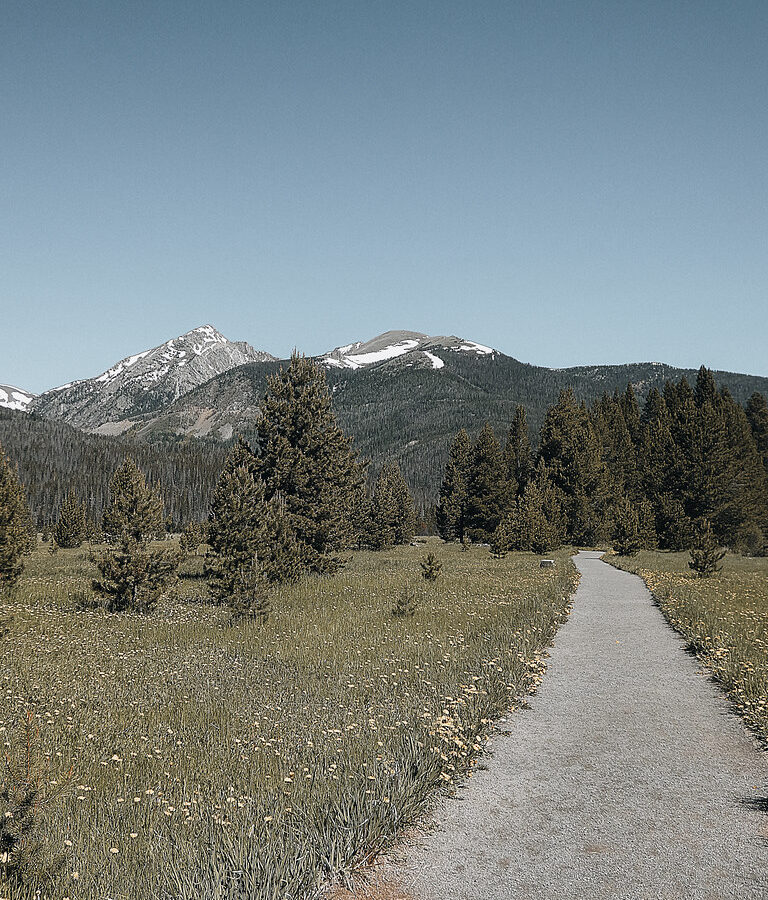
Photo: concrete&fells via Flickr (CC BY 2.0)
Deciding Where Stay Near Rocky Mountain National Park starts with choosing the right side of the Continental Divide. Estes Park gives the easiest access to Bear Lake, Longs Peak, and most first-visit itineraries. Grand Lake serves the quieter Kawuneeche Valley and the western end of Trail Ridge Road. Campers can sleep inside the park, but there are no hotels, lodges, restaurants, or fuel stations within park boundaries. Rocky Mountain National Park covers 415 square miles and rises from roughly 7,600 feet to the 14,259-foot summit of Longs Peak. Mountain roads make straight-line distances misleading. A room
Rocky Mountain National Park covers 415 square miles and rises from roughly 7,600 feet to the 14,259 foot summit of Longs Peak. Mountain roads make straight line distances misleading. A room near the wrong entrance can add hours of driving, especially when Trail Ridge Road is closed by snow. Our team recommends selecting your priority trail or landscape first, then choosing a town, lodge, cabin, or campground that minimizes daily backtracking.
Where to Stay Near Rocky Mountain National Park: The Quick Answer
Most travelers should stay in Estes Park for a first visit. The town sits outside the eastern entrances and has the broadest selection of hotels, cabins, vacation rentals, restaurants, markets, and outdoor equipment shops. It is also the practical base for the Bear Lake Road corridor, where trails reach Bear Lake, Dream Lake, Emerald Lake, Lake Haiyaha, and Alberta Falls.
Choose Grand Lake when wildlife watching, the Colorado River headwaters, or a quieter village atmosphere matters more than quick access to Bear Lake. Camp inside the park when sunrise trail access and evenings among lodgepole pine matter most. Choose the Wild Basin area for waterfalls and long hikes on the park’s less developed southeastern side.
Where to Stay Near Rocky Mountain National Park for the Shortest Morning Drive
The best location depends on the first trailhead of the day. Central Estes Park is roughly 4 miles from the Beaver Meadows Entrance, although congestion can lengthen the drive. Grand Lake’s center is approximately 2 miles from the park’s western entrance. Trail Ridge Road connects the two gateways during its snow free season, but the mountain crossing reaches 12,183 feet and generally closes during winter.
| Base | Best access | Typical character | Main limitation |
|---|---|---|---|
| Estes Park | Bear Lake, Longs Peak, Fall River | Largest lodging and dining selection | Busy summer traffic |
| Grand Lake | Kawuneeche Valley, west Trail Ridge Road | Compact lakeside village | Far from east side trails when the pass is closed |
| Wild Basin area | Ouzel Falls, Finch Lake, Mount Copeland | Wooded and comparatively quiet | Limited nearby services |
| Inside the park | Early trail access and evening wildlife | Developed campgrounds without hotel services | Seasonal facilities and high demand |
There Are No Lodges Inside the National Park
Descriptions such as “park lodge” often refer to commercial properties near an entrance rather than accommodations within Rocky Mountain National Park. Visitors wanting a mattress, private bathroom, or restaurant should book outside the boundary. The park’s overnight options are developed campgrounds and wilderness campsites. Wilderness camping requires designated sites and a permit, while developed campground procedures vary by location and season.
Timed entry systems, campground reservations, road openings, and seasonal facility availability can change. Confirm current details on the official park site before booking nonrefundable lodging, especially when a plan depends on Bear Lake Road access or crossing Trail Ridge Road.
Where to Stay Near Rocky Mountain National Park by Area
The park has several distinct travel corridors rather than one central hub. Bear Lake Road climbs from the Moraine Park area into glaciated terrain beneath Hallett Peak and Flattop Mountain. Trail Ridge Road crosses open alpine tundra above treeline. Kawuneeche Valley follows the young Colorado River through broad meadows where elk and moose are often seen. Wild Basin reaches a wetter forest of streams and waterfalls.
Lodging near one corridor does not guarantee quick access to another. Bear Lake and the Grand Lake entrance lie on opposite sides of the Continental Divide. Wild Basin has its own approach south of Estes Park. Matching accommodations to these zones saves more time than choosing solely by room price.
Bear Lake, Moraine Park, and the East Side Trailheads
Stay in Estes Park when Bear Lake is the main objective. The Bear Lake Trailhead stands at 9,475 feet and begins several of the park’s signature hikes. The loop around Bear Lake is about 0.7 mile, while the route to Emerald Lake is approximately 3.6 miles round trip. Glacier Gorge provides access to Alberta Falls, Mills Lake, and longer routes beneath the Continental Divide.
The east side also serves Longs Peak, the park’s only fourteener. The Longs Peak Trailhead lies south of central Estes Park, and the standard Keyhole Route covers roughly 14.5 miles with about 5,000 feet of elevation gain. Climbers commonly begin well before dawn to reduce exposure to afternoon thunderstorms. Lodging south of town can shorten that early drive.
Grand Lake and the Kawuneeche Valley
Grand Lake is the stronger base for the western park. From here, visitors enter a valley shaped by ice and crossed by the Colorado River near its headwaters. The low gradient meadows support willow communities that attract moose, while elk gather in open areas during autumn. Adams Falls, reached from the East Inlet Trailhead near town, is an accessible introduction to the area’s rushing water and granite terrain.
The west side receives different weather from Estes Park because storms release moisture while crossing the Continental Divide. Forests can feel cooler and damper, with dense lodgepole pine and pockets of spruce and fir. Grand Lake also works well for travelers continuing toward the western slope rather than returning through the Front Range.
Where Stay Near Rocky for Trail Ridge Road
Either gateway works for Trail Ridge Road, but the direction changes the experience. From Estes Park, the highway climbs through montane forest and subalpine stands before reaching tundra. From Grand Lake, it follows Kawuneeche Valley before beginning the sustained ascent. Allow several hours for overlooks, short walks, wildlife delays, and rapidly changing weather.
Above treeline, the road enters a landscape where wind presses tundra plants close to the ground. At an overlook, gravel shifts underfoot while the air feels markedly colder than it did in town. Engine noise fades between passing vehicles, and valleys drop away on both sides of the Continental Divide. Even in midsummer, exposed skin cools quickly when cloud cover crosses the ridge.
Where to Stay Near Rocky Mountain National Park: Comparing Gateway Towns
Estes Park and Grand Lake solve different logistical problems. Estes Park has the greater lodging inventory and provides access through both Beaver Meadows and Fall River. Grand Lake is smaller, easier to walk, and closely tied to the western entrance. Travelers should also consider small communities south and east of the park when quiet evenings or lower elevation sleeping are priorities.
Elevation deserves attention when choosing among them. Estes Park stands at about 7,500 feet, while Grand Lake is roughly 8,370 feet. Visitors arriving directly from sea level may sleep poorly, feel unusually thirsty, or develop a headache. Spending the first night at a lower Front Range elevation can make sense before strenuous hiking.
Estes Park for Choice and Convenience
Estes Park offers conventional hotels, roadside motels, cabins along the Big Thompson and Fall rivers, condominium style units, and larger vacation homes. The practical advantage is flexibility: families can find kitchens and multiple bedrooms, while hikers can select a simple room close to an early breakfast or grocery stop. Properties west and south of the town center generally reduce the drive toward park entrances.
Where Stay Near Rocky Without Driving to Dinner
Central Estes Park suits visitors who want to walk to restaurants and shops after parking for the evening. The tradeoff is a busier setting and a longer crawl through town during peak periods. Riverfront and wooded properties outside the center feel quieter, but guests should check the actual road approach rather than relying on a listing that describes itself broadly as “near Rocky Mountain National Park.”
Grand Lake for a Smaller Western Base
Grand Lake has lodges, cabins, inns, vacation rentals, and campgrounds around a historic village beside Colorado’s largest natural lake. Its compact center works well for an evening stroll, while the western entrance remains close enough for dawn wildlife watching. Inventory is smaller than in Estes Park, so room type and location choices narrow sooner during summer and autumn weekends.
Where to Stay Near Rocky: Lodges, Cabins, and Campgrounds
A lodge or hotel suits short visits built around long hiking days because it removes camp setup, cooking, and weather exposure. Cabins and condominium units work better for families needing separate sleeping areas or a kitchen. Campgrounds provide the strongest connection to the park’s daily rhythms, but cold nights, food storage rules, and limited services require more preparation.
Before reserving, compare the property’s entrance access, parking arrangement, cooking facilities, and cancellation terms. A mountain view does not compensate for an hour of avoidable driving each morning. The following priorities usually produce the most efficient choice:
- Book near Beaver Meadows or Fall River for Bear Lake and east side scenic drives.
- Look south of Estes Park for Longs Peak and Wild Basin departures.
- Choose Grand Lake for Kawuneeche Valley and west side wildlife watching.
- Select an in park campground for early starts without crossing a gateway town.
- Favor a kitchen when food allergies, children, or predawn trail departures make restaurant schedules impractical.
Developed Camping Inside the Park
The principal developed camping areas include Aspenglen, Glacier Basin, Moraine Park, Longs Peak, and Timber Creek. Their settings differ substantially. Glacier Basin and Moraine Park serve the east side, Aspenglen sits near the Fall River corridor, Longs Peak is convenient for the southern trailhead, and Timber Creek is the park’s primary developed campground on the west side.
Choosing an In Park Campground by Elevation and Location
Campground elevation affects sleep, temperature, and the effort required for ordinary camp tasks. Moraine Park sits near 8,160 feet, Glacier Basin around 8,500 feet, Timber Creek near 8,900 feet, and Longs Peak roughly 9,500 feet. Night temperatures can fall sharply even after a warm afternoon, particularly in exposed basins. Visitors arriving from low elevation may rest better at Moraine Park or Aspenglen before moving into higher terrain or attempting a demanding hike.
East Side Campgrounds for Trail Focused Trips
Moraine Park is strategically placed between Beaver Meadows and Bear Lake Road. Its open landscape also creates opportunities to watch elk from a safe distance, especially around dawn and dusk. Glacier Basin provides similarly useful access to Bear Lake Road, while Aspenglen favors Fall River Road and the northern side of Trail Ridge Road. Longs Peak Campground primarily serves hikers who value proximity to the Longs Peak Trailhead over central access to the rest of the park.
Food Storage and Cold Weather Preparation
Bears, ravens, ground squirrels, and other wildlife quickly exploit unsecured food. Store food, cooking equipment, scented toiletries, and waste according to park regulations whenever they are unattended. Bring a sleeping system rated below the expected overnight temperature, since mountain cold often exceeds forecasts made for Estes Park. A waterproof layer also belongs beside the sleeping bag because brief afternoon storms can soak tents before campers return from a trail.
Timber Creek for Western Park Camping
Timber Creek is the logical developed campground for exploring Kawuneeche Valley without commuting from Grand Lake. From this side, campers can reach the Coyote Valley Trail, Holzwarth Historic Site, and Colorado River Trailhead before most cross park traffic arrives. Beetle affected forests have changed shade patterns across portions of the west side, so campers should prepare for stronger daytime sun than older photographs may suggest. Moose frequent willow habitat, but they require generous space and an unobstructed escape route.
Match Lodging to the Season You Will Actually Encounter
The park’s usable geography changes dramatically through the year. Summer allows the broadest choice of entrances and corridors, while winter divides the east and west sides into separate destinations. Spring at lower elevations can coincide with deep snow around Bear Lake. Autumn brings cool nights, elk activity, and shorter daylight. Lodging prices alone provide an incomplete comparison because a cheaper room can become inefficient when snow closures force a long drive around the Continental Divide.
| Season | Most practical base | Planning consideration |
|---|---|---|
| Summer | Estes Park, Grand Lake, or park campgrounds | Afternoon thunderstorms and heavy trailhead demand |
| Autumn | Estes Park or Grand Lake | Freezing nights and wildlife related traffic delays |
| Winter | Choose one gateway for the entire stay | Trail Ridge Road does not provide a cross park connection |
| Spring | Estes Park for broader lodging choice | Snow persists at high trailheads after lower valleys thaw |
Summer and Early Autumn
Summer visitors planning multiple corridors benefit from splitting their stay between Estes Park and Grand Lake rather than crossing Trail Ridge Road repeatedly. Two nights on each side create time for Bear Lake, alpine tundra, and Kawuneeche Valley without turning every day into a road trip. In early autumn, staying near Moraine Park can simplify dawn wildlife viewing, but guests should expect cold starts and periodic traffic controls where elk gather near roads.
Winter and Mud Season
Winter travelers should treat the Continental Divide as a firm boundary when deciding Where Stay Near Rocky. Estes Park supports snowshoe trips toward Bear Lake and Hidden Valley, while Grand Lake provides western access to the Kawuneeche corridor. During spring thaw, trails near town may be dry while shaded routes above 9,000 feet retain packed snow and ice. A flexible cancellation policy has practical value when the planned experience depends on high elevation trail conditions.
Build the Stay Around a Realistic Daily Plan
Changing accommodations every night consumes time through packing, checkout, parking, and grocery stops. Most visitors gain more by selecting one base for two or three consecutive nights. A split stay becomes worthwhile when both sides of the Divide are priorities. Families should also protect an unstructured afternoon for weather delays, altitude fatigue, or a slower walk along the Colorado River rather than scheduling consecutive high mileage hikes.
A Three Night East Side Visit
Use the first day for acclimatization around Sprague Lake, Moraine Park, or the lower Fall River corridor. Reserve the clearest morning for Bear Lake Road, then devote the final full day to Trail Ridge Road or Wild Basin. Lodging west or south of central Estes Park reduces repeated town traffic. Visitors interested in Lumpy Ridge can instead favor northern Estes Park, placing Gem Lake and the granite formations of the Twin Owls area within easier reach.
A Four Night Cross Park Visit
Spend two nights near Estes Park and two in Grand Lake, crossing Trail Ridge Road only once. Stop at alpine overlooks during the transfer rather than treating the crossing as dead travel time. Pack water, warm clothing, and lunch before leaving either town because the tundra portion of the route is exposed and weather can interrupt a planned picnic. This structure also provides separate dawn windows for Bear Lake scenery and Kawuneeche Valley wildlife.
Select the Base That Protects Your Time
The strongest lodging decision begins with a map of the trails and corridors you intend to use. Estes Park serves Bear Lake, Longs Peak, Lumpy Ridge, and the eastern approaches. Grand Lake belongs with Kawuneeche Valley and western exploration. Wild Basin rewards travelers willing to trade nearby services for quieter access, while an in park campground places early starts ahead of gateway traffic.
Choose the room, cabin, or campsite only after considering elevation, seasonal road geography, cooking needs, and the first departure each morning. That order prevents attractive photographs or a low nightly rate from dictating an inefficient trip. With the correct base, more of each day goes toward alpine lakes, tundra overlooks, waterfalls, and wildlife observation, rather than retracing mountain roads between distant entrances.
Want to keep exploring? Browse all our Rocky Mountain guides and articles for more trip-planning tips and ideas.
Gear & Essentials
Tell us about your trip and we will add what else you will want:
The basics
Worth having in the car whatever the park.
For this trip
Traveling with kids
Bringing a pet
RVing
Backcountry
Winter conditions
On the water
Photography
Accessibility
As an Amazon Associate we earn from qualifying purchases, at no extra cost to you.